
Unlocking the Secret to a More Powerful Swing with Tibialis Raises
Integrating Tibialis raises into your golf training routine directly enhances lower leg stability and ankle strength, which are crucial for a more powerful and controlled swing. The tibialis anterior muscle supports the foot’s dorsiflexion and stabilizes your stance during both the backswing and downswing. To perform this exercise effectively, begin with feet hip-width apart, raising the front of your foot by flexing the ankle upward to approximately 20 degrees while keeping the heel planted. hold for 3-5 seconds and repeat for 3 sets of 15 repetitions per foot. This targeted strengthening allows golfers to maintain a steadier base during weight transfer, improving the kinetic chain’s efficiency-from hips through to the clubhead-resulting in greater clubhead speed and more consistent ball striking across all skill levels.
Applying these gains on the course enhances swing mechanics by promoting better posture and balance throughout the swing sequence.Beginners ofen struggle with weight shifts that cause lateral swaying, whereas experienced players sometimes lose coil tension due to ankle instability. By stabilizing the ankle joint through Tibialis raises, golfers can maintain a firm, yet flexible foundation, optimizing the angle of attack and clubface alignment at impact. This translates to more precise shot shaping, especially when navigating challenging lies or uneven turf. Incorporating this exercise into warm-ups or cooldowns supports injury prevention while refining the intricate movements necessary for a technically sound driving and approach game.
For practise routines, consider integrating Tibialis raises alongside traditional swing drills and balance training to create a holistic regimen. For example, after performing swing drills focused on sequencing, introduce a set of Tibialis raises paired with single-leg stands for proprioception enhancement. Course strategy benefits too; improved stability enables confident weight shifts during varying shot types-whether a controlled punch shot under windy conditions or an aggressive drive off the tee. to monitor progress, use video analysis or launch monitor data to track improvements in swing path consistency and ball flight parameters. Remember to address common mistakes such as excessive foot rolling or insufficient muscle activation by concentrating on slow, controlled raises with a focus on feeling the muscle engage.Ultimately, fortifying the tibialis anterior supports all facets of golf performance, strengthening your drive, precision, and scoring potential in measurable, lasting ways.
How Strengthening Your Tibialis Can Improve Driving Stability on the Course
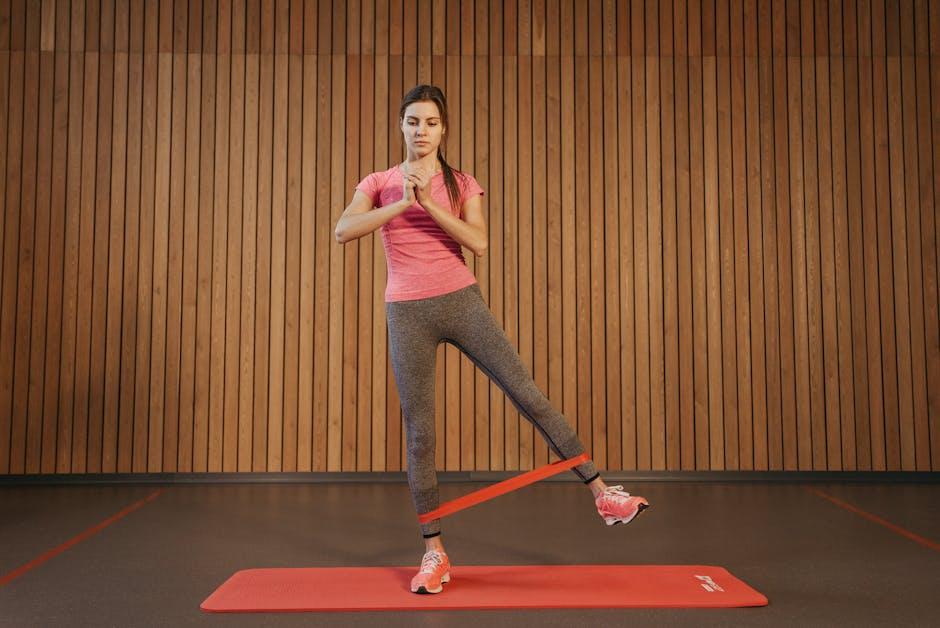
Driving stability relies heavily on a golfer’s lower body strength, and the tibialis anterior muscle, located along the shin, plays a crucial role in maintaining balance during the swing. Strengthening this muscle improves ankle stability, which in turn enhances weight transfer and posture throughout the driving motion. When your tibialis is strong, you have a more controlled dorsiflexion-the action of lifting the foot toward the shin-allowing for better ground contact and preventing unwanted lateral movements. This control is essential during the transition from backswing to downswing, especially when generating power with the hips and core. To start, incorporate simple tibialis raises by standing against a wall and lifting the front of your foot while keeping the heel on the ground for sets of 15-20 reps, gradually increasing resistance with a resistance band as your strength improves.
Integration of tibialis strengthening into your practice routine has practical on-course benefits, particularly in managing various turf conditions and undulating lies. Such as, when teeing off from uneven ground or navigating slopes with oblique foot angles, a strong tibialis assists in stabilizing your stance and maintaining consistent swing mechanics. This improved ankle stability translates to a more reliable clubface position at impact, reducing slices or hooks caused by premature foot movement. To apply this in training, focus on stance alignment drills while performing tibialis raises, ensuring feet remain oriented square or slightly open depending on the shot shape desired. Additionally, pairing this with dynamic balance exercises-such as single-leg stands on a wobble board-can further enhance proprioception, allowing golfers to adapt their stance effortlessly in windy or wet conditions.
For golfers at all levels, combining tibialis strengthening with a mindful approach to setup and swing sequencing can lead to palpable improvements in driving accuracy and power consistency.beginners should emphasize proper foot positioning and gradual muscle engagement before attempting full swings, thereby reducing the risk of injury and ingraining correct muscle activation patterns. Low handicappers, conversely, can explore advanced drills such as controlled tempo swings with a focus on maintaining ankle dorsiflexion through impact, aiming for a smooth transfer of weight measured at approximately 60-70% on the lead foot at ball contact. Consistent practice of these techniques not only strengthens critical musculature but also harmonizes physical capability with mental focus, helping golfers stay grounded-both literally and figuratively-under pressure and improving overall scoring potential.
Simple Tibialis Exercises That Will Transform Your Golf Game and Prevent Injury
Improving tibialis strength through targeted exercises can substantially enhance golf swing mechanics, particularly by promoting greater ankle stability and controlled foot motion during the swing. Performing tibialis raises-were you lift your foot upwards while keeping the heel grounded-helps to build the dorsiflexor muscles that control forward tilt and balance. To begin, stand near a wall or chair for support, raise your toes towards your shin at a controlled pace, and lower slowly. Aim for three sets of 15 repetitions daily,gradually increasing resistance with a light ankle weight. Strengthening these muscles improves weight transfer during the downswing and follow-through phases, optimizing loading and unloading forces through the feet, which translates to better clubhead consistency across the swing arc.
Integrating these exercises into your practice routine also aids in injury prevention by reducing undue strain commonly experienced in the lower leg during dynamic movements like driving and quick directional shifts on the course. when managing a challenging lie or uneven terrain, stable footwork supported by tibialis strength allows for precise setup and posture adjustment without compromising swing mechanics. Incorporate a drill where you practice your setup on slight uphill and downhill slopes, focusing on maintaining balance through your tibialis-controlled ankle dorsiflexion. This reinforcement enhances your ability to stay grounded and execute consistent strikes under varying course conditions, contributing to improved shot accuracy and confidence.
For golfers aiming to refine both short and long game, pairing tibialis strengthening with technical drills can yield measurable improvements. Beginners can start by concentrating on simple heel raises within their warm-up routine, while low handicappers might employ resistance bands to increase muscle challenge, thereby enhancing control in putting stances and full swings alike. Emphasizing a neutral ankle angle of approximately 90 degrees during address ensures a solid foundation, helping prevent early lateral sway or over-rotation. These refinements cumulatively support advanced shot shaping and distance control. Regularly assessing progress through video feedback or pressure-mat analysis can help track improvements and inform subtle swing adjustments linked directly to tibialis function, ultimately leading to lower scores and a more resilient golf game.


