Choosing the Right Clubs to Maximize Your Swing Efficiency
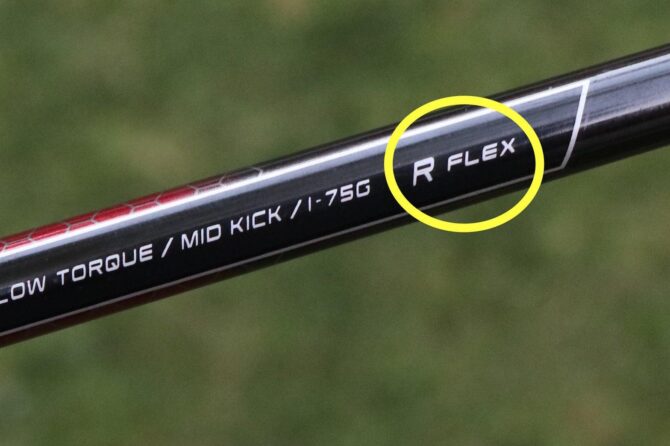
To maximize swing efficiency, it’s essential to start by selecting clubs that complement your natural swing characteristics and shot-making tendencies. Understanding loft angles is critical here; as an example, drivers typically range from 8° to 12° loft, and choosing the right one can help optimize launch conditions for distance and control. Golfers with slower swing speeds often benefit from higher lofted drivers to achieve greater carry and a softer landing, while stronger players may prefer lower lofts to reduce spin and gain roll. Similarly, the shaft flex plays a pivotal role-whether it’s regular, stiff, or extra stiff-and should correlate with your swing tempo and release speed to minimize energy loss and promote consistent ball striking. When testing clubs, focus on achieving a launch angle around 12° to 15° and a spin rate between 3000 to 3500 rpm for drivers, as these figures typically produce optimal distance. A hands-on fitting session or practice drills that involve hitting shots with various club specifications can reveal the ideal combination for your unique swing dynamics.
Once your set is tailored, integrating smart course management techniques can amplify performance gains.Selecting clubs strategically on the course not only depends on distance but also on factors like wind, terrain, and pin placement. For approach shots inside 150 yards, using higher-lofted wedges with controlled swing speeds promotes precision and scoring opportunities. Incorporate drills that train trajectory control, like hitting partial swings or bump-and-run chips, to refine feel and touch around the greens. It’s also vital to avoid common pitfalls such as gripping too tightly or overswinging with long irons, wich often lead to inconsistent contact. Practice routines should emphasize a smooth tempo and proper weight transfer, ensuring repeatable mechanics under pressure. additionally, understanding when to opt for hybrid clubs versus long irons can definately help navigate tricky lies or unfavorable stances, as hybrids generally provide more forgiveness and easier launch from rough or uneven turf.By consciously aligning your club choices with situational demands and refining your technique through targeted practice, you’ll foster a more efficient swing and ultimately lower your scores across varied course conditions.
How Golf Ball Selection Can boost Your Driving Distance
Selecting the right golf ball can substantially impact your driving distance by optimizing energy transfer and controlling spin rates. For beginners and mid-handicappers, choosing a ball with a lower compression rating (generally between 70-80) helps maximize ball speed despite slower swing speeds, producing longer carry distances. Conversely, more advanced players with faster swings should consider slightly higher compression balls (around 90-100) to better harness their power without sacrificing feel or control. Additionally, pay attention to the ball’s dimple design and aerodynamics: a ball with a well-engineered dimple pattern reduces drag and promotes a more stable ball flight, essential for consistent drives, especially in varied wind conditions. when practicing, experiment with a few different balls to see which combines best with your swing mechanics, measuring carry distance and roll-out on the range or driving range launch monitors. This hands-on approach enables tailored equipment choices that complement your launch angle, spin rate, and swing path.
To fully realize the benefits from ball selection, integrate these insights into your setup and swing analysis during course play. For example, a ball with higher spin will give you more control on the fairway but may reduce distance due to increased aerodynamic drag; a lower spin ball can cut through the air more cleanly but requires precise strike and swing consistency to avoid hooks or slices. Focus on a square clubface at impact and a centered strike to maximize the ball’s launch conditions. Drills such as placing alignment sticks parallel to the target line and practicing tee height variations-ideally between 1.5 and 2 inches above the clubface-can improve ball contact quality. Furthermore,track how environmental factors like wind and temperature influence the ball flight of your selected golf ball,adjusting your strategy accordingly. Through iterative practice, data tracking, and mindful equipment choice, golfers at any level can boost their driving distance reliably and incorporate smarter course management that turns longer drives into lower scores.
Custom Fitting Secrets to Unlock Your Full Driving potential
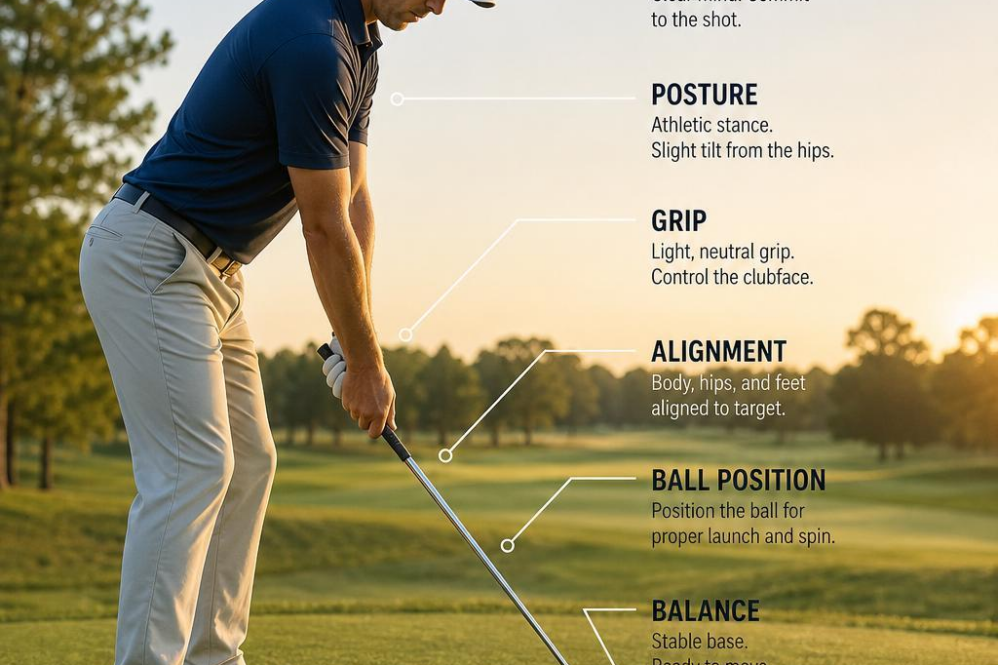
Achieving optimal driver fit is a foundational step toward unlocking your full distance and accuracy potential off the tee. Start by assessing your swing speed and launch angle with a launch monitor, which provides critical data such as ball speed, spin rate, and carry distance. For most golfers, the ideal launch angle ranges between 12° to 15° with a spin rate of 2,000 to 3,000 RPM, balancing maximum carry and roll. During your custom fitting session, experiment with adjusting the driver’s loft and face angle to optimize your trajectory and shot shape. Such as, if you’re a slicer, setting the driver’s face angle slightly closed or increasing the loft can help reduce sidespin and promote a straighter ball flight. Equally important is selecting the right shaft flex and weight to match your tempo – a shaft that’s too stiff can cause hooks, while one that’s too flexible might lead to inconsistent contact. Integrate setup fundamentals such as ball position just inside the lead heel and a slightly wider stance to promote a sweeping driver swing, maximizing contact in the club’s sweet spot and harnessing clubhead speed effectively.
Once you have dialed in the proper driver specifications, it’s essential to incorporate specific practice drills aimed at reinforcing your improved swing mechanics and course strategy. Try the “Swing Plane Alignment Drill” using alignment rods to ensure your takeaway and follow-through maintain a consistent arc, reducing slices and hooks.Focus on rhythm and tempo with a metronome or counting method, targeting a smooth transition rather than rushing your downswing. On the course, adapt your strategy by recognizing situational factors like wind direction or tight fairways; for instance, a lower trajectory shot can be critical under windy conditions to maintain control. Additionally, practice shaping shots-draws and fades-with your driver by slightly adjusting grip pressure and clubface orientation at address. Beginners can start by learning to control shot direction with mid-irons before transferring these skills to the driver, while advanced players can refine shot shaping to navigate doglegs or avoid hazards strategically. Remember, the ultimate goal of custom fitting and targeted practice is not only enhancing raw power but also improving consistency and decision-making, which translates directly into lower scores.
Incorporating Technology for Precision and Power on the course
Integrating technology into your golf instruction can significantly enhance both precision and power through detailed swing analysis and real-time feedback. Devices such as launch monitors and swing analyzers provide critical data points including clubhead speed, ball spin rate, and attack angle, which are essential for dialing in efficient mechanics. As an example, a high launch monitor reading combined with a steep angle of attack frequently enough indicates a need to adjust your setup by lowering the tee height or softening wrist hinge to optimize launch conditions. Beginners can benefit from visual aids like video playback to understand swing plane and follow-through positions, while advanced players can use tech-driven insights to fine-tune subtle shot-shaping techniques such as fades and draws. Incorporating this data into your practice routine allows you to set measurable goals-for example, achieving a consistent clubhead speed increase of 5-10 mph or reducing side-spin by 500 rpm-and track progress objectively over time.
Moreover, GPS rangefinders and course-mapping apps revolutionize course management by offering accurate yardages and hazard locations, helping players make smarter shot selections under various conditions. When faced with a narrow fairway guarded by water, these tools enable you to calculate precise carry distances and club choices, reducing risky decisions.Additionally, adjustable driver settings powered by modern technology allow golfers to modify loft and face angle on the fly, adapting to wind conditions or controlled trajectory requirements. Effective use of these features starts with mastering basic setup fundamentals-such as aligning your body parallel to your target line and maintaining a consistent ball position near the lead heel for drives-to maximize equipment benefits. Practice drills like alternating shots with different driver settings while noting ball flight and dispersion can enhance feel and confidence, ultimately translating into strokes saved during tournament play.By blending technological aids with sound technique and strategic thinking, golfers at all levels can unlock new dimensions of power and precision on the course.