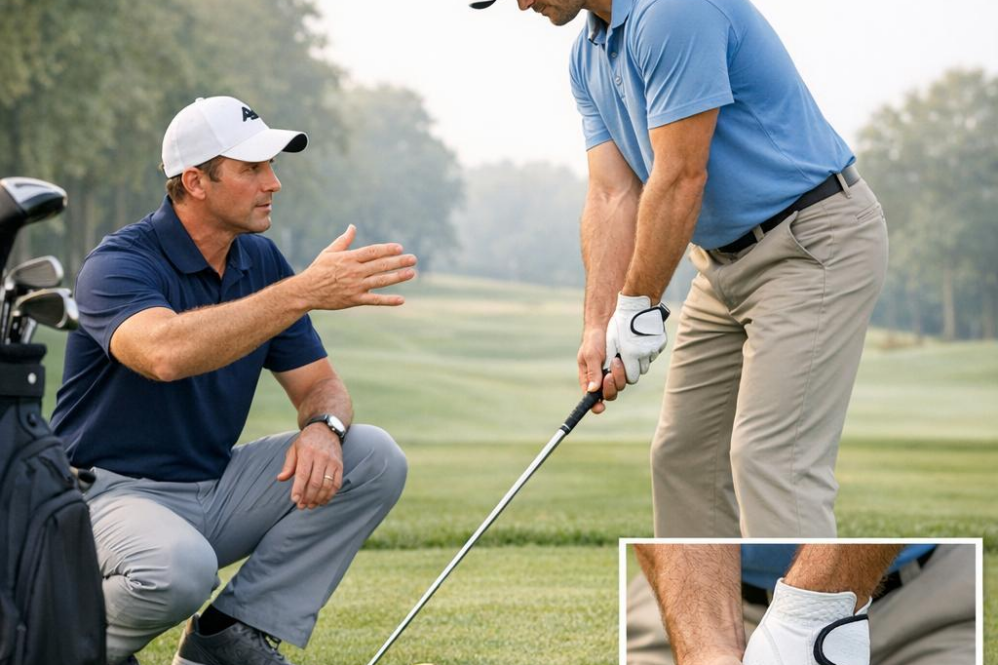
Choosing the Right Clubs to Build Confidence and Precision
Selecting the right clubs is fundamental to building confidence and precision across all areas of your golf game. When choosing equipment, consider the specifications that match your swing speed, skill level, and typical course conditions. As a notable example, club length should complement your height and posture, ensuring a natural swing plane that promotes consistency. Beginners often benefit from game-improvement irons with a larger clubface and perimeter weighting, offering more forgiveness on off-center hits. Conversely, advanced players might prioritize blades or forged irons for enhanced feedback and shot-shaping control. Pay attention to the loft angles as well-higher lofts on wedges and short irons create better stopping power on greens, which is crucial when tackling undulating surfaces or firm conditions. Integrating these considerations will not only improve strike quality but also help you trust your clubs under pressure.
Beyond club specifications, mastering setup fundamentals with your chosen equipment is key to translating skill improvements onto the course. Begin by establishing a consistent pre-shot routine that includes stance width, ball position, and grip pressure tailored to each club’s design. For example, positioning the ball just inside your left heel with the driver (ball forward) promotes optimal launch angles and lower spin rates, enhancing accuracy on long tee shots. In contrast, when using mid-irons or wedges, placing the ball slightly central to your stance encourages a steeper attack angle, perfect for crisp ball-first contact. Incorporate adjustable practice drills such as hitting shots with varied ball positions and observing ball flight changes to internalize these concepts. Make alignment sticks or markers part of your setup checkpoints to verify aim, preventing common mistakes like closed or open clubfaces that lead to pulls or slices. These setup refinements directly contribute to improved shot dispersion and scoring consistency.
Lastly, course management is inseparable from equipment choice in lowering your scores effectively. Knowing the strengths and limitations of your clubs allows you to play smarter, adapting to varying lies, wind conditions, and hazards. As an example, a 7-iron with a moderate loft can serve as a reliable distance-control club, particularly when paired with a consistent pre-shot routine and tempo. Use this knowledge to plan approach shots aiming for the safest part of the green, rather than always attacking the flag aggressively-a strategic mindset improvement for golfers at every level.Incorporate practice routines focusing on distance control and shot shaping, such as shaping fades and draws through grip adjustments and swing path awareness.Additionally, consider how equipment characteristics like shaft flex and clubhead design interact with weather factors, adjusting your club selection accordingly. Developing this synergy between your gear and strategy empowers you to manage courses more effectively, ultimately fostering greater confidence and lowering scores.
How Quality Golf Balls Enhance Your Drive and Control
Selecting the right golf ball considerably influences your drive distance,accuracy,and overall control on the course. Quality balls with a premium urethane cover and advanced multi-layer construction provide a desirable combination of compression rating and spin control, allowing golfers to fine-tune their launch conditions. As an example, a ball with a compression rating between 70 to 90 is often ideal for mid to low handicappers, promoting a balance between distance and feel. Beginners may benefit from slightly softer balls that reduce spin off the driver, helping to minimize common mishits such as slices or hooks. Practicing with these balls on the driving range, paying attention to ball flight and roll-out distance, can offer immediate feedback for adjusting swing path and clubface angle during setup and impact.
Understanding how equipment interacts with swing mechanics enhances your ability to lower scores through smarter course management. When paired with quality balls, a driver fitted for your swing speed and launch angle enables you to optimize your tee shots for both length and accuracy. Consider a driver with adjustable loft settings ranging from 9° to 12°,which can be dialed in to complement your chosen ball’s spin characteristics. On tighter fairways or windy days, using a ball that reduces spin can definitely help keep drives straighter and more predictable. Implementing practice drills that focus on centered ball striking-such as using alignment sticks and impact tapes-helps you harness the ball’s full potential, delivering cleaner contact and consistent shot shape for strategic placement rather than just maximum distance.
Transitioning from the range to on-course play, adaptability between different quality golf balls can become a valuable strategic tool. For example, on firm greens and dry fairways, a ball designed for increased rollout will add extra yards, while in softer conditions, a softer ball with higher spin rates assists in controlling approach shots and stopping the ball quickly on the greens. Engage in practice routines that simulate diverse course conditions, including varying wind speeds and turf firmness, to build confidence in selecting the appropriate ball before each round. Additionally, balancing your mental approach with equipment knowledge-trusting in your ball’s performance and your ability to execute-reinforces positive shot-making decisions, ultimately contributing to lower scores and enhanced enjoyment of the game.
Finding the Perfect Golf Glove for Comfort and Grip
Choosing the right golf glove plays a crucial role in optimizing your grip and enhancing your overall swing mechanics. A glove that fits snugly without restricting movement allows for a consistent hold on the club, which contributes directly to more reliable contact and better shot control. When selecting a glove, focus on the fit across the knuckles and palm: a properly sized glove should feel like a second skin, offering firm but flexible grip without excess material bunching between the fingers. materials like cabretta leather provide excellent tactile feedback ideal for advanced players seeking precision, while synthetic or hybrid gloves offer better moisture control, which is beneficial in wet conditions or during extended rounds. Remember, the glove’s grip texture can affect clubface control, so take time to test different brands and models to find one that complements your swing style and course conditions.
Incorporating the right glove into your routine also enhances your putting and short game setup, where subtle grip pressure changes impact accuracy. A common mistake, especially among beginners, is gripping too tightly, which can lead to tension in the forearms and reduce feel throughout the stroke. Conversely,a pleasant glove helps maintain a consistent grip pressure between 4 to 6 pounds,promoting fluid wrist hinge and release. Practicing with your chosen glove during drills such as the “clock drill” or “gate drill” can reinforce muscle memory for optimal grip pressure and clubface alignment. Additionally, in varying weather or terrain-whether on slick dew-covered greens or dusty fairways-the glove’s moisture-wicking and grip retention properties become invaluable components of effective course management.
integrating glove selection with other essential gear-like a properly fitted driver, quality golf shoes, and appropriate ball choice-creates a extensive foundation for skill advancement. Use your glove choice to support your swing’s biomechanical goals, especially when shaping shots or managing wind conditions. For instance, a glove that maintains traction during crosswinds allows you to execute controlled fades or draws with greater confidence. For low handicappers and cutting-edge instructors, this means fewer unforced errors and smarter decision-making on the course. To maximize your performance, rotate gloves based on practice intensity, weather conditions, and rounds played, and always inspect for wear patterns that might signal grip inconsistencies requiring technical adjustment. Through thoughtful integration of glove comfort and grip mechanics, golfers can steadily enhance shot precision and enjoy improved scoring metrics.