
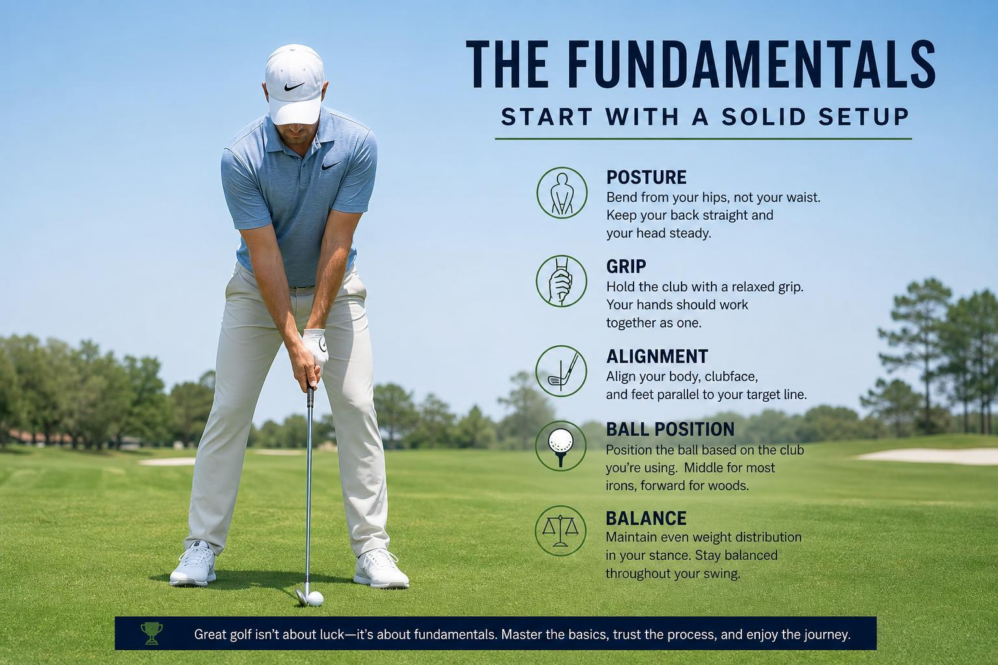
Unlocking the Foundation of Your Swing through the Right Stance Width
Choosing the appropriate stance width is foundational to achieving a repeatable and balanced swing. For most golfers, begin by positioning your feet roughly shoulder-width apart, which provides a stable base while allowing fluid hip rotation. this measurement typically ranges from 14 to 18 inches, depending on body size and club selection. For shorter irons and wedges, adopt a slightly narrower stance to promote control and accuracy, while longer clubs like drivers may require a wider stance to maximize power. Keep in mind that an overly narrow stance compromises balance, frequently enough causing sway or inconsistent contact, whereas an excessively wide stance can restrict your natural hip turn, diminishing swing speed and rhythm.
To fine-tune your stance width, incorporate drills that encourage consistency under diffrent course conditions. One effective practice routine is the step-in and hold drill: after your normal takeaway, pause at the top of the backswing and momentarily step your feet to your ideal width before completing the downswing. This drill reinforces muscle memory for your stance and improves balance through the swing sequence. On uneven lies or in windy conditions, adjusting stance width by an inch or two can help maintain footing and control, especially when executing a driving shot or delicate putting stance. Regularly measuring and adjusting your stance in practice will promote comfort and adaptability, critical for on-course performance.
Advanced golfers and instructors frequently enough emphasize the connection between stance width and weight distribution during setup. A balanced stance encourages a 55/45 percent weight distribution favoring the lead foot at address for irons, which facilitates a controlled downward strike. Working on drills such as the toe tap drill, where the trail foot’s toes lightly tap the ground throughout the downswing, helps maintain this weight shift and prevents a reverse pivot. Additionally, paying attention to how stance width affects your spine angle and hip rotation can uncover subtle swing flaws; for example, a stance that is too narrow may induce early extension or loss of posture. by mastering these elements, golfers strengthen their foundational mechanics, leading to improved consistency in swing path, striking quality, and ultimately, better scoring opportunities across every aspect of their game.
How Adjusting Your Foot Placement Can Transform Your Consistency
Proper foot placement is foundational to a consistent and repeatable golf swing, affecting both your balance and swing path. A reliable starting point is to adopt a stance width approximately equal to the width of your shoulders, which provides a stable base while allowing freedom for rotation. For shorter irons and wedges, slightly narrow your stance-about shoulder width minus 2 to 4 inches-to enhance control and precision in your swing arc. Conversely, for longer clubs like drivers, a wider stance-around 1.5 times shoulder width-helps generate power and maintain stability during the aggressive tempo of a tee shot. Always align your feet parallel to the target line,ensuring your weight distribution is balanced between the balls of the feet and heels. Practicing this setup repeatedly ingrains a consistent posture, which is critical under pressure on the course.
Adjusting foot placement not only influences balance but also directly impacts swing mechanics and shot shaping. For example, closing your stance by slightly pulling your back foot inward-about 15 degrees-can promote an inside-to-out swing path, encouraging a draw shot. In contrast, opening the stance with your front foot angled outward can facilitate an out-to-in path helpful for fades. These subtle variations allow you to strategically manipulate ball flight depending on course conditions, such as wind direction, hazards, or pin location.Incorporate alignment rods during practice sessions to visualize your stance angle and ensure consistency. Additionally, focus on maintaining even pressure through your feet throughout the swing, as shifting weight prematurely can cause off-center strikes and erratic ball flight patterns.
Integrating foot placement adjustments into your routine requires intentional practice with measurable goals. Begin with drills that reinforce balance and repeatability, such as the “stance width ladder” where you alternate stance widths incrementally to find your optimal balance point. Another effective exercise is performing slow-motion swings maintaining your chosen foot angles, allowing you to feel the impact on your hip rotation and swing plane. For beginners, emphasize mastering a neutral, shoulder-width stance before experimenting with more advanced foot positions. Low handicappers might focus on fine-tuning foot angles for personalized shot shaping and distance control. Remember to adapt your setup to varying terrain and weather-on uneven lies or in windy conditions, a slightly wider stance improves stability. Ultimately, consciously adjusting and repeating your foot placement enhances swing consistency, boosts confidence, and contributes to lower scores by enabling better shot execution under diverse course conditions.
Practical tips to Find and Maintain Your Ideal Stance for Every Shot
Establishing a consistent and repeatable stance is foundational to executing reliable golf shots, regardless of skill level. begin by positioning your feet roughly shoulder-width apart for most full swings, which provides a stable base without restricting mobility.For irons, set stance width at approximately 1.5 times your shoulder width to maximize balance and power transfer. When hitting wedges or short game shots, narrow your stance to about shoulder width or slightly less to promote control and precision. Pay close attention to foot alignment-both feet should be parallel to the target line or slightly open for draws and closed for fades, depending on the desired shot shape. Practicing this setup in varied conditions is vital; for instance, adjust your stance slightly wider on soft or uneven lies to maintain equilibrium. By consistently choosing a stance width you can repeat easily,you cultivate muscle memory that enhances swing mechanics across diverse shots and situations.
Beyond width,the angle and weight distribution within your stance play critical roles in shot outcome and consistency. Distribute your weight evenly between both feet at address, typically about 50-50, to enable fluid hip rotation and a balanced finish. For tee shots or powerful drives,favor slightly more weight on the back foot-roughly 55% to 60%-to encourage upward strike and maximize launch angle. Conversely, for punch shots or shots from tight lies, shift weight slightly forward to help compress the ball. Always maintain a soft flex in the knees, approximately 15 degrees, ensuring athletic posture that adapts dynamically during your swing. employing drills such as swinging with a balance board or performing slow-motion swings while checking weight transfer can refine these fundamentals. Moreover,being mindful of your stance in different wind conditions or on sloped tees allows you to tailor balance and alignment,maintaining stroke stability under pressure.
integrating stance adjustments into your overall course management strategy sharpens shot selection and scoring potential. Such as, when a narrow fairway demands precision off the tee, utilize a narrower stance to reduce excessive sway and promote a controlled swing path, helping avoid hazards. When approaching greens surrounded by bunkers or uneven grass, adopt a slightly open stance to facilitate an out-to-in swing path for a fade or a controlled flop shot. Practice routines should include deliberately setting up with varied stance widths and alignments to build adaptability and resilience under tournament conditions. Remember, mental clarity enhances physical execution; consistently visualizing your stance and setup pre-shot solidifies commitment and confidence. Use pre-shot routines incorporating stance checks as a mental anchor, seamlessly connecting physical posture with strategic intent and ultimately lowering your stroke count through deliberate, practiced stance mastery.




