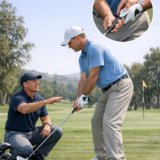
An Analytical Overview of Jim Furyk’s Golf Instruction Techniques
Jim Furyk, a professional golfer celebrated for his distinctive swing and extraordinary performance on the PGA Tour, has captured the attention of both enthusiasts and analysts of the game over his remarkable 30-year career. With 17 tour victories, including a pivotal win at the 2003 US Open, Furyk’s on-course achievements are complemented by his noteworthy contributions to golf instruction. His idiosyncratic swing, characterized by its unique loop and follow-through mechanics, serves as a case study for both aspiring golfers and seasoned players seeking to enhance their technical repertoire.
An exploration of Furyk’s instructional techniques unravels the intricacies of his approach to the game, which integrates principles of biomechanics with adaptability to individual player styles. Studies have indicated that the interplay between shaft flex, swing sequence, and body alignment can considerably influence performance outcomes, underscoring the necessity of personalized instruction tailored to the golfer’s physical attributes and skill level. This article aims to systematically examine the core elements of Jim Furyk’s instructional philosophy, drawing upon various resources, including his instructional archives and analyses of his swing mechanics. Through this analytical overview, we seek to illuminate the methodologies that have informed Furyk’s instructional practices, contributing to a deeper understanding of effective golf coaching and performance enhancement in the sport.
The Foundations of Jim Furyks Swing Philosophy
Jim Furyk’s swing philosophy revolves around a blend of unconventional techniques and a deep understanding of fundamentals, which has enabled him to achieve remarkable consistency and accuracy on the course. at the core of his approach is the emphasis on a unique swing path, which allows him to create a distinctive clubface angle through impact. This unconventional mechanics serves as a counteracting force against common swing faults, favoring repeatability over raw power. By prioritizing a rhythmical and methodical movement, Furyk demonstrates how unconventional does not equate to ineffective.
Furyk underscores the importance of body alignment and setup, which sets the stage for successful execution. His setup involves specific foot placement and posture adjustments that cater to individual strengths and shot requirements. By establishing a grounded base, he enhances rotational power while preserving balance throughout the swing. Additionally, his focus on the takeaway mechanism allows for conscious awareness of the swing’s initiation, which is critical in maintaining an optimal path. This meticulous attention to detail reveals that successful swing mechanics are not merely about athletic prowess but also about strategic thinking and planning.
A crucial aspect of Furyk’s philosophy is the mental component of golf, which he integrates seamlessly with his physical technique. He advocates for the practice of visualization and course management as essential tools for better performance. By mentally preparing for every shot and visualizing the target, players can alleviate pressure and enhance shot execution. In this regard, Furyk’s experience on the PGA Tour translates into valuable lessons for amateur golfers, illustrating that success in golf isn’t solely dictated by physical ability, but also by mental acuity and strategy. Emulating these principles can significantly improve a golfer’s approach to the game and ultimately, their overall performance.

Techniques for Improving Consistency and Accuracy in Golf
Improving consistency and accuracy in golf hinges on mastering a set of essential techniques that jim Furyk champions in his instructional approach. A pivotal aspect of his methodology is the grip; establishing a robust grip on the club cultivates a solid foundation, which is essential for achieving a clean and accurate strike. Furyk emphasizes that golfers should find a grip that feels natural yet secure, ensuring the clubface remains stable through the impact zone. additionally, he advocates for the importance of adopting a consistent setup routine, where golfers methodically repeat their grip, stance, and alignment before each shot, aiding muscle memory and reducing variability.
Furthermore, Furyk’s analysis of swing mechanics reveals that a keen understanding of body positioning can significantly enhance performance. By dissecting the swing into essential components—including posture, stance width, and balance—Furyk instructs golfers to pay close attention to their alignment with the target. Proper posture should be maintained throughout the swing, ensuring that the body remains coordinated and capable of generating power effectively. A recommended practice is to engage in drills that reinforce the connection between the lower and upper body, fostering a unified swing motion that enhances both speed and consistency.
the incorporation of targeted drills that simulate game conditions can further bolster a golfer’s accuracy and consistency.Furyk suggests practicing with specific targets, such as flags or cones, to refine aim and distance control. By narrowing focus on these elements during practice, golfers can better translate their skills to real-game situations. Below is a sample drill format that encapsulates this approach:
| Drill | Objective | Execution |
|---|---|---|
| Target Alignment drill | Improve aim and alignment | Set up alignment sticks towards the target, practice hitting shots while ensuring body and club align with the sticks. |
| Distance Control Challenge | Enhance distance accuracy | Place targets at varying distances and practice hitting to each,focusing on adjusting swing length and tempo. |
The Role of Mental Discipline in Golf Performance
The successful execution of Jim Furyk’s golf instruction techniques is significantly influenced by the concept of mental discipline. This critical element of the game allows golfers to remain focused and composed under pressure, ultimately playing a pivotal role in consistent performance. Mental discipline empowers players to cultivate a resilient mindset, equipping them to navigate the mental challenges that the sport presents. By integrating this discipline into their practice routines, athletes are more likely to achieve a consistent swing and make astute decisions during competitive play.
One of the unique characteristics of Furyk’s approach is the emphasis on visualization techniques, which can be integrated into mental discipline practices.Visualization enables golfers to mentally rehearse their shots, fostering a sense of familiarity and confidence. This mental rehearsal can definitely help alleviate the performance anxiety that frequently enough accompanies competitive situations. Furthermore, establishing a routine that incorporates breathing exercises, positive affirmations, and mindfulness can enhance a golfer’s ability to focus on the current shot rather than dwelling on past mistakes, leading to improved outcomes. Key components include:
- Adopting a pre-shot routine to instill consistency.
- Practicing positive self-talk to combat negative thoughts.
- Engaging in mindfulness meditation to enhance present-moment awareness.
Moreover, mental discipline fosters the capacity to accept the outcomes of individual shots without allowing them to adversely affect subsequent plays. This resilience is crucial for forgiveness of oneself during a round,as it enables golfers to move on swiftly from errors. When combined with Furyk’s technical methodologies,such as his unconventional swing mechanics and emphasis on a solid grip,mental discipline creates a complete framework for enhancement. The effective integration of technical skills with mental fortitude can lead to superior performance on the course, which exemplifies a player’s evolution under Furyk’s guidance.below is a summary table illustrating the interplay between mental discipline and performance outcomes:
| Mental Discipline Components | Performance Outcomes |
|---|---|
| Visualization Techniques | Enhanced shot accuracy |
| consistent Pre-shot Routine | Increased swing consistency |
| Positive Self-talk | Improved confidence levels |
| Mindfulness Practices | Reduced performance anxiety |
Practical Applications of Furyks Instruction Methods
Jim Furyk’s instructional methods are grounded in his unique swing mechanics, which provide practical applications for golfers of all skill levels. One of the primary aspects of his approach is the emphasis on adaptability in the stance and grip. Furyk advocates for individualized adjustments that cater to each player’s physical attributes and preferences.This could involve altering the grip pressure or modifying foot alignment to achieve a more balanced swing. By recognizing that no two golfers are alike, he encourages students to explore what feels best for them, ultimately fostering a more personal connection to their technique.
Another key component of Furyk’s instruction focuses on the importance of consistency through practice. he stresses the need for golfers to develop a repeatable swing that minimizes unnecessary movement.This can be achieved through targeted drills that prioritize swing path and body mechanics. For instance, incorporating exercises that enhance core strength and stability will support a more controlled motion, leading to improved accuracy. Additionally, the use of visualization techniques can further enhance learning by helping students mentally map out their desired swing before addressing the ball.
Furthermore, Furyk emphasizes the role of mental preparedness in enhancing performance on the course. He advocates for pre-shot routines that incorporate deep breathing and focus exercises to foster a calm mindset, thus improving decision-making skills under pressure. Tracking performance metrics is another practical strategy he encourages,allowing players to identify strengths and weaknesses over time. By analyzing statistics such as fairways hit and greens in regulation, golfers can tailor their practice sessions to address specific areas of improvement, making their training more efficient and effective.
Evaluating the Effectiveness of Furyks Teaching Strategies
Jim Furyk’s teaching strategies are well-regarded for their practical application and results-driven approach to golf instruction. His methods emphasize understanding the individual needs of each student, allowing him to tailor his teaching to accommodate different skill levels and learning styles. This personalized approach ensures that golfers not only grasp the mechanics of the swing but also develop a comprehensive understanding of their overall game. By focusing on both technical skills and mental strategies, Furyk cultivates a holistic learning surroundings that promotes long-term improvement and confidence.
In his instructional sessions, Furyk often utilizes video analysis to break down a player’s swing, which serves as a vital tool for visual learning. Golfers can see their own movements in real-time, allowing for immediate feedback and correction. This method effectively reinforces kinesthetic learning and aids in the retention of facts. Moreover, the ability to slow down and dissect specific elements of the swing helps demystify complex mechanics, empowering students to make adjustments with clarity and precision. Additionally, the use of technology in his instruction reflects a modern approach, aligning with the latest advancements in sports science.
| Key Elements of Furyk’s Teaching | Benefits |
|---|---|
| Individualized Instruction | Caters to unique learning styles |
| Video Swing Analysis | Provides instant feedback for improvement |
| Holistic Development | Focus on mental and physical aspects |
| Technology Integration | Enhances learning through modern tools |
The discipline and patience that Furyk instills in his students have been instrumental in developing their competitive edge. By combining conventional teaching techniques with innovative methods, he encourages golfers to adopt a mindset focused on continuous improvement and resilience. This dual emphasis on skill development and mental fortitude equips players to handle the pressures of competition, fostering a profound understanding of the game that transcends mere swing mechanics. As an inevitable result, Furyk’s teaching strategies not only enhance a golfer’s technical skills but also cultivate a robust competitive spirit essential for success on the course.
The Conclusion
Jim Furyk’s instructional techniques offer a valuable framework for golfers seeking to enhance their skills and on-course performance. By meticulously analyzing Furyk’s unique swing mechanics, we uncover not only the physical nuances that define his game but also the mental and strategic approaches that contribute to his success. His emphasis on individualized instruction, rooted in fundamental principles yet adaptable to varying skill levels, underscores the importance of a tailored educational experience in the realm of golf.
Moreover, Furyk’s methodical approach to analyzing the golf swing, along with his commitment to specific practices like effective setup techniques, exemplifies a holistic understanding of the sport that extends beyond mere physical execution. As practitioners and enthusiasts alike can attest, Furyk’s insights resonate deeply, offering practical applications that are essential for cultivating a comprehensive golf strategy. Thus, studying his methods can empower golfers to not only refine their technical abilities but also develop a robust mental game, ultimately leading to improved performance on the course. As the golf community continues to learn from his exemplary career, Jim Furyk’s teachings stand as a testament to the interplay between technique, strategy, and personal growth in the pursuit of excellence in golf.