
Introduction
Golf combines visual judgment, mental strategy, and precise motor control, which makes it approachable for newcomers yet difficult to master.For beginners,early coaching that prioritizes core technique,purposefully structured practice,and gradual progression that reduces injury risk is essential for steady betterment and lasting enjoyment. Drawing from biomechanics, motor-learning science, and modern coaching practice, this article translates theory into clear, actionable steps to guide new golfers through the first stages of growth. The focus is on reliable, high‑impact principles-grip, stance, swing sequencing-while also covering sensible equipment choices, practice designs that promote retention and transfer, and introductory mental strategies for on‑course decision making. Throughout, recommendations emphasize evidence‑informed methods that balance technical correctness with progressive, safety‑minded learning.
The goal is to present a cohesive roadmap linking underlying concepts to practical range and course applications so beginners,coaches,and recreational players have a structured path for early gains. The sections that follow offer specific drills, highlight common errors and fixes, and propose practice protocols intended to maximize early-stage progress while limiting frustration and injury.
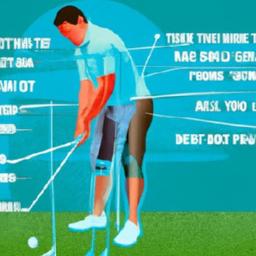
Establishing a reliable Grip and hand Positioning for Consistent Ball striking
Sound, repeatable ball contact starts with a grip that can be set the same way every time. A consistent hand position reduces variability and builds the reliable contact pattern that underpins scoring. Aim for a neutral foundation: the handle should rest mostly across the fingers, each thumb‑forefinger “V” directed toward the lead shoulder, and both palms showing a balanced face at address. These concrete alignment cues, practiced deliberately, form a motor template that supports control and accuracy.
Pre‑shot hand checklist-fast items to confirm before every swing:
- Placement: Shaft across the fingers rather than the palms.
- Rotation: Lead thumb slightly right of center for right‑handers.
- V‑formation: Both V’s pointing to the lead shoulder.
- Proximity: Hands close to the body to encourage a compact arc.
Grip style influences typical ball flight. The short table below connects common grip tendencies with the expected shot shape so you can use observed outcomes to diagnose and adjust hand position.
| Grip Type | V‑Formation | typical Ball Flight |
|---|---|---|
| Neutral | Directed to lead shoulder | Mostly straight; slight draw possible |
| Strong | Rotated more toward trail side | Tends to close face: draws/hook risk |
| Weak | Points more toward target‑side | Open face tendencies: fades/slices |
Grip pressure directly affects contact quality. Think of tension on a 1-10 scale (1 = barely touching; 10 = white‑knuckled): target about 4-6 on full swings and slightly lighter for short game shots. Helpful exercises to tune pressure and feel include impact‑only swings (short, intentional strikes emphasizing contact), the tee‑behind‑the‑ball drill (encourages forward‑press and lead‑hand control), and mirror practice to confirm the V‑shape and wrist angles. Keep repetitions short and focused-quality beats quantity when building a tactile habit.
integrating the hands into a full, sequenced swing requires clear timing and feedback. The hands connect body rotation to face control-hold a stable connection through the takeaway,maintain wrist angles on the backswing,and allow a natural release through impact while preserving the chosen grip pressure. Typical faults (flicking wrists, overly active hands, or slipping grips) can be addressed with glove‑off feel work, a training grip to reinforce tempo, or simple video checks.adopt a brief pre‑shot routine-set the grip, make one or two slow rehearsals, then execute-to create dependable outcomes.
optimizing Stance, Balance and Posture to Improve Alignment and Power
A repeatable swing begins with a mechanically sound set‑up that preserves spine angle through motion. Stand in an athletic posture: soft knee flex, hinge at the hips for a forward spine tilt, and maintain a neutral lower back. Keep the head roughly centered over the stance so vision and balance support smooth rotation. These positions limit compensations and let the torso and legs generate torque efficiently.
Were your weight sits matters. A 50/50 baseline distribution across both feet is a dependable starting point; a controlled shift to the lead side during the downswing produces power without sacrificing balance. Press more through the metatarsal heads (the balls of the feet) than the heels to enable reactive ground forces. Simple cues-feel the balls of the feet on short swings or press them into the turf-help build this sensation.
Alignment operates in three dimensions: feet, hips and shoulders. Misalignment at any of those planes creates compensatory swing paths. Use the “parallel lines” approach: point the feet at an intermediate target, then square the hips and shoulders parallel to that line. To shape shots, adjust stance (slightly open or closed) while keeping shoulder plane consistent with the desired path. Small toe‑in or toe‑out tweaks can fine‑tune how the club approaches the ball without changing spine tilt.
Common setup faults and simple corrections:
- Locked knees: Reintroduce a soft knee flex for athletic readiness.
- Collapsed upper body: Lengthen the spine and lift the chest slightly to avoid early extension.
- Weight on heels: Shift focus to the balls of the feet and rehearse dynamic weight shifts.
- Shoulder misalignment: lay a club on the ground to confirm shoulder‑to‑feet parallelism.
Convert feels into numbers for consistent practice. Use the quick reference below during range sessions to set stance width, ball position and starting weight for common clubs:
| Club | Stance Width | Ball Position | Starting Weight |
|---|---|---|---|
| Driver | Wider than shoulders | Inside lead heel | ~55% trail / 45% lead |
| Mid‑iron (6-8) | Shoulder width | Center to slightly forward | 50/50 balanced |
| Wedge | Narrower stance | Slightly back of center | ~45% trail / 55% lead |
Consistent drills that protect spine angle through impact will sharpen alignment and transfer more energy into the clubhead.
Biomechanical Principles of the Golf Swing and Progressive Practice Drills
Efficient golf motion follows established biomechanical rules that maximize energy transfer while reducing joint load. Central to this is the kinematic sequence-the ordered activation from hips to torso to arms to club-that creates clubhead speed without overstressing individual joints. ground reaction forces from the legs provide the platform for torque; effective players use leg drive to stabilize the pelvis and time rotation, avoiding excessive lumbar compensation.
Joint alignment and posture impact both consistency and injury risk. preserve a neutral spine, maintain a modest pelvic tilt and soft knees to protect hip function and enable rotation. The shoulder girdle should turn as part of the torso rather than acting as isolated arms; keeping joints centered at impact (limited lateral bending and controlled lead‑knee behavior) promotes repeatable strikes and lowers connective tissue strain.
Timing determines shot outcome. Work drills that isolate temporal coordination: slow‑motion sequence rehearsals to lock in order, graded tempo drills to link rhythm with power, and constraint tasks that force reliable adaptation. Try the following set:
- Three‑stage tempo drill – hold the top, trigger the transition cue, and strike with measured acceleration.
- Medicine‑ball hip drives – explosive pelvic rotation emphasizing lower‑body initiation.
- Impact‑tape feedback – short‑range strikes to verify center‑face contact.
Progression matters. use the practice plan below as a scaffold for building timing, speed and contact:
| Drill | Primary focus | Duration/Set |
|---|---|---|
| Slow‑motion kinematic sequence | Timing & sequencing | 5-8 reps |
| Tempo ramp (50% → 100%) | Speed integration | 3 sets |
| Med‑ball hip rotations | Power initiation | 6-10 reps |
| Short‑impact strikes | Compression & contact | 10-15 balls |
Close the learning loop with objective feedback.Combine video review, launch‑monitor numbers (ball speed, spin, launch angle), and perceived exertion to validate changes. Increase load progressively and watch for technique breakdown-if sequencing or posture slips, step back to earlier drills. Balance overload with recovery to build performance while limiting injury risk.
Short‑Game Strategies and Chipping Techniques to Reduce Scores
The short game is the single largest lever for lowering scores; shots around the green reward precision in trajectory, chosen landing zone and speed control. Small adjustments in face angle or swing arc can produce outsized changes in where the ball finishes-so choose intent over power on chip shots. Treat the short game as a system where club selection,turf interaction and execution combine to create an outcome distribution you can narrow with deliberate practice.
Begin with a repeatable setup that biases the shot toward the intended roll and spin. Key setup elements:
- Stance width: narrow-moderate to encourage a compact stroke.
- Ball position: slightly back of center to lower launch and standardize roll.
- Weight: majority on the lead foot to keep hands ahead at impact.
- Grip: light to moderate to preserve feel and avoid wristy finishes.
Execute using a short, pendulum‑style motion with minimal wrist break and a firm low point. keep the head steady, accelerate through contact, and align the putter or clubshaft toward the intermediate target at impact to control face orientation. Typical club behaviors for common chip choices are summarized below:
| Club | Usual Landing | Run/Roll Behavior |
|---|---|---|
| Pitching wedge | Short, softer landing | Moderate roll |
| 9‑Iron | lower flight, more forward run | Extended roll |
| Sand Wedge | Higher landing, stops sooner | Minimal roll |
Select conservative options on tricky green contours-pick a landing spot that uses slope to your advantage rather than trying a high‑risk aerial that increases variability. Break the shot into reliable inputs: aim, trajectory and pace, rather than relying purely on intuition.
Short, measurable practice accelerates course transfer. Useful drills include:
- Landing‑spot ladder: targets every 5 yards to refine distance control.
- Repetition sets: 50 identical chips to lock in contact feel.
- Pressure scenarios: simulated up‑and‑down formats to build decision resilience.
track progress with proximity‑to‑hole, up‑and‑down percentage and strokes‑gained (short game) when possible-these metrics indicate where technical or tactical changes will produce the largest score improvements.
Putting Mechanics and Green‑Reading for Consistent Performance
Reliable putting rests on repeatable setup and stroke mechanics. Use a narrow, stable stance with minimal lower‑body movement and position your eyes so the ball sits roughly under them at address. Favor a shoulder‑driven, pendulum stroke with limited wrist motion to reduce variation in face angle at impact. During practice, quantify putter path and face rotation-small degrees of misalignment multiply quickly on longer attempts.
Green reading benefits from a structured method.Start with the fall‑line-the path water would take downhill-and remember that the putt’s greatest break is perpendicular to that line. Check grain, moisture and recent maintenance (which affect speed), and view the putt from multiple angles-behind, the side, and behind the hole-to triangulate slope and choose a pace/line intersection point.
Isolate line and pace in practice with focused drills:
- Gate drill: narrows the impact window to improve face control.
- Distance ladder: range of targets from 5-30 feet to tune speed judgment.
- Reading relay: swap reads with a partner to calibrate perception of grain and slope.
Use the matrix below to convert what you see on the green into straightforward adjustments:
| Condition | Visual Cue | Adjustment |
|---|---|---|
| Fast / firm | Shiny or dry patches | Shorten stroke; aim slightly uphill |
| Soft / slow | Matte turf; visible ball impressions | Use more pace; take less break |
| Grain with slope | Color or blade direction | Add lateral compensation |
Leverage technology to quantify progress: stroke analyzers, high‑speed video and a simple roll‑chart that links stroke length to distance on the home green will speed meaningful improvement. Adopt a measure‑adjust‑validate loop (for example, tracking the percent of putts that finish within a 4‑foot circle) and prioritize deliberate, course‑relevant practice so technical gains convert into lower scores under pressure.
Club Selection, Distance Control and Tactical shot Planning
Club choice should be informed by measured carry distances and dispersion patterns rather than manufacturer loft tables alone. Record average carries for each club under standard conditions and use those numbers to choose a club that gives you an acceptable margin for error. Remember: loft, shaft length and lie interact-higher lofts can stop quicker on firm greens while longer shafts often amplify dispersion.
Distance control arises from repeatable mechanics and intentional scaling. Build a distance matrix (e.g., 50%, 75%, 100% swings) mapped to your measured carries and use it when selecting clubs on course. below is a starter template-fill in your own data during practice rounds to replace guesswork with reliable numbers.
| club | Typical Carry (yd) | Recommended Use |
|---|---|---|
| Driver | 180-240 (varies by player) | Tee shots when distance with controlled dispersion is needed |
| 7‑Iron | 120-150 | Approach shots; tempo‑based distance control |
| Pitching Wedge | 80-110 | Full and partial swings around the green |
On‑course tactics follow a priority framework: safety first, then the option that maximizes scoring potential within an acceptable risk envelope. Use a consistent decision checklist for each shot so choices remain defensible under pressure:
- Target selection: Prefer a landing area with enough margin for error over the smallest pin line.
- Wind & elevation: Estimate percentage adjustments rather than guessing yardage.
- Recovery options: Favor shots that leave a playable escape if mis‑hit.
- Risk vs. reward: Only gamble when the expected benefit exceeds the conservative play’s upside.
Make practice and course strategy iterative: keep a simple log of club, conditions and measured carries, then test single‑variable drills to validate changes. Treat shot planning like an experiment-small samples, clear hypotheses-so beginners convert inconsistent results into repeatable decisions.
On‑Course Etiquette,Risk Assessment and Situational Decision Making
Basic courtesies and safety practices keep play efficient and pleasant.Maintain a steady pace of play,be alert to groups ahead,and keep pre‑shot routines brief to avoid slowing the round. Repair divots, replace pitch marks, and rake bunkers when appropriate-these actions protect turf and reduce hazards for everyone.
Assess risk quickly and consistently before each shot. Weigh these variables to choose a rational line of play:
- Lie quality – Is the ball cleanly sitting or plugged?
- Hazards – Water, OB, steep slopes nearby?
- Wind & weather – Direction, strength and gusts?
- Score situation – Playing safe or needing recovery?
Make probabilistic decisions: compare the likelihood of success and the downside if you fail. For instance, clearing a hazard with only a 60% probability may not be smart if a penalty would be catastrophic. Adjust strategy to the format-match play generally rewards lower variance; in stroke play, error suppression is frequently enough wiser. Keep a concise pre‑shot plan and update it whenever new facts appears (a gust or an awkward stance).
Communication in the group reduces confusion and speeds play. Use simple verbal cues to indicate readiness and direction, and non‑verbal signals when voice calls aren’t practical.The table below links typical on‑course scenarios to sensible immediate responses to keep play flowing and safe.
| Situation | Recommended Response |
|---|---|
| Ball near hazard | Decide lay‑up vs. carry-favor conservative play if margin is small |
| Slow group behind | Allow faster group to play through; speed up your routine |
| Poor lie in rough | Prioritize safe contact and positioning over distance |
Adopt a compact operational checklist-scan, select, communicate, execute, repair-to turn good intentions into consistent action.Over time, this disciplined approach enhances safety, reduces avoidable penalties, and improves the quality of play for you and others.
Physical Conditioning, Mobility Training and Injury Prevention for Sustainable Progress
Physical preparedness supports repeatable swings and durability through manny rounds. Research and applied practice indicate that targeted strength, endurance and mobility work reduces fatigue and helps preserve technique into the later holes.Focus on compound moves that strengthen the posterior chain, build core stability and improve single‑leg control-these attributes transfer directly to rotational power and balance.
Systematic versatility and mobility training preserve the kinematic sequence of the swing. Regularly include thoracic rotation drills, hip internal/external mobility work, glute activation and shoulder‑girdle stability to maintain efficient mechanics. Practical elements you can add to warm‑ups or gym sessions include:
- Dynamic thoracic rotations and cat‑cow progressions for spinal mobility
- Hip activation drills (e.g., banded lateral walks)
- Rotational medicine‑ball throws to train explosive symmetry
- Shoulder and scapular stability work (Y/T/W variations)
Prevent injuries with prehab, sensible load management and technique‑specific conditioning. Strengthen eccentric control in the hamstrings, and build rotator‑cuff endurance to reduce overuse risk. Follow a progressive overload plan for practice volume-gradually increase swing repetitions and intensity and schedule deload weeks so tissue adaptation can occur. When pain or reduced range of motion appears,prioritize professional assessment and modify activity rather than persisting through symptoms.
| Day | Focus | Duration |
|---|---|---|
| Monday | Strength: posterior chain & core | 40-50 min |
| Wednesday | Mobility & rotational drills | 30 min |
| Friday | Power: med‑ball & plyometrics | 30 min |
Track objective markers-session RPE, range‑of‑motion tests and simple strength measures-to guide progression. Use a concise warm‑up before practice that combines light aerobic activation, dynamic mobility and rehearsal swings, and end with a cooldown focused on soft‑tissue recovery. Work with certified golf fitness professionals or physiotherapists when possible, especially if you have prior injuries or asymmetries, to tailor a safe, long‑term program.
Q&A
Note on terminology: “Essential” here refers to the foundational elements that most reliably produce repeatable golf performance. This Q&A highlights those core topics for novice players and frames them as practical priorities.
Q1: What should a beginner focus on first?
A1: Start with a short list of interrelated fundamentals: a repeatable,neutral grip; an athletic,balanced stance and posture; consistent alignment/aim; controlled tempo with reliable weight transfer; and a focus on the short game and course management. Mastering these basics produces steadier contact, predictable ball flight and smarter on‑course choices.
Q2: How should a beginner hold the club?
A2: Use a grip that feels natural and repeatable, and permits the clubface to square at impact. common options include the overlap (Vardon), interlock and a neutral baseball grip.Apply light‑to‑moderate pressure-firm enough for control but not so tight that wrist hinge or feel is lost. Adjust grip orientation gradually if ball flight indicates a bias.
Q3: What makes an effective stance and posture?
A3: Combine stability with mobility: feet roughly shoulder‑width (adjust by club), slight knee flex, hinge at the hips keeping the spine long, and balanced weight on the mid‑foot. Move ball position forward for longer clubs. The posture should allow full torso rotation while maintaining balance.
Q4: How can beginners check alignment?
A4: Set the clubface to the intended target, then align feet, hips and shoulders parallel to that target line. Use a club on the ground or an intermediate mark (tee,divot,stone) to confirm visuals and practice until alignment becomes automatic.
Q5: What are the core elements of a basic repeatable swing?
A5: A controlled takeaway that initiates rotation, a balanced backswing with wrist hinge, a smooth transition with weight shift, an inside‑to‑square‑to‑inside club path through impact, and a balanced finish. Emphasize tempo and rhythm over trying to swing harder-rotation and weight transfer produce power more efficiently than arm strength alone.
Q6: How should a beginner develop the short game?
A6: Spend proportionally more time around the greens-this yields the biggest scoring returns. For chips and pitches,focus on consistent contact,appropriate club selection and predictable ball flight. For putting, build a repeatable pre‑shot routine, stroke mechanics and distance control. Bunker play needs confidence in entering behind the ball and accelerating through the sand-use drills that mirror course conditions.
Q7: What practice approaches work best for learning?
A7: Use deliberate, goal‑oriented practice: set measurable objectives (e.g., consistent center‑face strikes), keep sessions focused and short, add variability and seek immediate feedback via video, a coach or impact markers. Mix technical range work with situational, course‑like practice; frequency and quality matter more than length.
Q8: How should beginners plan shots on course?
A8: Favor conservative, percentage‑based decision making-choose shots you can execute under pressure, avoid unnecessarily risky lines, and prioritize position over raw distance. Work holes backward from the green and select clubs that leave you with comfortable subsequent shots.
Q9: What equipment should beginners choose?
A9: Opt for forgiving gear: cavity‑back irons, perimeter‑weighted hybrids and a driver with a forgiving face help reduce the penalty for off‑center hits. Have basic shaft flex and length fitting done-proper fit often improves consistency more than expensive custom features. Don’t overinvest in specialized gear early; skill growth and proper fit matter most.
Q10: Common swing faults and fixes?
A10: Frequent issues include gripping too tightly (fix: lighten grip), early casting or overactive hands (fix: lag drills and body‑rotation cues), poor weight transfer (fix: balance and footwork drills), and misalignment (fix: alignment checks and intermediate targets). Use slow‑motion video to identify the root cause and address one issue at a time.
Q11: How important is the mental game?
A11: Crucial. Build a concise pre‑shot routine, set process‑focused goals, use breathing and positive cues to control tension, and accept variability. recovering from bad shots without escalation preserves focus and scoring stability.
Q12: How to structure a practice session for transfer to the course?
A12: warm up dynamically, progress to a single technical focus, then practice situational shots (e.g.,150‑yard approaches,short‑game scenarios) and finish with pressure drills. Follow the 80/20 idea-spend most time on the short game and the skills that most affect your score.
Q13: What etiquette and safety rules must beginners follow?
A13: Keep pace of play, repair ball marks and divots, rake bunkers, avoid stepping on others’ putting lines and respect local dress codes. Always ensure the area is clear before swinging and call “fore!” if a shot might endanger someone. Etiquette preserves the course and the playing experience; safety prevents accidents.
Q14: What conditioning and injury‑prevention steps are recommended?
A14: Develop cardiovascular fitness, core stability and rotational mobility. Use dynamic warm‑ups before playing and maintain strength/mobility work off the course with emphasis on hips, thoracic spine and shoulders. Seek professional help for persistent pain.
Q15: How to measure progress and set realistic goals?
A15: Track objective stats-fairways hit, greens in regulation, putts per round, proximity to hole-and review trends. Create SMART goals (specific, measurable, achievable, relevant, time‑bound), e.g., reduce three‑putts by 25% in three months through focused putting work. Use periodic lessons to reassess and refine targets.
Q16: When should a beginner take lessons and what to expect?
A16: Seek professional instruction early to build sound fundamentals and avoid entrenched faults-after a few range sessions or when progress stalls. Expect an initial movement assessment, a prioritized plan, short drills and homework.Good coaches set simple, measurable objectives that integrate technique and strategy.
Q17: Additional resources for ongoing learning?
A17: Consider lessons from PGA/LPGA instructors, evidence‑based books and peer‑reviewed material on motor learning, video analysis tools, and playing with more experienced golfers. Clinics and practice groups provide varied contexts and social reinforcement.
Concluding remark: This Q&A outlines a practical framework of essential elements for beginners grounded in motor learning, biomechanics and sound risk management. Beginners who concentrate on a few high‑value fundamentals (grip, stance, alignment, short game, and course management), practice deliberately and seek periodic coaching will make the most efficient gains.
Wrapping Up
To summarize, the material above delivers a compact set of foundational recommendations-technical basics, course etiquette, safety practices and the mindset that supports ongoing improvement-that together form the core roadmap for novice golfers. By internalizing reliable swing mechanics and short‑game priorities,observing norms that preserve pace and turf,and adopting a reflective,incremental approach to practice,beginners can accelerate skill acquisition while contributing positively to the playing surroundings. The word “essential” is appropriate: these are the elements most likely to produce durable progress and protect the sport’s communal standards. Apply these principles consistently, pursue structured instruction when feasible, and treat technique and etiquette as complementary parts of a lasting golfing habit. Consistent adherence will improve personal competence and honor the traditions that make golf distinctive.

Tee Off right: Essential Golf Tips Every Beginner Needs (Pick a Title Tone Below)
Choose a headline that matches your audience and publishing platform. pick one of teh suggested tones – conversational, instructional, confident, or performance-driven – and use the quick SEO tips below to tailor it for search engines or social media (shorter, keyword-focused variations included).
12 Engaging Title Options (Pick the Tone You Like)
- tee Off Right: Essential Golf Tips Every Beginner Needs
- From Zero to Fairway: A Beginner’s Guide to Golf Basics
- Master the Fundamentals: grip, Stance & Swing for New Golfers
- First tee Confidence: Simple Golf Rules and Tips for Starters
- The New Golfer’s Playbook: Key Techniques and Course Strategies
- Swing Smart: Practical Golf Tips to Improve fast for Beginners
- Start Strong on the Course: Essential Golf Skills for New Players
- Fairways & Fundamentals: A Beginner’s Blueprint for Better Golf
- Your First Round: Must-Know Golf Tips to Build Consistency
- Learn to Golf: Step-by-Step Basics for Grip, Stance and Swing
- Quick Wins for New Golfers: Techniques and Course Management Tips
- Break 100 Faster: Beginner Golf Fundamentals That Actually Work
SEO & Headline Tips (Use Moz Best Practices)
For headline and meta optimization, follow proven SEO fundamentals: keep titles under 60 characters where possible, craft a descriptive meta description of ~150-160 characters, and include primary keywords (e.g., “beginner golf tips”, “grip, stance, swing”). Resources like Moz highlight the importance of crawlability and clear, searcher-focused copy when choosing headlines and meta data – aim for relevance and clarity over gimmicks.
Short-form headline examples for social platforms
- Instagram (short + punchy): “Swing Smart: 5 Beginner Golf Tips”
- Twitter/X (concise + hashtag): “Break 100 Faster – #BeginnerGolf Tips”
- Facebook (engaging + descriptive): “Your First Round: Must-Know Golf Tips to Build Consistency”
- Blog/SEO (keyword-rich): “Beginner Golf Tips: Grip, Stance and Swing Basics”
Core Fundamentals: Grip, Stance & Swing
These three fundamentals are non-negotiable. Mastering them gives any beginner the best chance to improve quickly and consistently.
Grip (How you hold the club)
- Neutral grip: Place the club in the fingers, not the palm. The “V” formed by thumb and forefinger should point between your chin and right shoulder (for right-handed players).
- Grip pressure: Light to moderate – imagine holding a tube of toothpaste without squeezing any out. Too tight restricts the swing; too loose sacrifices control.
- Grip types: Overlap (Vardon), interlock, and ten-finger – start with what feels repeatable and pleasant.
Stance & Posture
- Feet shoulder-width for mid-irons; wider for driver, narrower for wedges.
- Slight knee flex, hinge at the hips, flat back (not rounded). Keep weight evenly distributed on the balls of your feet.
- Ball position: forward for driver, centered for mid-irons, back for wedges.
Swing Basics
- Takeaway: Start the clubhead back low and slow; keep the clubface square to the swing path early.
- Top of the swing: Turn shoulders – not just arms – to create width and coil.
- Downswing: Shift weight to the front foot, rotate the hips, let the arms follow; avoid early arm-lift or casting.
- Impact & Follow-through: Aim for a solid, balanced finish; a full finish indicates good rotation.
Tee Shot placement & Course Management
Driving for distance is fun, but strategic tee shot placement is what saves strokes. Beginner-kind course management helps you avoid big numbers and build confidence.
Course Management Principles
- Play to your strengths: If you’re more accurate with a 3-wood than a driver, use it off the tee.
- Know the safe target: Aim for the widest part of the fairway rather than the pin, especially on doglegs or holes with hazards.
- Club selection: When in doubt, take one more club to avoid coming up short into trouble.
- Risk vs. reward: Evaluate the downside of a miss before attempting a heroic shot.
Tactical Tee Shot Tips
- identify landing zones on the tee box using landmarks or yardage markers.
- Use pre-shot routines to reduce nerves and ensure consistent alignment.
- Shorter, straighter tee shots frequently enough beat longer, erratic ones for beginners.
short Game: Chipping, Pitching & Putting
The short game is the quickest route to lower scores. Spend the majority of your practice time within 100 yards of the green.
putting Tips
- Read greens by looking at the entire path; consider slope, grain, and speed.
- Practice distance control with ladder drills (set tees at 3-5 different distances).
- Keep your head steady and eyes over the ball; focus on a smooth pendulum stroke.
Chipping & Pitching
- Use a narrow stance and lean slightly into your front foot for chips.
- Control trajectory by varying loft and swing length rather than wrist action.
- Practice bump-and-run vs. high flop shots so you have options around different greens.
Shot Shaping & Ball Flight Basics (Simple for Beginners)
Shot shaping (fade/draw) is useful, but for beginners the priority is consistency. Learn one reliable shot first and refine it before adding curvature to the ball flight.
Basic Concepts
- Clubface controls curvature relative to the swing path: square to path = straight; open to path = fade; closed to path = draw.
- Alignment and ball position influence shot shape – small setup tweaks can produce predictable shape.
- When learning shapes, use half-swings and low-risk practice ranges to avoid ingraining bad habits.
Mental Game: Confidence, Routine & Decision-making
Golf is as much mental as physical. Strong routines and clear decision-making reduce mistakes and anxiety on the course.
Practical Mental Tips
- Create a short pre-shot routine (visualize shot,pick target,breathe,execute).
- Set process goals (e.g., “use 3-wood off 1st tee”) rather than only outcome goals (“shoot 90”).
- Accept bad shots quickly – focus on the next shot, not the last one.
Practice Plan for Fast Improvement (Beginner-Friendly)
Practice with purpose. A balanced plan prioritizes the short game, than iron play, then the driver.
- Warm-up: 10 minutes on the putting green (short putts then lag putts).
- Short game: 20-30 minutes of chipping and pitching from 20-60 yards.
- Irons: 20 minutes working on 7-iron contact and trajectory control.
- Driver/woods: 15-20 minutes focusing on tee shot placement and rhythm.
- On-course play: 9 holes using one club less than usual to force accuracy focus.
Quick Wins for New Golfers: Techniques That Actually Work
- Use alignment sticks or clubs on the ground to check aim.
- count your practice – quality over quantity. short focused blocks beat long aimless sessions.
- Warm up with the club you’ll use on the first tee to build confidence for your opening shot.
- Keep score but also track fairways hit and putts per hole to identify improvement areas.
Reference Table: Club Purpose & Typical Distances
| Club | Typical Use | Beginner Distance (yards) |
|---|---|---|
| Wedge (PW/48-56°) | Short approach, chips | 50-100 |
| 7-Iron | Mid approach shots | 100-140 |
| 3-Wood | Tee shots or long fairway shots | 180-230 |
| Driver | Max distance off tee | 180-260+ |
Case Study: Turning Practice into Lower Scores (Realistic Example)
Player A (beginner): Practiced 3× per week for 8 weeks using the plan above – 60% short game, 25% irons, 15% driver. Result: Putts per round dropped from 37 to 31; greens in regulation increased modestly; average score dropped by ~8 strokes. Key takeaway: Prioritizing short game and consistent routines generates measurable improvement quickly.
Practical Checklist Before Your First 9/18 Holes
- Pack gloves, two balls per hole, tees, rangefinder or course yardage app.
- Warm up: 10 minutes on the putting green + 10-15 minutes hitting a few long and short shots.
- Stick to conservative club selection off the tee for the first few holes to build rhythm.
- Keep a simple routine: pre-shot routine, one practice swing, then commit.
Want a Shorter SEO Headline or Social Version?
Tell me the platform (Google blog, Instagram, Facebook, Twitter/X, TikTok) and the tone (friendly, authoritative, playful, urgent) and I’ll tailor 3-5 headline and meta description options optimized for that channel. For SEO-focused blog posts, follow Moz’s guidance: prioritize clear intent keywords, keep meta descriptions actionable, and ensure your content answers common searcher questions.
Example SEO-Focused Meta Variations
- Meta title (SEO): Beginner Golf Tips – Grip, Stance & Swing Basics
- Meta description (SEO): Learn practical beginner golf tips for grip, stance, swing, short game practice, and course management to break 100 and play more consistent rounds.
Practical Next Steps
- Pick a title from the 12 options above and tell me the platform to get a tailored short headline + meta description.
- Use the practice plan for 4-8 weeks and track three metrics: putts per round,fairways hit,and scoring average.
- Consider 1-2 lessons with a qualified coach to fast-track fundamentals – even one session can remove major setup errors.
If you want, I can now: (A) create 5 SEO headline + meta pairs for your chosen title, (B) produce social captions for Instagram or TikTok, or (C) build a printable practice plan you can follow each week. Tell me which you want and the tone/platform.