
Advances in materials science, computational modeling, and motion-capture technology have transformed golf-equipment design from craft to measurable engineering practice. This article develops an evidence-based framework for evaluating how clubhead geometry, shaft dynamics, and grip ergonomics collectively influence ball launch conditions, shot consistency, and player biomechanics. By synthesizing controlled laboratory experiments, on-course performance testing, and player-centered outcome metrics, teh framework aims to move discourse beyond anecdote and marketing claims toward reproducible, quantitative assessment.
Central to the approach is explicit specification of hypotheses, experimental controls, and outcome measures so that inferences about causality are defensible and replicable. Multiple lines of evidence-biomechanical measures, launch-monitor data, and finite-element or multibody simulations-are integrated to triangulate effects while avoiding unverified assumptions or presuppositions about equipment function. The evaluation strategy also recognizes logical limits: claims are framed within well-defined populations and conditions to prevent overgeneralization or attempts to prove universal negatives. Ultimately, the goal is to provide practitioners, manufacturers, and researchers with rigorous methods and obvious criteria to guide equipment selection, design optimization, and future inquiry.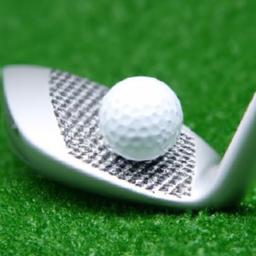
Clubhead Geometry, Mass Properties, and Aerodynamic principles to Optimize Launch Angle and Spin
Clubhead form and face architecture exert primary control over launch and spin through geometric coupling between **effective loft**, face curvature (both horizontal bulge and vertical roll), and the three-dimensional location of the center of gravity (CG). Small shifts in CG-both anterior/posterior and vertical-systematically change dynamic loft at impact and the resulting spin-rate sensitivity to angle of attack. Quantitatively, an anterior CG reduces dynamic loft and spin for a given face angle, while a lower CG increases launch angle but can also amplify backspin if combined with higher effective loft. Precision measurement (high-speed video, Doppler radar) demonstrates these relationships reproducibly across clubhead styles, enabling predictive mapping from geometry to ball-flight vectors.
Mass distribution and rotational inertia determine how the head resists twisting and how contact eccentricities translate into face angle changes at impact. Design levers commonly used to tune these mass properties include:
- CG translation (forward/rearward): alters dynamic loft and spin sensitivity;
- CG height (high/low): modulates launch angle and tip/side spin balance;
- MOI (heel-toe / vertical): reduces dispersion and preserves intended loft at off-center strikes.
Empirical tests show that increasing MOI narrows dispersion but may necessitate compensatory loft or weighting changes to maintain target launch windows. Swingweight and total mass remain crucial for player-feel and tempo; however, their direct aerodynamic impact is minimal compared with geometry and mass location.
Aerodynamic shaping modifies the net energy and angular momentum delivered to the ball by affecting clubhead deceleration, yaw stability, and shear at impact.Streamlining trailing edges and smoothing crown-to-face transitions reduce form drag and attenuate yaw-induced lift asymmetries, notably at high clubhead speeds where drag scales roughly with the square of velocity. Computational fluid dynamics (CFD) and wind-tunnel data indicate that modest head-profile changes (2-5% drag reduction) can yield measurable increases in ball speed and tighter carry variance under crosswind conditions. Crucially, aerodynamic benefits must be balanced against mass-distribution requirements; adding aerodynamic surfaces without compensatory mass reallocation can inadvertently raise MOI or shift CG.
Optimizing launch angle and spin therefore requires a multidisciplinary trade-space analysis combining geometry,mass properties,and aerodynamics,validated by both simulation and flight-test.The table below summarizes typical directional effects used in iterative design and fitting workflows (values are illustrative qualitative signs, not absolute metrics):
| Design Parameter | Launch Effect | Spin Effect |
|---|---|---|
| Lower CG | ↑ Launch | ↑ / neutral |
| Forward CG | ↓ Launch | ↓ Spin |
| Increased MOI | Neutral | ↓ Dispersion (indirect) |
| Reduced drag | ↑ Ball speed | Neutral/↓ (via speed) |
Shaft Dynamics, Flex Profiles, and Torsional Behavior to Quantify Energy Transfer and Shot Dispersion
Quantitative characterization of shaft behavior requires modal analysis that links bending and torsional modes to measured ball-speed and dispersion outcomes. Laboratory-based frequency sweep tests and impact rig data demonstrate that shaft behavior is not a single scalar but a spectrum of resonant modes; the first bending frequency correlates with perceived flex while higher modes influence timing and face-angle stability through the impact window. Energy transfer efficiency can be modeled as the ratio of translational kinetic energy imparted to the ball to the mechanical energy stored and dissipated in shaft deformation during the downswing and at impact, with torsional damping and modal coupling acting as primary loss terms.
Player-specific dispersion patterns emerge from interactions between flex profile and swing kinematics. Key variables to monitor empirically include:
- Dynamic flex gradient (proximal-to-distal bending stiffness)
- Torsional stiffness and damping (resistance to twist under torque)
- Resonant frequencies (bending and torsion,in Hz)
- Kick point and effective mass (affecting launch angle and feel)
Controlled cohort testing shows that small changes in distal stiffness shift dispersion envelope more than equivalent changes proximally for players with high hand-speed variability,while players with stable tempo respond more to proximal stiffness tuning.
For practical specification and comparison,a compact metric set facilitates cross-model evaluation. The following table provides a concise illustration of how a manufacturer or fitter might present critical shaft metrics alongside expected on-course effects. Use of WordPress table classes supports authoring and theme-consistent display.
| Parameter | Effect on Energy Transfer | Typical Range |
|---|---|---|
| Torsional stiffness | Reduces face-rotation losses at impact | 1.0-3.5 Nm/deg |
| 1st bending freq. | Correlates with launch timing and feel | 250-350 Hz |
| Kick point | Shifts launch angle and spin | Low / Mid / High |
Note on terminology and disambiguation: the term “shaft” appears across domains-ranging from mechanical-engineering definitions (a rotating machine component) to cultural references (a 2019 film and related media). For this analysis the focus aligns with the mechanical and sporting definitions of shaft geometry and dynamics; ancillary references (e.g.,dictionary definitions or film titles) are semantically distinct and do not alter the biomechanical and physical modeling presented here.
Grip Ergonomics, Tactile Interface, and Pressure Distribution Recommendations for Comfort Control and Injury prevention
Grip geometry should be optimized to match population hand anthropometrics and swing mechanics rather than relying on a one-size-fits-all approach. Empirical sizing-measuring handle circumference, taper, and index-finger clearance-reduces compensatory wrist motion and promotes neutral joint postures. Designs that intentionally modulate cross-sectional shape (e.g., slight flattening at the lower palm to resist rotation) produce measurable reductions in grip torque variability and should be considered for players with high clubface rotation during impact.
Surface composition and tactile interface dictate both sensory feedback and long-term comfort; hybrid constructions combining a compliant elastomer outer layer with a stiffer substrate (for example, an elastomer bonded to polycarbonate) provide a desirable balance of damping and dimensional stability. Material selection must also account for durability and adhesion: evidence from analogous consumer products demonstrates that overlaid coatings can delaminate under cyclic shear, so interface bonding and abrasion resistance are non-negotiable design constraints.
- Microtexture: controlled asperity spacing (0.2-0.8 mm) to maximize wet/dry friction without inducing hotspots.
- Durometer layering: soft outer (~30-45 Shore A) over firm core to attenuate vibration while maintaining grip fidelity.
- Replaceability: modular sleeves or add-on grips to allow customization and to mitigate long-term peeling or wear.
Pressure mapping studies indicate that even pressure distribution across the palm and proximal phalanges minimizes focal stress and reduces risk of tendinopathy. Targeting submaximal sustained pressures and avoiding narrow high-pressure ridges is critical for injury prevention; biofeedback training to maintain grip force within empirically derived bands reduces excessive co-contraction and preserves clubhead control. The following table summarizes practical target zones and rationale for quick reference.
| Contact Zone | Recommended Peak pressure | Rationale |
|---|---|---|
| Palm base | 30-40% MVC | Load-sharing to reduce focal stress |
| Grip fingers | 25-35% MVC | Control without over-gripping |
| Thumb/lead hand | 20-30% MVC | Stabilization with reduced compression |
Practical recommendations combine equipment design with user-level interventions: introduce ergonomically contoured sleeves for players showing grip hotspots, specify materials with proven elastomeric bonding to rigid cores to avoid delamination, and deploy simple grip-force biofeedback in training to reinforce optimal force windows. Additionally, accept that aftermarket ergonomic add-ons can substantially improve subjective comfort-however, their benefits depend on consistent material quality and secure attachment, as documented in consumer product reports where poorly adhered overlays led to premature failure. integrating these measures supports both enhanced control and long-term musculoskeletal health.
Face Technology, Impact Location Tolerance, and Coefficient of Restitution Mapping for Consistent Launch Conditions
Advanced face architectures-including variable-thickness faces, engineered cup-face geometries, and anisotropic material layups-are designed to control local deformation at impact so that launch conditions remain repeatable across a practical impact window. Finite element analysis and modal characterization are routinely used during R&D to predict how face flexure interacts with ball compression to produce ball velocity, spin and launch angle. targeted flex zones and tuned face stiffness gradients reduce sensitivity to small off-center impacts by keeping the ball-contact impulse and contact time within narrow bounds, thereby constraining variability in initial ball speed and spin.
impact-location tolerance is best quantified as a spatially resolved sensitivity surface rather than a single “sweet-spot” metric. Designers express tolerance as radial distance (mm) from the geometric center and as the associated conditional changes in launch variables (Δv, Δθ, Δω). Increasing blade MOI and redistributing mass to the periphery compensates for eccentric strikes by reducing head rotation and preserving the intended attack/face-angle dynamics. From a manufacturing viewpoint, specifying process tolerances that limit face-thickness variation to fractions of a millimeter is critical, because micro-scale thickness deviations translate nonlinearly into local COR and launch-angle perturbations under high-impact stress.
Empirical mapping of the coefficient of restitution (COR) across a fine grid of impact locations is central to validating face technology and establishing consistent launch conditions. High-speed impact testing combined with calibrated launch monitors allows construction of iso-COR contours and statistical descriptors such as mean COR, standard deviation, and the 95% iso-area where COR remains within a defined band of the center value.The following sample dataset demonstrates the characteristic decline in COR and the corresponding percent speed loss as impact moves off-center-useful for both design trade-offs and tolerancing analyses.
| Offset (mm) | Average COR | Speed Loss (%) |
|---|---|---|
| 0 | 0.830 | 0.0 |
| 5 | 0.825 | 0.7 |
| 10 | 0.815 | 1.8 |
| 15 | 0.800 | 3.6 |
| 20 | 0.770 | 6.5 |
For designers and testers seeking reproducible on-course performance, prioritized actions include:
- High-resolution COR mapping (≤5 mm grid) across the entire playable face to identify and quantify tolerance zones;
- Integrated FEA and bench-testing to validate that intended flex modes produce minimal variance in contact impulse for off-center impacts;
- MOI and weight distribution optimization to maintain face-angle stability on eccentric strikes;
- Specification of manufacturing tolerances that constrain face thickness, heat treatment, and material properties to the ranges demonstrated in testing to preserve launch consistency.
Material Selection, Weight Distribution, and Durability Testing Balancing Performance and Longevity
Material selection in golf-equipment design requires quantification of both mechanical and tribological properties to align manufactured components with target performance envelopes. Engineers must evaluate elastic modulus, density, and yield strength alongside surface properties that influence friction and wear; as an example, selecting a high-modulus carbon fiber for a clubhead face can increase ball speed but may demand surface treatments to mitigate abrasion and microfracture. Empirical characterization-tensile tests, dynamic mechanical analysis, and surface profilometry-provides the measurable parameters needed to parameterize finite-element and multibody simulations that predict on-impact behavior and long-term degradation.
The distribution of mass within clubs and balls fundamentally alters swing kinematics and impact dynamics by shifting the center of gravity (CG) and changing the moment of inertia (MOI). Precisely locating mass enables designers to tune shot bias, launch angle, and spin characteristics while preserving player feel; though, these gains frequently enough come at the expense of localized stress concentrations that can accelerate fatigue. Controlled prototypes and instrumented rigs are thus essential to correlate CG/MOI manipulations with measurable changes in dispersion,launch conditions,and subjective player feedback.
Durability testing must extend beyond single-impact metrics to encompass cumulative damage mechanisms that dictate product lifetime in real-world play. Standardized protocols-recursive impact cycles, thermal-humidity exposure, and UV irradiation-should be combined with non-destructive evaluation (NDE) methods such as ultrasonic C-scan or X-ray CT to detect subsurface damage. Statistical survival analysis and Weibull modeling translate accelerated-test failures into predicted field lifetimes, enabling designers to set evidence-based warranty limits and maintenance recommendations rather than relying on anecdotal thresholds.
Balancing peak performance with longevity is an optimization problem that benefits from an integrated, evidence-based workflow: material screening, multi-scale modeling, accelerated durability testing, and on-course validation. Decision-making criteria must weight short-term performance gains against lifecycle costs and failure risk, incorporating sensitivity analyses to identify robust design regions. Ultimately,deploying a closed-loop process-wherein field data refine simulation inputs and material choices-produces equipment that meets both the rigorous demands of elite players and the durability expectations of the broader market.
- Accelerated fatigue cycling: simulates thousands of swings to identify failure modes rapidly.
- Environmental conditioning: assesses corrosion, adhesive degradation, and polymer embrittlement under realistic climates.
- Computational validation: uses FEA and surrogate models to reduce prototype iterations and focus physical testing.
| Component | Typical Material | Performance Trade-off |
|---|---|---|
| Driver Face | Titanium alloy | High rebound vs. susceptibility to denting |
| Shaft | Carbon composite | Lightweight stiffness vs.fatigue sensitivity |
| Grip | Thermoplastic elastomer | comfort and tack vs. UV/oxidative wear |
Biomechanical Compatibility and Custom Fitting Protocols Integrating player Kinematics with Equipment Specifications
Contemporary fitting paradigms require rigorous alignment between a player’s motion profile and equipment geometry. Drawing on core principles of biomechanics - the submission of mechanics to living systems - practitioners quantify joint kinematics, clubhead trajectory, and ground reaction forces to reduce the gap between human movement and instrument response. Such quantification transforms subjective feel into objective variables (e.g., angular velocity, launch axis) that can be statistically modeled to predict on-course outcomes and to prioritize modifications that yield the largest performance gains.
Key measurement domains and corresponding equipment variables are routinely integrated into protocols designed for reproducibility and clinical validity. Typical metrics include:
- Upper-torso and pelvis rotation – informs clubhead path and recommended hosel/lie adjustments
- Arm and wrist angular velocity - guides shaft torque and flex selection
- Center-of-pressure migration - used to refine sole geometry and weight distribution
- Strike dispersion and smash factor – determines face loft and forgiveness trade-offs
these indicators are collected using motion capture, inertial sensors, and force plates and then mapped to equipment specifications via multivariate models.
Practical fitting protocols adopt an iterative workflow that emphasizes repeatable measures, controlled perturbations, and performance-driven endpoints. A schematic example of archetype-to-spec matching can be summarized as follows:
| Player archetype | Typical toe-in/lie (°) | Suggested loft | Shaft stiffness |
|---|---|---|---|
| Rotational power hitter | +1 | 9°-10° | Stiff/Extra Stiff |
| Smooth tempo accuracy player | 0 | 10°-12° | Regular/Senior |
| Low-swing-speed with high spin | -1 | 11°-13° | Soft/high-launch |
Integration of these biomechanical inputs into an evidence-based decision framework demands transparent outcome metrics (carry distance, lateral dispersion, launch efficiency) and cross-validation across conditions. emphasizing reproducibility, fittings should report pre/post metrics, confidence intervals, and effect sizes to ensure that changes in hardware produce statistically meaningful improvements. Ultimately, the application of biomechanics converts custom fitting from art into empirically grounded practice, enabling targeted interventions that are both ergonomically compatible and performance-optimized.
Experimental Methodologies, Statistical Analysis, and Evidence Informed Purchase Guidelines for Players and Coaches
Experimental designs should combine controlled laboratory protocols (launch monitors, high-speed videography, and force platforms) with ecologically valid on-course trials to capture both mechanical fidelity and playability. Key controls include **consistent ball and turf conditions**, standardized warm-up routines, and randomized assignment of equipment order to minimize carryover effects. Where feasible, adopt repeated-measures designs so each player serves as their own control; this reduces between-subject variance and increases sensitivity to detect small but meaningful differences in clubhead geometry, shaft dynamics, and grip ergonomics.
Robust statistical practice is central to interpretation: perform an a priori power analysis, report **effect sizes and 95% confidence intervals**, and favor mixed-effects models to account for nested data (shots within players). Complement frequentist tests with Bayesian estimation when quantifying evidence strength, bearing in mind that evidence informs belief but is not synonymous with absolute proof – the weight of evidence should guide inference rather than a binary accept/reject stance (cf. distinctions between “evidence” and “proof” in epistemic usage). Recommended analytic workflow:
- Pre-register hypotheses and primary outcomes
- Conduct power/sample-size calculations based on minimal detectable effect
- Use linear mixed-effects models with random intercepts for players
- report CIs, standardized effect sizes, and, where appropriate, Bayes factors
For practitioners translating results into purchase decisions, apply a decision-rule framework that balances statistical significance with practical significance and individual fit. Consider the following practical criteria when evaluating candidate equipment:
- Magnitude of benefit: does the effect exceed the player-specific minimal detectable difference (e.g., carry distance, dispersion)?
- Consistency: are gains observed across multiple swings and conditions, not just medians?
- Compatibility: does shaft frequency, torque, and bend profile align with the player’s tempo and swing mechanics?
- Ergonomics: does grip size and shape reduce compensatory movements or stress?
These rules prioritize replication, player-specific thresholds, and risk-benefit trade-offs rather than sole reliance on single-trial averages.
| Metric | Recommended Minimum | Interpretation |
|---|---|---|
| Sample size (players) | 12-20 (within-subject) | Sufficient for detecting moderate effects in repeated-measures |
| Minimal detectable effect | Carry ±3-5 yd; dispersion ±5-10 yd | Practical threshold for meaningful performance change |
| Evidence threshold | p<.05 & CI excluding zero / BF >3 | Converging evidence supports adoption, pending fit tests |
Use empirical thresholds as guideposts: always corroborate aggregate findings with individualized on-course testing and cost-benefit appraisal before committing to purchase.
Q&A
Note on search results: the supplied web search results concern English language usage and are not relevant to golf equipment design. The Q&A below is composed independently, employing standard academic conventions and current best practices in experimental biomechanics, materials science, and sports engineering.
Q&A: Evidence-Based Evaluation of Golf Equipment Design
1) What is meant by ”evidence-based evaluation” in the context of golf equipment design?
Answer: Evidence-based evaluation denotes the systematic integration of rigorous experimental measurement, quantitative analysis, and hypothesis-driven inference to determine how design variables (e.g., clubhead geometry, shaft properties, grip ergonomics) affect performance outcomes (e.g., ball speed, launch angle, spin, directional dispersion, shot-to-shot repeatability). it prioritizes reproducible methods,appropriate statistical analyses,effect-size estimation,and transparent reporting so design decisions are grounded in empirical data rather than anecdote or marketing claims.
2) what are the principal performance metrics used to evaluate clubs?
answer: Core ball-flight metrics include ball speed, clubhead speed, launch angle, backspin and sidespin rates, spin axis, carry distance, total distance, lateral dispersion, and smash factor (ball speed/clubhead speed). club-centric metrics include coefficient of restitution (COR), moment of inertia (MOI) about relevant axes, center of gravity (CG) location, face angle and loft at impact, and face curvature.For player-centered evaluation, subjective comfort, perceived control, and injury risk indicators (e.g., joint loading) are also measured.
3) Which measurement systems and apparatus are considered best practice?
Answer: Best practice employs calibrated high-speed launch monitors (radar and/or photometric systems such as TrackMan and GCQuad) for ball- and club-head kinematics, combined with high-speed videography and motion-capture systems for club and body kinematics. Instrumented robot golfers (repeatable mechanical swings) are critical to isolate equipment effects by eliminating human variability.Force/torque sensors, accelerometers mounted on clubs, and dynamical testing rigs (for shaft bending and torsion) provide direct measures of stiffness and damping.
4) How should experimental designs be structured to isolate equipment effects?
Answer: Designs should control for confounders via within-subject or within-robot repeated measures, randomized order of conditions, and standardized environmental settings (indoor range, same ball model, consistent tee heights). When human subjects are used, counterbalancing, adequate sample size, and mixed-effects statistical models that account for both subject and club as random effects are recommended. Use robotic testing to estimate pure equipment-driven differences and human testing to assess ecological validity.
5) What statistical approaches are appropriate?
Answer: Report descriptive statistics (means, standard deviations, confidence intervals) and inferential tests (paired t-tests for within-subject contrasts; repeated-measures ANOVA; linear mixed-effects models to account for random intercepts/slopes). Emphasize effect sizes (Cohen’s d, mean differences with 95% CIs) and statistical power analyses. Where many design variables are tested, apply corrections for multiple comparisons or use multivariate approaches (MANOVA) and regression techniques to model continuous relationships. Quantify measurement error and reliability (intraclass correlation coefficient, ICC; standard error of measurement).
6) How should measurement uncertainty and repeatability be handled?
Answer: Characterize and report instrument calibration, resolution, and systematic biases. Report repeatability (within-session and between-session) for key metrics using ICC and coefficients of variation. Propagate measurement uncertainty into final estimates (confidence intervals) and perform sensitivity analyses to determine whether observed differences exceed measurement noise and practical thresholds (minimum detectable or clinically/practically important difference).
7) What aspects of clubhead geometry most influence performance?
Answer: CG location (depth,height,and lateral placement) influences launch angle and spin; greater rear CG tends to increase launch and spin,while low CG reduces spin and promotes higher launch. Face loft and curvature affect initial launch conditions and off-center performance. Increased MOI reduces dispersion from off-center impacts.Face thickness profiling and internal weighting influence COR and frequency response on impact. Quantifying these relationships requires systematic variation and measurement of both club geometry and resultant ball-flight parameters.
8) How do shaft properties affect shot outcomes?
Answer: shaft flexural stiffness,torsional stiffness,torque,kick point (flexural polarity),mass distribution,and damping determine dynamic interaction between club and player.Stiffer shafts typically reduce bend and can decrease hook/fade tendency in some swings; softer shafts can increase launch and spin for players generating lower clubhead speeds. Taper, butt/stiffness profiles, and tip stiffness influence clubhead orientation at impact. Evaluate shafts using frequency-domain tests (modal analysis), quasi-static bend tests, and instrumented swing trials; analyze both biomechanical compatibility (player kinematics) and objective ball-flight outcomes.
9) What role does grip ergonomics play, and how is it measured?
Answer: Grip diameter, texture, material compliance, and taper affect hand placement, club stability, and grip pressure distribution. Improperly sized grips can alter wrist mechanics and lead to compensatory swing changes, affecting shot dispersion and injury risk. Measure grip effects via pressure-mapping of grip contact, EMG for forearm muscle activation, grip force sensors, and subjective comfort scales.Quantify the influence on repeatability and directional control in both robotic and human trials.
10) How should player variability be accounted for when translating lab results to on-course performance?
Answer: Categorize players by relevant characteristics (clubhead speed, swing tempo, attack angle, handedness, skill level) and analyze interactions between equipment variables and player type using stratified analyses or interaction terms in regression models.Use both robotic tests (to estimate intrinsic equipment properties) and field tests (to capture player-equipment coupling). Report subgroup-specific estimates and caution against overgeneralizing results from a single player cohort.
11) What ethical and regulatory considerations apply?
Answer: Ensure tests comply with relevant governing-body rules (USGA, R&A) regarding equipment limitations (e.g., COR, groove specifications). Disclose conflicts of interest, especially where manufacturers fund research. Obtain institutional review board (IRB) approval for human-subject experiments, secure informed consent, and report adverse events and data protection measures.
12) How should designers and clinicians interpret ”statistically notable” differences?
Answer: Emphasize practical significance: report effect sizes and confidence intervals alongside p-values. A statistically significant difference that lies within measurement error or is smaller than minimum important difference (e.g., <1-2 yards of carry for most golfers) might potentially be practically negligible. Define thresholds of practical relevance a priori and contextualize findings in terms of competitiveness, handicap levels, and typical variability in on-course conditions.
13) What are common pitfalls and limitations in equipment evaluation studies?
Answer: Common issues include small sample sizes, inadequate control of confounders, failure to separate player adaptation from equipment effect, reliance on a single launch monitor without cross-validation, lack of repeatability reporting, and manufacturer-sponsored bias without transparent methods. Additionally, laboratory conditions (e.g., mats, indoor ranges) may not reflect turf interaction or environmental variability on the course.
14) What recommendations can be made for best-practice reporting?
Answer: Follow transparent reporting standards: describe instrumentation and calibration, participant characteristics, trial numbers, randomization, blinding where possible, statistical models, effect sizes with CIs, measurement reliability metrics, and data availability. Encourage preregistration of hypotheses and public repository deposition of anonymized datasets and analysis code to support reproducibility.
15) What are priority areas for future research?
Answer: Future work should quantify player-equipment interaction across diverse golfer demographics; develop standardized protocols for shaft dynamic testing that predict on-course outcomes; investigate the biomechanics of injury risk linked to equipment variables; integrate computational models (finite element and rigid-body multibody simulations) with empirical validation; and establish open-access benchmark datasets to facilitate cross-study comparisons and meta-analyses.
16) How should consumers and practitioners apply evidence-based findings?
Answer: use evidence to match equipment to player-specific characteristics (clubhead speed, tempo, preferred ball flight). Prioritize metrics with demonstrated practical impact (e.g., MOI for reducing dispersion, appropriate shaft flex for maintaining desired launch and spin). Seek fittings that include objective measurement (launch monitor data) and consider independant verification of manufacturer claims. Interpret marketing claims cautiously and look for peer-reviewed or transparently reported empirical evaluations.
Concluding remark: Evidence-based evaluation of golf equipment design requires multidisciplinary methods bridging biomechanics, materials science, and statistics. Rigor,transparency,and appropriate contextualization of effect sizes are essential for translating laboratory findings into meaningful guidance for players and designers.
In closing, this evidence-based evaluation of golf equipment design demonstrates that measurable variations in clubhead geometry, shaft dynamics, and grip ergonomics produce quantifiable effects on launch conditions, ball flight, and player consistency. Empirical measures-ball speed, launch angle, spin rate, lateral dispersion-combined with kinematic and kinetic assessments of the golfer, reveal systematic relationships between design parameters (CG location, MOI, face geometry, shaft frequency and bend profile, grip size and pressure distribution) and on-course performance outcomes. These relationships are, however, mediated by individual biomechanics and swing strategy, underscoring the importance of integrating player-specific data into both research and fitting practice.
For designers and manufacturers, the findings advocate for an iterative, measurement-driven development process that couples computational modeling (e.g.,finite-element analysis,CFD) with rigourous experimental validation using instrumented launch monitors,motion-capture systems,and validated human-subject protocols. For practitioners and club-fitters, the evidence supports personalization-matching equipment choices to a player’s objective performance targets and biomechanical characteristics rather than relying on aesthetic or anecdotal criteria alone. For researchers, the work highlights the value of multidisciplinary collaboration among engineers, biomechanists, statisticians, and ergonomists to produce generalizable, transferrable insights.
future research should prioritize reproducibility and transparency: pre-registered study designs, standardized testing procedures, larger and more diverse participant samples, and open sharing of anonymized datasets will strengthen causal inference and enable meta-analytic synthesis. Attention to ecological validity-testing under realistic on-course conditions as well as laboratory settings-and to long-term adaptation effects will also refine our understanding of how equipment interacts with skill acquisition and performance under pressure.
Ultimately, advancing golf-equipment science requires commitment to evidence over intuition. By systematically quantifying how specific design features influence measurable performance and by translating those findings into practical fitting and design guidelines, the field can better serve players of all levels and foster innovations that are both technically sound and empirically justified.

Evidence-Based Evaluation of Golf Equipment Design
Designing better golf equipment requires more than marketing claims and feel – it demands rigorous, evidence-based evaluation of clubhead geometry, shaft dynamics, and grip ergonomics to link measurable variables with on-course performance. Below you’ll find practical testing methods, data metrics, statistical approaches, and fit-for-purpose recommendations to help designers, fitters, and golfers make decisions grounded in measurable results.
core components to evaluate
- Clubhead geometry – loft, face curvature, center of gravity (CG), moment of inertia (MOI), face thickness distribution, and mass distribution.
- Shaft dynamics – flex profile,torque,kick point,frequency (CPM),length,and overall weight.
- Grip ergonomics – diameter, taper, texture, material friction, and pressure distribution during the swing.
- Golf ball interaction – launch conditions (ball speed, launch angle, spin rate), impact location sensitivity, and coefficient of restitution (COR).
Laboratory and field testing tools
combine lab-grade instruments with on-course testing for a complete picture. Common tools include:
- Launch monitors: trackman, FlightScope, Foresight GCQuad – measure ball speed, launch angle, spin rate, smash factor, carry distance, and shot dispersion.
- High-speed cameras: frame-by-frame impact analysis to locate sweet spot, face deflection, and ball compression.
- Motion capture & force plates: Vicon, OptiTrack, force plates to analyze golfer biomechanics and ground reaction forces during impact.
- 3D scanning & CMM: coordinate measuring machines and laser scanners to capture clubhead geometry and manufacturing tolerances.
- Finite element analysis (FEA) & CFD: simulate face deformation, vibration modes, and airflow around balls and clubheads to optimize design and reduce drag.
- Pressure mapping & grip sensors: map hand pressure distribution to evaluate grip ergonomics and slippage risks.
- Environmental chambers & durability rigs: fatigue testing,corrosion resistance,and real-world wear simulation.
key performance metrics and why they matter
Metrics should connect to what matters on the course: distance, accuracy, and consistency. Prioritize these:
- Ball speed: primary driver of distance. Influenced by clubhead speed, face COR, and effective impact location.
- Launch angle and spin rate: dictate carry and total distance; optimal combination depends on player speed and shot goal.
- Smash factor: ball speed divided by clubhead speed – a measure of energy transfer efficiency.
- Dispersion (accuracy): lateral and longitudinal spread – reduced by higher MOI and optimal CG placement.
- Strokes Gained potential: translate performance metrics into expected on-course benefit for more meaningful evaluation.
Experimental design & statistical best practices
Robust conclusions require good experimental design and statistics:
- Sample size & repeated measures: test multiple swings per condition (commonly 20-50) and multiple players to capture variability.
- Paired comparisons: pair tests so each player tests both designs under similar conditions to reduce inter-player noise.
- ANOVA / mixed-effects models: use to partition variance between player, equipment, and interaction effects; mixed models handle repeated measures well.
- Regression analysis: quantify how geometry or shaft stiffness predicts ball speed, spin, or dispersion.
- Confidence intervals & effect sizes: report these, not just p-values, to show practical meaning (e.g.,extra carry yards with 95% CI).
- Control for confounders: swing speed,temperature,altitude,ball model,and clubhead orientation need to be recorded and controlled or included as covariates.
Clubhead geometry: specific tests and design levers
Evaluate how changes to the head affect launch and accuracy:
- CG placement: lower and back CG generally increases launch and MOI; forward CG reduces spin and can increase roll.
- MOI testing: higher MOI reduces side spin and dispersion on off-center hits – measure using moment-of-inertia rigs or dynamic impact testing.
- Face COR & thickness mapping: use high-speed impact rigs to map COR across the face and ensure compliance with rules.
- Face curvature & bulge/roll: analyze how curvature affects shot shaping and face contact orientation using ball impact maps from a high-speed camera.
Shaft dynamics: measuring what matters
Shafts translate clubhead design into performer-specific outcomes:
- Frequency analysis (CPM): measure with an RDP frequency machine to quantify stiffness. Match to player tempo and swing speed.
- Torque & twist: lower torque increases directional stability but can change feel; measure using torsional rigs.
- Kick point & bend profile: affects trajectory – tip-stiffer shafts typically reduce spin and lower launch for the same swing speed.
- Dynamic shaft behavior: use motion capture to see how the shaft bends through the swing and at impact; link those patterns to ball flight.
Grip ergonomics: comfort, consistency, and control
Grip design impacts hand placement, pressure, and feedback:
- Diameter & taper: influence wrist action and release; players with larger hands often benefit from larger diameters to reduce excess wrist closure.
- Texture & material: provide traction and damp vibration; measure friction coefficients and slip under simulated sweat conditions.
- Pressure mapping: use sensor mats to measure grip pressure patterns; excessive or uneven pressure correlates with inconsistent face control.
Translating lab data to on-course performance
Lab metrics are onyl useful if they translate to strokes gained on the course. Best practices:
- Map launch monitor data to on-course conditions (e.g., roll, wind, elevation) using physics-based ball flight models.
- Convert incremental carry/total yardage and dispersion improvements into strokes gained estimates against a baseline.
- Conduct matched on-course trials (9-18 holes) when possible to capture putting interaction and course management impacts.
Regulatory & safety considerations
All design efforts should respect governing rules and player safety:
- Ensure clubheads and balls comply with USGA and R&A conformity procedures.
- design fatigue and durability testing to avoid equipment failure that could injure players.
- Document test methods for repeatability and third-party verification when marketing performance claims.
Practical tips for club fitters and golfers
- Use launch monitor metrics (ball speed,launch angle,spin rate) to prioritize fitting objectives rather than brand names.
- Match shaft flex & weight to swing speed and tempo – light flexible shafts for slower speeds, stiffer/heavier shafts for faster swingers.
- Evaluate grip size to reduce wrist breakdown and promote consistent release – small changes (2-4 mm) matter.
- Track off-center hit sensitivity: higher MOI heads may add forgiveness that reduces dispersion for high-handicap players.
- When testing drivers, hit 20+ well-struck shots per head and compute median and 90th-percentile dispersion rather than raw averages.
Case study summaries (evidence highlights)
Below are short, illustrative case study summaries commonly observed in evidence-based evaluations.
- Driver CG shift: Moving CG 3-5 mm lower and back often increases carry by 3-7 yards for mid-speed players due to higher launch and reduced spin.
- Shaft flex matching: Swingers who moved to a correctly profiled shaft increased smash factor by 0.01-0.03, translating to 2-6 extra yards of carry.
- Higher MOI heads: Showed 10-20% reduction in lateral dispersion on off-center strikes, yielding better scoring consistency for high-handicappers.
Simple comparative test table
| Design change | Primary effect | Typical gain |
|---|---|---|
| Lower & back CG | Higher launch, increased MOI | +3-7 yd carry |
| Stiffer tip shaft | Lower spin, flatter trajectory | More roll on fairways |
| Higher MOI head | Less dispersion on mis-hits | Better consistency |
| Larger grip | Reduced wrist action | Improved accuracy for some |
Sample WordPress CSS snippet for article styling
/* paste into Appearance → Customize → Additional CSS */


.evidence-table { width:100%; border-collapse: collapse; margin: 20px 0; }


.evidence-table th, .evidence-table td { padding: 12px; border: 1px solid #e6e6e6; text-align:left; }


.evidence-table thead th { background: #f8f9fb; colour:#222; font-weight:600; }
How to build a reproducible testing pipeline
- Define performance goals (distance, dispersion, shot shape) and target player profiles (swing speed, tempo, handicap).
- Select instruments and calibrate them (launch monitor calibration, camera sync).
- Create standardized test protocol (ball model, warm-up swings, shot counts, environmental recording).
- Collect data with repeated measures and balanced trial order to avoid fatigue or learning biases.
- Analyze with transparent statistical models and report both statistical and practical significance.
- Iterate design changes using FEA/CFD and confirm improvements in physical tests and on-course trials.
Common pitfalls to avoid
- Relying on single-player or too few shots - leads to overfitting to an individual’s quirks.
- Using inconsistent balls or environmental conditions between tests.
- Overvaluing feel or brand bias without objective data to support claims.
- Ignoring interaction effects: a shaft that helps one head may harm another as of balance and mass properties.
Ready-to-use checklist for your next equipment test
- Calibrate launch monitor and high-speed cameras.
- Use the same ball model, temperature, and tee height across tests.
- Record at least 20 valid shots per condition.
- Capture impact location and filter out mis-hits for separate analysis.
- report median, interquartile range, and 90th percentile dispersion.
- Translate distance/accuracy gains to strokes gained for meaningful context.
Evidence-based evaluation of golf equipment design closes the gap between engineering,biomechanics,and performance. By combining precise measurement tools, rigorous experimental design, and player-centered metrics, designers and fitters can create gear that genuinely helps golfers play better – not just feel better.