

Contemporary competitive and recreational golf places multifaceted demands on the musculoskeletal and neuromotor systems, requiring precise interplay between rotational power, segmental sequencing, postural stability, and endurance across repeated swings and rounds. Recent advances in biomechanical analysis, physiological testing, and sports science have clarified the specific physical qualities-rotational mobility, lumbopelvic control, eccentric-concentric strength, and rate of force development-that underpin clubhead speed, shot dispersion, and injury risk. Consequently, training approaches grounded in empirical evidence rather than tradition are essential for meaningful and reproducible performance gains.
Evidence-based golf-specific fitness integrates objective assessment, targeted intervention, and systematic monitoring. Validated assessment tools (e.g., three-dimensional motion analysis, force-velocity profiling, clinician-administered mobility and motor-control screens) enable identification of individual constraints on swing mechanics and transfer potential. Intervention strategies informed by the literature emphasize integrated strength and power development, sport-specific mobility and motor-patterning, progressive overload and periodization tailored to competitive calendars, and prehabilitation to mitigate common injuries to the lumbar spine, shoulder, and hip. measurement of transfer-using clubhead and ball-speed metrics, launch conditions, and consistency indices-provides the empirical link between training adaptations and on-course outcomes.
The following review synthesizes current empirical findings and translates them into a pragmatic framework for practitioners and researchers. It outlines best-practice assessment protocols, prescribes evidence-aligned training modalities and progressions, discusses monitoring and load-management strategies to balance adaptation with injury prevention, and highlights gaps in the literature where targeted investigation could enhance precision in programming. By privileging measurable outcomes and mechanistic understanding, this approach seeks to optimize the efficacy and safety of golf-specific fitness interventions across skill levels.
Principles of Evidence-Based Assessment for Golf Performance
Assessment frameworks for golf-specific conditioning should be grounded in the scientific triad of **validity**, **reliability**, and **clinical utility**. Tests must measure constructs that map directly to swing demands (rotational power, deceleration capacity, postural control) and produce repeatable scores so change can be interpreted confidently. An evidence-led approach favors hypothesis-driven battery selection: define the performance or injury question, choose tests that target that question, and pre-specify decision thresholds and re-assessment intervals to minimize bias and enhance interpretability.
Comprehensive evaluation spans multiple domains and measurement modalities, combining laboratory-grade instrumentation with field-feasible tests. Typical domains include:
- Biomechanical output – 3D kinematics, clubhead speed, ball launch metrics;
- Physical capacity - rotational strength, single-leg stability, rate of force development;
- Movement quality – task-based screens identifying compensatory patterns;
- Patient-reported and on-course outcomes – pain, functional limitations, scoring trends.
Selection should weigh precision against practicality so that monitoring is lasting across training and competition cycles.
| Assessment Domain | Example Metric | Primary Purpose |
|---|---|---|
| Rotational Power | Axial velocity (deg/s) | Predict swing speed and transfer efficiency |
| Lower-limb Force | Single-leg jump impulse | Assess drive and stability for weight shift |
| Movement Screening | Golf-specific lunge pattern | Identify compensatory mechanics |
Standardization of protocols, documentation of measurement error (e.g., ICC, SEM), and use of minimal detectable change (MDC) values are essential so that observed differences reflect true adaptations rather than noise.
Translating assessment into practice requires clear pathways: prioritized deficits inform targeted interventions, progress is tracked against individual baselines and relevant norms, and thresholds trigger modification of load or technique work. emphasize iterative cycles of testing, targeted training, and re-evaluation to validate effectiveness. uphold ethical standards in reporting and data sharing, and foster **clinician-athlete collaboration** so that objective findings guide safe, evidence-aligned progression and performance optimization.

Biomechanical Determinants of the Golf Swing and Practical Training Applications
Contemporary biomechanical analyses emphasize the primacy of a coordinated, proximal-to-distal kinematic sequence and efficient transfer of angular momentum for producing maximal clubhead velocity with minimal energy waste. High-level golfers typically exhibit a clear temporal ordering: pelvis rotation precedes thorax rotation, which in turn precedes arm and club release, producing progressive increases in segmental angular velocity. Equally crucial are **ground reaction forces (GRF)** and the ability to convert vertical and horizontal force vectors into rotational power; deficiencies in force application or timing typically manifest as compensatory swings, reduced distance, and increased joint loading. Quantifying these determinants through motion capture, inertial sensors, or force plates provides objective targets for training and rehabilitation.
Translating biomechanical metrics into training priorities requires selecting measures that are both sensitive to swing mechanics and modifiable through intervention. Key performance indicators include peak trunk angular velocity,pelvis-thorax separation angle,rate of force development (RFD) from the lead leg,and clubhead speed at impact. The table below synthesizes practical metrics and concise training emphases that are evidence-aligned and readily implemented in a coaching environment.
| Metric | Desired Outcome | Training Focus |
|---|---|---|
| Pelvis-Thorax Separation | Optimal 30°-50° (individualized) | Rotational mobility + eccentrically timed trunk control |
| Trunk Angular Velocity | High peak with smooth decay | rotational power drills; med ball throws |
| Lead-Leg RFD / GRF | Rapid load acceptance & recoil | Balance/plyometric progressions; single-leg strength |
Practical interventions should integrate neuromuscular training, targeted strength/power development, and mobility work within an evidence-based progression.Recommended modalities include:
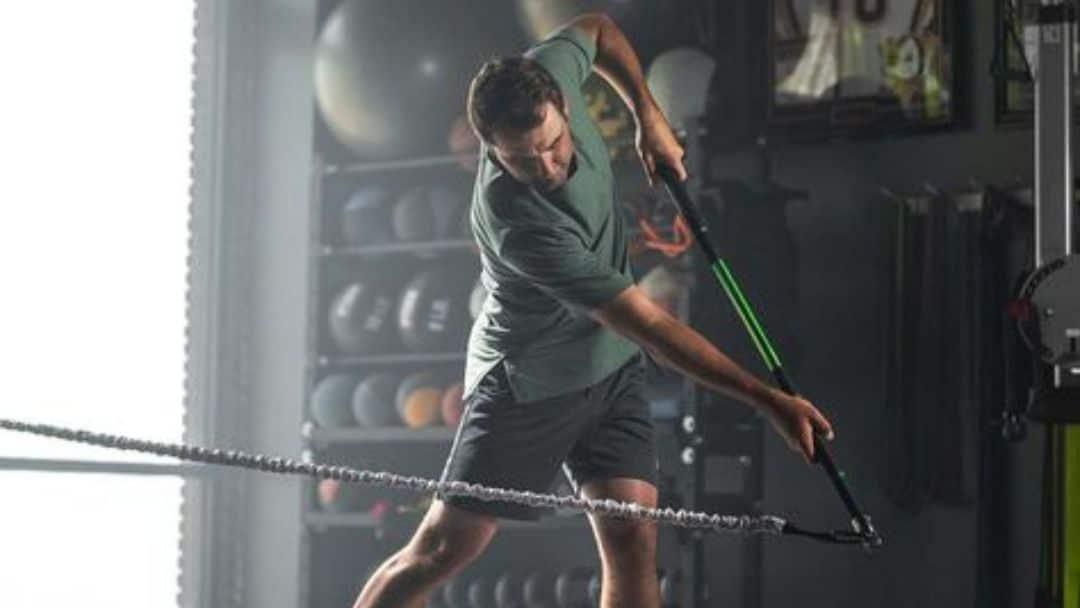
- Rotational power exercises (medicine-ball rotational throws, band-resisted swings) to enhance segmental velocity and stretch-shortening cycle utilization;
- Unilateral strength and stability (single-leg Romanian deadlifts, Bulgarian split squats) to improve lead-leg force acceptance and frontal-plane control;
- Thoracic and hip mobility routines to increase safe separation angles without relying on compensatory lumbar rotation;
- Tempo and sequencing drills (e.g., pause-at-top swings, step-and-hit progressions) to reinforce the proximal-to-distal timing and motor pattern consistency.
Emphasize specificity by integrating these components into on-course or simulated swing repetitions under varied constraints (club types, lie angle, fatigue) to promote transfer.
Injury prevention and long-term athlete development require coupling biomechanical correction with load-management strategies and periodic screening. Screening should include trunk endurance, hip internal/external rotation, lead-knee flexion control, and asymmetry assessment of force production. Progressions must consider tissue capacity: begin with motor-control focused low-load drills, advance to strength-dominant phases, then to power and high-velocity specificity. Use objective monitoring (session RPE,movement-quality scores,sensor-derived swing metrics) to modulate volume and intensity. employ interdisciplinary collaboration-coach, strength & conditioning specialist, and clinician-to reconcile performance goals with joint-protective adaptations that sustain career longevity.
Strength, Power, and Neuromuscular Conditioning for Increased Clubhead Speed
Developing a robust strength base is a prerequisite for meaningful increases in clubhead speed; foundational adaptations in the posterior chain, hip extensors, rotational core, and scapulothoracic stabilizers increase the capacity to generate and transfer force through the kinematic chain. Emphasize multi-joint, loaded movements with progressive overload (e.g., trap bar deadlift, split squats, Romanian deadlifts, loaded anti-rotation chops) to raise maximal force output and eccentric control. Integrating slow, high-load strength phases (2-6 reps, 3-6 sets) across a mesocycle produces architectural and neural changes that permit later velocity-focused work. Prioritize balanced strength development to reduce asymmetry-driven injury risk and to ensure the hips and thorax can tolerate high rotational velocities during the swing.
Power-specific training should shift focus from maximal force to the force-velocity spectrum: rapid force production and rapid transfer of momentum are the determinants of clubhead speed. Use ballistic and plyometric modalities, progressing from bilateral to unilateral and linear to rotational tasks to maximize sport specificity. Examples of high-transfer modalities include:
- Rotational medicine-ball throws (oblique tosses,scoop throws) for segmental sequencing.
- Short, loaded jumps and broad jumps for lower-body triple-extension speed.
- Velocity-based Olympic variations and jump squats to train high-power outputs while monitoring intent.
Neuromuscular conditioning targets rate of force development (RFD), intermuscular coordination, and the central nervous system’s ability to deliver explosive motor commands under golf-specific positions. Employ high-intent,low-fatigue sets (e.g., 3-6 reps) with long inter-set rest when training power, and include reactive and deceleration drills to improve eccentric control during impact-to-follow-through.Objective monitoring (radar-derived clubhead speed, accelerometry, or force-plate RFD metrics) allows data-driven progression and confirms transfer from gym to course. Incorporate contrast methods (heavy/intentional load followed by ballistic action) judiciously to exploit post-activation potentiation while minimizing cumulative CNS fatigue.
Programming must integrate strength, power, and neuromuscular stimuli across macro- and microcycles so that high-intent work aligns with lower technical fatigue and competitive phases. A concise weekly template below illustrates balanced sequencing; individual load and recovery variables should be adjusted based on monitoring data and player training age.
| Session | Primary Focus | Intensity | Sets × Reps |
|---|---|---|---|
| Day 1 | Max Strength | High (85-95% 1RM) | 4 × 3-6 |
| Day 2 | Power/rotation | Moderate-High (velocity focus) | 5 × 3-5 |
| Day 3 | Reactive/Conditioning | Low-Moderate (technique emphasis) | 6-8 × short drills |
Mobility, Stability, and Movement Screening to Minimize Injury Risk
Functional range and joint access are foundational determinants of technique and tissue load in rotational sports. Mobility is not simply the presence of passive range of motion but the ability to express controlled, load-bearing movement across the thorax, hips, shoulders and ankles under dynamic conditions. When deficits occur, compensatory strategies (e.g., early lateral bending, over-rotation of the lumbar spine, or altered sequencing) increase shear and torsional loads on vulnerable structures. Framing assessments around both freedom of movement and task-specific control yields higher ecological validity than isolated goniometry alone.
A concise screening battery should prioritize tests that map directly onto the kinematic demands of the swing and everyday function. Recommended components include:
- Thoracic rotation with dissociation – assesses trunk sequencing capacity
- single-leg balance and hop tests – quantifies unilateral support and shock attenuation
- Hip internal/external rotation and extension – evaluates coil and weight-shift potential
- Shoulder overhead reach and scapular control – screens for clearance and stability during follow-through
- Movement quality under load (e.g., loaded carries, slow med-ball rotations) – reveals control deficits not seen at unloaded speeds
Integrate screening findings into prioritized corrective progressions that follow the hierarchy: restore pain-free range → establish stability in available range → load and speed progression → task-specific transfer. The table below summarizes common screening outcomes and focused interventions using a practical, clinical lens.
| Screen | Typical Deficit | Corrective Focus |
|---|---|---|
| Thoracic rotation test | Restricted axial rotation | Mobility drills + segmental stability |
| Single-leg balance | Medial collapse/poor balance | Hip abductor strength + proprioceptive progressions |
| Shoulder overhead reach | Scapular dyskinesis | Scapular control + rotator cuff endurance |
establish objective retest intervals and referral thresholds to minimize injury risk while optimizing adaptation: retest mobility/stability every 6-12 weeks,monitor asymmetries >10-15% as clinically meaningful,and refer to a specialist when pain persists despite two timely progressive interventions. Emphasize longitudinal monitoring (quality of movement under increasing load and speed) rather than single snapshot scores, and document how corrective gains translate to measurable changes in swing efficiency and tolerance to practice volume.
Applied Periodization and Load Management Across the Golf Season
Contemporary periodization for golf adapts classical principles to the sport’s technical and competitive demands by emphasizing the practical translation of evidence into practice; here, applied denotes the use of scientific knowledge for real-world programming and load control (cf. Cambridge Dictionary: “applied” = relating to a subject of study that has a practical use). season planning is organized around distinct phases-developmental, pre-competition, competitive, and transition-each with explicit objectives for strength, power, rotational control, and on-course rehearsal.The primary aim is to sequence training so that neuromuscular capacities (e.g., eccentric control, rotational velocity) and movement quality peak for priority competitions while minimizing cumulative tissue stress.
Objective monitoring and contextualized subjective assessment form the cornerstone of contemporary load management.Useful metrics include physiological, performance, and exposure indices; practitioners should combine them rather than rely on a single measure. Key indicators commonly tracked are:
- Session-RPE and weekly RPE load – simple, validated proxy for internal load.
- Practice/competition swing counts – external exposure specific to golf mechanics.
- Performance tests (e.g., countermovement jump, medicine ball rotational throw) – markers of neuromuscular readiness.
- Recovery metrics (HRV, sleep, subjective soreness) – inform day-to-day adjustments.
Periodized prescriptions allocate volume and intensity across mesocycles with graded emphasis on hypertrophy/strength, power/transfer, and maintenance/taper. The following compact schematic illustrates a practical allocation strategy for a typical competitive season:
| Phase | Primary Focus | Relative Weekly Load |
|---|---|---|
| Development (Off‑season) | Strength & tissue capacity | High (↑ volume, moderate intensity) |
| Pre‑competition | power transfer & speed‑strength | Moderate (↑ intensity, ↓ volume) |
| Competition | Maintenance & peak performance | Low‑Moderate (tapered volume) |
| Transition | Recovery & movement quality | Low (active rest) |
Translation into practice requires athlete-centered decision rules and conservative safeguards against workload spikes. Adopt simple, evidence-aligned heuristics such as:
- Limit week-to-week external load increases to ~10-15% where possible to reduce injury risk.
- Use planned deload weeks every 3-6 weeks depending on accumulated fatigue and competition calendar.
- Taper by reducing volume while preserving intensity in the 7-10 days before key events to retain neuromuscular qualities.
- Prioritize multi-modal monitoring (objective + subjective) and adjust programming if concordant signals indicate elevated risk.
When systematically applied, these strategies reconcile long‑term development with short‑term performance, optimize transfer from the gym to the swing, and create structured pathways to reduce injury incidence without sacrificing competitive readiness.
motor Learning, Skill Transfer, and Integrating Gym Work into On-Course performance
Contemporary motor-learning theory emphasizes that durable changes in golf skill emerge from practice designs that optimize both acquisition and retention.Empirical principles-such as **specificity of practice**, **contextual interference**, and practice variability-predict that training which closely mirrors the perceptual and action demands of on-course strokes produces superior transfer. Retention tests and delayed transfer assessments should be embedded within intervention studies and applied programs to ensure that observed improvements reflect genuine motor learning rather than transient performance fluctuations driven by novelty or arousal.
Translational strategies frame gym-based work as an enabler of skill execution rather than an end in itself.To maximize transfer, practitioners should prioritize practice constraints that couple strength/power stimuli with task-relevant perceptual facts and movement timing. Consider the following practical prescriptions for designing transferable sessions:
- Representative practice: integrate partial swings, visual targets, and on-course situational cues in strength-endurance circuits.
- Variable practice with structure: alternate conditions (lie, wind, shot shape) to promote adaptable motor solutions while retaining key mechanics.
- Concurrent specificity: time gym interventions proximate to on-course practice to exploit transient neural potentiation and enhance consolidation.
Physiological attributes trained in the gym-rate of force development, intersegmental coordination, and reactive eccentric control-must be expressed within the temporal and kinematic windows of the golf swing to be functionally meaningful. This necessitates velocity-specific loading, ballistic and plyometric progressions, and integrated movement patterns (e.g., med-ball throws, band-resisted rotational chops) that capture the proximal-to-distal sequencing basic to driving and iron play. Equally critically important is managing neuromuscular fatigue: high-intensity gym sessions scheduled too close to technical practice can disrupt motor learning by altering movement solutions and increasing variability beyond beneficial levels.
An implementation framework synthesizes assessment, periodization, and on-course validation. Regular testing (swing-velocity, RFD, movement screens) should inform microcycle emphases; short-term blocks can alternate between power-dominant and control-dominant phases to facilitate consolidation. A pragmatic monitoring set includes subjective readiness, objective GPS/ball-flight metrics, and simple transfer drills that simulate competition constraints. Below is a concise translation table for clinicians and coaches to align gym drills with on-course equivalents and the hypothesized transfer mechanism.
| Gym Drill | on-course Equivalent | Transfer Mechanism |
|---|---|---|
| Med-ball rotational throw | Driver tee shot | Proximal-to-distal power timing |
| Single-leg RDL | Stable weight transfer | Pelvic control, balance under load |
| Band-resisted swing patterns | Iron approach shots | Velocity-specific sequencing |
Objective Monitoring, Outcome Measures, and Individualized Progression Strategies
Adopting a fact-based approach to athlete management requires integration of quantitative monitoring systems that privilege reproducible, objective data over subjective impressions.In this context, the term objective-understood as measurement grounded in observable fact rather than opinion-frames the selection of metrics and technologies. Routine collection of clubhead and ball velocity, ground reaction forces, joint range-of-motion, and physiological markers (heart-rate variability, perceived exertion scaled to measured workload) creates a multidimensional profile that supports both performance enhancement and injury risk mitigation.
Selection of outcome measures should be purposeful, clinically meaningful, and aligned with the golfer’s role and goals. Recommended primary domains include:
- Performance – clubhead speed, ball speed, dispersion metrics;
- Capacity – rotational power, single-leg stability, aerobic and anaerobic thresholds;
- Load tolerance & health – pain-scales, tendon-loading response, HRV patterns.
Complementary tools (e.g., Doppler radar, force plates, inertial sensors, goniometry, standardized fitness tests) permit repeatable comparisons across training blocks.
| Measure | Tool | Monitoring Frequency |
|---|---|---|
| Clubhead & Ball Speed | Radars / Launch Monitor | Weekly during skill blocks |
| Rotational Power | Medicine ball throw / Rotary encoder | Biweekly |
| Load Tolerance | Session RPE + Pain VAS | Every session |
| balance & stability | Single-leg test / force plate | Monthly |
Progression must be individualized and decision rules evidence-informed. Use baseline profiling to set thresholds and apply core principles: specificity to swing demands, progressive overload within tolerable increments, and autoregulatory adjustments based on readiness metrics.Practical rules include:
- Increase training load by ≤10% per week when capacity and performance metrics both trend positively;
- Pause progression and regress intensity if pain VAS increases >2/10 or if HRV indicates sustained autonomic suppression;
- Prioritize movement quality and rotational control over raw load increases when asymmetries exceed normative cut-points.
Embedding these strategies into periodized plans-visualized through dashboards with key performance indicators and reassessed at predefined milestones-ensures transparent, accountable, and scientifically grounded athlete progression.
Q&A
title: Q&A – Evidence-Based Strategies for Golf-Specific Fitness
Style: Academic. Tone: Professional.
1. What does “evidence-based golf-specific fitness” mean?
Evidence-based golf-specific fitness refers to exercise and conditioning practices for golfers that are informed by the best available scientific evidence (biomechanics, exercise physiology, injury prevention research), integrated with clinical expertise and athlete values, and implemented using measurable outcomes (e.g., clubhead speed, ball speed, launch parameters, validated functional tests). The goal is to improve performance (power transfer, swing efficiency, consistency) and reduce injury risk through targeted, test-driven interventions.
2. What are the primary physiological and biomechanical targets for golf-specific conditioning?
Key targets include:
– Rotational power and rate of force development across the trunk and hips.
– Proximal-to-distal sequencing and intersegmental coordination (pelvis → thorax → upper extremity → club).
– Lower-limb force production and capacity to generate ground reaction forces.
– Hip and thoracic mobility to enable optimal swing kinematics.- Lumbopelvic stability and core endurance to control shear and rotational loads.
– Single‑leg balance and force-transmission capacity for stance-phase stability.
3. Which objective assessments are recommended to guide training and track outcomes?
Recommended test battery should be reliable and valid for the constructs of interest and may include:
– Performance metrics: clubhead speed, ball speed, smash factor, carry distance (launch monitor data).- Power/velocity: medicine-ball rotational throw, countermovement jump (CMJ) for lower-body power, lateral or rotational plyometric tests.
– Strength: 1RM or estimated 1RM for major lifts (deadlift, squat, hip hinge patterns), isometric mid-thigh pull where available.
- Mobility: thoracic rotation ROM, hip internal/external rotation, straight-leg raise.
– Stability/balance: single-leg stance time, Y-Balance Test.
– Core/endurance: side plank duration,prone plank endurance.
– Movement screening: sport-specific movement assessment (e.g., golf swing kinematic analysis, or validated industry screens) to identify deficits and asymmetries.
Assessments should be repeated at planned intervals (e.g., baseline, 6-12 weeks, end of mesocycle) to track adaptations.4. What training principles are supported by the evidence for improving golf performance?
Essential principles:
– Specificity: emphasize rotational power, intersegmental sequencing, and force transfer that mirror the swing.
– progressive overload: systematically increase intensity, volume, or complexity to elicit adaptation.
– Periodization: structure training into phases (general readiness, strength/hypertrophy, power/speed, peaking/maintenance) aligned with competition schedules.
- Individualization: tailor programming based on assessment results, injury history, and player goals.
– Multimodal training: combine mobility, strength, power, neural, and conditioning work rather than relying on a single modality.
– Recovery and load management: monitor training loads and recovery to prevent overuse injuries.
5. How should periodization be applied in a golf context?
Apply a periodized macrocycle (season-long plan) subdivided into mesocycles (4-8 weeks) and microcycles (weekly). typical structure:
- Off-season (general preparation): emphasize movement quality, mobility, hypertrophy and corrective work.
- Pre-season (strength and power): increase maximal strength (4-8 weeks) then convert strength to sport-specific power (6-8 weeks) using ballistic and rotational power exercises.
– In-season (maintenance/peaking): reduce volume, prioritize power and swing consistency, integrate on-course practice with maintenance sessions 2-3x/week.
Adjust microcycle loads around competitions and travel. For recreational golfers, compress phases into practical timeframes while preserving progression and recovery.
6. what types of exercises have the strongest rationale for golf performance?
Exercises with strong biomechanical and physiological rationale include:
– Rotational power: medicine-ball rotational throws, standing or kneeling rotational slams, anti-rotation cable chops.
– Hip and glute strengthening: Romanian deadlifts, single-leg Romanian deadlifts, hip thrusts, split squats.
– Lower-body force capacity: loaded squats or variations,trap-bar deadlifts,step-ups.
– Core stability: Pallof press, anti-rotation holds, side plank progressions, loaded carries.
– Plyometrics and ballistic work: rotational medicine-ball throws, lateral and forward hops, loaded jump variations for rate-of-force development.
– Thoracic mobility: thoracic rotations, open-book drills, quadruped extension/rotation.
Exercise selection should progress from controlled strength and mobility work to high-velocity, sport-specific power work.
7.How should strength and power phases be dosed (sets/reps/tempo) for golfers?
General guidelines:
– Strength phase: 3-6 sets of 3-6 repetitions at higher intensities (relative to 1RM) with longer rest (2-4 minutes) emphasizing force production and technique.
– Hypertrophy/structural phase (if needed): 3-4 sets of 6-12 reps with moderate rest (60-120 seconds).
– Power phase: 3-6 sets of 1-6 reps of ballistic/plyometric exercises with maximal intent and long rests (2-4 minutes) to maximize rate-of-force development.
- Rotational medicine-ball throws: 3-6 sets of 4-8 throws focusing on speed and quality.
Adapt prescription to athlete’s training age, experience, and competition schedule.
8. What role does mobility play and which areas should be prioritized?
Mobility is essential to permit optimal swing positions and reduce compensatory stress. Prioritize:
- thoracic spine extension and rotation: supports trunk turn and dissociation.
– Hip internal rotation and extension: enables pelvis rotation and weight transfer.
– Ankle dorsiflexion as needed for lower-limb mechanics.
Mobility training should be active and functional, integrated into warm-ups and corrective sessions, and progressed toward loaded ranges as strength improves.
9. What are practical warm-up routines for golf training and pre-round preparation?
Warm-ups should be dynamic, specific, and brief:
– General activation: 5-8 minutes of light aerobic or dynamic movements.
– Dynamic mobility: thoracic rotations, hip swings, lunge with twist.
– Activation and stability: glute bridges, banded monster walks, short Pallof presses.
– Speed and power prep: 4-6 medicine-ball rotational throws or submaximal swings to prime neuromuscular pathways.
Pre-round warm-ups should emphasize movement quality, gradual ramping of intensity, and rehearsal of swing mechanics.
10. How should rehabilitation and injury prevention be integrated into golf fitness?
Use an integrated model:
– Screen regularly for risk factors (asymmetries,mobility deficits,core endurance deficits).
– Prescribe targeted corrective exercises (glute strengthening, core stabilization, thoracic mobility) early.
– Progress from pain-free range and low-load control toward load-bearing and power-based tasks aligned with swing demands.
– Coordinate with healthcare providers for structured return-to-sport criteria based on objective benchmarks (strength symmetry, pain-free swing replication, functional tests).
11.Which injuries are most common in golfers and what preventive strategies are effective?
Common injuries: low back pain, shoulder impingement/rotator cuff strains, medial epicondylalgia (golfer’s elbow), hip pain, knee strains.
Preventive strategies:
– Strengthen posterior chain (glutes,hamstrings) and core musculature.
– Improve thoracic mobility to reduce compensatory lumbar rotation.- Address swing technique and equipment factors (club length, shaft flex).
– implement balanced bilateral and unilateral training to reduce asymmetry.
– Monitor training and playing load to avoid cumulative overload.
12.How should training be adapted for different populations (elite vs. recreational vs.older golfers)?
– Elite golfers: focus on fine-tuning power, rate-of-force development, sport-specific neuromuscular qualities, and detailed load monitoring.
– Recreational golfers: emphasize movement quality, basic strength, mobility, and pragmatic power work; lower training frequency but consistent stimulus.
- Older golfers: prioritize joint-friendly strength work, balance, mobility, and progressive power training at appropriate intensities; increase emphasis on recovery and load moderation.All programs should account for individual health status, prior training history, and goals.
13. How can practitioners objectively monitor progress and regulate training load?
Combine internal and external load measures:
– External: session volume (sets × reps × load), swing counts, on-course minutes, clubhead speed and ball speed from launch monitors.
– Internal: session RPE, heart rate response, subjective recovery metrics (sleep, soreness), validated recovery questionnaires.
– Performance testing: periodic re-assessment of strength, power, mobility, and on-course metrics.
Use these data to adjust intensity,volume,and recovery strategies.
14. Are there validated tests that predict swing performance or injury risk?
While no single test perfectly predicts performance or injury,combinations of assessments improve predictive value. Rotational medicine-ball throws and lower-body power tests correlate with clubhead speed; movement screens combined with functional deficits (e.g., limited thoracic rotation, weak hip abductors) are associated with higher risk of certain injuries. Use multivariate assessment batteries rather than relying on isolated tests.
15. What is the current quality of the research evidence in golf fitness?
Research quality is improving but still has limitations: there are biomechanical studies, observational cohort studies, and an increasing number of intervention trials examining strength/power training effects on clubhead speed and performance. However,long-term randomized controlled trials with large samples and standardized outcome measures are comparatively limited. Clinical expertise and individual assessment remain essential in translating evidence into practice.
16. How long does it take to achieve measurable improvements in golf-specific outcomes?
Timeframes depend on baseline fitness, training specificity, and adherence. Meaningful improvements in strength and mobility can be observed within 6-12 weeks; power increases and transfer to swing metrics often require successive phases (strength followed by power) over 8-16 weeks. Ongoing maintenance is required to retain gains.17. What are practical barriers to implementing evidence-based golf fitness and how can they be mitigated?
Barriers include limited time, access to equipment, variability in coaching expertise, and poor adherence. Mitigation strategies:
– Provide short, high-impact sessions (20-40 minutes) focused on priority deficits.
– use minimal-equipment progressions (bands, medicine ball, single kettlebell).
– Educate golfers about the rationale and expected outcomes to increase motivation.
– Collaborate with swing coaches to align fitness work with technical goals.
18. How should swing coaches and strength coaches collaborate?
Effective collaboration centers on shared goals,regular dialog,and synchronized programming:
– Share assessment findings and progress metrics.
- Coordinate timing of heavy training relative to intense technical sessions or competitions.
– Align corrective exercises with swing drills to reinforce motor patterns.
– Use measurable criteria (e.g., clubhead speed, movement competency) to adapt interventions.
19. What are recommended practical next steps for practitioners starting an evidence-informed golf fitness program?
– Conduct a comprehensive baseline assessment covering mobility, strength, power, balance, and swing metrics.
– Prioritize deficits and set measurable, time-bound objectives.
– Design a periodized program with clear phases (mobility/strength → power → maintenance).
– Implement regular reassessment every 6-12 weeks and adjust based on data.- Educate the golfer on recovery, load management, and realistic timelines.
20. What are promising directions for future research?
Needed research includes:
– Large-scale randomized controlled trials comparing specific training paradigms and their transfer to on-course outcomes.
– Longitudinal studies on injury incidence and prevention strategies in diverse golfing populations.
– Studies on dose-response relationships for rotational power training and optimal periodization models for different competitive schedules.
– Integration of wearable technology and biomechanical analysis to individualize interventions.
Summary
Evidence-based golf fitness requires integration of biomechanical principles, targeted assessments, periodized training emphasizing strength-to-power conversion, mobility and stability work, and objective monitoring. Programs should be individualized, pragmatic, and coordinated with technical coaching. While the literature supports many components of this approach, continued high-quality research will further refine specific prescriptions and maximize transfer to on-course performance.
If you would like, I can:
- Propose a sample 8-12 week periodized program tailored to a specific golfer profile (e.g., recreational male, elite female, older amateur).
- Provide a printable assessment battery and schedule for reassessments.
– Summarize recent key studies (with citations) on strength/power interventions and clubhead speed.
the current body of literature underscores that golf-specific fitness is most effectively advanced through interventions that integrate biomechanical insight,physiological specificity,and empirically supported training methodologies. Programs that prioritize mobility and trunk/pelvic control, rotational power, lower‑extremity strength and force transfer, and targeted endurance-delivered within a periodized, progressively overloaded framework-yield the strongest theoretical and applied rationale for improving swing mechanics, ball-striking consistency, and on‑course performance while mitigating common overuse and acute injury mechanisms. Objective assessment and monitoring (e.g., movement screens, force/velocity profiling, workload tracking) are essential to individualize dose, detect maladaptive responses, and refine interventions.
For practitioners, the imperative is to translate these principles into individualized, sport‑specific plans that account for age, sex, injury history, competitive demands, and technical coaching cues, and to coordinate care within multidisciplinary teams (coaches, physiotherapists, strength and conditioning specialists, sports scientists). Program design should balance technical practice with appropriately dosed strength, power, mobility, and conditioning work, and should incorporate validated outcome measures to evaluate efficacy. Clinicians and coaches should also adopt conservative progression for players with prior injury and prioritize preventive strategies that address modifiable risk factors identified in biomechanical and epidemiological research.
while the evidence base has grown, methodological heterogeneity, limited long‑term randomized trials, and underrepresentation of diverse playing populations highlight priorities for future research: standardized outcome reporting, longitudinal studies linking fitness adaptations to on‑course outcomes, and trials testing implementation strategies in real‑world coaching environments. Bridging these evidence gaps will strengthen the translation of biomechanical and physiological knowledge into practice-enabling safer, more effective, and more individualized approaches to optimizing golf performance.
Evidence-Based Strategies for Golf-Specific Fitness
Why evidence-based golf fitness matters
Golf fitness done right improves swing speed, accuracy, endurance, and injury resilience. Rather than generic workouts, evidence-based golf-specific training integrates biomechanics, physiological profiling, and targeted strength/mobility protocols to optimize power transfer, balance, and consistency across 18 holes. This article translates current best-practices into practical training strategies and includes sample plans, progressions, and tactical tips for golfers and coaches.
Key performance targets for golfers
- Swing speed & power: More clubhead speed requires coordinated hip-torso separation and rapid force transfer.
- Rotational mobility: Thoracic rotation and hip internal/external rotation are critical for a full turn and efficient follow-through.
- Core stability: Transfer force from lower body to upper body while protecting the spine.
- balance & proprioception: Control through the stance, transition, and finish.
- Endurance & conditioning: Maintain posture and concentration over 18 holes to reduce swing breakdown.
- injury resilience: reduce risk of low-back, shoulder, and elbow issues through mobility and load management.
Assessment & physiological profiling
Start yoru golf-specific program with targeted assessments to individualize training. Typical evidence-based screens include:
- functional movement screen (FMS): Identify compensations and mobility restrictions.
- Single-leg balance & stability tests: Evaluate stance control and asymmetries.
- Rotational power & anti-rotation tests: Medicine ball rotational throws or one-arm cable chops to quantify explosiveness and core function.
- Hip and thoracic ROM tests: Goniometry or simple seated/standing rotation measures.
- Cardiorespiratory baseline: Submaximal tests or interval capacity for conditioning needs.
Putting assessment into practice
Record baselines (e.g., rotation degrees, single-leg hold time, ball-throw distance). Re-test every 6-8 weeks to guide progression and reveal whether gains in mobility or strength are translating into swing improvements.
Biomechanics: connecting movement to outcomes
Evidence shows that efficient sequencing – ground reaction → hips → torso → arms → club - yields higher clubhead speed and lower injury risk. Key biomechanical focuses:
- separation (X-factor): Achieve safe hip-shoulder separation for stored elastic energy.
- sequencing & timing: Train the kinetic chain so hips and torso lead correctly.
- Impact posture: Improve compression at impact while maintaining spinal neutrality.
Strength & power protocols for golf
Golf benefits from a mix of maximal strength and explosive power training. Use progressive overload, specificity, and appropriate rest.
Core principles
- Emphasize unilateral leg strength (single-leg squat, split squat) to mimic stance demands.
- Include hip-dominant lifts (Romanian deadlifts, hip thrusts) to strengthen force transfer.
- Develop rotational power with medicine-ball throws, cable rotations, and landmine twists.
- Prioritize force production at golf-specific angles and velocities – train both heavy (3-6 reps) and explosive (1-6 reps at moderate loads).
Sample strength & power microcycle
| Day | Focus | Example Exercises |
|---|---|---|
| Mon | Max Strength (lower) | Back squat 4×5, Romanian DL 3×6, Single-leg RDL 3×8 |
| Wed | Power & Rotation | Med-ball throws 5×5, Landmine rotational press 4×6 each |
| Fri | Upper Strength & Anti-Rotation | pull-ups 4×6, Farmer carry 4x40s, Pallof press 3×10 |
Mobility & versatility: targeted strategies
mobility training should be golf-specific and pain-free. Focus on:
- Thoracic spine rotation: Foam-roll + rotation drills to restore upper spine movement.
- hip internal/external rotation: Hip CARs (controlled articular rotations) and dynamic lunges.
- Shoulder and scapular control: Banded scapular retractions and wall slides to support extension at follow-through.
Daily mobility mini-routine (5-10 minutes)
- Thoracic rotations on foam roller – 8 each side
- World’s greatest stretch – 6 each side
- 90/90 hip switches – 10 reps
- Banded shoulder distraction + wall slides - 10 reps
Conditioning & on-course endurance
Golf conditioning should support 4+ hours of play and allow fast recovery between high-intensity swings. Evidence favors mixed aerobic and high-intensity interval training (HIIT) for endurance and metabolic efficiency.
Practical conditioning framework
- Steady-state cardio: 20-40 minutes (bike, brisk walk) 1-2x/week for base endurance.
- High-intensity intervals: 10-15 minutes of intervals (30s hard/60s easy) 1x/week to improve recovery between swings and short bursts of effort.
- Golf-specific circuits: Combine mobility,single-leg strength,and short sprints to simulate course demands.
Warm-up & pre-shot routine
Warm-ups should be short, dynamic, and golf-specific. A consistent pre-shot routine reduces variability in the swing.
Evidence-based on-course warm-up (10-12 minutes)
- 5 min light aerobic (brisk walk or bike) to raise core temperature.
- Dynamic mobility: thoracic rotations, leg swings, band-resisted shoulder work.
- Activation: glute bridges,mini-band lateral walks,2-3 swings with a weighted club or resistance band.
- Gradual ramp of full swings: start with wedges,move to mid-irons,then driver.
Injury prevention & load management
Common golf injuries (low-back, elbow, shoulder) are often linked to mobility deficits, repetitive loading, and poor sequencing. Key strategies include:
- Monitor volume: limit high-volume full-speed swing sessions if fatigued.
- Alternate heavy training days with mobility/soft-tissue days to encourage recovery.
- Use progressive loading and avoid large sudden increases in load or swing speed training.
- Implement prehab: targeted cuff work, scapular stabilization, and posterior chain strengthening.
Programming examples: beginner, intermediate, advanced (8-week focus)
| Level | Primary Goal | Weekly Structure (example) |
|---|---|---|
| Beginner | Mobility + foundational strength | 3x strength (full-body), 2x mobility, 1x light cardio |
| Intermediate | Increase strength & rotational power | 4x sessions: 2 strength, 1 power, 1 conditioning |
| Advanced | Maximize swing speed & endurance | 4-5x sessions: heavy strength, power day, speed work, conditioning, recovery |
Progressions and measurable metrics
Track objective metrics to confirm training transfer to golf performance:
- Clubhead speed (radar/machine)
- ball speed and carry distance
- Med-ball rotational throw distance
- Single-leg balance time and movement quality
- Range of motion degrees for thoracic rotation and hip internal rotation
Adjust training every 4-8 weeks based on metrics. If clubhead speed improves but mobility declines, prioritize mobility and reduce maximal load until balanced gains return.
Practical tips & coaching cues
- train specificity: include unilateral and rotational exercises to match golf demands.
- Prioritize quality over quantity: a few well-performed, golf-specific movements beat many generic sets.
- Use tempo & rhythm in strength work to mimic swing timing (e.g., controlled eccentric, explosive concentric).
- integrate drills that pair with on-course practice (e.g., med-ball throw followed by transition to range session).
- Periodize across the year: off-season focus on hypertrophy/strength, pre-season on power and mobility, in-season on maintenance and recovery.
Case study: converting strength gains to swing speed (brief)
Player profile: 48-year-old club player, 95 mph baseline driver speed, limited thoracic rotation (20°).
Intervention (12 weeks):
- Weeks 1-4: mobility focus + foundational single-leg strength (3x/week)
- Weeks 5-8: hypertrophy to strength transition, add med-ball rotational throws (2x/week)
- Weeks 9-12: power emphasis, plyometric rotational work, targeted swing-speed sessions (3-4x/week)
Outcomes: thoracic rotation improved to 35°, med-ball throw distance +18%, driver speed +7 mph. Pain-free play and improved consistency on approach shots were reported.
Tools & equipment recommendations
- Medicine ball (6-10 lb) for rotational power
- Resistance bands and cable machine for anti-rotation work
- Single-leg balance pad or BOSU for stability training
- Radar launch monitor or swing speed device for objective feedback
- Foam roller and lacrosse ball for targeted soft-tissue work
First-hand coaching tips from strength coaches (practical)
- Start each session with a 5-10 minute activation and mobility circuit tailored to the player’s restrictions.
- Use contrast training (heavy lift followed by explosive move) to transfer strength to speed.
- Measure small wins: improved balance or 5° more rotation can produce meaningful on-course changes.
- Keep communication open with swing coaches – coordinated training and technique adjustments accelerate progress.
Frequently asked questions (FAQ)
How often should a golfer train to see results?
3-5 sessions per week depending on level and time availability. Consistency matters more than volume; shorter, focused sessions are effective.
Will strength training make me stiff and harm my swing?
Not when done properly. Balanced programs include mobility work and use full ranges of motion. Strength training can improve stability and prevent the loss of flexibility when paired with mobility drills.
Can older golfers still improve swing speed?
Yes. Age-related declines can be mitigated with resistance training, improved mobility, and smart periodization. Gains may be slower but are achievable and produce other health benefits.
references & evidence highlights (select)
- Research supports the relationship between rotational power and clubhead speed; med-ball rotational training is a common evidence-based method.
- Combination approaches (strength + mobility + power) consistently show better transfer to on-course performance than single-modality programs.
- Load management and progressive overload reduce injury risk while improving performance – track volume and recovery.
If you’d like, I can create a personalized 8-week golf-specific program based on your current swing speed, mobility scores, and training history – tell me your goals and baseline measurements and I’ll build a plan.