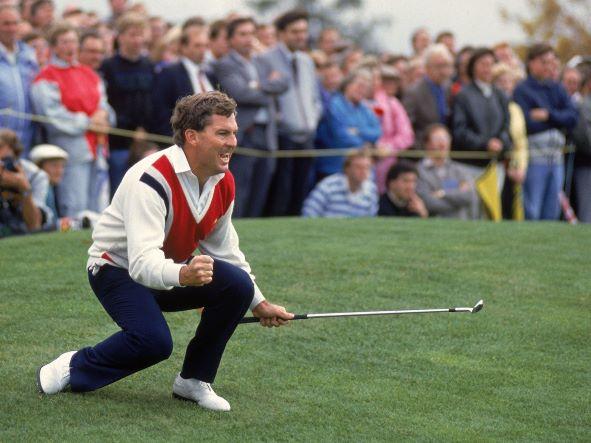
Master Golf Swing: Transform Putting, Driving for All Levels
Introduction
Recent advances in biomechanics and motor‑learning research have made it possible to create structured, reproducible coaching pathways that serve golfers from casual players to tournament competitors. This piece fuses contemporary, evidence‑informed concepts with practical training sequences to offer a unified methodology for improving three mutually dependent aspects of golf: the full swing, the short game (putting, chipping, pitching), and driving efficiency. Rather than presenting isolated drills, the framework emphasizes measurable outcomes, on‑course decision making, and transfer of practice into lower scores.
The article first summarizes the primary biomechanical and perceptual constraints that shape efficient swing patterns, then presents progressive programs matched to a player’s present skill set. Putting and driving are addressed both as standalone skills and as components of an overall performance model: putting practice focuses on tempo, alignment, and reliable green reads; driving protocols emphasize consistent launch windows, controllable power, and repeatable shot shape. Each segment includes objective checkpoints,drill prescriptions,and practical guidelines for translating the work to tournament and recreational play.
Written for coaches, applied sport scientists, and committed players, the guidance here aims to convert scientific insights into replicable practice plans that increase reliability, reduce variance, and improve scoring across ability levels.
Diagnose swing Faults with Biomechanics and Prescribe Focused Corrections
Start with a methodical biomechanical evaluation that turns observable movement patterns into clear coaching directives.Record swings at a minimum of 120 fps, capture launch monitor outputs, and, when possible, collect simple ground‑reaction or balance data to profile sequencing, center‑of‑pressure shifts, and club delivery. Useful benchmark ranges for full swings include an approximate shoulder rotation of 80-100°, pelvic rotation near 35-55°, and a preserved spine tilt around 8-15° from setup into impact; values outside these bands commonly coincide with frequent miss patterns. Also quantify dynamic variables like attack angle, face‑to‑path (aiming for ±3° for predictable ball flight), and weight distribution (a typical target is roughly ~60% pressure on the lead foot at impact). Document the player’s physical limits (hip internal rotation, thoracic mobility, ankle flexibility) so technical changes respect anatomical realities and are lasting.
Identify faults by tracing how motion causes the observed ball flight and prescribe drills that isolate the causal links. For instance, early extension-rising the hips toward the ball during the downswing-often reflects a poor hip hinge or weak posterior chain; address it with hinge‑focused drills and tension re‑education. Over‑the‑top arcs frequently stem from lateral sliding and inadequate lower‑body rotation; teach a lead‑hip‑first sequencing and drills that restore connection. Premature release or “casting” is corrected by retaining wrist set through transition and training a shallower approach. Apply measurable drills and checkpoints for each fault:
- Hip‑hinge mirror drill – preserve spine angle and a trail‑foot loading feeling at the top; objective: no forward rise at transition.
- Pump‑and‑rotate – rehearse three‑quarter backswing positions, pump to pre‑impact to ingrain hip initiation; aim for pelvic rotation within 10% of the individualized target.
- Towel‑under‑arm – maintain torso‑arm connection to prevent casting; measure consistent impact separation on video.
Scale these practices: novices use slow, sensory repetitions; advanced players add speed and monitor consistency with launch‑monitor data.
Small adjustments around the greens deliver outsized scoring returns, so treat short‑game biomechanics as distinct prescriptions.For putting, prioritize a stable lower body, minimal shoulder tilt change, and restrained face rotation: adopt a shoulder‑driven pendulum, limit wrist deviation, and position the eyes slightly inside the target line to improve aiming. For chips and pitches, start with a forward weight bias (~60-70%), ball slightly back of center for crisp contact, and a modest shaft lean (~5°) to control launch and bounce. Bunker technique typically requires an open face (~10-15°), entry 1-2 inches behind the ball, and acceleration through the sand.Useful short‑game drills include:
- Gate drill for putting path control – reduce face rotation to within an acceptable small variance.
- Landing‑spot drill for pitches – pick a 10-15 yd landing zone and track carry within a ±3 yd tolerance.
- Sand‑trace drill – mark the entry point to produce consistent 1-2 inch sand engagement.
When these benchmarks are met, expect improved outcomes around the greens and fewer strokes saved.
Equipment must support biomechanical adjustments rather than force compensation. Run a baseline club‑fit check: confirm shaft flex and length permit a neutral hand position over the ball, verify lie angle to prevent systematic toe/heel misses, and adjust loft to reach target launch and spin ranges (many players aim for driver spin near 2,000-3,000 rpm).If launch data shows excessive side spin or a large face‑to‑path gap, explore lie or face angle changes and shaft alterations before modifying the swing. On the course, match technique to conditions: in a strong headwind, lower trajectory by shortening the backswing or choking down; on firm turf, shallow the attack angle and reduce spin to gain rollout. Equipment checklist:
- Appropriate grip size to avoid forearm tension and allow natural release.
- Lie angle that sits the sole flat at address-adjust if consistent directional misses appear.
- Shaft flex and torque tuned to tempo to protect smash factor targets (driver smash factor > 1.45 is a practical benchmark).
These checks prevent fitted gear from becoming the limiting factor in technical change.
connect corrections to a progressive practice and on‑course integration plan. Structure weekly sessions into three elements: a short dynamic warm‑up (10-15 minutes) addressing mobility, a focused technical block (20-30 minutes) devoted to one biomechanical element with video or objective feedback, and a context‑based block (30-45 minutes) of random practice or simulated holes. Set short, measurable goals-reduce face‑to‑path variance to ±3°, raise ball speed by a specific percentage, or improve approach proximity by 10-15%-and layer mental skills (pre‑shot routine, breathing, visualization) to stabilize execution. Offer tailored progressions: limited‑rotation players simplify the swing and emphasize shaft‑lean and controlled hand paths; athletic players can progressively increase kinetic‑chain power training (medicine‑ball throws, resisted rotation). Troubleshooting:
- If on‑course performance regresses, return to the focused block and reassess mobility or setup limits.
- Use objective testing (launch monitor, dispersion charts, strokes‑gained estimates) monthly to quantify progress.
- Log environmental variables (wind speed, green Stimp) to understand interaction between biomechanics and strategy.
By integrating diagnostics, targeted drills, and equipment choices with deliberate on‑course submission, players can convert technical gains into consistent scoring improvements.

Progressive, Evidence‑Led Drills to Build a Reliable Full Swing
Begin every training block by locking in a reliable setup: neutral grip with the clubface square at address, hands slightly ahead of the ball for irons, and ball placement matched to club (driver forward, mid‑irons centered). Maintain a consistent spine tilt of roughly 20-30° from vertical and a driver setup weight bias around 60/40 (trail/lead), tending toward 50/50 at impact for mid‑irons. Use these pre‑swing checkpoints each time:
- Alignment: feet, hips, and shoulders parallel to the target line; pick an intermediate target to confirm alignment.
- Posture: knees soft, spine angle set, and chin raised enough to allow a full shoulder turn.
- Grip pressure: light to moderate (roughly 4-6/10) to prevent tension.
- Ball position: adjusted by club selection and stance.
A consistent setup reduces extraneous variability so subsequent mechanical work produces reliable change.
Progress teaching from static checkpoints to dynamic sequencing by separating the swing into phases-takeaway, backswing, transition, downswing, impact, and release-and tracking objective metrics. aim for a shoulder turn of 80-100° on a full swing and a hip turn of approximately 40-50° to create torque. monitor tempo with a 3:1 backswing:downswing rhythm (three counts up,one down). Useful drills include:
- Half‑to‑full progression – systematically increase swing length from 50% to 100% while recording impact consistency with a launch monitor.
- Step drill – step toward the target during transition to promote weight transfer and ground reaction utilization.
- Pause‑at‑top – a brief half‑second pause at the top to groove a connected transition and avoid casting.
Measure gains by tracking clubhead speed,smash factor,attack angle,and dispersion. Reasonable 8-12 week targets might include a modest smash‑factor increase (e.g., +0.02-0.05) and a notable tightening of lateral dispersion (e.g., −10-20 yd).
To convert repeatability into driving performance, prioritize launch conditions, turf interaction, and fitting. Position the driver slightly inside the lead heel and set tee height so the ball sits approximately half above the top edge of the face-this encourages a shallow, positive attack angle (+1° to +4°) and an efficient launch (aim driver launch roughly 10-14° with spin tuned between 1,800-3,000 rpm, depending on ball speed). Implement these drills:
- Impact bag – promotes forward shaft lean and compressive feel for solid contact.
- Medicine‑ball rotational throws – develop torque and sequencing for higher clubhead speed while maintaining control.
- TrackMan/GCQuad sessions – quantify attack angle, launch, spin, and dispersion; use simulated wind to test robustness.
Confirm shaft flex, lie, and loft are matched to swing speed and spin goals; small equipment adjustments often tighten groupings.
Translate full‑swing repeatability into scoring by integrating partial‑swing options and short‑game work. Partial swings (¾, ½) help control trajectory and spin when course conditions demand it: a ¾ swing commonly reduces launch and spin by predictable percentages useful on firm greens. For approach and putting, prioritize distance control:
- Wedge ladder – establish reliable 10‑yard intervals from 20-120 yd to build a gapping chart.
- Gate putting drill – force putts to start on line with a narrow tee gate.
- Wind‑adjustment routine – practice range sessions simulating crosswinds and headwinds to refine club choice.
On course, pick tactical plays that use rollout and trajectories to yoru advantage: e.g., on a firm tailwind par‑4, land short of the green and use roll; into the wind, choose a higher‑spinning club to hold the surface.
Create a progressive practice plan plus a troubleshooting set to move players from inconsistency to reliable scoring. Short‑term goals (e.g., reduce shot dispersion by ~10 yd in six weeks) and longer‑term targets (e.g., raise driver speed by 5-8% in 12 weeks with conditioning) help prioritize work. Typical corrective cues and drills:
- Early extension: wall or chair drill to preserve hip hinge and spine angle.
- Casting: tee‑outside drill to encourage wrist retention until later in the swing.
- Reverse pivot: slow‑motion, video‑assisted swings to restore appropriate weight transfer.
Combine these physical interventions with mental skills-consistent pre‑shot routines, visualization, and process goals-and reassess with video and launch monitor data every four to six weeks to confirm transfer to the course.
Quantitative Monitoring: Launch Monitors and Wearables to Track Distance, Spin and Reliability
Turning subjective feeling into repeatable performance requires a controlled testing protocol and a set of measurable variables. Before testing, warm up consistently (short game then progressive full swings). Then record a standardized set-typically 6-10 full driver swings from identical tee height and ball type. Capture metrics including clubhead speed, ball speed, launch angle, spin rate, attack angle, face‑to‑path, and carry/total distance. Log environmental conditions (wind, temperature) and range position to preserve repeatability; over time compute means and standard deviations. Early practical goals are reducing carry SD to around ±5-8 yd and spin SD to about ±200-300 rpm,indicating steadier performance.
use launch‑monitor outputs to diagnose mechanical problems and guide focused fixes. For example, excessive driver spin (> ~3,500 rpm) with a steep negative attack angle frequently enough indicates an off‑center, downward blow-counter with a slightly more forward ball position and modestly higher tee (+6-12 mm) and practice a shallower takeaway.Conversely,very low launch (< ~8°) and low spin could suggest insufficient loft or an overly positive attack-adjust loft by small increments (0.5-1.0°) or reposition the tee.Practical drills that connect numbers to sensations:
- Impact tape/foot powder – identify strike location, then work toward center‑face hits.
- Towel‑under‑armpit – sustain connection and avoid premature arm separation.
- Single‑plane takeaway with alignment sticks – stabilize path and reduce face‑to‑path error.
Tailor focus by level: beginners concentrate on center contact and tempo; intermediates refine attack angle; low‑handicappers manipulate spin loft and face angle for an optimal launch window.
Wearable sensors augment ball data by tracking body kinematics-tempo, sequencing, pelvic rotation, shoulder turn-and allow you to link motion traces to ball flight. Alternate data‑rich blocks with feel blocks: record a baseline of 10 swings, perform 12-15 reps of a motor‑learning drill, then retest. Set progression criteria such as ≤2% variability in peak clubhead speed and face angle within ±1.5° at impact. Troubleshoot common issues using sensor traces:
- Grip/wrist set – check for excessive draw/fade tendencies.
- Ball position/spine tilt – ensure driver ball is under the lead shoulder for preferred attack angle.
- Weight shift/sequencing – distinguish lateral sway from rotational drive using hip traces.
kinesthetic learners benefit from immediate sensor feedback; visual learners should pair slow‑motion video with telemetry to correlate movement and ball outcomes.
Use data to inform equipment and strategy decisions.For instance, if your average carry is ~240 yd with ±10 yd variance on practice sessions and the fairway is narrow, choosing a 3‑wood or hybrid that yields tighter dispersion may be the smarter play. Loft tweaks of 0.5-1.0° typically raise launch slightly (~0.5-1.0°) and modestly increase spin; work with a certified fitter to match shaft torque and kick point to tempo. Remember competition rules: distance‑measuring devices and wearable tech may be restricted during play, so reserve detailed telemetry for practice and fitting days.
Embed quantitative monitoring into periodized coaching using SMART goals. A 12‑week block might aim for a 3-5 mph increase in clubhead speed while keeping smash factor within ±0.03, achieved via strength/plyometric sessions twice weekly, wearable‑guided tempo work three times weekly, and a weekly launch‑monitor session. Avoid common errors such as chasing raw speed without improving strike location-this usually increases dispersion.Pair numeric targets with scenario drills (e.g., simulate a windy par‑4 requiring a layup) to ensure numbers produce lower scores on the course.
Putting Mechanics and green‑Reading Systems to Boost Consistency and Proximity
Start with a repeatable setup that stabilizes the axis of the putting stroke.Adopt a slightly open or square stance with feet roughly 8-12 in (20-30 cm) apart, knees soft, and a lead/trail weight split near 60/40 for right‑handed players to produce a steady low point. Place the ball just forward of center for a pure roll and set the eyes over or just inside the ball line to optimize sighting. maintain light grip pressure (~3-5/10) so the shoulders drive the motion; this reduces unwanted wrist torque. Match putter length and head style to posture-blade for a mild arc, mallet for a straighter stroke-and ensure putter lie and loft suit your setup so the face rehearses the same path at address and at impact.
For the stroke, emphasize a shoulder‑driven pendulum with minimal wrist hinge and consistent arc depth. Aim for face‑at‑impact control within ±1-2° and impact velocity within ±5% of target practice speed-tighter tolerances correlate strongly with repeatable proximity. Preserve static loft (~3-4°) through a gentle forward press or neutral setup so the ball starts on the intended roll. use a metronome (around 60-70 bpm) for tempo drills; experiment with 1:1 or 2:1 backswing‑to‑follow‑through ratios depending on distance. Select a putter style matched to your stroke: face‑balanced heads for straight strokes, toe‑hang for arced strokes, to minimize face rotation at impact.
Green reading combines physics with systematic observation. Evaluate surface speed (Stimp), grain, and slope magnitude-greens at higher Stimps demand subtler pace control. Even small slopes (~0.5-1°) can cause meaningful lateral deviation over putts longer than 8-10 ft, so pick intermediate aiming points (the low‑side or a visual hinge) and choose strike speed to land the ball within a comfortable three‑foot circle. Use a two‑step read: a broad scan from behind, then an angled walk to detect subtle undulations and grain direction, and commit to a precise aim point to reduce indecision.
Structure putting practice to improve both stability and proximity. Start with short gate and face‑control drills to remove face rotation: put a narrow gate 1-2 in (2.5-5 cm) wide and stroke through keeping the face square. Progress to distance‑ladders (3/6/9/12 ft) maintaining the same impact speed so you can reliably stop balls within 18 in (45 cm). Use lag routines to cut three‑putts-practice from longer ranges to a one‑club target zone and measure two‑putt rates. suggested drills:
- Gate/Face‑Control drill – 10 reps from 3 ft focusing on square impact.
- Tempo metronome Drill - 5‑minute sets at 60-70 bpm to lock tempo.
- Distance Ladder – 3/6/9/12 ft, 10 balls each; target 80% within 18 in.
- Lag‑to‑Target Drill – 10 reps from 30-50 ft; aim for 70% inside 3 ft.
Link putting gains to course management, equipment, and the mental game. Strategically leave approaches below the hole when feasible and play more conservative pin targets on fast or grainy greens. Confirm putter specs during a fitting so you’re not compensating through posture.Common issue fixes: if face rotation is present, soften grip pressure and shift to a more shoulder‑driven stroke; if you leave putts short, increase follow‑through or tempo rather than quickening the stroke. Set measurable goals such as halving three‑putts over an eight‑week block with structured drills and a concise pre‑putt routine: read, pick a precise target, rehearse one feel stroke, and commit.
Convert Short‑Game and Driving mechanics into Reliable Launch Windows and Forgiveness
Establish a reproducible setup that links short‑game touches and full‑swing driving to predictable launch conditions. For driver,place the ball just inside the left heel (for right‑handers) and move it progressively toward center for lower‑lofted clubs; this facilitates a positive attack angle (~+2° to +4°) for efficient launch. Irons typically require a descending strike with attack angles around −4° to −2°, while wedges often show slightly steeper negative angles. Maintain slight forward shaft lean for chips/pitches to keep loft consistent through impact. Small changes in stance width, spine tilt, or grip pressure substantially influence launch, spin, and face‑to‑path relationships; for example, a 3-5° increase in spine tilt toward the target can shallow the driver arc and raise launch for many players.
Translate kinematics into the impact variables that dictate forgiveness: clubhead speed, dynamic loft, face angle, swing path, and low‑point control. Use a launch monitor to set targets-aim for a driver smash factor ≥ 1.45 and spin between 1,800-3,000 rpm depending on launch and ball speed-and track center‑face contact as a primary forgiveness measure. Train these through targeted drills:
- Impact bag – develops compressive feel and encourages an upward driver strike while keeping hands ahead of the ball.
- Gate drill with short irons – enforces consistent low point and face alignment (pass the shaft through a 1-2″ gate).
- Tee‑height experimentation – adjust tee height in 1/2″ steps to find the center‑face setting that produces optimal launch for you.
These exercises convert mechanical adjustments into measurable launch‑monitor improvements and tighter dispersion.
closer to the green, manipulate wedge and short‑game mechanics to shape launch, spin, and rollout. For bump‑and‑runs, reduce loft and move the ball forward to increase rollout; for higher lofted shots, open the face and lengthen the swing arc so loft and bounce produce lift. Choose wedge bounce based on turf: low bounce (~4°-6°) for tight lies and higher bounce (~10°+) for soft sand or fluffy rough. Practice with distance ladders that demand carry accuracy within ±2 yd, and adapt for conditions-soft greens may reduce rollout by roughly 20-40%, while firm days require lower trajectories or more rollout planning. Always observe Rules of Golf concerning grounding or relief.
For driving, synthesize equipment and swing tuning to manage forgiveness. Minor loft adjustments (±1-2°) and appropriate shaft selection can reduce side spin and tighten groups; overly soft shafts often increase side spin and dispersion. Mechanically, prioritize a square to neutral face at impact and a consistent path; correct common faults-early extension, casting-with tempo and connection drills. Recommended routine elements:
- Tempo ladder – metronome ratios for timing stability.
- Half‑to‑full progression – build speed while preserving center contact and reduce lateral dispersion by ≥ 10-20% over six weeks.
- Targeted fairway finder – progressively narrow aiming windows to reinforce forgiving miss patterns.
Integrating technique, gear, and strategic thinking makes off‑center strikes more playable and increases on‑course forgiveness.
map technical improvements to practice allocations and course strategy. Set measurable targets-e.g., improve GIR by 5% or cut one‑putts inside 20 ft by 10%-and organize practice time (40% short‑game, 40% full‑swing launch work, 20% on‑course simulation). When conditions or hole design impose risk, select clubs that prioritize a higher probability of staying in play (e.g., 3‑wood instead of driver into crosswinds).Use concise corrective cues-“lead with chest,” “hold the wrist triangle,” or “accelerate and keep weight forward”-and close the feedback loop with video and launch‑monitor review to ensure technical work produces better scoring outcomes.
Level‑Tailored Protocols: Motor‑Learning Principles,Progressions and Objective Benchmarks
Begin by establishing reproducible baselines that distinguish knowledge of performance (KP) from knowledge of results (KR). Collect objective data-clubhead speed, smash factor, dispersion SD, and putting proximity metrics (percent of 30‑ft lag putts leaving within 3 ft)-to inform individualized plans. For beginners, emphasize blocked practice to entrench gross motor sequences (slow tempo, simple weight transfer); intermediate and advanced players should shift sooner to variable and random practice to enhance adaptability. Schedule retention and transfer checks at 72 hours and one week following a training block to confirm true learning rather than short‑term gains.Progress to on‑course transfer drills when objective criteria are met (e.g., 80% clean contact in a 50‑ball iron test).
Structure swing instruction into progressive stages aligned with physical capacity. Setup fundamentals first-stance width roughly shoulder‑width for mid‑irons; increase 1-2 inches for longer clubs; ball position from centered (wedges) to just inside the left heel (driver); maintain a static spine tilt of ~20-30°. aim for a backswing rotation between 70-100° depending on mobility and a weight shift ending with ~60% pressure on the lead foot at impact. Common faults (early extension, casting, overactive wrists) are addressed with specific drills: alignment‑rod along the lead thigh to prevent early extension, towel under the armpits to keep connection, and exaggerated half‑swings to shallow the downswing. Technical targets might include reducing face‑to‑path variability to within ±3° and lateral dispersion at 150 yd under ±15 yd across multiple sessions.
Refine short game and putting with drills that transfer directly to scoring. For pitching and chipping, teach loft/bounce usage: open the face for soft lies and use shaft lean to ensure crisp contact. Bunker play should focus on entering sand 1-2 inches behind the ball with an open face and committed acceleration. Putting practice should enforce a pendulum stroke and square face at address with mirror checks and distance control ladders (10, 20, 30, 40 ft) that aim for specific leave distances. Example practice items:
- 50‑ball wedge strike test (target proximity ~15-20 ft).
- 30‑putt block: 10 short (3-6 ft), 10 mid (8-15 ft), 10 long (20-40 ft) with retention scoring.
- Sand save simulation: 10 bunker shots from mixed lies with success defined as leaving within 10 ft.
These drills link technical adjustments to measurable scoring improvements-fewer up‑and‑downs and three‑putts.
Define explicit progression criteria to move players between developmental stages. for beginner→intermediate, require ≥ 70% fair contact in a 50‑shot drill, reliable club selection within two clubs for target yardages, and up‑and‑down success ≥ 40% from 30-40 yd. Intermediate→advanced criteria are stricter: >50% GIR under pressure, approach dispersion within 15 yd radius at 150 yd, and putting averages near 1.8-1.9 putts per hole in simulated rounds. Use retention (no augmented feedback) and transfer tests (on course with altered wind/lie) to confirm learning. Avoid promoting players based on single occasional sessions; combine KP (video on mechanics) with KR (proximity statistics) to validate progress.
Blending course strategy, equipment, and the mental game completes the plan. Match loft and shaft to launch profile, teach wind‑management (move the ball back one ball position and de‑loft to lower trajectory), and prescribe a balanced weekly routine (two 30-45 minute technical sessions, three 20-30 minute short‑game sessions, and one on‑course strategy session). Incorporate mental routines-consistent pre‑shot habits, breath control, visualization-and offer progression types for visual, kinesthetic, and verbal learners so every player, from novice to low handicap, has clear, measurable steps to improve performance and lower scores.
Course strategy and Decision Making to Turn Practice Gains into Competitive Scores
Triumphant competition begins with an on‑course assessment that turns practice advancement into reliable decisions.Perform a pre‑shot audit-consider lie, pin position, wind, slope, and hazards-and calculate required carry and roll.Know your club carry distances within ±5 yd (ideally ±3 yd) and adjust for firm or soft conditions (expect 10-20% more roll on firm lies). Choose the landing zone that minimizes penalty risk,then select the club and the shot shape needed to reach that zone-this analytical sequence links technical choices to tactical outcomes.
To translate practice shots into on‑course execution,make small,measurable setup adjustments to shape shots. To create a controlled fade or draw, alter ball position by about 1-1.5 in, change face orientation by roughly 3-6°, and modify path by ~5-8° relative to alignment.Reinforce the mechanics with:
- Gate work with alignment sticks to train path and face control.
- Impact bag sessions to feel face orientation and compression.
- Half‑swing tempo drills (counted 1-2 rhythm) to stabilize timing.
Beginners should prioritize consistent contact and timing before attempting shaping; advanced players should quantify curvature (e.g., lateral deviation at 150 yd) and set tight lateral‑miss targets (10-15 yd) to guide practice.
The short game is the decisive margin in competition. Emphasize pace control and green reading: adopt a consistent arc and a 2:1 backswing‑to‑downswing tempo for long lag putts, and practice square‑face impacts on putts inside 15 ft.Chipping fundamentals-narrow stance, slight forward weight (55-60%), hands ahead at address-promote crisp contact. Pressure drills for competition include:
- Ladder putting (10′, 20′, 30′) to train pace and cut three‑putts.
- Up‑and‑down challenge: start five yards off the green, convert 4/6 to progress.
- mixed‑lies chipping: practice from tight, plugged, uphill and downhill lies.
Know the Rules for competition (mark/replace on greens, relief for embedded lies, provisional ball use) so tactical choices comply with regulations and reduce mental friction under pressure.
Structure practice to replicate the decision pressure of play: use a mix of 70% variable practice for adaptability and 30% blocked practice for technical refinement. Adopt a 20-25 minute pre‑round routine: 5 minutes of short‑game touch, 10-12 minutes progressive full‑swing warm up (wedges→mid irons→driver), and 5-8 minutes of tempo/speed swings. simulate pressure through consequences (scorekeeping, wagers, coach penalties) and set measurable goals-reduce 7‑iron carry SD to ±6 yd or raise up‑and‑down percentage by 10 points over a month. Check equipment gaps (wedge lofts/bounce, iron gaps ~10-15 yd, shaft flex, grip sizing) to avoid surprises in competition.
Adopt a hole‑by‑hole plan focusing on processes rather than outcomes. For each tee, list a primary scoring line, a conservative escape line, and an acceptable miss zone. Use a decision checklist:
- What is the par‑saving option? (GIR vs. safe up‑and‑down)
- What wind/firmness adjustments apply?
- Which club maximizes the probability of the desired result?
Under stress,rely on breathing (box breath 4‑4 pattern),process metrics (fairways,GIR,up‑and‑down rate),and default to conservative choices when reward is outweighed by penalty risk. Consistently applying these layered technical, tactical, and psychological practices turns practice gains into reliable scoring advantages during competition.
Periodized Practice Plans, Assessment Frameworks and Return‑to‑Performance Criteria
Build a structured calendar that sequences technical, physical, and tactical aims into micro, meso and macro cycles.A typical 12‑week macrocycle could include a 4‑week general phase (mobility, basics, tempo), a 6‑week specific phase (power, precision, short‑game intensity), and a 2‑week peak/taper for on‑course simulation and competition rehearsal. Before periodizing, gather baseline measures-driver speed, ball speed, carry distance, fairways hit %, GIR %, and short‑game up‑and‑down %-and translate these into time‑bound targets (e.g., add 3-5 mph to driver speed in eight weeks or raise GIR from 40% to 55% over three months).
Prioritize technical mastery by decomposing the swing into measurable components and prescribing drills that explicitly map to those elements. Set setup fundamentals-spine tilt ~20-30°, neutral ball positions across clubs, grip pressure ~4-6/10-and quantify desired impact parameters (iron attack angle ~−2° to −4°, driver ~+2° to +5°). Use targeted exercises and objective feedback:
- Alignment‑rod gate – encourage inside‑out path and consistent clubface at impact.
- Impact bag – develop left‑side stability and compression; measure face angle changes with video.
- Tempo metronome (3:1) – improve timing; track split times with wearables.
Beginners focus on setup and tempo; elite players dial in launch windows and spin rates via launch‑monitor analysis to reduce dispersion to target radii (e.g., ±15 yd at 150 yd).
Short game and putting should be prioritized in periodization because they yield the biggest scoring levers.Use daily microcycles alternating distance, trajectory, and pressure work. Build a gapping chart for wedges by testing full/¾/½ swings and logging carry every 10 yd. Practical drills:
- 50‑ball up‑and‑down from inside 100 yd – log conversion percentages and aim for incremental gains (e.g., 50% → 70% in eight weeks).
- Ladder putting - targets at 3,6,9,12 ft to measure make % and one‑putt conversions.
- Clock‑face chipping – rotate around the hole from fixed distances to practice varied landing zones.
Measure putter face rotation and path with a stroke analyser and target near‑square face at impact (±2°) to eliminate three‑putts. Adjust practice for adverse weather-shorten landing zones and emphasize lower trajectory in wind.
integrate course management and scenario work into periodization with decision metrics. Teach players to “play to a miss,” prefer conservative club choices when exposure is high, and use rule knowledge to inform on‑course choices (relief options, OB/provisional policies). Practice components should include simulated hole play with decision logs,risk/reward mapping (expected strokes gained vs. penalty cost), and wind adjustment drills (move ball back one ball position to lower launch). These rehearsals convert mechanical improvements into dependable on‑course decisions.
Implement a rigorous assessment loop and clear return‑to‑performance criteria combining objective metrics, coach observation, and athlete self‑report. Schedule baseline testing, fast weekly checks (tempo, strike), and monthly comprehensive rechecks with launch monitor and stroke‑gain analysis. Use thresholds to decide progression or remediation-for example, require ≥ 95% of pre‑injury swing speed, ≥ 90% accuracy (fairways/GIR) and pain‑free motion before full competition. If targets aren’t reached, diagnose, prescribe two focused drills, and retest in two weeks. Include mental skills in assessment (routine adherence, breath control) and measure their effects under simulated tournament pressure. With periodized technical work, tactical rehearsal, measurable drills, and a formal assessment cadence, coaches and players can objectively track improvement and define safe return‑to‑performance milestones.
Q&A
Note: the referenced web search results returned unrelated items; the responses below are synthesized from applied sport‑science, coaching practice, and evidence‑based pedagogy to address: “Master Golf Swing: Transform Putting, driving for All Levels.”
Q1: What is the primary aim of a “Master Golf Swing” program?
A1: To deliver an integrated, evidence‑based roadmap that improves biomechanics, motor learning, and strategic decision‑making-raising consistency in swings, sharpening putting, and optimizing driving for players across the ability spectrum. The program emphasizes measurable drills, level‑specific progressions, and on‑course transfer.
Q2: What three pillars support comprehensive golf advancement?
A2: 1) Biomechanical analysis and efficient sequencing, 2) Motor‑learning and deliberate practice methodologies (feedback, variability, progressive overload), and 3) Tactical integration (club selection, course management, mental routine). Together these convert technical work into on‑course performance.
Q3: What biomechanical traits characterize an efficient full swing?
A3: A stable base, coordinated hip‑shoulder separation (X‑factor), sequential ground‑force transfer through hips and torso into the arms and club, a near‑square face at impact, and a consistent swing plane that maximizes energy transfer while controlling dispersion.
Q4: How is putting efficiency defined biomechanically and operationally?
A4: Efficiency equals a repeatable shoulder‑driven pendulum, minimal wrist breakdown, consistent face control at impact, accurate distance pacing, and systematic green reading. Key metrics include putts per round, putts per GIR, and proximity distributions from common distances.
Q5: Which objective metrics should guide assessment?
A5: For swing/driving: clubhead and ball speed,smash factor,launch angle,spin rate,carry/total distance,dispersion,and face‑to‑path at impact. For putting: start line accuracy, speed variance, putts per round, one‑putt percentage, and lag‑putt success by band.Performance indicators include strokes‑gained components, scoring average, and handicap trend.
Q6: How should initial assessments differ by level?
A6: Conduct a movement screen, strength/power checks, video swing analysis, a launch‑monitor session, putting assessments, and an on‑course evaluation. Use findings to set SMART goals and craft individualized practice plans appropriate to each level.
Q7: What are level‑specific priorities?
A7: Beginners-fundamentals and high repetition with simple feedback. Intermediates-sequencing, launch/spin concepts, and situational practice. Advanced-marginal gains such as tighter dispersion, launch‑window optimization, and pressure simulation with data‑driven course management.
Q8: One progressive drill to improve rotational sequencing?
A8: Medicine‑ball rotational throws in golf stance: emphasize hip initiation, follow‑through, and chest‑hip timing. Progress by adding step mechanics, increasing ball weight, and pairing with impact‑bag compression practice.
Q9: Practical putting drills for distance and accuracy?
A9: Distance “Clock” ladder (3, 6, 9, 12 ft) to stop within a 12-18 in circle; Gate drills to enforce square face; progress to random distances and pressure scoring for transfer.
Q10: How to add driving distance without losing accuracy?
A10: Prioritize center‑face contact and sequencing (impact bag), progressive power training (ground‑force, plyometrics), refined launch through tee and ball position, and monitor dispersion to ensure strike location remains central before increasing max effort.
Q11: How to structure practice for maximum transfer?
A11: Warm‑up, focused technical block, variable practice to simulate the course, pressure tasks, and debrief. Keep sessions goal‑oriented, relatively short (20-40 min focused blocks) and include full‑round simulations periodically.
Q12: How should feedback be used to accelerate learning?
A12: Combine augmented feedback (video,launch data) with simple prescriptive cues. Use faded feedback schedules and emphasize external focus cues for better retention and transfer.
Q13: Common swing faults and remedies?
A13: Early extension-hip‑hinge and wall drills; over‑the‑top-inside‑out path drills; casting-impact bag and lag retention drills; reverse pivot-balance and sequencing practice. Verify corrections with video and impact data.
Q14: How to address putting yips or timing breakdowns?
A14: Distinguish anxiety from motor control issues; simplify technique, gradually re‑expose to pressure, use consistent routines, and seek sports psychology or medical input for severe cases.
Q15: what role does equipment fitting play?
A15: proper fitting (shaft flex, lie, loft, grip and putter specs) reduces compensations and optimizes launch and dispersion. Use fitting to complement-not replace-technical improvement.
Q16: How to integrate on‑course strategy into training?
A16: Align practice with shot selection based on your dispersion and carry metrics, rehearse conservative options for risk holes, and incorporate decision‑making drills into range sessions.
Q17: Objective benchmarks of meaningful progress?
A17: Improvements in strokes‑gained metrics, decreased dispersion, higher clubhead/ball speed (when appropriate), fewer putts per round, and lower scoring averages or handicap. Set personalized percent‑improvement targets (5-15% over defined periods).
Q18: How to use technology without dependency?
A18: Employ tech for diagnostics and objective feedback, then remove it to test transfer in realistic conditions. Balance data sessions with feel‑oriented training.
Q19: Strength and mobility priorities?
A19: hip mobility and stability, thoracic rotation, ankle dorsiflexion, and shoulder girdle control. Strength work should emphasize lower‑body power, core anti‑rotation ability, and scapular stability with progressive load management to reduce injury risk.
Q20: How frequently enough should training be reassessed?
A20: Formal biomechanical and performance reassessments every 6-8 weeks, with weekly informal checks of practice logs and subjective readiness; adjust programming based on metrics, schedule, and recovery.
Q21: What to prioritize when time is limited?
A21: Focus on the highest‑leverage elements for scoring-short game and dispersion reduction-using the Pareto principle to target the 20% of changes that yield 80% of results.
Q22: Ethical and safety considerations for coaches?
A22: Obtain informed consent for data collection, prioritize long‑term health, avoid overtraining, refer to medical professionals when needed, and use evidence‑based, obvious coaching methods.
Q23: Next steps for a player aiming to “master” swing, putting and driving?
A23: Complete a comprehensive baseline (biomechanics, launch data, putting metrics, on‑course play), define SMART goals, follow a structured periodized plan, use objective measurement plus qualitative feedback, simulate pressure, and engage multidisciplinary support (coach, physio, sports psychologist).
Q24: Were to find authoritative resources?
A24: Seek peer‑reviewed sport‑science literature on golf biomechanics, applied motor‑learning texts, and accredited coaching‑education curricula. Consult certified fitting centres and biomechanics labs for deeper, data‑driven study.
If desired,this Q&A can be converted into a printable FAQ,adapted for differing audience sophistication,or expanded into an 8‑week sample training plan with step‑by‑step protocols.
Wrapping Up
Conclusion
Mastering the golf swing and turning that mastery into dependable putting and more effective driving requires a systematic, evidence‑informed approach tailored to individual ability and physical capacity. The drills,progressions,and monitoring strategies presented here stress measurable metrics,phased progression,and on‑course context so that technical improvements actually lower scores. Coaches and players should prioritize objective monitoring, deliberate periodization, and realistic simulation of competitive conditions to maximize transfer.
Future directions should test these protocols longitudinally and encourage collaboration between biomechanics, motor‑learning researchers, and performance coaches. With disciplined measurement and targeted practice, players at every level can progressively improve swing mechanics, short‑game execution, and driving consistency to achieve sustained performance gains.

Unlock Your Best Golf: Elevate Swing, Putting & Driving Skills
Apply biomechanical principles, course-management strategy, and a progressive practice plan to improve your golf swing, putting, and driving. Below you’ll find evidence-based techniques, golf drills, and practical tips for players at every skill level.
Core Principles: Why Swing Mechanics Matter
A repeatable golf swing starts with fundamentals.focus on:
- Grip & pressure: Neutral grip with light-to-medium pressure promotes wrist hinge and a consistent release.
- Posture & balance: Athletic stance with bent knees and a tilted spine keeps your center of gravity stable through the swing.
- Rotation & sequencing: Power comes from hip-shoulder separation and proper kinetic sequencing (ground → hips → torso → arms → club).
- Tempo & rhythm: Control tempo using a consistent backswing-to-downswing ratio (many pros use ~3:1 backswing to downswing).
Setup Checklist (Pre-shot Routine)
- Feet shoulder-width (wider for driver), weight slightly on the balls of your feet.
- Ball position: center for mid-irons, forward for driver and fairway woods.
- Aim and alignment: pick an intermediate spot on the ground to align clubface and shoulders.
- Visualize the shot and commit to a target before initiating the takeaway.
Mastering the Golf Swing: Mechanics & Drills
Break the swing down into repeatable segments and practice each piece before putting it together in full-swing repetition.
Key Mechanics
- Takeaway: Low and slow for the first 1-2 feet to set the club on plane.
- Top of backswing: maintain wrist hinge, avoid over-rotation of the arms and let the torso lead.
- Transition: Start with the lower body; don’t let your hands lead and cast the club.
- Impact: hands slightly ahead of the ball for irons; compress the ball and create controlled divot.
- Finish: Balanced full finish shows proper weight transfer and rhythm.
Swing Drills for Better Mechanics
- Alignment stick drill: Use a stick along your lead arm to groove connection and swing plane.
- Pause at waist-high: Swing to waist height and pause to check clubface and body position.
- feet-together drill: Improves balance and promotes a smooth tempo.
- Impact bag drill: Trains forward shaft lean and solid impact for iron shots.
Putting: Build a Consistent Putting Stroke
Putting is the fastest way to lower scores. Focus on read, stroke, and speed.
Putting Fundamentals
- Grip: Reverse overlap or cross-handed depending on comfort; keep light grip pressure.
- Setup: Eyes slightly inside the ball, shoulders level, and a slight knee flex.
- Stroke: Pendulum motion from the shoulders; minimize wrist break.
- Speed control: Prioritize speed over line on long putts-get the ball close to the hole.
Putting Drills to Practice
- Gate drill: Use tees to create a “gate” and stroke through without hitting them to improve path.
- Ladder drill: Putts from 3, 6, 9, 12 feet to build confidence at varying distances.
- Clock drill: Place balls around the hole at equal distances (e.g., 3 feet) and make 8 in a row.
- Distance ladder: Roll 10 putts from increasing distances; track how many stop inside a 3-foot circle.
Driving: Distance, Launch & Accuracy
Driving effectively requires a balance of swing speed, launch angle, spin rate, and ball position. Focus on clean contact and direction control.
Driver Setup Tips
- Ball positioned just inside your front heel to encourage upward strike.
- Wider stance and increased shoulder turn to load power.
- Slight tilt of the spine away from the target to promote positive launch angle.
- Relaxed grip to encourage a full release and higher clubhead speed.
Driver Drills
- Half-swing acceleration drill: Swing to ¾ and accelerate through impact,then gradually increase to full swing while maintaining tempo.
- headcover tee drill: Place a headcover a few inches behind ball; practice hitting without striking the cover to ensure upward strike.
- Swing-speed training: Use overspeed sticks or a radar to gently and safely increase clubhead speed over time.
Progressive Practice Plan (6-week Sample)
| Week | Focus | Key Drill |
|---|---|---|
| 1 | Setup & posture | Alignment stick + mirror checks (15 min) |
| 2 | Short game (chipping & pitching) | Landing spot practice (30 balls) |
| 3 | Putting consistency | Clock drill + distance ladder (20 min) |
| 4 | Irons: ball striking | Impact bag + divot control (30 balls) |
| 5 | Driver & launch | Headcover tee + swing-speed (range) |
| 6 | Course management | Play 9 with strategy notes |
Common Faults & Quick Fixes
| Fault | Likely Cause | Quick Fix |
|---|---|---|
| Slice | Open clubface, outside-in swing path | Close face slightly, feel inside-to-out path |
| Hook | Closed clubface, inside-out path with early release | Weaken grip slightly, delay release |
| Thin shots | Early extension or standing up | Maintain spine angle, practice impact bag |
| Three-putts | Poor speed control, weak reads | Prioritize long-distance speed; practice lag putting |
Course Management: Smart Decisions Lower Scores
Better strategy often beats raw power. Use these tactics on the course:
- Play to your strengths-miss toward larger parts of the fairway or green.
- Know when to lay up: long hazards or narrow greens call for conservative play.
- Visualize the hole and pick a target that gives a high-percentage shot from your lie.
- Track wind, elevation and pin position-adjust club selection and aim accordingly.
equipment, Club Fitting & Launch Monitor Data
Proper equipment amplifies your advancement. Consider a professional club fitting that analyzes:
- Launch angle and spin rate for driver and irons
- Optimal shaft flex and length for consistency and control
- Loft and lie adjustments for accurate dispersion
Using launch monitor metrics (ball speed, carry distance, smash factor, spin) helps you set realistic goals and track progress more objectively.
Tracking Progress: what to Measure
- Fairways hit, greens in regulation (GIR), and scrambling percentage.
- Average putts per round and 3-putt frequency.
- Driving distance and dispersion (left/right deviation).
- Consistency of impact (centeredness) and clubhead speed.
Benefits & Practical Tips
- Lower scores from improved short game and putting-practice 60/30/10 (60% short-game, 30% irons, 10% driver).
- Reduce injury risk by prioritizing mobility and core strength-add weekly mobility routines.
- Stay patient: mechanical changes take thousands of reps to become automatic-use deliberate practice.
- Warm-up with dynamic movements and half-swings before every round to prime tempo and sequence.
Case Study (Practical Example)
Player: Amateur, mid-80s handicap. Key issues: inconsistent irons and three-putts.
- Intervention: 4 weeks of focused practice-week 1 posture & alignment, week 2 impact drills, week 3 short-game, week 4 putting ladder.
- Data: GIR improved from 35% to 48%, putts per round dropped from 34 to 30.
- Outcome: Score reduction of ~3-5 strokes per round with improved confidence and fewer penalty strokes.
Daily Routine: 45-60 Minute Practice Template
- Warm-up (10 min): dynamic mobility + short swings.
- Putting (15 min): ladder + 10 long lag putts.
- Short game (15 min): 30 chips/pitches to various targets.
- Full swing (15-20 min): 40-60 shots focusing on one or two swing keys.
- cool-down (5 min): review notes and set tomorrow’s focus.
Technology & Coaching: Combine Data with Feel
Use video analysis, launch monitors, and a qualified coach to accelerate learning. Technology gives objective feedback; coaching helps interpret that data and prescribe targeted improvements.
SEO & Content Tips for Golf Bloggers
- Use long-tail keywords naturally: “golf swing drills for mid-handicappers,” ”best putting drills for consistency,” “how to increase driving distance safely.”
- Include internal links to related posts (e.g., short-game vs. long-game articles).
- Use schema for articles and sports coaching where applicable and optimize images with alt text like “golf swing drill practice.”
- Publish progressive case studies and quantifiable improvements to build credibility and backlinks.
Make your practice purposeful: drill with a plan, track objective metrics, and practice the shots you face on the course.Improve one area at a time-consistent, focused work unlocks better swing mechanics, reliable putting, and driving that adds strokes back to your scorecard for the right reasons.