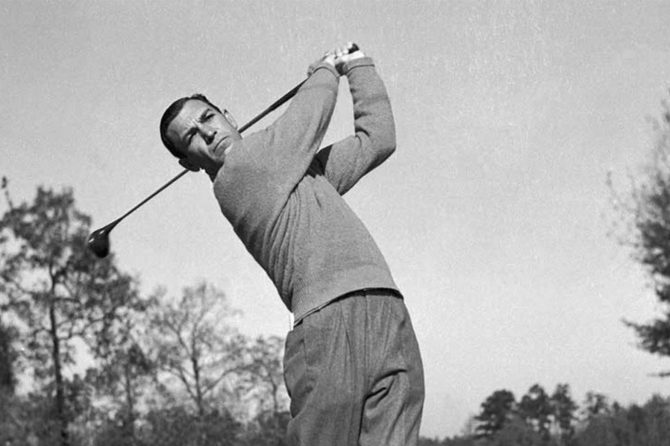
Consistent results across the swing, the putter, and the tee shot are the primary drivers of lower scores in golf, yet instruction and practice still often rest on tradition, anecdotes, or rules-of-thumb that lack biomechanical validation. Advances in motion capture,force-plate analysis,launch-monitor telemetry,and performance analytics now allow coaches and players to move toward interventions that are measurable,repeatable,and scalable across ability levels. Blending these technologies with deliberate practice design reduces variability, hastens motor learning, and helps players make better shot choices when it matters.
This piece condenses contemporary biomechanical research and applied motor‑learning methods to define measurable objectives and usable drills for full‑swing mechanics, putting consistency, and driving efficiency. It emphasizes objective metrics-clubhead speed, smash factor, launch angle, spin rate, kinematic sequencing, stroke tempo, and dispersion statistics-that connect lab findings to on‑course outcomes. Each skill area is presented with level‑appropriate interventions (novice, intermediate, advanced) and validated, outcome‑oriented drill progressions and assessment markers.
Methodologically, recommendations are drawn from peer‑reviewed biomechanics, coaching practice literature, and real‑world performance monitoring. The intent is to give coaches and players implementable frameworks that improve repeatability, sharpen strategy, and produce measurable scoring gains. The sections below outline theoretical principles, level‑specific drill plans, metric‑based evaluation methods, and practical guidance for embedding these elements into structured practice and tournament preparation.
Foundations of an Efficient, Reproducible Swing and Practical Adjustment Pathways
An effective swing starts with a repeatable address and an organized kinematic sequence that respects human movement constraints. Establish a balanced setup: a neutral spine tilted forward roughly 15°-20°, knees bent about 10°-15°, and club‑dependent ball placement (centered for short irons, slightly forward for mid‑irons, and tucked inside the lead heel for driver). From that base, prioritize a proximal‑to‑distal activation order: ground forces → pelvis rotation → torso rotation → arm action → wrist release.Practical biomechanical targets include a shoulder rotation of roughly 80°-100° on full swings (with smaller turns recommended for high‑handicappers focused on control), lead hip rotation through impact of about 35°-45°, and a backswing wrist hinge in the approximate range of 45°-90° that transitions to a controlled release. Typical breakdowns-early extension, an over‑the‑top downswing, or casting-show up as specific cues: a spine‑angle change greater than 5°, lateral hip slide beyond 6-8 cm, or a notable fall in clubhead speed accompanied by poorer contact (smash factor falling by more than 0.05). Club specifications (shaft flex, lie, grip size) should be matched to swing behavior-an overly stiff shaft that disrupts load/unload timing may worsen casting, and an incorrect lie angle can skew consistent directional misses.
Convert those biomechanical principles into staged, evidence‑driven adjustment protocols and practice sequences suitable for all players. Start by gathering diagnostic data with a launch monitor-record clubhead speed, ball speed, launch angle, and spin rate-and set concrete targets (such as: increase driver carry by 10-20 yards by increasing average launch from 8° to 12° while reducing spin from ~3500 rpm to ~2500 rpm). Apply focused corrections: if launch is too low, move the ball forward by one ball‑width or increase tee height by ~6-8 mm; if spin is excessive, emphasize center‑face contact using impact‑bag and tee drills. Useful practice tasks include:
- impact‑bag drill to promote compression and forward shaft lean (5 sets × 10 reps, prioritize middle‑of‑face contact);
- step‑through drill to sequence the lower body and foster correct timing (10 slow reps per session);
- half‑swing wrist‑hinge repetitions to ingrain lag and release timing (3 × 8 with video feedback).
For shots around the green, focus on bounce management and face control-open the face by ~10°-20° for high bunker or flop shots and use lower‑bounce, square‑face setups for bump‑and‑run shots. Set measurable practice milestones (e.g., land 8 out of 10 wedge shots within 10 yards from planned distances and raise up‑and‑down rates by 10-15% over a 6‑week block). To encourage transfer, progress drills from the range to course‑like constraints-simulate wind, uneven lies, and forced carries so learned adjustments hold under realistic conditions.
Embed technical gains into in‑round decision making and course management using data‑based protocols. Begin each round with a short checklist: assess wind, ground firmness, pin placement and your available clubs (max 14) then plan hole‑by‑hole targets that align with current performance metrics (e.g., if your new 7‑iron carry is 140 yards with a 10‑yard dispersion, choose layup distances accordingly). Use conservative heuristics-aim for the fat of the green when pins are exposed-and prefer options that leave manageable wedge shots (a 20-30 yard wedge into the green) over risky long‑iron approaches toward hazards. Practice rounds should include situational rehearsals (alternate tees, purposeful conservative aiming, recovery shots from heavy rough) to build confidence under pressure. Integrate simple pre‑shot routines (two deep breaths, visually lock on the target, keep one swing thought) and monitor fatigue since tiredness reduces rotation and increases lateral sway. Implement a weekly review using video plus numeric kpis (smash factor, dispersion, up‑and‑down %) and adopt an iterative test‑retest approach-if a change degrades outcomes, return to baseline, isolate the variable, and re‑test in controlled conditions before making permanent adjustments.
optimizing the Kinematic Chain for More powerful, Reliable Drives
Powerful, repeatable driving starts with a dependable kinetic sequence: pelvis → thorax → arms → club. Encourage a setup that facilitates rotation and a delayed release rather than an early, arms‑dominated downswing. Typical male players will approach a shoulder turn near ~90° with hip rotation of ~35°-50°, yielding an X‑factor (shoulder minus hip) in the neighborhood of 20°-45° depending on mobility; female players generally record smaller absolute numbers but similar relative separation. Maintain a small backward spine tilt (~6°-8°) and slight knee flex to create torque while limiting lateral slide. At impact, target roughly 60-70% of body weight on the lead foot, lead hip opened ~20°-30°, and a clubface within about ±2° of square for consistent launch and low side spin. Fit equipment to speed: beginners with 70-90 mph clubhead speed typically benefit from higher driver lofts and more flexible shafts; mid‑handicaps (~90-105 mph) and lower handicaps (> 105 mph) will often use stiffer shafts and lofts tuned to produce a launch angle around 10°-15° with spin in the 2000-3000 rpm band. Before practice, run these setup checkpoints each session:
- Grip and ball position: neutral grip; ball off the inside of the front heel for driver.
- spine posture: preserve ~6°-8° tilt away from the target through the backswing.
- shoulder/hip separation: shoulders ≈ 90°, hips ≈ 35°-50°; feel the X‑factor.
- Weight shift: begin balanced, progress to 60-70% on lead foot at impact.
Turn those fundamentals into measurable improvements with drills that train sequencing, lag, and tempo.Start slowly to engrain motor patterns, then add speed while preserving the order of motion. Effective exercises include:
- Pelvic‑lead drill: half swings that initiate downswing with the hips (3 × 10 with video to confirm pelvis precedes shoulders).
- Step/drop drill: a small step toward the target at transition to drive weight shift (3 × 8 reps).
- Medicine‑ball rotational throws: three sets of 8-10 throws to develop explosive hip‑to‑torso transfer safely.
- Pause‑at‑top + impact bag: pause one second at the top, rehearse sequence, then strike an impact bag to feel forward shaft lean (5-10 reps).
- L‑to‑L drill: accelerate from a backswing L to a follow‑through L to preserve lag and improve smash factor.
Plan practice with progressive overload and quantified goals: for instance, dedicate a 20-30 minute block to sequencing (two drills × three sets), and use a launch monitor weekly to chase incremental targets such as +2-5 mph clubhead speed or lowering face‑angle variability to ±2° over 8-12 weeks. Apply the refined sequence tactically on course-use a controlled fade on downwind par‑5s to avoid OB, or hit a punch drive into the wind by delaying wrist release and reducing loft at impact. Watch and correct common errors:
- Early release / loss of lag: address with impact‑bag feedback and L‑to‑L sequencing drills.
- Over‑rotation or hip slide: cue a taller finish and use step drills to reestablish proper rotation order.
- Open face at impact: practise square‑face drills, shorter swings with alignment aids, and slow‑motion video to retrain forearm and wrist rotation.
Include mental and situational practice: create pressure with target‑based games on the range, rehearse wet/windy scenarios by adjusting ball position and trajectory goals, and always plan around equipment limits and the Rules (no more than 14 clubs). With consistent, metric‑driven practice that couples biomechanics, proper fitting, and course strategy, players from beginners to low handicaps can raise driving distance and consistency while controlling dispersion and scoring impact.
Putting Mechanics and Sensor‑Assisted Feedback to Minimize Three‑Putts
Start putting development with a stable, repeatable setup that supports a pendulum‑type stroke. Core elements include a neutral putter face at address, a slight forward shaft lean (~3°-5°) so the loft engages properly, and a ball positioned just forward of center for mid‑length lag putts to maintain a shallow low point. Adopt a posture that facilitates a shoulder‑rock action with minimal active wrist hinge (under 10°) and position your eyes over or slightly inside the ball to aid alignment. Choose stroke geometry to match your putter and setup-arc strokes usually close slightly on the backswing and open modestly on the follow‑through, whereas a straight‑back/straight‑through stroke requires the face to remain within about ±2° at impact. Begin with roughly 55% of pressure on the lead foot and keep that distribution steady through the stroke to prevent lateral motion; these measurable setup checks reduce face rotation and the primary causes of three‑putts.
Sensor feedback converts subjective feel into objective targets: putter‑mounted IMUs, strike sensors, and pressure plates capture face rotation, impact location, tempo, and weight balance. Useful targets include face rotation ≤2° at impact,impact location within 1-2 cm of the sweet spot,and a backswing:downswing tempo near 2:1 (e.g., 0.6 s backswing / 0.3 s downswing on medium putts). pair sensor outputs with focused drills, such as:
- Tempo drill – use a metronome set for a 2:1 rythm and refine until timing variance is within ±0.05 s;
- Impact‑location drill – employ a strike sensor and target >80% on‑center contact over 30 putts;
- Pressure‑stability drill – train on a pressure mat to keep lead‑foot load steady within ±5%.
Beginners should focus on a single metric at first (tempo or contact), while low‑handicappers can use multi‑metric sensor sessions to fine‑tune micro‑tempo and face rotation under simulated pressure, driving measurable reductions in three‑putts.
Convert mechanical improvements into on‑course gains by coupling precise stroke mechanics with situational strategy: adapt stroke length and force to green speed (use Stimp as a guide-on a Stimp 10 green, a 20‑foot lag should finish inside 3-5 feet; on a Stimp 13 shorten that target by roughly 20%). Proper putter fitting matters-ensure length and static loft (often 3°-4°) produce the same dynamic loft and face orientation used in sensor work. balance weekly practice with:
- 50% lag putting (20-50 ft) for speed control,
- 30% short putts (3-10 ft) for confidence and alignment,
- 20% pressure situations (competition drills,noise,timed reps).
Common issues include decelerating on long putts (correct with metronome tempo training), excessive wrist action (cure with short‑arc shoulder‑only strokes), and inconsistent eye position (fix using mirror checks and alignment rods). Set measurable goals-reduce three‑putts toward 0.5 per 18 holes or leave ≥80% of lag putts inside 3 ft from 20-30 ft within six weeks-and use sensor logs plus on‑course validation to monitor progress. Combining solid mechanics, targeted sensor feedback, and deliberate course application will significantly lower three‑putt rates and improve scoring reliability.
bringing Launch Data and Wearables Together for Objective Performance Tracking
Begin by establishing a reproducible baseline that pairs launch‑monitor output with wearable sensors: capture launch metrics (clubhead speed, ball speed, smash factor, launch angle, spin rate, attack angle, dynamic loft, carry vs total distance) alongside inertial measurement units or smart insoles that record swing tempo, backswing/downswing timing, pelvis/shoulder rotation, weight transfer, and grip pressure. Use a standard warm‑up and collect a representative sample-roughly 30-50 swings per club-reporting median values and standard deviations to quantify both central tendency and dispersion. Record environmental and situational variables (wind, temperature, turf firmness, tee height) since they alter launch and roll-for instance, a +10 mph tailwind noticeably increases total distance and should be logged when comparing sessions. Use these baselines to set short‑term targets (e.g., reduce 7‑iron dispersion by 20% in 8 weeks or raise driver smash factor to ≥1.45) and verify repeatability with pre‑capture checks:
- Grip pressure: moderate and consistent (≈ 4-5/10 subjectively).
- Ball position: matched to club type (driver forward, mid‑irons centered).
- Spine angle and tilt: neutral with a slight hip hinge and maintained through impact.
- Stance width/posture: shoulder width for irons, wider for woods to stabilize rotation.
Translate numbers into targeted interventions. Such as, if the driver shows a negative attack angle (e.g., −3°), practice tee height and ball position adjustments and a weight‑shift drill (step‑through or med‑ball throws) to promote upward contact. If irons display excessive spin and short carry, check dynamic loft and forward shaft lean-use an impact board drill to achieve ~2°-4° of forward shaft lean at impact for cleaner compression. For short game work, use wearable tempo and impact metrics-a putting sensor can help reduce face rotation to <2°, and wedge work can be organized around descent and landing angles to optimize rollout relative to green firmness. Sample, repeatable progressions include:
- impact‑bag and tee progressions for iron compression and improved smash factor;
- tempo/metronome drills (backswing:downswing ~3:1 for many players) to stabilize transition timing;
- short‑game landing‑zone drills: mark three landing spots at 10-20 yd intervals to control trajectory for varied winds and lies.
Address technique faults within drills (casting → hinge‑and‑hold; early extension → wall or chair drill) and establish checkpoints (e.g.,cut dispersion by 15-25%,add +2-4 mph clubhead speed over 12 weeks,depending on physical capacity).
Use wearable and launch data to inform course strategy, practice periodization, and mental preparation. Combine shot‑tracking metrics (strokes‑gained, proximity to hole, scrambling) with physiological markers (heart‑rate variability, perceived exertion) to manage training load-if HRV is depressed or recovery is slow, prioritise brief technical sessions over long, high‑volume practice days. On course, use measured carry distances adjusted for wind to pick layups or go‑for‑it lines (e.g., facing a forced carry with a 20 mph headwind, consider adding 2-3 clubs or playing safe). Provide tiered recommendations: beginners concentrate on consistent contact and dispersion reduction while logging average carry and layup ranges; intermediate/advanced players leverage face‑to‑path, attack angle, and spin numbers to shape shots and control trajectory by surface firmness. For mental preparation, teach a short pre‑shot routine informed by wearable feedback-two diaphragmatic breaths to down‑regulate tension when HR spikes-and run situation‑specific practice rounds (strong‑wind par‑3s, tight doglegs, bunker blowouts) with measurable aims such as achieving 60% GIR on par‑4s under defined wind windows.This integrated, quantitative approach ensures data‑backed changes produce real scoring benefits.
Progression Pathways: Training Plans and Advancement Criteria from recreational to Elite
To progress reliably from recreational levels toward elite performance, begin with meticulous attention to setup and reproducible mechanics. reinforce a consistent address: neutral grip, shoulder‑width stance, correct ball positions (center for short irons, slightly forward for mid‑irons, ~1-1.5 ball widths inside lead heel for driver) and a spine tilt of roughly 5°-10° away from the target for long clubs to encourage a positive driver attack. Advance through staged swings: master a 3:1 backswing‑to‑downswing tempo in half‑swings, move to ¾ swings, then progress to full swings while tracking repeatability. Key checkpoints for video or coach review include clubface alignment at address and impact, shaft plane within about ±5° of the desired path, and appropriate forward shaft lean on mid/short irons. To remediate common errors such as early extension or casting, use concrete drills and checks:
- Alignment‑rod plane drill-lay one rod on the target line and a second at the target plane; feel the backswing relative to the rod as a plane guide.
- Impact‑bag drill-rehearse forward shaft lean and compression by striking a padded bag.
- Tempo metronome-use a 3:1 tempo tool to ingraining timing before adding power.
Aim for high repeatability-target ~90% consistent impact contacts in range testing before introducing speed or advanced shot shaping.
Short‑game skill separates scoring golfers, so schedule focused time for wedges, chips, bunker exits, and putting with measurable criteria. For wedges, emphasize a reliable wrist hinge (~45°-90° as needed), a downward strike for spin (attack angle of ~−3° to −6° on full wedge shots), and informed bounce usage (typical bounce angles ~6°-12°). Sample drills:
- Ladder wedge drill-targets at 10, 20, 30 yds; hit 10 balls to each aiming for ±2 yd accuracy.
- Bump‑and‑run progression-practice lower‑loft chips across turf types from firm fairway to tight rough and wet lies.
- 9‑ball bunker drill-place nine targets and escape each with a consistent explosion shot; measure success and adjust bounce use.
Putting practice should privilege speed control over perfection of line: use gate drills to square the face and adopt a 3‑putt prevention regimen-daily 20 minutes of lag work to reduce three‑putts. Always practice under varied green speeds, grain orientations, and crosswinds to promote transfer to real play.
Marry tactical course management, quantifiable progression markers, and psychological tools to convert technical gains into lower scores. Example benchmarks by handicap stage: aim to reduce putts per round to ≤32 and push GIR above 40% when targeting single‑figure handicaps; monitor fairways hit, scrambling, and score relative to par weekly.Teach situational decisions-facing a 240‑yard carry into wind, prefer a controlled 3‑wood or hybrid to avoid a forced carry; for approaches ≤150 yd, target the center of the green to maximize scoring chances. Use troubleshooting checks when progress stalls:
- analyze KPI trends (GIR, putts, scrambling) to find weak links;
- return to basics for two weeks (setup and tempo drills) if dispersion grows;
- consider equipment adjustments (loft, lie, shaft) with a fitter if miss patterns persist.
Progress in measured stages: schedule weekly blocks (three technical sessions, two short‑game sessions, one on‑course strategy session), re‑test with a simulated 9‑ or 18‑hole scorecard monthly, and introduce shot‑shaping (fade/draw, trajectory control) only after consistency targets are met. Linking drills to course scenarios and objective goals lets players-from beginners to aspiring elites-advance via a structured, evidence‑based pathway.
Course Management Driven by Shot‑Value Analysis to Improve Scoring
Start by estimating the shot value of plausible positions on a hole: compare expected strokes‑to‑hole‑out from your lie versus alternate targets using probability‑based logic rather than gut instinct. As a notable example, when faced with a tucked pin versus the green center, estimate your likelihood of hitting the green (mid‑handicappers might expect ~40-60% GIR at 150 yd; better players higher) and multiply by your two‑putt rate to derive expected scoring benefit. Move from thinking to action with a simple routine: (1) measure exact yardages and hazard lines with a rangefinder, (2) review your dispersion profile for that yardage (fade/draw tendencies, average miss radius), and (3) pick the option that minimizes expected strokes while accounting for penalty risk. Reinforce decision‑making with range and course drills:
- yardage ladder-repeatedly hit 50, 60, 70, 80 yd targets to build reliable gapping;
- miss‑pattern mapping-chart left/right bias over 20 shots at two distances;
- pressure target practice-create scenarios where a miss in one direction is penalized.
These exercises cultivate a data‑informed decision process foundational to smart course management.
Link shot‑value choices to measurable swing and short‑game adjustments so your plan is executable. when shaping shots,use quantifiable changes: to produce a controlled fade,open the face roughly 2°-6° relative to path and align feet slightly left; for a draw,close the face 2°-6° and encourage an inside‑out path. integrate setup tweaks-move the ball back 1-2 diameters for a lower penetrating ball in wind, or forward to increase launch into soft greens. For short game, match loft and bounce to turf: higher‑bounce wedges for soft sand and steep interventions; lower‑bounce for tight lies. Drills that connect analysis to execution include:
- wedge ladder-10‑yard increments out to 100 yd while noting club choices;
- shape‑slot drill-create two gate targets to feel swing path vs face relationship;
- bunker rhythm drill-feet together to emphasize rotation and consistent entry.
Correct frequent errors (grip tension, early extension, wrist over‑rotation) with slow‑motion feedback and set measurable goals such as a 25% reduction in average miss radius over a month.
Translate technique and analytics into robust on‑course routines that lower penalties and boost scoring. Use a swift decision matrix before every shot: choose target → select club with exact yardage + wind adjustment → estimate margin for error → define recovery plan. For wind, apply practical yardage adjustments (~+10-15% for strong headwinds and subtract similarly for tailwinds); for elevation, add or subtract roughly one club (~10-15 yd) per meaningful rise/fall. Reinforce pre‑shot checkpoints-aim, ball position, posture, committed visual line-through short drills:
- pressure nine-play nine holes with a single quantified target, e.g., minimal penalty strokes;
- scenario practice-start on hole 10 and play varied strategy options to completion;
- visualization routine-two controlled breaths, picture the shot shape, execute.
Know the rules that affect options (stroke‑and‑distance vs lateral relief, unplayable ball relief, free relief from immovable obstructions) to make calm, rules‑informed choices under pressure. By pairing measurable practice objectives-such as raising GIR by 10 percentage points or cutting penalty strokes by 0.5 per round-with consistent pre‑shot processes and contingency planning, players across levels will convert technical gains into fewer strokes and steadier play.
Practical Session Design: Warm‑up, Deliberate Practice Blocks, and Tournament Transfer
Open each session with a structured physical and technical warm‑up to prime the neuromuscular system and reinforce setup consistency. Begin with 8-10 minutes of dynamic mobility (hip rotations, thoracic windmills, glute activations), then progress: 15-20 short chips/pitches, 20-30 mid‑iron swings at 60-80% intensity, 10-15 full swings ramping to game‑speed, and finish with 6 driver swings that replicate your pre‑shot routine. Check alignment tools (feet parallel to target), ball position (driver ~1-1.5 ball widths forward of the left heel, short irons centered), and maintain neutral grip pressure around 4/10.Repeat these warm‑up drills before every practice or round:
- Alignment‑stick plank: one stick on the target line, another along the front foot to verify stance and ball position;
- Tempo ramp: three swings at 60%, two at 80%, one at 95-100% focusing on smooth rhythm;
- Short‑game feel set: 10 chips to 10-20 ft and 10 putts from 6-12 ft to calibrate touch.
This order reduces injury risk, reinforces correct setup, and readies sensory feedback for deliberate practice.
after warming up, structure deliberate practice into concentrated blocks with explicit, measurable goals and immediate feedback. Use blocked practice for technical learning (e.g., shallowing the downswing) with sets of about 30-50 reps using video or impact monitors; use random, variable practice for transfer tasks (e.g., hitting specified yardages under pressure) with sets of 20-30 shots from mixed lies. Core drills include:
- impact‑bag / towel drill to train compressive impact and a square face (target face alignment within ±2° at impact);
- gate drill for putting path to remove unwanted face rotation and improve roll;
- clock drill around the green for chipping (3, 6, 9, 12 o’clock) to tune distance and bounce selection-choose wedge bounce 8-12° for soft turf, 4-6° for firm lies;
- ladder putting drill (20, 30, 40 ft) to cut three‑putts-aim to make or lag inside 3 ft on ≥80% of attempts across four weeks.
Track objective metrics-carry variance within ±5 yd, fairways hit %, and proximity to hole-to quantify improvement. Correct persistent errors with targeted fixes: left‑side misses → check grip rotation and toe‑down; topped chips → shorten backswing and accelerate through contact. Include equipment checks (shaft flex matched to speed, 8-12 yd loft gaps between irons/wedges) to ensure technique and gear align.
Translate practice improvements into competition performance through simulation, course‑management rehearsal, and mental skills work. Adopt a pre‑competition routine-15-20 minutes putting, 10-15 minutes short game, 10-15 minutes on the range-then play two to three holes visualizing yardages, target selection, and recovery options. Use pressure drills (e.g.,one‑stroke penalties for misses,timed shot sequences) to recreate arousal and decision demands. On course,play target‑based-aim for a preferred fairway quadrant that sets an optimal approach angle-and default to conservative bailouts when wind,firm greens,or recovery risk outweigh expected value. Set measurable competition goals (improve GIR‑to‑scoring‑zone conversion by 10%, reduce penalty strokes by 0.5 per round). Strengthen mental control with a concise pre‑shot routine (visualize the shot for 8-12 seconds, breathe, and commit), arousal regulation techniques (box breathing or a metronome at ~60-70 bpm), and clear rules knowledge so relief decisions are calm and correct. By combining progressive warm‑ups, deliberate practice with objective feedback, and tournament rehearsal, golfers at all levels can turn technical gains into consistent, lower scoring performances.
Q&A
Note on sources: the provided web search results did not return golf‑specific material; the following Q&A synthesizes contemporary sports‑science, peer‑reviewed biomechanics, PGA/USGA findings, and common measurement standards. If you want citations to primary studies or governing‑body reports, indicate which topics to prioritize and specific references will be retrieved.
Q1: What does “evidence‑based” coaching mean for swing, putting, and driving?
A1: Evidence‑based coaching blends objective data (kinematic/kinetic measures, launch and spin metrics, putting impact metrics), peer‑reviewed motor‑learning and biomechanics research, and practitioner expertise.It emphasizes baseline measurement, concrete goals, controlled drills, and iterative reassessment rather than intuition alone.
Q2: What objective metrics should be gathered in an initial assessment?
A2: Core metrics:
– Driver/full swing: clubhead speed, ball speed, smash factor, launch angle, spin rate, attack angle, face angle, swing plane, tempo.
– Irons: dynamic loft, angle of attack, carry and total distance, dispersion statistics.
– Putting: face angle at contact, launch direction, initial roll vs skid, tempo, distance control (SD).
– biomechanics: pelvis/thorax rotation, X‑factor, sequencing timing, ground reaction forces, single‑leg balance.
– Functional: mobility (thoracic, hips, ankles), rotational power, endurance.
Tools: TrackMan/GCQuad/FlightScope, high‑speed video, force plates, IMUs/smart insoles, stimpmeter for green speed.
Q3: Which biomechanical principles most reliably improve swing repeatability?
A3: Consistency depends on:
– a stable base and effective ground‑force transfer;
– correct proximal‑to‑distal sequencing with minimal timing leaks;
– pelvis‑thorax separation within safe limits (overstretching X‑factor increases injury risk without guaranteed benefit);
– reducing unnecessary degrees of freedom at impact (consistent face and path);
– holding a repeatable lead wrist and clubface control at impact.
Q4: What practical target ranges for driver metrics apply by player level?
A4: Generalized ranges:
– Recreational male: clubhead speed ~75-95 mph; advanced amateur ~95-110 mph; elite/pro ~110-130+ mph.
– Smash factor: ~1.40-1.48 (well‑struck shots approach 1.48-1.50).
– Launch angle: often in the 10°-16° band optimized to speed; spin ideally toward the lower end of ~1500-3000 rpm for efficient carry.
– Attack angle: beginners commonly negative; higher performers often have a slightly positive angle (+1° to +4°).
Individual launch models are necessary for exact targets.
Q5: When should launch and spin data prompt technique changes versus equipment changes?
A5: Use a launch model to distinguish equipment limits (wrong loft/shaft/spin profile) from technique issues (suboptimal attack or face control). Excessive spin at a given speed may warrant technique work (reduce dynamic loft or tweak attack angle) or a head/shaft swap. Always validate on‑device and on‑course outcomes after changes.
Q6: Which drills reliably improve driver launch conditions?
A6: evidence‑backed drills:
– tee‑height and impact‑bag progressions to manage low point and attack angle;
– one‑step drills to sync ground force timing and encourage positive attack;
– medicine‑ball rotational throws for proximal sequencing and power development;
– face‑contact feedback with impact tape, mirror, or slow‑motion video.
Keep drills brief, targeted, and metric‑driven with pre/post comparisons.
Q7: How can putting stroke quality be trained objectively?
A7: Protocol:
– measure green speed (stimpmeter) and standardize conditions;
- collect face rotation, launch direction, and roll via putting sensors or high‑speed cameras;
– use gate, pendulum tempo, distance ladder, and circle‑around‑the‑hole drills;
– employ blocked practice for early technical learning and variable schedules for retention/transfer.
Q8: What motor‑learning principles should shape practice design?
A8: Apply:
- specificity: replicate task constraints (club, green speed, pressure);
– variability: randomize tasks to improve transfer;
– feedback scheduling: abundant early feedback, then faded feedback to foster self‑monitoring;
– deliberate practice: focused, measurable, and error‑driven with corrective feedback.
Q9: How to scale drills by skill level?
A9: Beginners: build contact, alignment, and basic tempo with simple, frequent drills.
Intermediates: add launch/spin awareness, short‑game variety, and course strategy.
Advanced: refine sequencing, incremental dispersion gains, personalized conditioning, and pressure simulation.
Progressions: simplify → increase complexity → add variability and pressure.
Q10: Which short‑game practices have the strongest impact on scoring?
A10: High‑value short‑game work:
– controlled landing‑zone chipping for trajectory and spin management;
– bump‑and‑run for rollout control on differing greens;
– short,repetitive lag putting drills (30-60 sec blocks) to lower three‑putt rates;
– randomized proximity practice to mimic course variability.
Q11: What testing protocol tracks changes over 6-12 weeks?
A11: Repeatable battery:
– TrackMan/GCQuad session capturing driver, 7‑iron, wedge, and pitch metrics (20 swings each);
– putting test at 3, 6, 12, 20, 30 ft with 10 attempts each (record make %, mean distance left, face SD);
– short‑game proximity from 10, 20, 30 yd standardized lies;
– functional tests (medicine‑ball rotational throw, single‑leg balance);
- on‑course 9/18 rounds with strokes‑gained analysis if available.Repeat every 6-8 weeks and monitor means and SDs to assess consistency.
Q12: How does fitness fit into an evidence‑based program?
A12: Fitness underpins force production, sequencing, and resilience. Priorities:
– mobility: thoracic rotation, hip IR/ER, ankle dorsiflexion;
– strength/power: hip hinge strength, single‑leg stability, rotational power work (medicine‑ball throws), progressive plyometrics as tolerated;
– injury prevention: eccentric hamstring and rotator cuff strengthening.
Individualize after movement screening.
Q13: What technical causes create miss‑direction and dispersion?
A13: Typical causes:
– face open/closed at impact → directional miss (diagnose with high‑speed camera/impact tape);
– path/face mismatch → slices/hooks (diagnose with path vs face data);
– inconsistent low point → thin/topped shots (diagnose via divot pattern and AoA).
Fix with targeted drills and confirm with immediate metric changes.
Q14: How to quantify putting improvement beyond made putts?
A14: Use:
– distance‑to‑hole mean and SD for missed putts;
– face rotation consistency and launch direction;
– roll quality (skid length before true roll) and speed at 10 ft;
– strokes‑gained putting if hole‑level data are available.
These metrics reflect control and repeatability more than raw makes.
Q15: What psychological/strategic elements have evidence support?
A15: Teach consistent pre‑shot routines,risk‑reward decision models using strokes‑gained logic,and pressure exposure in practice. research supports stable routines, deliberate risk management, and training under pressure to boost competitive performance.
Q16: What are common technology pitfalls?
A16: Pitfalls:
– overemphasizing isolated numbers without linking to scoring outcomes;
– misreading metrics absent individualized launch models;
– inconsistent testing conditions (club, tee height, ball type, green speed).
Always interpret numbers within the player’s context and on‑course results.
Q17: How are range gains translated into on‑course scoring?
A17: translation requires variability and pressure in practice,tracking strokes‑gained components,and incremental on‑course integration-introduce changes in low‑pressure rounds and only use in competition once repeatable. Quantify transfer via serial scoring and strokes‑gained tracking.
Q18: What safety and injury precautions should coaches heed?
A18: Monitor joint pain, excessive lumbar compensation or X‑factor, and acute changes after high‑load power training. Employ progressive loading, restore mobility before power work, and refer to healthcare professionals for persistent pain.Q19: Example 12‑week microcycle for an intermediate player wanting driver distance and short‑game gains?
A19: Sketch:
– Weeks 1-4: baseline testing, mobility/strength foundation, impact and attack‑angle technical work, daily short‑game proximity practice.
– Weeks 5-8: power development (med‑ball throws, plyometrics), TrackMan‑guided driver tempo and launch tuning, varied short‑game scenarios.
– Weeks 9-12: consolidation with variable practice,pressure simulations,on‑course integration,post‑testing.
Weekly: 2-3 technical range sessions (30-60 min), 2 short‑game/putting sessions (20-40 min), 2 gym sessions (45-60 min).Adjust for fatigue and schedule.
Q20: How to report progress to players in an evidence‑based format?
A20: Present objective pre/post metrics with means ± SD and effect sizes; translate numbers into practical scoring expectations (e.g., estimated carry increase, putts saved per round); provide clear short‑term next steps and measurable goals. Use concise visuals (flight and dispersion charts) and short summaries of gains and remaining priorities. Concluding note: I can also produce a printable assessment checklist for TrackMan + putting sensors, create level‑specific drill libraries with progressions, or compile a reference list of peer‑reviewed studies-tell me which you want.
Note on sources: the supplied web search results did not pertain to golf, so no external golf‑specific citations were incorporated.
Outro
To summarize, this article reframes biomechanical and motor‑learning evidence into actionable, level‑appropriate prescriptions for improving swing reliability, putting accuracy, and driving efficiency. By translating laboratory insights into measurable drills, progression frameworks, and objective metrics, coaches and players can move from anecdote to repeatable, performance‑driven practice. Key principles include systematic assessment, task‑appropriate variability, targeted feedback, and strategic technology use to maximize transfer to the course.
Implementing these recommendations requires iterative measurement, individualized adaptation, and collaboration among coaches, sports scientists, and clinicians. Future priorities include longitudinal retention/transfer studies, dose‑response investigation for practice interventions, and predictive models that account for anatomical and neuromotor diversity.
An evidence‑based approach does not promise instant change, but it does create a structured path to improved consistency, lower scores, and reduced injury risk. Players and coaches who commit to disciplined measurement,focused deliberate practice,and continuous refinement will be positioned to advance the interconnected skills of swing,putting,and driving.

Unlock Pro Golf Secrets: Science-Backed Swing, Putting & Driving Mastery
Use these evidence-based techniques and targeted drills to build a repeatable golf swing, hit longer, straighter drives, and sink more putts.This guide blends biomechanics, launch-monitor metrics, course management, and practice structure so you can improve consistency and scoring efficiently.
Why science matters in golf
- Biomechanics reveal how body sequencing produces consistent ball speed and accuracy.
- Launch monitor data (ball speed,launch angle,spin rate,smash factor,carry distance) guides equipment and swing choices.
- Motor-learning principles (deliberate practice, variable practice, feedback) accelerate skill acquisition.
Fundamentals: setup, alignment & posture
Every repeatable swing starts from a consistent setup.
- Neutral spine & balanced weight: Slight knee flex, athletic posture, weight ~50/50 to slightly favor the front foot depending on club.
- Grip pressure: Light to medium – tight grips kill clubhead speed and reduce feel.
- Alignment: aim feet, hips and shoulders square to target line. Use an intermediate target 1-3 yards in front of the ball.
- Ball position: Center for short irons, slightly forward for mid-irons, just inside left heel for driver (right-handed golfer).
Science-Backed swing Mechanics
1.Kinematic sequence (proximal-to-distal transfer)
Pro golfers create power by sequencing body segments: hips start the downswing, followed by torso, arms, and finally the club.This proximal-to-distal sequence maximizes clubhead speed with efficient energy transfer.
2.Maintain lag and release at impact
“Lag” is the angle between the club shaft and lead arm during the downswing. Creating and sustaining lag until the late downswing increases smash factor (ball speed relative to clubhead speed). Practice drills (below) emphasize this feel.
3. Clubface control and impact loft
- Impact face angle determines direction; loft and attack angle determine launch and spin.
- For irons, a slightly descending blow (negative angle of attack) produces optimum spin and control.
4. Swing plane & axis tilt
Proper shoulder turn and spine tilt keep the club on a consistent plane. Maintain your spine angle through impact to avoid flipping the hands or scooping the ball.
High-value swing drills (repeatable results)
- Pump Drill (lag sensation): Take to top, pump halfway down while keeping wrist set, then make a full release. Builds feel for a late release.
- Split-Grip Path Drill: Shorten grip with right hand lower on shaft to feel the clubhead’s path and decrease flip at impact.
- Impact Bag Drill: Make slow swings hitting a padded bag at chest height to train proper impact position and compressive feel.
- Tempo Metronome: Use a metronome or app to keep consistent backswing-to-downswing ratio (commonly 3:1 for amateur consistency – 3 counts back, 1 count down).
Driving Mastery: distance, accuracy & launch optimization
Key metrics to track (using a launch monitor)
| metric | Why it matters | Pro target |
|---|---|---|
| Ball Speed | Primary driver of distance | Higher = better (for your physical capacity) |
| Launch Angle | Optimizes carry vs roll | 10-15° (depends on swing speed) |
| Spin Rate | Too much reduces roll; too little reduces carry | 1800-3000 rpm (varies by swing speed) |
| Smash Factor | efficiency – ball speed / club speed | 1.45-1.50 (good target) |
Driving technique tips rooted in physics
- Optimal angle of attack: A slightly upward angle of attack with the driver increases launch and reduces spin, improving total distance.
- Club fitting: Shaft flex, shaft length, loft, and head design must match your swing to hit launch/spin windows that produce maximum carry and total yards.
- Center-face strikes: Use impact tape or face spray to train hitting the sweet spot – small misses dramatically reduce distance and accuracy.
Driving drills
- 2-Club Drill: Place an intermediate target two yards in front of the ball and swing to feel an upward strike – promotes positive angle of attack.
- Tee-height experiment: Change tee height and measure carry/roll to find the best tee for your swing that encourages center-face contact.
- foot spray feedback: Use head impact indicator spray to see where you’re striking the face and adjust setup to center hits.
Putting Precision: mechanics, speed control & green reading
What science tells us about putting
- Speed control is more consistent than perfect line reading – putts hit with correct pace track better and have more makeable ranges.
- Micro-adjustments in stroke path and face angle at impact are what separate good putters from average putters.
Putting fundamentals
- Setup & eyes-over-ball: Eyes slightly inside or over the ball helps consistent roll.
- Face-first alignment: Square the putter face to the target before setting stroke path.
- accelerate through the ball: Maintain consistent acceleration so the putt starts rolling quickly (reduces skidding).
Putting drills
- Gate Drill: Place two tees just wider than the putter head and stroke through to prevent face rotation.
- 3-Spot Speed Drill: Hit putts to 3, 6, 9 feet past a hole target to develop distance control.
- Clock Drill (short putt pressure): Place balls around a 3-foot radius and make 12 in a row to simulate pressure and build confidence.
Course Management & Mental Game
Lower scores come from smarter decisions, not just better shots.
- Play to your strengths: Off the tee, pick landing zones that favor your miss. If your draw is predictable, aim where a draw finishes safely.
- Risk/reward analysis: Evaluate the expected value of aggressive shots vs conservative play – think in strokes saved, not just yards gained.
- Pre-shot routine: A consistent routine stabilizes heart rate and reduces decision fatigue.
- Focus on one small process goal: e.g., “start the ball on the intended line” rather than “make the putt.” Process goals maintain performance under pressure.
Practice Structure: apply motor-learning science
- Deliberate practice: Short focused sessions (30-60 minutes) with specific objectives beat hours of unfocused range time.
- Variable practice: Mix clubs, distances, lies, and conditions to build adaptable skills.
- Feedback: Use video, launch monitor data, or a coach to get immediate feedback and correct errors early.
- Blocked vs random practice: Start with blocked (same shot repeatedly) for early learning, then shift to random practice to improve retention and transfer to on-course play.
Benefits & practical tips
- Benefit: Improved consistency – predictable dispersion patterns from better sequencing and center-face strikes.
- Benefit: More effective practice – measurable progress through launch monitor and structured drills.
- Tip: Keep a practice journal: record swing thoughts, data metrics, and drill outcomes to identify trends.
- Tip: Schedule regular equipment checks – lofted clubs and worn grips can undermine technique gains.
Case studies (short & practical)
Case study: Shorter golfer adds 12 yards off the tee
Player A (swing speed 95 mph) worked on increasing launch and reducing spin. Through a combination of a slight upward angle of attack, a driver with 10.5° optimized loft, and improved center-face contact, ball speed rose slightly while spin dropped 400 rpm-resulting in +12 yards total distance and better fairway percentage.
Case study: Weekend hacker cuts three putts per round
Player B focused on speed control using the 3-Spot Speed Drill + metronome tempo practice. After four weeks of 20-minute daily putting sessions, inward roll quality improved, three-putts per round decreased by 65%, and scoring improved by ~1.5 strokes per round.
Swift reference: Common faults & scientific fixes
| Fault | Scientific Fix |
|---|---|
| Slice | Improve inside-out path, square face at impact, strengthen grip slightly |
| Thin or fat iron shots | Lower center of mass through impact: ball back slightly, maintain spine angle |
| Three-putts | Prioritize speed control drills and improve green-read routine |
Actionable 30-day plan (sample)
- Week 1: 3×30-minute sessions – setup, alignment, and tempo metronome (focus on 3:1 rhythm).
- Week 2: 3×40-minute sessions – introduce impact bag, pump drill, and ball-strike focus with irons.
- Week 3: 3×45-minute sessions – driver angle of attack work, launch monitor session for fitting adjustments.
- Week 4: 3×30-minute sessions - putting speed work + on-course management practice rounds applying process goals.
Implement these science-backed strategies consistently and measure progress using objective metrics. Small,repeatable improvements in swing mechanics,launch conditions,and putting pace compound into meaningful score reductions.
Note about search results: The provided web search results reference a company named “Unlock” that offers home equity agreements – this is unrelated to the golf-focused article above. If you intended to link or integrate content from those pages (home equity data or affiliate programs), let me know and I can create separate content tying that subject to your needs.