
consistent betterment in golf scoring requires a holistic, evidence-led strategy rather than piecemeal technical fixes. Aligning swing mechanics, driving decisions, and putting execution with personalized practice plans and bright course management reduces the variability in ball flight, stroke delivery, and on-course choices that keeps many advanced amateurs and professionals from scoring lower. This article unites modern biomechanical insights, motor‑learning principles, and performance analytics into a structured approach to shrink those sources of error.
The following sections examine three mutually dependent areas. The full swing is framed around coordinated sequencing, efficient energy transfer, and precise clubhead control-prioritizing reproducible setup positions and tempo to generate consistent launch conditions. Driving is treated both as a technical process (managing launch angle, spin, and center‑face contact) and a tactical tool for shaping hole strategy and risk/reward decisions. putting coverage emphasizes stroke repeatability, speed management, green‑reading integration, and perceptual‑motor tuning to cut three‑putts and convert mid‑range birdie chances.
The methods used here combine athlete case studies, objective measurement (high‑speed cameras, launch monitors, force/pressure sensors), and focused drill progressions designed to create measurable improvements in key performance indicators.Testing protocols and performance metrics are specified so coaches and players can tell short‑term fluctuations from lasting skill acquisition and evaluate how practice transfers to lower scores on the course. Each section closes with practical interventions-drill progressions, sample practice schedules, and monitoring tips-geared to reduce dispersion, increase proximity to the hole, and lower average strokes. The intent is a practical,data‑driven roadmap that turns technical knowledge into reliable,scoreable performance gains.
Biomechanical Foundations of the Full Swing for Repeatable Power and Accuracy
Start by establishing a repeatable address that links anatomical comfort with reliable technique: use a stance roughly shoulder‑width (±2 in / 5 cm) for mid‑irons and widen slightly for driver, keep 10-15° of knee flex, and hinge at the hips to create a spine angle near 30-40° from vertical so the shoulders rotate freely. Position the ball around center to slightly left of center for mid‑irons, moving incrementally toward the left heel for longer clubs to control low‑point and launch. Maintain light-to-moderate grip pressure (about 4-6/10) so forearm torque is absolutely possible without excessive wrist action. club fitting matters: shaft flex, lie, and loft that match your speed and posture help the face return square at impact and prevent compensations that degrade accuracy. Regularly verify setup with mirrors or video and use this checklist to anchor a consistent address position:
- Grip: neutral, V’s pointing to the right shoulder (for right‑handed players); pressure 4-6/10.
- Ball position: club‑center for short irons; 1-2″ inside the left heel for driver.
- Alignment: feet, hips, and shoulders parallel to the target line; confirm with an alignment rod.
- Posture: hinge at the hips, slight knee bend, chin up to allow full shoulder rotation.
From a solid setup, an efficient kinetic sequence creates reliable power. Begin the backswing with a smooth shoulder rotation while the hips rotate less, generating an X‑factor torso/shoulder separation (~20-35°) that stores elastic energy. In the downswing, let the lower body initiate-hips clear toward the target, followed by torso, arms, and finally the clubhead-this proximal‑to‑distal chain underpins efficient transfer. Recreational players benefit from a backswing:downswing tempo near 3:1 (a backswing of about 0.6-0.8 seconds), while advanced players may refine rhythm using a metronome or launch‑monitor feedback. To build timing and ground interaction, use drills such as:
- Step drill: step the lead foot toward the target at the transition to feel forward weight shift and hip lead.
- Slow‑motion X‑factor coil: ten slow repetitions focusing on shoulders turning more than hips; pause 2-3 seconds at the top to increase awareness.
- Impact bag/towel drill: strike a bag or compress a towel to encourage forward shaft lean and correct release timing.
Once sequencing and setup are consistent, plane, path, and face control determine accuracy. Deliver the club so the face is within ±3° of square at impact and the path matches the intended shot shape (neutral for a straight shot, slightly in‑to‑out for a draw). Less experienced golfers should simplify the takeaway-keep the clubhead outside the hands for the first 12-18 inches and set the wrists gradually-while better players fine‑tune slotting and face rotation for shot‑shaping.Use alignment rods, impact tape, and launch‑monitor data to quantify progress and set measurable aims such as halving off‑center strikes in 4 weeks or tightening face‑angle variance to ±2°. On the course, adapt technique: into wind, shorten the backswing and choose slightly lower lofted clubs to trade loft for trajectory control.
Turn improved technique into lower scores with disciplined practice and match‑aware management that reflect your fitness and temperament. Design sessions in measurable blocks: 30 minutes warm‑up (mobility + short game), 30-45 minutes technical work (20-30 high‑quality swings per drill), and 30 minutes target‑oriented play where each shot follows a pre‑shot routine. Attack common faults directly-early extension (hips thrusting toward the ball) can be corrected with a wall‑butt drill to maintain hip angle; casting (loss of wrist hinge) can be reduced with towel drills preserving lag. Integrate short‑game work-maintain upper‑body axis tilt on pitch shots and use bounce correctly in bunkers to avoid digging. Practical habits and mental tools include:
- Practice framework: three sets of ten swings per drill with objective measures (carry distance, dispersion radius, face‑angle variance).
- Pre‑shot routine: visualize the flight, take one practice swing, inhale to settle tension, and commit-this stabilizes arousal and timing.
- Course management: play to safe targets, know yardages to hazards, and choose clubs consistent with your dispersion pattern rather than always using maximum distance.
Combining biomechanical fundamentals with measured drills, equipment checks, and contextual strategies allows players at every level to build a full swing that is both powerful and reliably accurate-reducing variance and improving scoring.
Kinematic Sequencing and Clubface Control: Translating Joint Actions into Consistent ball Flight
The swing is a linked chain from the ground through the body to the clubface; predictability comes from a consistent order of activation. Emphasize a ground‑up kinetic sequence where ground reaction force initiates the shift, pelvic rotation (~40-50°) begins the downswing, shoulders follow (full shoulder turn typically ~80-100° on a full swing), and the arms and hands deliver the head. Transition timing is essential: the lead hip should start clearing before the shoulders to preserve wrist hinge (backswing shoulder turn ≈ 80-100°) and create useful lag at the top (wrist set of roughly 30-60° into the initial downswing). Train this order with slow, segmented reps and mirror checks-feel: ground push → hip clear → shoulder rotation → arm acceleration → controlled release-to reduce unwanted face rotation and produce more consistent strikes and launch angles across clubs.
Face control is the primary determinant of curvature and accuracy; isolate and train the anatomical drivers-grip,forearm rotation,wrist behavior,and release patterns. Use a neutral grip and consistent pressure (~4-6/10) to favor forearm rotation rather than excessive hand manipulation. At impact, aim for 5-10° forward shaft lean with irons and a face square to path within ±2-3° for dependable shaping; deviations larger than that produce pronounced curvature. Address common problems-casting, flipping at impact, and overactive hands-through drills such as:
- Impact‑bag or hanging‑towel strikes to feel firm, forward contact.
- “Pause at halfway” repetitions to reinforce a hip‑first downswing.
- Alignment‑rod along the shaft to monitor face rotation and shaft plane through impact.
Also consider equipment: shaft torque, loft, and grip size can amplify or dampen release tendencies, so pursue fitting when consistent face‑angle errors persist.
Apply sequencing and face control to short‑game precision and purposeful shot‑shaping. For a controlled draw, close the face slightly (~2-4°) at setup, promote an inside path by encouraging earlier hip rotation, and move the ball back about ~1 inch; for a measured fade open the face ~2-5° relative to a slightly outside‑in path. in wind or from tight lies, shorten the arc, reduce wrist hinge (backswing wrist set ≈ 40-60° rather than full), and lower dynamic loft at impact for a penetrating ball flight-achieved with a smaller shoulder turn and earlier body rotation. Use the Rules of Golf when adjusting equipment or technique (e.g., no anchoring). If you can’t reliably square the face under pressure, favor conservative target lines or layups that match your current face‑control accuracy.
Build a measurable improvement plan that integrates mechanics, equipment validation, and course‑simulation drills with mental rehearsal.Aim for stepwise benchmarks such as tightening face‑angle deviation to within ±3° and improving proximity‑to‑hole by 10-20% over eight weeks. Sample weekly structure:
- Three technical sessions (30-45 minutes) focused on sequencing and impact mechanics.
- Two on‑course or simulated pressure sessions (9 holes or target practice) to test face control in play conditions.
- Daily five‑minute mirror and visualization work to reinforce the desired sequence.
Troubleshooting: if you consistently slice,check grip pressure,forearm rotation,and early extension; if you hook,evaluate grip neutrality and excessive inside‑out path or premature wrist roll; if distance fluctuates,confirm shaft flex/loft and consistent release timing. Modify these prescriptions for physical limits-reduce rotation amplitude, focus on tempo repetitions, and combine technical practice with breathing and pre‑shot routines to maintain composure under pressure. By marrying precise sequencing with intentional face control and smart course choices, golfers at all levels can achieve steadier ball flight and better scoring.
Putting stroke Mechanics and Perceptual Motor Coordination for Superior Distance Control
Begin putting with a repeatable address and equipment check to establish a mechanical baseline. Stand with feet about shoulder‑width and distribute weight evenly or slightly toward the lead foot (60/40 lead bias for stability). For most mid‑length putts position the ball about 1-2 shaft diameters forward of center, and place the eyes directly over or up to 1 inch inside the ball line to support accurate aiming. Maintain a slight forward shaft lean at address (~2-4°) so the putter contacts near its nominal loft (putters typically 3-4°) and the ball rolls cleanly.Within the rules of Golf, avoid anchoring; use a two‑hand neutral grip with light pressure (2-3/10) to encourage a free pendulum action.Quick setup checkpoints:
- Grip pressure: 2-3/10
- ball position: 1-2 shaft diameters forward of center
- Shaft lean: 2-4° forward
- Stance width: shoulder‑width
Move to stroke mechanics that combine consistent geometry with perceptual timing. use a shoulder‑driven pendulum where shoulders drive the arms and wrists remain quiet. For distance control maintain proportional backswing and follow‑through-target a 1:1 backswing to follow‑through length-so acceleration through impact is consistent. Backswing magnitudes by distance: small putts ~10-20°, medium ~20-40°, long lag putts up to 60° depending on stroke length and tempo. Tempo aids-counting or a metronome at 60-70 bpm-help lock rhythm (a common “1‑2” cadence: backstroke on “1”, accelerate on “2”). To correct typical faults: if you decelerate through impact, practice accelerating to a small landing target 6-12 inches beyond the hole; if you flip or overuse wrists, use long‑putt gate drills that reinforce shoulder rotation. Useful practice drills:
- Gate drill: two tees set slightly wider than the putter head to encourage a square face path
- ladder drill: markers at 3, 6, 9, 12 feet to rehearse proportional backswing lengths
- Metronome drill: stroke to a 60-70 bpm beat
Add perceptual‑motor training for green‑reading and speed adaptation so mechanics match chosen landing points and roll‑out. Identify the fall line and grain within a 10-15 ft radius, then pick a landing spot for long lags that compensates for slope and green speed-on firm, fast greens (Stimp > 10 ft) reduce backswing by ~10-15% versus softer conditions. A practical read workflow: observe overall tilt from your stance; identify the local low point along your line; choose a landing spot that yields the required pace. Use variability practice (alternate lengths, slopes, and grass directions) to recalibrate perception. On‑course objectives include leaving lag putts inside a 3‑foot circle to maximize two‑putt chances and adjusting aiming points when wind or light creates deceptive visuals. Drills:
- Lag‑to‑target drill: from 20-40 feet aim to leave the ball inside a 3‑foot circle and track proximity averages
- Fall‑line practice: place three balls along an uphill/downhill axis and practice converting reads
Structure putting practice and course management around measurable goals, routines, and equipment testing to convert technique gains into lower scores. Targets might include reducing three‑putts to fewer than one per nine holes or raising 6‑ft make percentage from 50% to 70% over eight weeks. A 30-45 minute session could be: 10 minutes warm‑ups (short putts), 15 minutes distance control (ladder/lag), and 10-15 minutes pressure sequences (make X in a row). Test putter head weights and shaft lengths-heavier heads stabilize long pendulum strokes; lighter heads suit quicker hands-and match insert/material to your green speeds to avoid too much skid or hop. For mental control, use a short pre‑putt routine (visualize the line, one deep breath, execution cue). Adaptations for physical limits include one‑arm strokes or grip changes that remain within the rules. Combining precise setup, reliable mechanics, perceptual calibration, and structured practice produces measurable gains in distance control and scoring.
Green Reading and Tactical Putting Decisions: Assessing Slope Speed and Break for Optimal Line Selection
Effective reads start with a systematic visual and tactile survey of the green: locate the fall line (the way water would flow), then evaluate local contours, grain direction, and approximate Stimp speed. Most municipal greens play between Stimp 7-11, while tournament surfaces often run Stimp 11-13+; faster surfaces exaggerate break and reduce the stroke length needed for a given distance. Approximate slope numerically when possible-1% slope ≈ 0.57°-and note that each additional percent of grade produces measurable extra break (roughly 0.5-1.0 inch of lateral movement on a 10‑ft putt depending on Stimp; use these as ballpark calibrations). Walk the line from the ball to the hole to feel grade, then view the putt from low, eye level, and behind to see how the surface funnels. Observe the Rules of Golf when marking and lifting balls-you may clean and replace but must not improve your line-so make reads before altering the surface.
After the read, convert perception into a tactical plan: choose an aim point, target pace, and acceptable margin for error. For beginners focus on two simple rules: aim on the high side of your perceived line and control pace first, because speed largely determines whether the ball will hold the line through breaks. Intermediate and low‑handicap players refine this by combining face alignment and stroke‑length calibration-as a notable exmaple, a 12‑ft putt on a stimp 11 green might need about 8-10 inches of putter travel through impact downhill, whereas uphill could require 12-15 inches.Practice drills to align stroke length and distance: metronome tempo work (60-70 bpm), gate drills for square face at impact, and a distance ladder (3, 6, 9, 12, 15 ft) to map stroke lengths to results. Pre‑putt checklist:
- Ball position: slightly forward of center for most small to mid putts
- Eyes: over or just inside the ball line to visualize the target
- shoulder arc: pendulum stroke with minimal wrist action
These basic points correct common faults such as cupping or flipping at contact.
Link reads to overall scoring strategy: decide when to attack a pin and when to play a conservative lag. Often the mathematically shortest line is not the best scoring line-select the safer route that offers a higher probability of a two‑putt.For example, on a tiered green with a ridge, it might potentially be wiser to aim for the lower tier and lag inside three feet than to attempt a highly breaking putt. Account for environmental variables-wind,mowing direction,dew,and temperature change effective speed and grain; afternoon sun typically dries surfaces and increases break and roll. equipment choices matter-match putter length and loft to your stroke and ensure the face fits your expected skid/roll profile. Troubleshooting checklist:
- Excessive curve: verify face alignment and aim; if face is open at impact, reduce arc or square the face.
- Under‑speeding: aim slightly higher (1-2 inches) on downhill putts or lengthen stroke incrementally.
- Inconsistent roll: review ball selection and putter loft-too much loft skids,too little can produce hop.
Adopt measurable practice goals-e.g., cut three‑putts by 50% in six weeks, lag 8/10 putts to within 3 ft from 30 ft, or make 80% of putts inside 6 ft. Combine distance drills (ladder), breaking‑putt work (clock drill at 3, 6, 9 ft), and pressure sets (convert a sequence of five make‑or‑lag reps).Tailor practice to learning styles-visual learners walk lines and record reads, kinesthetic players use hands‑on feedback (weighted balls or short‑arm strokes), seniors may shorten backswing and increase tempo for consistency. Maintain a short pre‑putt routine with committed aim, a visualized path, and a tempo cue to reduce indecision and link mechanics with psychological readiness-this produces measurable gains in confidence and scoring outcomes.
Driving Performance Optimization: Launch Conditions Ground Interaction and Shot Shaping Strategies
Optimize launch conditions through consistent setup and equipment tuning. set ball position and tee height deliberately-typically place the ball 1-2″ inside the left heel (right‑handed) and tee so about half the ball sits above the crown to encourage an upward attack. aim for an attack angle of +2° to +4° with the driver for average to higher swing speeds; slower swingers (<90 mph) may target +4° to +6° and slightly higher launch for more carry. Use a launch monitor to target metrics such as smash factor ≥ 1.45, optimal launch angle relative to speed (rough guide: ~12-14° at 100 mph, ~14-16° at 90 mph), and spin windows (~1,800-2,500 rpm for low‑handicap power players; higher for slower swings). Practical checkpoints and drills:
- Setup checks: neutral spine tilt, level shoulders, narrow‑to‑medium stance for driver, relaxed grip pressure.
- Drills: tee‑height ladder (track launch as you vary tee heights), short‑tee work to practice lower iron launch, and weighted‑club swings to feel the transition into an upward driver strike.
- Troubleshoot: if spin is too high, deloft at impact by lowering hands and shallowing attack; if contact is low, move the ball slightly back and re‑check spine tilt.
These consistent setup factors create a technical baseline that supports repeatable ball speed and efficient launch.
Refine ground interaction and impact dynamics to control turf outcomes. Low‑point and divot patterns define quality of contact: mid‑to short‑iron low point should be 1-3″ in front of the ball creating a shallow divot starting there; wedges have a low point nearer the ball for steeper, tighter strikes.The driver ideally makes little or no turf contact-focus on a rising strike. Drills to train low point and dynamic loft:
- Impact bag: feel compression and hands ahead-target 2-4° shaft lean at impact with mid‑irons.
- Divot drill: place a headcover behind the ball and hit down to ensure forward shaft lean; divot should begin in front of the ball.
- Shaft‑lean/dynamic loft check: use video or a launch monitor to confirm dynamic loft appropriate for the club (e.g., ~18-22° dynamic loft with a 7‑iron).
Common errors-flipping at the ball for fat shots or early extension shifting low point behind the ball-are corrected through slow‑motion impacts emphasizing lead‑foot weight transfer and maintaining forward shaft lean through contact.
From contact mechanics, develop shot‑shaping by controlling face‑to‑path relationships and small setup tweaks.Definitions: a fade happens when the face is open to target but closed to the path; a draw when face is closed to the target but open to the path. Small angular differences (often 1-3°) produce visible curvature. Training steps:
- Alignment/ball position: forward ball and an open stance for a fade; ball back and closed stance for a draw.
- Drills: gate work to guide arc, feet‑together to sense rotation‑driven path, and video monitoring of face angle at impact.
- Refinements: adjust shaft lean and grip pressure subtly; larger changes should come from swing path and body rotation rather than exaggerated wrist action.
Choose shot shapes strategically on course-use a controlled fade into a right‑front pin on a left‑to‑right green; pick a draw when you want extra rollout into a left‑sloping fairway. Set short‑term practice goals such as reliably producing a 10-20 yard controlled shape on demand and progressively increase curvature as consistency improves.
Translate range gains into course advantage with disciplined practice and situational decision‑making. On the course, practice a three‑to‑one rule: three practice swings per intended shot to rehearse setup and flight. Account for conditions-wind, firmness, elevation-when selecting loft and clubs; into a strong headwind, add loft and aim for a lower flight to reduce carry variance; with tailwind favor lower spin and slightly higher launch for extra rollout. Weekly practice structure:
- Warm‑up: mobility, short‑game wedge progression, 20 impact‑focused swings with each long club.
- Skill session: 30-40 ball launch‑monitor block working on speed, launch and spin; 15-20 minute shaping block.
- On‑course drill: play six holes focusing solely on tee strategy and dispersion-track fairways hit, average carry, and penalty strokes.
Include mental strategies-pre‑shot routines and conservative decision trees (remember stroke‑and‑distance consequences of lost balls/OB)-to reduce risk and improve scoring. Connecting measurable technical goals with deliberate practice and situational play lets golfers convert better launch conditions, ground interaction, and shaping into tangible on‑course improvements.
Evidence Based Training Protocols and Drills for Motor Learning and Long Term Retention
Motor‑learning science gives a reliable structure for practice so technical gains carry over to lower scores. Emphasize deliberate, goal‑directed practice with clear success criteria (e.g., center contact 80% of strikes, carry dispersion ±10 yards). Adopt evidence‑backed schedules: distributed practice (multiple 20-30 minute focused blocks across the week) and variable, interleaved practice (mix clubs and shot types within sessions) to boost retention and transfer. Manage augmented feedback-video and launch‑monitor outputs are useful but should be faded: begin with frequent KP/KR (knowledge of performance/results) during early learning, then reduce to about 20-30% of trials so the player develops internal error detection. Use external focus cues (e.g., “send the clubhead through the target”) rather than internal body cues, because external cues typically accelerate motor learning and stabilize performance under pressure.
Break full‑swing improvement into measurable setup and movement checkpoints practiced under realistic constraints. Key setup targets: stance width (shoulder width for mid‑irons, slightly wider for driver), ball position (off left heel for driver; center for long irons; progressively back for wedges), and spine tilt (around 10-15° away from the target for driver, neutral for short irons).Progress to kinematic sequence targets: hip rotation ≈ 45° on the backswing, shoulder turn near 90°, and a clear weight shift to the lead side through impact. Use objective metrics where possible-attack angle targets (driver +1° to +3°, irons −4° to −6°) and smash factor/clubhead speed via launch monitor. Practical drills:
- Gate/path drill to create a square‑to‑in‑to‑square impact window.
- Impact bag/towel drill for compressive feel and low‑point control.
- Mirror/video at 240 fps to compare shoulder/hip rotation to a reference model.
Troubleshoot issues such as early extension (often from restricted hip rotation) with hip‑turn drills and an alignment rod placed on the sternum to preserve spine angle.
Short‑game precision and astute course management deliver the largest, most reliable stroke savings-so combine technical and situational practice. for chipping/pitching, understand loft and bounce: choose a sand wedge with 10-12° bounce for soft bunkers and higher bounce or wider soles for plugged or tight lies. Set distance targets-wedge carries within ±5 yards, chip‑roll within ±3 feet of planned landing zones. Drills:
- Ladder drill for wedges: five targets at 10, 20, 30, 40, 50 yards with 8-10 randomized reps per distance.
- Clock‑face chipping to practice trajectories and spin from different wedge positions.
- Three‑putt prevention-start 30 feet out and only progress after two‑putting or better for 10 straight tries to simulate pressure.
On course,incorporate environmental factors-adjust clubs for wind (expect real carry reductions of roughly 10-20% in strong headwinds) and favor layups that leave preferred wedge yardages rather than attacking high‑risk pins.
For long‑term retention, use block periodization with measurable milestones and retention checks. A typical 4-6 week microcycle: weeks 1-2 emphasize technique and KP‑rich feedback; weeks 3-4 move to variable, game‑like practice with reduced feedback; week 5 includes on‑course simulation and a retention test 1-2 weeks later comparing dispersion and scoring metrics. Weekly plan example: three focused sessions (30-45 minutes) plus one on‑course or simulated round; aim for 10-20 high‑quality reps per drill rather than mindless volume. Track objective benchmarks (fairways hit %, GIR %, putts per round, wedge proximity in feet) and set targets (e.g., reduce putts per round from 31 to 29 in 8 weeks; improve GIR by 5%). Combine pre‑shot routines, arousal control, and visualization to ensure skills hold under stress-this technical, contextual, and psychological mix maximizes transfer from practice to scoreboard for beginners and low‑handicappers alike.
Quantitative Assessment Techniques Using Launch monitors Pressure Mapping and Video Analysis to Track Improvement
Objective tools transform subjective coaching into measurable data when used with consistent protocols. Start each assessment by establishing a baseline: record at least 20 full‑swing shots on a launch monitor (TrackMan/FlightScope class) with a standardized ball and temperature, and capture video at 120-240 fps from two views (down‑the‑line at shoulder height and face‑on at hip height). Collect pressure/force data with a force plate or pressure mat to quantify center‑of‑pressure (cop) shifts and ground reaction forces (GRF). Log key metrics: clubhead speed (mph),ball speed (mph),smash factor,launch angle (°),spin (rpm),attack angle (°),impact location,and lateral dispersion (yards). Use mean and standard deviation to capture consistency-example target for a driver session: smash factor ≥ 1.45 and impact within 10-12 mm of center for efficient energy transfer.
Interpret combined datasets to diagnose faults and prescribe specific corrections. A high‑spin/low‑launch profile paired with a negative attack angle (e.g., −3° to −6°) often indicates a steep approach or late release-address with drills that promote a shallower attack and forward shaft lean at contact. Pressure maps showing limited lateral CoP shift (staying >50% on trail foot at impact) correlate with weak attack angles and reduced carry-coach a controlled transfer toward the lead foot targeting ~60-70% weight at impact for full swings.Practical corrective drills:
- Impact tape: 10 strikes to increase center‑face contacts to >80%.
- Step‑change drill: a small step toward the target at transition to feel forward weight shift; repeat 30 swings.
- Shallow‑angle half swings: focus on maintaining a +1° to −1° attack angle with a mid‑iron to train sweeping contact.
These methods progress from coarse motor re‑patterns for novices to fine adjustments of dynamic loft and shaft lean for skilled players.
Short‑game and course management gains become measurable when pairing launch and pressure data with on‑course scenarios. build a club‑yardage matrix under different conditions using launch numbers-e.g., record consistent full‑swing carry for a 52° wedge (often ~90-105 yards) and note spin ranges (~6,000-10,000 rpm on clean, full wedge strikes depending on groove and ball).In putting, combine pressure mapping and high‑speed video to assess stroke stability-aim for lateral CoP variance ±2-3 cm and face rotation at impact 2-4°. Data‑driven course rules of thumb: add about one club for sustained 15 mph headwind and use your measured carry per yard to adjust for uphill greens. Practice sessions to translate data into play:
- Gap calibration: 30 wedge shots per club to establish carry and spin targets in prevailing conditions.
- Wind simulation: hit controlled shots into a fan or breezy range to observe launch and spin changes and adapt club choice.
- Putting stability: 50 putts from 6-12 ft while monitoring CoP and minimizing face rotation to improve roll.
Embed quantitative assessment into a periodized coaching cycle to tie technical adjustments to scoring outcomes. Retest at 4‑week and 8‑week intervals and compare mean and variability on key metrics-set explicit goals such as adding 3-5 mph clubhead speed in 8 weeks, cutting lateral dispersion by 50%, or raising GIR by target points.Tailor plans by level: beginners spend ~60% on setup fundamentals (stance width ~shoulder width,proper ball position),intermediates emphasize impact and trajectory control,and low handicappers refine launch/spin windows and shot shape. Include mental routines-a repeatable pre‑shot routine, visualization of launch/shape, and outcome‑based practice (track carry and spin) to improve transfer. Common pitfalls: drifting equipment assumptions (confirm clubs meet USGA/R&A rules), relying on a single metric without video/pressure cross‑validation, and ignoring environmental effects-avoid these with the following checks:
- Baseline recheck: confirm ball type, temperature, and monitor calibration before testing.
- cross‑validation: correlate launch figures with video and CoP traces before changing technique.
- micro‑goals: weekly targets (e.g., center strikes +5% per week) and reassess based on aggregated data.
An evidence‑based loop-measure, interpret, prescribe, re‑measure-creates predictable, score‑oriented improvement across ability levels.
Q&A
Note on sources: the supplied web search results were unrelated, so the Q&A below relies on applied knowledge in golf biomechanics, coaching practice, and performance science produced from domain expertise.
Q1: What are the principal biomechanical determinants of a “master” golf swing?
A1: Key determinants include consistent kinematic sequencing (proximal‑to‑distal activation: hips → torso → arms → club), effective ground‑reaction force application, a stable‑yet‑mobile base enabling pelvis‑thorax separation (X‑factor), controlled center‑of‑pressure transfer through the feet, and repeatable impact geometry (path, face angle, attack angle). Together these produce consistent clubhead speed, repeatable launch windows, and reduced lateral dispersion.
Q2: How does kinematic sequencing translate into measurable improvement?
A2: Correct sequencing adds segmental velocities so peak clubhead speed occurs shortly after peak hand/arm velocity, minimizing compensations. Measurable outcomes include higher clubhead and ball speed, improved smash factor, tighter shot groupings, and more consistent launch and spin metrics captured by launch monitors and motion analysis.
Q3: Which technical elements should advanced players prioritize when refining their driver swing?
A3: Focus on (1) setup (ball position, spine tilt, stance width), (2) arc width and stability, (3) coil and hip turn without early extension, (4) target attack angle (positive for driver), (5) late release timing, and (6) consistent face‑to‑path control at impact.Equipment fitting (shaft flex, loft, head design) must match mechanics to unlock gains.
Q4: What are common causes of driver dispersion and how are they fixed?
A4: Causes include inconsistent face angle at impact, flawed swing plane/path, early extension, poor weight shift, and incorrect ball position. Corrections are face‑control drills, path‑awareness exercises (narrow gate/alignment stick drills), sequencing work to delay release, and iterative club fitting to align launch/spin.
Q5: How should golfers approach advanced putting mechanics?
A5: Prioritize face control (keep the putter face square through impact), a shoulder‑driven pendulum with minimal wrist action, consistent setup (eyes over ball, ball position), and steady tempo. Advanced players also refine speed control, subtle face loft management, and precise alignment-integrating feel and visual feedback.
Q6: How can players improve distance control on medium‑to‑long putts?
A6: Map stroke length to distance with progressive ladder drills, practice across varied green speeds, use tempo devices (metronome), and validate by tracking putts left within a target radius. Variable practice and deliberate feedback accelerate perceptual calibration.
Q7: What role does course management play in converting technical gains to lower scores?
A7: Course management connects execution to strategy-selecting targets, weighing risk/reward, choosing clubs and shapes that favor position play, and planning contingencies.Good management reduces the cost of errors and amplifies the value of technical consistency.Q8: Which drills best train the proximal‑to‑distal sequence?
A8: Effective drills include the step‑through drill (promotes hip lead), pause‑at‑top then accelerate (encourages lower‑body initiation), medicine‑ball rotational throws (train hip→torso power transfer), and slow segmented swings focusing on hip initiation. Video or wearable sensors help verify sequencing.
Q9: How should practice be structured for durable gains?
A9: Use periodized, deliberate practice: warm‑up and motor activation; focused blocks with one measurable objective; early blocked practice for technique, later variable/random practice for adaptability; objective metrics and weekly load management for conditioning.
Q10: What objective measures should players track?
A10: Monitor clubhead speed,ball speed,launch angle,backspin/sidespin,attack angle,face‑to‑path,dispersion,and putting metrics (strokes gained,distance control accuracy). Use TrackMan/GCQuad/Rapsodo, high‑speed video, and putting analyzers to log trends.
Q11: How can players reduce nerves’ impact on putting and driving?
A11: Implement a consistent pre‑shot routine, practice under simulated pressure (score‑based drills), use arousal control (breathing, cue words), and rehearse short high‑stakes tasks to build automatic responses. Process‑focused goals and implementation intentions reduce outcome anxiety.Q12: What on‑course decision heuristics help advanced players?
A12: Use expected‑value thinking: weigh success probabilities versus penalty costs; favor conservative play when penalties are severe; aim to your predictable miss‑side; and pre‑plan recovery options.Consistent risk policy beats improvisation.
Q13: How important is equipment fitting relative to technique?
A13: Fitting is essential-mismatched shaft flex, loft, lie, or grip size can undermine technique.Proper fitting optimizes launch/spin windows and reduces compensatory motions. Fit after establishing repeatable fundamentals so settings reflect true swing traits.
Q14: Which physical attributes most support elite mechanics?
A14: Thoracic mobility, hip rotational range, ankle/knee stability for force transfer, core strength for trunk control, glute power for hip drive, and shoulder stability. Power and rapid force transfer increase clubhead speed; balance and proprioception support consistency.Q15: how should an advanced player diagnose a persistent error (e.g., consistent pull‑hook)?
A15: Follow a diagnostic flow: check setup (aim, alignment, ball position), review video/launch monitor for path and face at impact, test mobility/stability issues, reproduce the error with targeted drills, then address the primary driver-technique, equipment, or physical limitation.
Q16: What putting drills improve face‑angle consistency at impact?
A16: Gate drills, impact tape feedback, mirror alignment practice, and low‑backlift pendulum repetitions focusing on square face at impact work well. Combine immediate feedback and gradually reduce guidance to automate the stroke.
Q17: How do you transfer range performance to on‑course results?
A17: Simulate on‑course constraints in practice-wind, pre‑shot routine, pressure, and target limits-work decision‑making and recovery shots, and apply score‑based consequences. transfer requires contextual variability matching golf’s situational demands.
Q18: What short‑term assessment should a coach use to evaluate swing, driving, and putting?
A18: A practical protocol: (1) static setup and mobility screen, (2) full‑swing video + launch‑monitor for 10-20 shots, (3) targeted drills to test hypotheses, (4) driving distance/dispersion test (20 drives), (5) putting assessment across short/mid/long ranges with repeatability metrics, and (6) a prioritized intervention report with measurable targets.
Q19: Concise 8‑week plan to improve driver consistency and putting distance control?
A19: Weeks 1-2: baseline testing (launch monitor, putting accuracy), mobility/strength screen, and technique drills (3 × 30‑min sessions/week). Weeks 3-4: increase deliberate practice-driver blocks with launch‑monitor feedback (2×/week) and putting ladder drills (3×/week). Weeks 5-6: introduce variable practice (targets, wind), pressure simulations (match‑play tasks), and power work (medicine‑ball throws). Weeks 7-8: on‑course simulations, equipment tuning if needed, re‑test metrics, and consolidate pre‑shot routines-adjust based on measured changes.
Q20: Realistic benchmarks after targeted training?
A20: over 6-8 weeks expect modest gains: +1-4 mph clubhead speed (athlete dependent), smash factor improvement of ~0.01-0.03,reduced driving dispersion (10-30% smaller groups),and measurable putting gains (higher make % from 8-20 ft,fewer three‑putts). Outcomes depend on starting level, adherence, and program specificity.
If you’d like, I can:
– turn this Q&A into a printable FAQ,
– create video‑linked drills and progressive session plans,
– or design a personalized 12‑week program based on your launch‑monitor data and performance profile.
primary outro – for the article “Master Swing, Putting & Driving: Advanced Techniques for Golfers”
this synthesis blends technical, tactical, and training perspectives into an integrated framework for improving swing mechanics, driving, and putting. Combining biomechanical principles (kinematics and kinetics), deliberate practice frameworks (task specificity, feedback scheduling, and variability), and smart course management (shot selection, risk/reward) helps convert isolated skill gains into reliable on‑course consistency and lower scores. Emphasize objective measurement-launch windows, dispersion, stroke metrics, and scoring statistics-to guide targeted interventions and evaluate progress.
For coaches and advanced players, follow a systematic, evidence‑oriented pathway: assess baseline performance with repeatable metrics, prioritize a handful of high‑leverage changes, use drills that replicate task constraints, and iterate with objective feedback (video, launch monitors, stroke sensors). Integrate mental routines and course rehearsal to ensure technical competence transfers to competition. periodized practice that balances acquisition, consolidation under pressure, and recovery accelerates durable gains. Researchers and practitioners should continue to quantify dose‑response relationships (e.g.,tempo training,driver launch optimization,green‑reading protocols) and examine individual differences in optimal solutions-longitudinal controlled studies and standardized outcome measures will sharpen causal inferences and refine best practices.In short, mastering swing, putting, and driving comes from an integrated, data‑driven process combining biomechanical strategy, purposeful practice, and situational application. Guided by objective assessment and iterative refinement, this approach produces reproducible improvements in consistency and scoring.
Note on terminology (possible ambiguity)
If “master” is read in an academic context rather than as a skill label, it commonly denotes a master’s degree (postgraduate study). Educational systems vary in how they classify postgraduate programs (master’s vs doctoral), and diplomas or degree titles differ by jurisdiction. The earlier web search results related to academic meanings of “master” and postgraduate qualifications.
Precision Golf: Biomechanics and Strategy for Mastering Swing, Putting & Driving
Why biomechanics + strategy matters for every golfer
Improving golf performance is more than feel and repetition. Integrating biomechanics (how the body moves), measurable metrics (clubhead speed, launch angle, putt pace), and course management creates repeatable outcomes and lower scores. SEO guides note that clear, structured content with focused keywords (golf swing, putting drills, driving tips, golf biomechanics) helps players find and use this info – same principle: structure yields results both online and on the course (see sources on search optimization like Coursera and SEO.com).
Core principles: The science that underpins reliable shots
- Kinetic chain efficiency: Power and consistency come from coordinated sequencing - ground reaction → hips → torso → arms → club.
- Stability + mobility balance: Adequate hip and thoracic mobility paired with core and lower-body stability enables consistent swing planes and impact positions.
- Minimize variability: Reduce degrees of freedom in non-essential joints at impact (e.g., grip tension, wrist collapse) and control a few key variables (clubface angle, swing path).
- Feedback & measurement: Use launch monitor numbers,video,and stroke statistics (strokes gained,putt make %s) to objectively track improvement.
Section 1 – the Full Swing: Mechanics, metrics & drills
Key mechanical goals
- Solid, consistent setup (posture, ball position, grip)
- Efficient coil on the backswing with controlled width
- Clear sequencing at transition (lower body leads)
- Square-ish clubface at impact and neutral release
- Balanced finish to reinforce correct motion
Measurable targets to track progress
- Clubhead speed (mph): Amateur 80-95, Advanced 95-110, Tour 110+
- Ball speed (mph): A general efficiency target is a smash factor near 1.45-1.50 with drivers
- Launch angle (driver): 10°-14° depending on shaft and swing
- Side spin & backspin: Minimize sidespin and optimize backspin for desired carry
Progressive drills (setup → impact → sequencing)
- Gate drill (impact zone): Place two tees just wider than the clubhead a few inches in front of the ball to train square through impact.
- step-through drill (sequencing): Take a short swing then step through with the lead foot on the downswing to feel lower-body lead.
- Half-swing speed ladder: 50% → 75% → 90% speed swings focusing on same positions at top and impact.
- Weighted shaft or headcover swing: Improves lag and teaches correct release timing.
Common faults & fast fixes
- Early extension – work on hip hinge and posture brace drills.
- Over-the-top – use inside path drills, exaggerated feeling of swinging from inside out.
- Flip at impact – shorten the takeaway and practice forward press + shaft lean into impact.
Section 2 – Putting: Mechanics, green reading & speed control
Putting fundamentals
- Stable lower body, smooth pendulum motion from the shoulders
- Minimal wrist action and consistent face angle through the stroke
- Speed control is more important than perfect line – good speed forgives imperfect reads
Measurable putting metrics
- Putts per round (goal depends on level; track trend)
- Make % from 3-6 ft, 6-10 ft, 10-20 ft – realistic targets for improvement
- Strokes Gained: Putting - use app or tracked rounds to see impact vs baseline
Essential putting drills
- Gate path drill: Two tees forms a gate; put without hitting tees to square face consistency.
- Clock drill (short putts): Six-ball drill around hole at 3-4 feet to build confidence and consistent contact.
- Lag box drill: Place a 3-4 foot box at 10-30 feet and aim to land long putts inside the box to train distance control.
- Tempo training: Use a metronome or count to establish a 2:1 backswing:downswing ratio for consistent rhythm.
Green reading & strategy
- Assess slope & grain from low angle; always pick a high side target when possible.
- Use an intermediate aim point for long putts (choose a spot 1-2 feet in front of the hole along the intended line).
- Practice reads from both directions to avoid one-sided bias.
Section 3 – Driving: Max distance,dispersion & setup strategy
Driver setup & objective
The goal of driving is controlled distance that sets up the best approach. Prioritize consistent strike (center-face), acceptable dispersion, and course-dependent strategy (play left or right of hazards, choose clubs to minimize risk).
Driver metrics to monitor
| Metric | Target Range (typical) | Why it matters |
|---|---|---|
| Clubhead speed | 80-120+ mph | Correlates with potential distance |
| Ball speed | 120-170+ mph | Measures quality of strike |
| Smash factor | 1.40-1.50 | Efficiency: ball speed / clubhead speed |
| Launch angle | 10°-16° | Optimizes carry and roll depending on spin |
Targeted driver drills
- Center-face drill: Place a sticker on clubface and aim to hit the sticker - immediate feedback for contact point.
- Angle-of-attack drill: hit drives off a slight tee height progression to feel shallow vs steep attack angles. Use impact tape or launch monitor.
- Shot shape simulation: Alternate 10 drives aiming for slight fade, then slight draw to learn face/path control.
Practice design: Weekly plan and progress tracking
Structure practice so every session has a measurable objective. Alternate focused technical work with pressure/score-simulation practice.
| Day | Focus | Exmaple session (60-90 min) |
|---|---|---|
| Monday | Putting & short game | 30 min clock drill + 30 min 30-yard chips to make area |
| Wednesday | Full swing mechanics | Warm-up → 4-technique drills → 30 tracked driver swings |
| Friday | On-course strategy | 9-hole focus: play to numbers, count GIR and up-and-downs |
| Weekend | Simulation & fitness | Pressure putting, par-saving scenarios, mobility + strength work |
Course management & strategic decision-making
- Pre-shot plan: For every hole, identify target zones and bailout areas - choose the club that keeps you in play.
- Risk/reward analysis: Compare upside of aggressive line against expected value (score over many repeats).
- Play to strengths: If you’re a short-game specialist, accept shorter tee shots to leave wedges you can convert.
Fitness,mobility & injury prevention
- Prioritize thoracic rotation,hip internal/external rotation,and ankle mobility.
- Strength targets: single-leg stability, hip hinge strength, and anti-rotation core work.
- Recovery: active recovery, sleep, and consistent warm-up lower variability in the swing.
Case study (composite): Turning inconsistency into repeatability
Player: 12-handicap, frequent left misses and three-putts.
- Assessment: video showed early extension and inconsistent putter face control. Launch monitor showed low smash factor on driver.
- Intervention: 3-week block - hip hinge and posture drills, gate impact drill, putting gate + tempo metronome, and center-face driver practice.
- Results: After 8 weeks the player reduced three-putts by 30%, improved driver smash factor by 0.05 and dropped to a 9-handicap. Objective metrics + deliberate practice achieved consistent gains.
Benefits & practical tips for faster improvement
- Focus on one change at a time – too many cues increase motor noise.
- Measure more than you feel: video and launch monitor data accelerate learning.
- Practice with pressure: simulate on-course consequences to transfer skills.
- Keep a performance log: metrics, drills used, and session outcomes (what worked, what didn’t).
Publishing & SEO tips for coaches sharing this content (quick checklist)
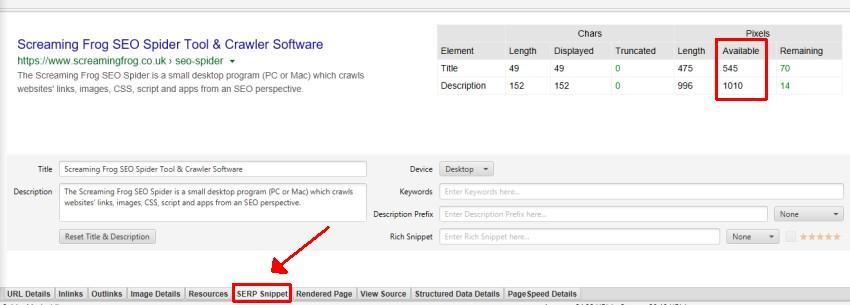
- Meta title & description: Keep meta title under ~60 characters and meta description 140-160 characters; include primary keyword (e.g.,”golf swing drills”,”putting drills”).
- Headers & structure: use H1 for the main title, H2 for major sections and H3 for subsections – search engines and readers both favor hierarchical institution.
- Internal linking: Link to related lessons or drills on your site to increase session duration and relevance.
- Schema & rich content: Use sports/golf schema where applicable and include images with descriptive alt text like “golf putting drill clock drill”.
- Page speed & mobile: Compress images, lazy-load media, and use readable fonts – mobile users dominate instruction searches.
- Backups: Offer downloadable PDFs of practice plans to capture email leads and increase engagement.
How SEO best practices support reach
Search optimization principles (keywords in title/meta, clear headings, structured content, and internal linking) directly increase visibility for golfers searching terms like “golf swing drills”, “improve driving distance”, or “putting drills for consistency.” trusted SEO resources (Coursera,SEO.com, and foundational overviews like Wikipedia’s SEO entry) emphasize metadata and content structure – apply the same discipline on the range.
Quick reference: priority drills to implement this week
- Day 1 – Putting: Clock drill + lag box (30-45 min)
- Day 2 – Full swing: Gate drill + half-swing ladder + 30 tracked drives
- Day 3 – Short game: 50 chips from 30 yards to 10-yard target
- Day 4 – On-course: 9-hole simulation with pre-shot plan
want a punchier headline or a more academic tone? Choose one of the suggested titles (such as, “Drive Longer, Putt Sharper, Swing Smarter”) and I’ll tailor a version optimized for your audience – technical coaching notes, player-facing tips, or WordPress-ready blog post with images and downloadable practice cards.