Matt Wallace was visibly emotional as his bid to secure a spot on Europe’s Ryder Cup team appeared to falter,posting a heartfelt message that reflected a “heavy heart” as selection day approaches. The Englishman’s tearful reaction followed a disappointing finish in Switzerland, leaving his ryder Cup prospects uncertain and prompting an outpouring of support from fans and peers as captain Luke Donald weighs his final decisions. formal qualification route to The Open, giving sanctioned players a clear pathway into the major through revised eligibility criteria and strengthened ties with golf’s governing bodies”>
LIV golfers granted a formal qualification route to The Open, giving sanctioned players a clear pathway into the major through revised eligibility criteria and strengthened ties with golf’s governing bodies
The governing change sees LIV golfers granted a formal qualification route into The Open, a move LIV Golf described as the result of sustained engagement with The R&A and other governing bodies. Officials say revised eligibility criteria create clearer pathways for sanctioned players to earn places at Royal venues through final qualifying and select exemptions.
The new framework centers on several practical measures that affect immediate entries and long-term access:
- Final Qualifying slots openly available to sanctioned players traveling from tour events.
- Conditional exemptions linked to high finishes in designated events.
- Ranking and eligibility adjustments to recognize performances across competing circuits.
Thes steps aim to standardise routes and reduce uncertainty for players moving between tours.
Early indicators show the pathway already in play: LIV Golf confirmed multiple players made the transatlantic push into The open’s final qualifying, while tournament records list familiar names such as Sergio Garcia and Joaquin Niemann among those securing places in recent years. LIV’s internal tallies suggest up to 19 sanctioned players could be represented in the championship under the revised approach.
Reaction across the game has been cautious but largely positive. Players welcomed the clarity on entry routes and the chance to compete on golf’s biggest stages without ad hoc arrangements, while organisers stressed the move preserves the integrity of conventional qualifying. Broadly, stakeholders framed the agreement as a pragmatic step to integrate competing schedules and streamline access to majors.
| Route | What it does | Example |
|---|---|---|
| Final Qualifying | Open 36-hole events for available spots | Sergio Garcia (past qualifier) |
| Designated Exemptions | Performance-based entry from select events | Top finishers at LIV designated events |
| Ranking adjustments | Recognition of cross-tour form | World ranking uplift for specific results |
Outlook: Administrators say the measures should bring predictability to major entries while preserving the meritocratic nature of The Open.
Matt wallace’s tears underline mounting emotional pressure as Ryder Cup selection nears
Matt Wallace was visibly emotional after a near-miss in Switzerland, delivering an emotional interview that highlighted the human cost of the Ryder Cup run-in. His tied-second finish at the Omega European Masters intensified scrutiny as selections approach.
The crescendo of expectation around European hopefuls has turned routine press conferences into charged moments, with every result and reaction feeding debate. Team Europe’s captain faces a choice that balances form, chemistry and the optics of leaving a popular contender on the outside looking in.
Selectors will weigh several practical and intangible factors, including:
- Current form – recent finishes and scoring trends
- Matchplay pedigree – past Ryder Cup and pairs performance
- Team fit – personality and pairing potential
- Mental resilience – handling pressure in pivotal moments
| Event | Finish |
|---|---|
| Omega European Masters | T2 |
| Recent Series Event | Top 10 |
| Season Average | Low 60s |
Wallace’s reaction underlined that selection debates are not only statistical exercises but emotional narratives. Team officials and fans alike must reconcile performance metrics with the visible strain on players chasing a place on one of golf’s moast storied teams.
Recent form and statistics that could sway selectors with targeted performance benchmarks
Matt Wallace’s recent surge has put selectors on notice: a pair of top-10s in his last six starts and a marked enhancement in scoring consistency have transformed him from hopeful name-check to bona fide contender. The emotional reaction that followed his latest week underscored how much is at stake as Ryder Cup selection edges closer.
Key statistical gains underpin the narrative. Wallace has shown measurable progress in **Strokes Gained: Approach** and **Strokes Gained: Total**, while his scoring average across European Tour events has dipped.Match-play snippets-strong fourball chemistry and clutch up-and-downs-have also been cited by insiders as factors that increasingly favour his case.
Selectors are likely focusing on narrow, objective targets. Benchmarks being watched include:
- Strokes Gained: Total – a clear positive trend over the last 12 rounds
- Recent Top-10s – at least three in the last ten starts
- Match-play record – unbeaten or dominant in pairs sessions
- Course-fit statistics – driving accuracy and approach proximity on similar venues
Hitting these markers would convert form into a compelling, quantifiable case for selection.
| Metric | Current (Last 12) | Selector Target |
|---|---|---|
| Strokes Gained: Total | +1.1 | +2.0 |
| Strokes Gained: Approach | +0.8 | +1.2 |
| Top-10s (recent) | 2 | 3-4 |
| match-play | 3-1 | 4-0 |
ultimately,selectors balance raw numbers with context: pairing potential,temperament under pressure,and suitability to the Ryder Cup venue. If Wallace maintains the current trajectory and clears a few of the targeted benchmarks, his emotional response this week might potentially be remembered as the moment form and profile converged into selection readiness. the coming weeks will tell whether statistics translate into a guaranteed spot on the team sheet.
Captain’s selection dilemma explained with proposed tactical roles for Wallace
Selection meetings have boiled down to fine margins, with the captain forced to weigh current form against match‑play temperament. Matt Wallace’s visible emotion after the final qualifying events has crystallised the debate: is he a specialist piece or a flexible option?
tactical possibilities for Wallace are clear and varied – the captain can deploy him as a momentum starter, a fourball aggressor, a foursomes stabiliser or a singles closer. Key attributes cited by insiders include his short‑game creativity, iron accuracy and willingness to take calculated risks on scoring holes.
Pairing strategy will be decisive. Possible fits emphasise complementary strengths: a heavy‑hitting partner who can bombard par‑5s in fourball, or a calm, tactical teammate in foursomes to smooth over volatility. The captain must consider chemistry, left/right balance and pairings that mute opponents’ strengths.
| Role | Match Type | Expected Contribution |
|---|---|---|
| Fourball Aggressor | Fourball | speedy points, birdie production |
| Foursomes Stabiliser | foursomes | Shot‑selection reliability |
| Momentum Starter | Opening session | Early energy, pressure on rivals |
| Singles Closer | Singles | Calm under match pressure |
The final call will hinge on a balance of risk and reward: pick Wallace for upside and momentum, or leave him out in favour of steadier hands. Sources say the captain’s calculus now rests on match‑fit scenarios rather than headline form alone.
Mental resilience and support measures credited for Wallace with calls for continued coaching
Matt Wallace’s visible emotion at the close of his event has been framed less as a breakdown and more as evidence of mental resilience sharpened by targeted support, sources close to the player told reporters.The reaction prompted quick praise for the structure around him: a compact team of coaches, a sports psychologist and a performance staff that have been credited with stabilising form under pressure.
Inside the camp, emphasis has been on routine and recovery. Team members highlighted a return-to-basics approach driven by intentional practice, sleep and data-led swing work. Key contributors named by those familiar with the situation include his lead coach, a dedicated sports psychologist and , each described as integral to recent progress.
The support measures in place are straightforward and pragmatic:
- Structured practice sessions tailored to pressure scenarios
- Mental skills coaching focusing on resilience and routines
- Physical maintenance to prevent fatigue across tournament weeks
Within the week, the team supplied a snapshot of recent metrics in performance and recovery:
| Measure | Short-term impact |
|---|---|
| Practice under pressure | Improved closing holes |
| Mental skills sessions | Calm execution |
| Recovery protocols | Greater stamina |
Voices inside the game have urged that the current blueprint be maintained rather than overhauled. Analysts and teammates alike stressed that continued coaching and consistent support-not dramatic changes-offer the best route back to peak performance, particularly with Ryder Cup selection discussions ongoing. The consensus: preserve the foundations that produced measurable gains, and the emotional episode will read as a byproduct of a competitor fighting for form and place.
Media and fan reaction frames public narrative and advises measured scrutiny
National outlets and specialty golf publications seized on the image of Matt Wallace in a moment of visible emotion, using it to sketch high-stakes narratives about form, fitness and ryder Cup selection. Coverage emphasized both the human drama and the competitive calculus facing captains and selectors.
On social platforms, responses split between solidarity and scrutiny. Supporters amplified messages of encouragement and context, while pundits and punditry-focused accounts replayed key shots and stats, probing whether emotion reflected fatigue or a turning point in performance.
- Sympathy: Fans rallied behind wallace, citing pressure and devotion to team cause.
- Debate: Commentators questioned selection criteria and recent form.
- Privacy appeal: Calls emerged for measured coverage that respects player welfare.
| Source | Tone | Likely effect |
|---|---|---|
| National press | Analytical | Shapes selector focus |
| Golf media | Contextual | Highlights form trends |
| Fans & social | Emotional | Drives narrative momentum |
Editors and commentators alike are being urged to temper sensationalism with perspective: strong reporting should pair headlines with facts, trends and an awareness of player wellbeing. As selection conversations continue, the public narrative must be informed, not inflammatory, so that scrutiny serves clarity rather than spectacle.
Immediate tactical priorities for Wallace including putting, course management and fourballs strategy
Putting is the immediate barometer. Wallace is urged to prioritize speed control and left-to-right reads on the venue’s slower surfaces, converting mid-range saves to ease pressure. Short, focused green sessions and a single pre-round routine will be enforced to stabilise his stroke under match-play intensity.
Course management must be surgical: pick tee corridors that avoid trouble, plan conservative approaches into severe pin locations and map recovery angles on every par 4. Key checks for each hole include:
- Wind direction and effect on carry
- Preferred landing zones for second shots
- Where to concede versus where to attack
In fourballs, the strategy tilts to maximising hole-winning opportunities while protecting halves. Pairings should exploit complementary traits-one aggressive driver, one reliable putter-to create scoreboard pressure. Communication protocols will be crisp: declare early intentions, mirror partner tempo, and convert birdie chances rather than forcing low-percentage plays.
Practice priorities on site are pragmatic: quick repetitions from 20-40 yards, bunker exits to tight pins and left-to-right breaking putts. Coaches will monitor fatigue and keep adjustments simple-one swing or line change at a time-to avoid on-course second-guessing and to conserve emotional energy ahead of pivotal sessions.
Metrics for immediate action:
| Area | Target | Timeframe |
|---|---|---|
| Putting | Save 60% from 6-15 ft | Next two rounds |
| Tee Strategy | Reduce penalties by 50% | Match day |
| Fourballs | Win 1+ holes per match | Immediate sessions |
These benchmarks give Wallace and his camp clear, measurable aims that translate coaching talk into on-course decisions.
Q&A
Q: What happened to Matt Wallace?
A: Matt Wallace was seen in tears after addressing questions about his place in the upcoming Ryder Cup, an emotional moment captured during media duties at the Omega European Masters (reports: Last Word on Sports, Golf.com, Bunkered).
Q: When and where did this occur?
A: The moment took place during the Omega European Masters, where wallace spoke to media about his Ryder Cup prospects and was visibly emotional (Last Word on Sports; Golf.com).
Q: What did Wallace say that prompted the reaction?
A: Wallace spoke candidly about the anguish of possibly missing out on the Ryder Cup and described having a “heavy heart” about his likely fate, according to his social post and subsequent media coverage (Golf.com). He also stated, “I’d never give up on the Ryder Cup,” per Bunkered.
Q: Why is this moment significant?
A: The Ryder Cup is one of golf’s most prestigious team events, and selection is intensely competitive.Wallace’s emotional response underlines the personal and professional stakes for players on the cusp of selection and highlights the pressure of international team selection.
Q: How have observers reacted?
A: Coverage has focused on the human side of elite sport – players’ passion and vulnerability. Media reports emphasize the heartbreak Wallace expressed and the sympathy his comments elicited from fans and colleagues (Last Word on Sports; Golf.com; Bunkered).
Q: Does this mean Wallace won’t make the ryder Cup team?
A: The emotional moment does not constitute an official selection.Reports suggest Wallace believes his Ryder Cup chances are in doubt, but final teams are subject to selectors’ decisions and remaining tournament results. No official team proclamation has been made in the cited coverage.
Q: Has anyone from the ryder Cup team responded?
A: The reports provided do not cite any immediate response from Ryder Cup captains or selectors. Coverage has focused mainly on Wallace’s remarks and reaction (Golf.com; Last Word on Sports).
Q: What are Wallace’s next steps?
A: Wallace will continue competing on the European Tour schedule and seeking strong results to bolster any remaining claims for selection. He has also publicly reaffirmed his commitment to the event, saying he wouldn’t give up on the Ryder Cup (Bunkered; Golf.com).
Q: Where can readers find more coverage of this story?
A: Detailed reports and video clips of Wallace’s interview and reaction are available via the cited outlets, including Golf.com, Last Word on Sports and Bunkered.
With selection decisions still pending, Wallace’s emotional display has brought a human element to the final reckoning. Captains and selectors will now weigh form, fitness and momentum – and whatever the outcome, wallace’s passion has ensured his fate will be watched closely.
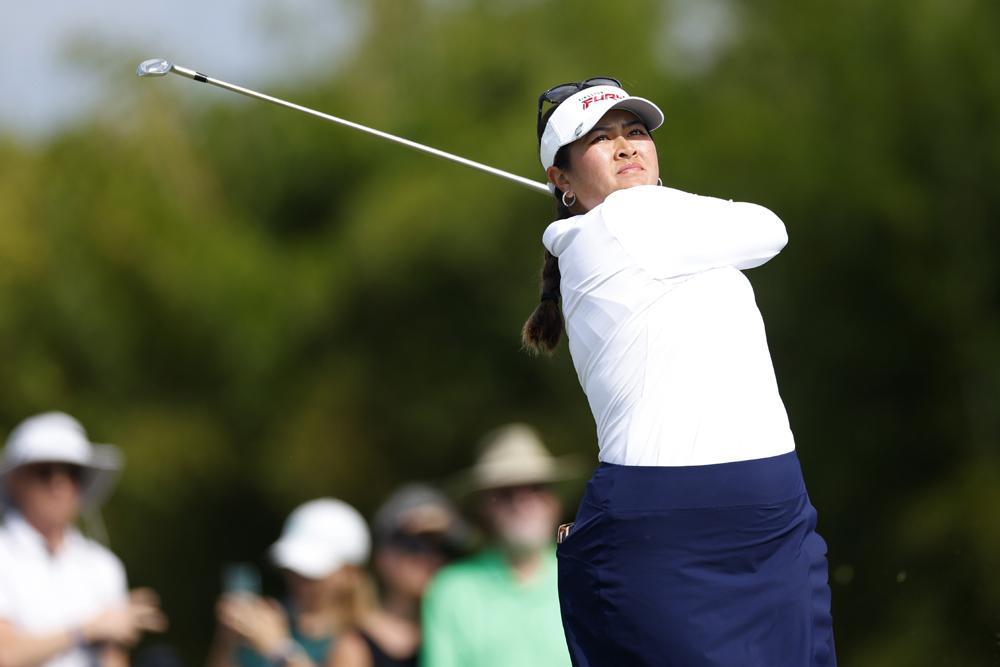
Matt Wallace Brought to Tears as ryder Cup Fate Comes into Focus
Overview: A sudden emotional moment for a Ryder Cup hopeful
Matt Wallace, fresh off a high-profile victory at the Omega European Masters a year earlier, has admitted publicly that his dream of a Ryder Cup debut is “slipping away.” The Englishman’s emotional reaction underlines how high the stakes are as ryder Cup qualification deadlines approach and selection conversations intensify.
Wallace’s recent form and the emotional toll
Following his breakthrough win at the omega European Masters, wallace returned to expectations of pushing for a spot on the European Ryder Cup team. Instead, inconsistent results in recent weeks left him short in the points race and reliant on a late surge or a discretionary pick from the captain. That reality – the possibility of missing out despite strong pedigree and a major win on the DP World Tour – brought Wallace to tears as the prospect of a first Ryder Cup appearance moved further out of reach.
Why the emotion matters
- Ryder Cup selection is a career-defining moment for many players; emotion reflects the weight of national representation.
- Wallace’s tears highlight the human side of elite competition – the gap between expectations set by past success and the present results-driven qualification system.
- It underscores pressure on players to peak at critical times in the season, especially on the DP World Tour and Rolex Series events that carry heavy ranking points.
How Ryder Cup qualification works (what Wallace is up against)
The Ryder Cup selection process relies on automatic qualification through points lists combined with captain’s picks. While exact mechanisms can vary by cycle, the broad pathway includes:
- Automatic berths earned via a points system tied to results on tour and major events.
- Additional selection via world ranking points for top-performing players.
- Captain’s picks to round out the squad,typically used for in-form players,course fits,or pairing chemistry.
For a player like Wallace, that means every high finish on the DP world Tour, strong showings in Rolex Series events, and world ranking movement can change the calculus.Missing automatic qualification often leaves a player reliant on the captain’s discretion – an uncertain and emotional position.
Context: The Omega European Masters win and what it showed
Wallace’s win at the Omega European Masters demonstrated his ability to close out events against top competition,highlight his clutch putting and ball-striking under pressure. Historically, such victories boost confidence and strengthen a Ryder Cup resume. but golf form can swing rapidly, and a single win – while significant – does not guarantee a stable place on a points table that measures consistency.
Performance snapshot
| Key Moment | Implication for ryder Cup |
|---|---|
| Omega European Masters win | Proof of big-event temperament; major boost to confidence and visibility |
| Recent inconsistent finishes | Reduced points accumulation; increased reliance on late-season form |
| emotional admission | Signals pressure and possible motivation boost to respond |
Implications for Team Europe
Wallace’s situation matters beyond his personal hopes. Team Europe selection debates often revolve around form versus pedigree:
- Form-first approach: selecting players in peak current form to maximize matchplay momentum.
- Experience and fit: choosing players for pairing chemistry, course suitability (Bethpage Black or other venues), and matchplay temperament.
Wallace offers an intriguing blend – proven tournament-winning ability and a game that can thrive in matchplay pairings – but the selection dilemma is whether current form outweighs those attributes.
What Matt Wallace must do next: practical paths back into contention
with qualification windows narrowing, Wallace’s options are straightforward but demanding:
- Target strong finishes in remaining DP World tour events and any Rolex Series tournaments still on the schedule.
- Improve world ranking through consistent top-20s and top-10s to press for an automatic or near-automatic berth.
- Demonstrate matchplay readiness and pairing versatility in interviews and on-course behavior to appeal to captain’s thinking.
Actionable checklist for Wallace (and similar Ryder Cup hopefuls)
- Prioritize events that offer high points and fit the player’s game.
- Work with the coach on short-game and putting – often decisive in matchplay.
- Use media opportunities to showcase team spirit and matchplay mentality.
- Manage physical and mental recovery to peak at selection deadlines.
What fans and media should watch
As the Ryder Cup selection window tightens, several storylines will be key to tracking Wallace’s fate:
- Immediate form: leaderboard finishes in the next two-to-four events.
- Captain’s comments on selection criteria and the value placed on recent form vs.past success.
- Any late-season surges in world ranking that could convert into automatic qualification.
- Media narratives around team chemistry – players who project strong pairing potential may gain an edge for a captain’s pick.
Case study: Late-season turnarounds that altered Ryder Cup outcomes
Golf history shows several players who clinched Ryder Cup spots with strong late-season form. These turnarounds typically share common factors:
- Focused scheduling to target high-point events.
- Short-term technical adjustments (putting stroke, bunker play) that yield quick results.
- Clear dialog with captaincy and team management to highlight matchplay suitability.
Wallace can look to those precedents for a blueprint: a short,intense run of quality golf can change selection outcomes even after a shaky mid-season.
Practical tips for aspiring Ryder Cup hopefuls (and what wallace’s experience teaches)
- Stay measurable: track strokes gained categories to no where to improve fastest.
- Prioritize mental routines that translate to matchplay (putting under pressure, quick recovery from mistakes).
- Build pairings practice: play alternate-shot or fourball scenarios with potential partners to demonstrate chemistry.
- Communicate with team leadership without appearing needy – show you’re a team-first player ready to step in.
FAQ: key questions about Wallace and Ryder Cup selection
Q: Is Wallace out of contention entirely?
A: No – while his chances may be slimmer than earlier in the season, a strong series of results or a captain’s pick can still secure a spot.
Q: Do Ryder Cup captains favor recent form?
A: Captains weigh both recent form and ancient performance, plus matchplay temperament and pairing fit. The balance varies by captain and year.
Q: What tournaments should Wallace target?
A: Focus on high-points DP World Tour events and any Rolex series tournaments that remain on the schedule; these events most affect points-based qualification.
Key takeaways for media and fans tracking the race
- Wallace’s emotional reaction is a reminder of how personal Ryder Cup selection is for players.
- Qualification combines points, world ranking, and captain discretion – none are guaranteed until final selections.
- Late-season form remains the most actionable lever for any hopeful in Wallace’s position.
Routing the narrative: how this moment could reshape Wallace’s season
Public admissions of disappointment can be a catalyst: some players respond by refocusing,refining key parts of their game,and turning emotion into performance. For matt Wallace,the next few weeks are the fulcrum – either a quiet acceptance of a missed opportunity or the start of a comeback that forces selectors to take notice. For followers of european golf and Ryder Cup fans, it’s a storyline to monitor closely as the points race reaches its decisive stages.