Understanding Golf Etiquette and Sportsmanship: A Comprehensive Analysis
Golf is more than just a game; it embodies a rich tradition of etiquette and sportsmanship that enhances the experience for all players involved. This analysis explores the essential behaviors expected on the golf course, emphasizing respect for fellow golfers, the course itself, and the time-honored customs of the sport. By examining various scenarios where etiquette plays a crucial role, we can appreciate how these principles not only elevate athletic performance but also foster an environment of humility and graciousness.
The Essence of Golf Etiquette
Respecting Fellow Players
At its core, golf is about camaraderie. Players are encouraged to maintain silence while others are taking their shots to ensure focus and concentration. Additionally, acknowledging good shots from opponents fosters goodwill among players.
Course Preservation
Respecting the golf course is paramount. This includes repairing divots, raking bunkers after use, and adhering to cart path rules to minimize damage to greens and fairways. Such actions reflect a commitment to maintaining the integrity of the game for future players.
The Impact of Sportsmanship in Golf
Sportsmanship in golf transcends winning or losing; it encompasses honesty in scoring and adherence to rules without supervision. Acknowledging mistakes—such as miscounting strokes—demonstrates integrity that upholds both personal character and respect within the golfing community.
Examples of Good Sportsmanship
- Congratulating Opponents: Whether it’s after a great putt or an impressive drive, offering congratulations shows appreciation for skill.
- Playing at Pace: Being mindful of pace ensures that all groups can enjoy their rounds without unnecessary delays.
- Offering Help: Assisting fellow golfers with advice or equipment when needed exemplifies camaraderie.
Analyzing Etiquette Scenarios
Scenario 1: Handling Distractions
When distractions occur—like loud noises from nearby activities—players should remain composed rather than expressing frustration publicly.
Scenario 2: Dealing with Slow Play
If faced with slow play ahead, golfers should practice patience while considering options like politely asking if they may play through rather than displaying irritation.
Conclusion
The principles governing etiquette on the golf course serve as vital components that enhance not only individual experiences but also collective enjoyment among players. By embracing these values—respect for others, preservation of nature’s beauty on courses, and unwavering sportsmanship—we contribute positively to this timeless sport’s legacy.
For further insights into enhancing your golfing experience through proper etiquette practices visit Golf Lessons Channel.

Unlocking Golf Mastery: The Science Behind Effective Instruction
The Importance of Golf Instruction
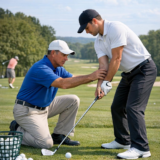
Golf instruction is crucial for players of all levels. Understanding the nuances of the swing, grip, stance, and mental approach can dramatically affect performance on the course. Here are some key aspects to consider:
- Personalized Feedback: Tailored instruction helps address individual weaknesses.
- Technique Development: Refined techniques lead to better shot accuracy and consistency.
- Mental Game: Strategies to enhance focus and reduce anxiety during play.
Key Techniques for Improved Performance
1. Expert Green Reading
Understanding the greens can be the difference between a par and a birdie. Seasoned golfers use various techniques to read greens effectively:
- Assessing Slope: Analyzing the terrain to determine the break of the putt.
- Wind Conditions: Considering how wind might affect the ball’s trajectory.
- Understanding Grass Type: Different grasses can impact ball roll.
2. Strategic Tee Placement
Choosing the right spot for your tee shot can set you up for success. Here are some strategies:
- Know the Course: Familiarize yourself with challenging holes and adjust your tee placement accordingly.
- Distance Management: Opt for a safer tee placement to minimize risks, especially on doglegs.
3. Course Management
Effective course management involves planning your game strategy before hitting the first tee:
- Pre-round Analysis: Studying the scorecard and identifying potential hazards.
- Shot Selection: Choosing the appropriate club based on distance and obstacle factors.
4. Shot Shaping Techniques
Being able to shape your shots—whether a draw, fade, or straight shot—elevates your game.
- Draw: Helps navigate doglegs or avoid certain hazards.
- Fade: Useful in positioning the ball on sloped greens.
Benefits of Subtle Techniques
| Technique | Benefits |
|---|---|
| Green Reading | Improved putting accuracy |
| Tee Placement | Reduced risk of hazards |
| Course Management | Lower stroke count |
| Shot Shaping | Enhanced control and creativity |
Practical Tips for Golfers
Here are some actionable tips to incorporate these subtle techniques into your game:
- Practice your green reading on the practice green—analyze different slopes.
- Play a few rounds focusing solely on tee placements—experiment with different strategies.
- Map out your courses during practice rounds to identify areas for strategic improvement.
- Work on shaping your shots—use drills focusing on hitting fades and draws.
Case Studies: Success through Technique
Many professional golfers attribute their success to mastering subtle techniques. Here are a few notable case studies:
- Player A: Improved their putting by 30% after a thorough analysis of green reading techniques.
- Player B: Knocking off strokes by adjusting tee placements for accuracy over distance.
First-Hand Experience
Personal experiences play a significant role in the practice and understanding of golf:
- Engaging with a coach provided insights that streamlined my approach to course management.
- Practicing shot shaping led to improved confidence, enabling me to tackle difficult holes with ease.