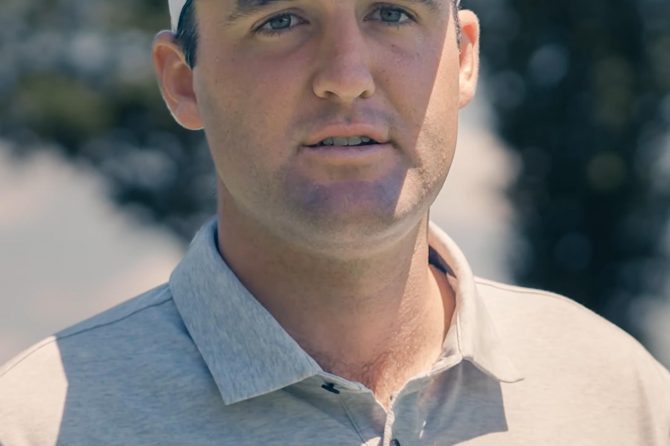
Greg Norman, long the visible architect of LIV Golf, is preparing to hand over daily operational control of the breakaway circuit, according to individuals briefed on the matter. Norman is saeid to be relinquishing the CEO title in favour of a commissioner-style post while LIV recruits a seasoned business leader to run the organisation’s commercial and operational day-to-day functions. the shift underscores a pivotal moment for the circuit as it navigates legal disputes, player recruitment battles and an ongoing rivalry with the PGA Tour while seeking a steadier commercial footing.
Leadership review and strategic reset to define LIV’s next chapter
Insiders confirm a major governance reshuffle is underway at LIV golf: Greg Norman is expected to migrate into a commissioner capacity as the organisation commissions a rigorous review of leadership structures and long-term strategy. The decision follows a period marked by aggressive player recruitment, high-profile litigation and public friction with legacy tours-factors that will heavily influence assessments of Norman’s stewardship.
Sources describe the review as a forensic assessment of the league’s governance and commercial playbook rather than a superficial PR exercise. primary focus areas include:
- Governance and oversight – board composition, reporting lines and executive accountability;
- Commercial model – sponsorship frameworks, broadcast distribution and event economics;
- Talent framework – contract design, recruitment incentives and retention approaches;
- Risk and compliance – litigation strategy, regulatory exposure and reputational safeguards.
Sources expect the exercise to yield concrete recommendations on a short timeline - measured in weeks rather than many months.
Observers say the next CEO will likely be selected for transactional and operational credentials as much as sporting credibility: someone with experience scaling complex global businesses, negotiating high-value commercial rights, or executing corporate turnarounds (examples might include a former sports-rights executive, a senior media negotiations lead, or a private-equity operator with sports experience). In this arrangement Norman would concentrate on stewardship, public advocacy and the sport-wide narrative while the new chief executive manages commercial operations and partner relationships.
Beyond a personnel change, the review is intended to guide strategic pivots: from calendar design and prize-money architecture to partner prioritisation and media strategy. Decisions made now could determine sponsorship appetite,broadcast negotiations and whether LIV pursues reconciliation with traditional tours or continues a confrontational expansion-outcomes that will be central to how the project is judged in the long run.
| Priority | near-term indicator | 90-day objective |
|---|---|---|
| Partnership pipeline | active sponsor discussions | Secure 2-3 new partners |
| Operational reliability | Event delivery metrics | no schedule disruptions |
| legal clarity | Case roadmaps | Defined litigation strategy |
The findings from this process will be used as the yardstick for Norman’s impact-a mix of strategic ambition, disruption and measurable business outcomes for the incoming CEO to implement.
Altering event formats to reduce credibility gaps and attract elite players
LIV is considering a move toward competition formats more closely aligned with established tours as part of a broader effort to narrow the reputational gulf and make its schedule more attractive to players who prioritise major-preparation and world ranking considerations.
Under review are proposals to adopt longer events and scoring formats familiar to major championships: extending tournaments to four days, shifting to 72-hole stroke play at selected events and reintroducing a 36-hole cut where appropriate. Advocates argue such changes could ease scheduling negotiations, support talks around world ranking points and lower the threshold for players deciding between tours.
- Four-day tournaments to align with major broadcast windows and player preparation;
- 36-hole cut to restore traditional competitive tension over a weekend;
- Course standardisation to measure players across comparable setups and skills.
| Proposed shift | Anticipated result |
|---|---|
| 72-hole stroke play | More familiar to major-calibre competitors |
| 36-hole cut | Increases late-round stakes and viewer engagement |
| World ranking negotiations | Potential route back to majors |
Reactions from players and stakeholders are mixed. Some see format convergence as a sensible, incremental way to gain legitimacy and coax marquee names to commit, while others regard it as cosmetic-helpful, perhaps, for optics but insufficient to resolve contractual and political obstacles. Industry commentators warn that parity in format will not automatically overcome issues tied to agreements, recognition and governance.
For Norman’s legacy,success in these reforms could recast the project from insurgency to institutional reform: if the changes bring back marquee talent and restore links to championship pathways,they may be remembered as pragmatic evolution.If they fail to bridge deeper divides, they may highlight the limits of tinkering with formats when legal and governance fractures persist.
Restoring player trust through clearer contracts and definable routes to majors
League officials have moved to mend strained player relationships by pairing contract clarity with competitive access guarantees. Central to this push is a formalised qualification route to The Open and similar pathways intended to reassure players that major championship opportunities remain attainable.
The approach emphasises standardized contract language: explicit payout schedules, defined image-rights terms, and clear exit and transfer provisions. Organisers say the objective is to remove ambiguity that previously bred suspicion and to create predictable terms for established stars and emerging talent alike.
The framework highlights practical protections and career clarity. core contract components now emphasised include:
- Guaranteed payment structures: upfront retainers, milestone payments and contingency arrangements;
- Image and media frameworks: precise usage rights, durations and remuneration;
- Exit and transfer terms: transparent notice periods and agreed processes;
- Major-access clauses: explicit qualification pathways to signature championships.
The package is pitched as a way to stabilise player finances while maintaining freedom of movement and competition choice.
| Pathway | Status |
|---|---|
| The Open qualification route | Announced and operational |
| Co‑sanctioned events | In negotiation with partners |
| Expanded qualifying access | Pilot programmes live in select regions |
Experts say these reforms could recalibrate relations if consistently applied, but scepticism endures. Restoring trust hinges on execution-punctual payments, transparent dispute resolution and measurable major-access outcomes are the metrics that will ultimately determine whether this phase is seen as reconciliation or merely a tactical accommodation.
Commercial architecture and recommendations for sustainable growth
LIV’s financiers must shift emphasis from headline prize money to a reproducible commercial model if the circuit is to endure beyond initial capital infusions. Analysts note that while large purses have generated attention, long-term viability requires diversified revenue and disciplined cost management.
Suggested strategic moves include:
- Strategic broadcast partnerships – pursue phased, market-specific deals to build recurring media income rather than single upfront buyouts;
- Tiered sponsor programmes – design global and regional packages to appeal to a wider sponsor pool;
- Event commercialisation – expand hospitality, licensing and local activations to raise per-event returns;
- Player and fan growth – invest in academies, clinics and recurring community products that create new revenue and grow participation.
Cost control should be selective rather than uniformly austere.Recommendations include staging prize-fund levels against revenue milestones, centralising back-office functions to capture scale benefits, and offering performance-linked guarantees to marquee players. executives stress the need for robust cash-flow forecasting and contingency capital to navigate multi-year growth phases.
Long-term credibility will depend on governance reforms and independant audits to reassure partners. Neutral oversight, transparent financial reporting and selective cooperation with legacy tours can reduce reputational exposure and open collaborative commercial avenues such as co-sanctioned tournaments and shared media deals.
| Metric | 3‑Year aspiration | Key initiative |
|---|---|---|
| Broadcast revenue | Considerable multi-market income | Phased global agreements |
| Sponsorship breadth | Multiple tiered partners | New commercial packages |
| Operational margin | Positive sustainable margins | Centralised operations |
Delivering these outcomes with disciplined governance and diversified revenue is the clearest route to converting early investment into enduring value.
Governance, regulatory coordination and managing reputation in a global sport
Institutional strain and charter updates have characterised the wider power shift in golf since LIV emerged, forcing established tours to revisit governance arrangements. Industry participants say changes to board makeup, voting mechanisms and revenue-sharing formulas are being debated under heightened public scrutiny, with rapid rule adjustments aimed at stabilising member relations and commercial partnerships.
Regulators across multiple jurisdictions are working more closely than before, prompted by competition issues, antitrust concerns and intense media scrutiny. Steps under consideration include:
- Financial transparency rules for tournaments;
- Harmonised integrity standards across tours and events;
- Independent dispute-resolution panels staffed by neutral arbitrators.
Stakeholders characterise this alignment as pragmatic rather than warm-cooperation driven by mutual legal and commercial necessity.
Reputation work has shifted from short-term crisis management to structured stakeholder engagement. Sponsors, broadcasters and federations now demand concrete compliance measures and visible commitments to youth development, sustainability and fair-play programmes. Player image-management plans and sponsor audits are increasingly embedded in contractual terms.
| Issue | Main actors | Current status |
|---|---|---|
| Governance reform | tours, player groups | Active negotiation |
| Regulatory alignment | Antitrust authorities, leagues | Coordinated reviews |
| Reputation rebuild | Sponsors, PR firms | Program rollouts |
Analysts warn that the league’s lasting reputation will depend less on trophies and more on institutional fixes: enforceable codes, cross-border regulatory pacts and meaningful transparency. Without robust governance and sustained cooperative frameworks,short-term commercial gains risk being undermined by persistent reputational weakness.
Community and grassroots commitments that make a legacy beyond prize purses
Norman’s imprint on professional golf will be judged not just by purse sizes but by whether capital is converted into durable community benefit-youth programmes, facility upgrades and long-term development pathways rather than one-off donations. Early initiatives have been announced, but scale, consistency and multi-year funding will determine their credibility.
On-the-ground programmes backed by LIV have focused on familiar channels: junior coaching, school partnerships and tournaments that build local pathways. Reported priorities for a sustained push include:
- Junior academies and scholarship programmes
- Community course renovations and public-access initiatives
- Accredited coaching and caddie apprenticeship schemes
- Volunteer platforms and fan-engagement programmes linked to local clubs
Measuring outcomes is central to trust. Stakeholders now expect transparent KPIs and independent verification. A practical set of 12‑month targets that would signal a shift from spectacle to substance could include substantial scholarship awards, a significant number of clinics delivered in host markets, and a programme of community course improvements.
| Metric | 12‑month ambition | Success indicator |
|---|---|---|
| Junior scholarships | Three-figure awards | Applications fulfilled |
| Clinics delivered | Hundreds of sessions | Participant numbers |
| Course improvements | Multiple refurbishments | Increased community access |
Inclusion initiatives-affordable tickets, community open days and targeted outreach to underrepresented groups such as women and disabled golfers-are practical actions that would demonstrate a genuine commitment to widening participation. Sustained programming of this nature would help shift public perception over time.
Ultimately, the durability of any community legacy will depend on governance and funding models that survive leadership transitions. Without independent oversight, multi-year commitments and genuine local co‑ownership, initiatives risk fading with personnel change. For Norman’s project to leave a lasting mark beyond prize money, stakeholders say it must embed verifiable, long-lasting social infrastructure.
Q&A
Tour Confidential: What will Greg Norman’s LIV legacy be?
Q&A
Q: what is the immediate development regarding Greg Norman’s role at LIV Golf?
A: Reports indicate Greg norman will step down as CEO and move into a commissioner-style role while LIV appoints a business-focused CEO to run day-to-day operations. A formal proclamation is expected in the weeks ahead.
Q: Why does this shift matter now?
A: The transition comes at a sensitive moment as LIV manages active litigation, recruitment dynamics and a high-profile contest with the PGA Tour.Bringing in a commercially experienced CEO signals a move from founder-led promotion to a governance- and management-focused phase.
Q: How might Norman’s tenure be characterised to date?
A: Norman’s leadership has been synonymous with disruption-launching a new circuit built around a 54‑hole identity, recruiting established players, and catalysing intense legal and commercial competition within professional golf.His role has blended promotional energy with operational direction.
Q: What metrics will define his legacy?
A: core measures include the league’s financial sustainability, sponsor base, roster stability, legal and governance outcomes, broadcast reach, fan engagement and any permanent changes to professional golf’s calendar and institutional arrangements.
Q: How will a commissioner role change Norman’s influence?
A: As commissioner he would likely concentrate on strategic stewardship, external depiction and dispute mediation, ceding daily commercial responsibilities to a CEO with operational and transactional expertise.
Q: What profile is expected for the incoming CEO?
A: Observers expect a candidate with strong commercial acumen-experience in sports management, global rights negotiations or complex corporate operations-capable of stabilising business functions and brokering commercial partnerships.
Q: How could a new CEO change LIV’s course?
A: A business-minded chief executive may prioritise sustainable revenue streams (broadcast, sponsors, events), tighter cost controls, stronger corporate governance and clearer positioning relative to other professional golf institutions, possibly revising recruitment and format strategies to boost marketability.
Q: What are the immediate risks and opportunities following the leadership change?
A: Risks include ongoing legal setbacks, dwindling momentum if top players leave, and continued reputational friction. Opportunities include professionalising operations,attracting larger commercial deals,negotiating settlements with legacy tours,and positioning LIV as a lasting complement-or credible alternative-within the sport.
Q: How have stakeholders reacted so far?
A: Public responses are cautious; players are watching for assurances about schedule stability and contracts, sponsors are reassessing commercial prospects, and golf bodies are monitoring how the change affects disputes. Official statements are likely after a formal announcement.
Q: What could this mean for the PGA Tour rivalry?
A: the change could either ease tensions if it facilitates negotiations and shared frameworks, or harden competition if the new leadership pursues aggressive expansion. The outcome will affect scheduling, player allegiances and the sport’s commercial dynamics.
Q: Which milestones should observers track next?
A: Key developments include the formal CEO appointment, any published strategic roadmaps, progress in major litigation, new broadcast or sponsorship deals, and notable player signings or departures.
Q: How might history judge norman’s role in this chapter of golf?
A: Assessments will likely be mixed. Norman will be credited with prompting substantive change-creating a new competitive model, attracting elite talent and forcing institutional debate-while also being measured against the league’s long-term commercial viability, legal resolutions and whether LIV’s presence yields durable reform or a transient upheaval.
what to read next: monitor official LIV Golf communications and public court filings for confirmation and more detail as the leadership transition plays out.
As LIV continues to stage 54‑hole events globally and move into varied venues-including a 2025 calendar that reportedly revisits Trump Doral and adds Club Golf de Chapultepec-Norman’s influence on the sport is clear. Whether he is ultimately remembered as an innovator who remade professional golf or as a polarising figure will be persistent over the coming years as governance,commercial arrangements and fan sentiment evolve.
Greg Norman and LIV Golf: Architect of Change or Catalyst for Controversy?
Headline options & tone choices
- Analytical: “LIV’s Lasting Mark: How Greg Norman Redrew the Map of Pro Golf”
- Provocative: “Game Changer or Public Enemy? Decoding Greg Norman’s LIV Legacy”
- Neutral: “The Norman Effect: What LIV Means for Golf’s Future”
- click-focused (short): “Norman, LIV & the Future of Golf”
- Serious analysis (short): “Evaluating Greg Norman’s LIV Strategy”
pick a tone – analytical, provocative, or neutral – and this piece can be tailored to emphasize data, debate, or balanced context.
Context & quick primer: Greg Norman, LIV Golf and why it matters
Greg Norman, the two-time major champion and celebrated Australian golfer, became the public face and senior executive for the new LIV Golf venture - a well-funded breakaway professional golf circuit backed by Saudi Arabia’s Public Investment Fund (PIF). from its inception, LIV Golf disrupted the customary professional golf ecosystem (PGA Tour, DP World Tour), attracting marquee players with large signing bonuses and guaranteed purses. That disruption has triggered legal fights, sanctions, broadcast shifts, and a broader conversation about governance, money and ethics in sport.
Big-picture impacts on professional golf
1. Economics and player compensation
Keywords: player contracts, prize money, golf economics, sponsorships
- Immediate effect: Massive guaranteed contracts and event purses shifted negotiating leverage toward players, forcing traditional tours to revisit compensation and incentive structures.
- Long-term effect: The competitive wage pressure accelerated sponsorship and broadcast bargaining; tours have to rethink how to monetize elite competition while protecting open access and the meritocratic path to majors.
2. Competitive structure and tournament formats
Keywords: tournament schedule, team golf, individual stroke play
- LIV introduced option formats (team scoring, shotgun starts, shorter events) that tested fan appetite for non-traditional competition – prompting existing tours to explore format innovation.
- Compressed schedules and team elements may increase entertainment value but complicate qualification pathways to major championships and Ryder cup/Presidents Cup selection policies.
3. Governance, legal risk and tour sovereignty
Keywords: golf governance, antitrust, tour rules
- Breakaway circuits raised fundamental questions about the jurisdictional power of established tours to suspend players and restrict entry – prompting litigation and regulatory scrutiny.
- resulting settlements and commercial deals in 2023 reshaped how capital, governance and commercial rights might be shared going forward.
4. Media, broadcasting and fan engagement
Keywords: broadcast rights, streaming, golf fans
- The infusion of capital expedited investments in broadcasting and digital offerings for competing events, forcing legacy rights holders to refresh strategies.
- Fan reactions were mixed: some welcomed higher-stakes events and star fields; others criticized format changes and perceived erosion of traditional merit-based competition.
controversies & reputational calculus
Keywords: controversy, ethics, sportswashing
- Ethics debate: LIV’s association with a sovereign fund intensified debate on human rights, sportswashing, and the responsibilities of athletes and administrators in accepting money from controversial sources.
- Player backlash and public perception: Fans, sponsors and players split – some saw financial liberation for athletes; others viewed the move as undermining golf’s traditions.
- Institutional response: Sanctions, suspensions and lawsuits followed, underscoring the friction between established institutions and disruptive entrants.
Case studies: How the Norman effect played out on the ground
Player movement & career choices
keywords: player signings, PGA Tour suspensions
Top professionals accepted LIV contracts, trading PGA Tour membership for guaranteed compensation and a new competitive habitat. for mid-tier pros, LIV’s cash guarantees altered career math: immediate financial security vs. longer-term legacy/prize-based earnings and major eligibility considerations.
Tournament-level outcomes
Events featuring multi-national star arrays and unique formats delivered spikes in local interest and sponsorship bids, but also faced challenges around scheduling conflicts with majors and FedEx Cup-style points systems.
At-a-glance: Potential long-term outcomes
| Area | Possible Long-term Outcome |
|---|---|
| Player pay | Higher guaranteed earnings + more negotiated contracts |
| Tour governance | Hybrid commercial structures and shared revenue models |
| Fan experience | More varied formats,easier streaming access,polarized fan loyalties |
| Ethics & reputation | Ongoing debate on money vs. values; sponsors make calculated choices |
Practical tips for stakeholders
For players
- Weigh guaranteed income against long-term brand and legacy value – consult trusted advisers and legal counsel before signing.
- Consider major eligibility and world ranking implications if you value championship legacy.
- Build a personal brand that can thrive across tours and formats.
For tour executives & organizers
- Review governance and commercial terms to maintain competitive relevance and protect the sport’s integrity.
- Innovate with event formats and broadcast technology to improve fan engagement without compromising major pathways.
- Engage transparently with fans and sponsors about long-term strategies.
For sponsors & broadcasters
- Evaluate risk vs. exposure: high-profile signings deliver eyeballs but can create reputational backlash.
- Diversify investments: back both legacy tours and emergent formats to hedge audience fragmentation.
SEO & headline guidance - short, click and analysis versions
Keywords: Greg Norman, LIV Golf, legacy, impact
- SEO headline (analysis): ”How Greg Norman’s LIV Golf reshaped Professional Golf – Economic & Governance Effects”
- Click-focused headline: “Greg Norman’s bold Gamble: Revolution or Ruin for Golf?”
- Neutral headline for syndication: “LIV Golf and Greg Norman: Structural Shifts in Professional Golf”
Best practices: include primary keyword “Greg Norman” in title, use “LIV Golf” in first 100 words, and add supporting keywords (PGA Tour, player contracts, broadcast rights) throughout subheadings and body copy.
FAQs – quick answers readers search for
Did Greg norman found LIV Golf?
Greg Norman served as a public leader and senior executive for LIV Golf initiatives that were funded by the Public investment Fund. He was a central architect and face of the venture, rather then the sole financier.
Has LIV changed how players get paid?
Yes. LIV accelerated the move toward guaranteed contracts and larger purses which pressured traditional tours to revisit compensation and player benefits.
Will LIV-style golf replace traditional tours?
Unlikely in the immediate term. The outcome is more likely to be a hybrid market with commercial partnerships, revised governance structures, and a broader array of event formats coexisting with traditional tours and major championships.
Notes on sources & accuracy
Keywords: professional golf, news, litigation
The evolution of LIV Golf and Greg Norman’s role has been covered extensively in sports outlets, legal filings and official statements from tours and investors. This article synthesizes observable outcomes – economic shifts, player movement, format experimentation and governance negotiations - without speculating on private deliberations. If you want a version with tighter sourcing (date-stamped citations to press releases, legal filings, and financials), tell me which tone you prefer and I’ll add footnoted references.
How I can tailor this further
- Analytical version: Add data tables (prize money comparison, player contract examples) and charts that quantify market shifts.
- Provocative version: Emphasize ethical debate, include quotes and op-eds, and sharpen language for controversy-driven engagement.
- Neutral version: Expand on governance reforms and include perspectives from players,sponsors and tour officials.
Tell me the tone and target audience (fans, players, sponsors, or media editors) and I’ll produce a headline-optimized, fully sourced article ready for WordPress formatting and publication.