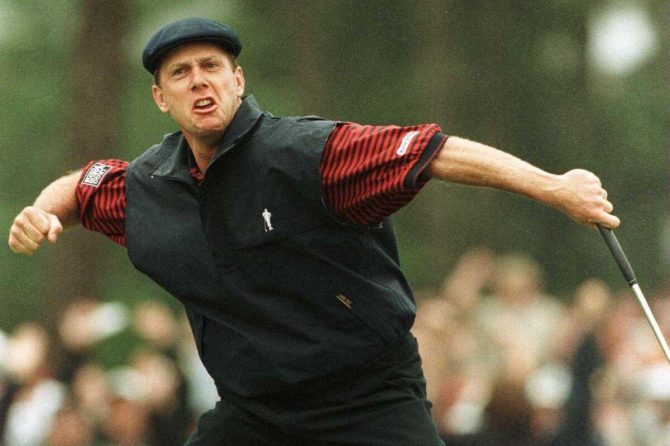
Consistent ball-striking and reliable directional control in golf arise less from isolated motions than from how the entire swing resolves-moast visibly in the follow-through. Often dismissed as purely aesthetic, this concluding phase provides practical information about force sequencing, balance retention, and tempo control-three elements that together determine how efficiently energy is delivered to the ball and how repeatable shots become. Drawing on kinematic and motor-control ideas, the text below explores how correct kinetic-chain timing, stability after impact, and controlled deceleration produce desirable clubface attitude and launch conditions. Combining diagnostic indicators, data-driven checkpoints, and focused practice methods, this rewrite gives coaches and players a structured, evidence-oriented pathway to measurable gains in consistency and scoring.
Kinematic sequence and energy transfer in the follow-through: foundations and applied guidance
The kinematic chain functions best when body segments reach their peak angular velocities in sequence from the center outward: pelvis → torso → arms → hands → clubhead. Practically, that means the downswing should begin with a purposeful hip rotation toward the target while the chest and shoulders remain slightly closed, storing rotational load that is released in order. Coaches commonly target roughly 90° of shoulder rotation on the backswing and about 45° of hip turn; at impact aim for around 10-20° of forward shaft lean on iron shots, hips opened in the order of 20-30°, and a weight distribution near 60/40 (trail/lead) at impact moving to approximately ~90/10 at the finish for full swings. These numeric references give players objective benchmarks: a balanced finish with the torso facing the target and the club fully released signals effective sequencing, whereas early release, casting, or restricted hip clearance indicates breakdowns that sap ball speed and increase dispersion.
To convert theory into on‑range progress, use progressive, measurable drills and clear setup checkpoints that reinforce proper sequencing and finish mechanics. Start with setup basics: maintain grip pressure around 4/10, stand roughly shoulder-width for mid‑irons (wider for the driver), position the ball from center to slightly forward depending on club, and hinge at the hips about 20-30°. Then layer in drills aimed at timing and energy transfer:
- Broomstick rotation – swing a shaft or broom with a metronome set to a 3:1 backswing-to-downswing rhythm to feel the hips lead the torso.
- Towel-under-arms – squeeze a small towel between chest and lead arm to preserve connection and discourage early arm separation.
- Step-through – incorporate a small forward step on the downswing to ingrain weight shift and hip clearance.
- Impact-bag / delayed release – press into an impact bag or perform half swings to reinforce wrist hinge through impact and prevent casting.
- Medicine-ball rotational throws – develop coordinated power by mirroring the proximal-to-distal sequence in explosive throws.
Newer players should prioritise slow repetitions and sensory cues; mid- and low‑handicap golfers should document progress with launch monitors (a realistic short-term target is a +2-5 mph clubhead speed gain over 8-12 weeks) and distance-control tests (e.g., 10-ball groupings of ±5 yards for recreational players, ±3 yards for better players). Equipment checks (appropriate shaft flex, correct club length, and wedge bounce) should run in parallel, as ill‑fitting clubs can hide or aggravate sequencing improvements.
Bring follow‑through control into course play and the short game by scaling the same sequencing principles to fit shot goals and conditions. To punch low into a headwind, shorten the swing while preserving proximal‑to‑distal timing and use an abbreviated follow‑through to keep trajectory down; for a soft‑landing approach, allow fuller shoulder rotation and an unhindered release. Around the greens, chips, pitches, and bunker exits demand a condensed sequence where the body initiates and the wrists play a reduced role-practice these with half‑speed repetitions focused on consistent contact and a compact finish. Common faults and fixes:
- Casting (early release) – counter with impact-bag work and target roughly 1-2 inches of hands-ahead contact on iron strikes.
- Reverse pivot – correct via weight-shift drills and ensuring the hips begin the downswing toward the target.
- Over‑rotation or balance loss – employ slow‑motion finishes and hold balance poses for 3-5 seconds to reinforce stability.
Also address the mental side: visualize the intended finish, commit to the shot, and modify strategy for lies, wind, and obstacles (as a notable example, choose a committed 3/4 swing with a shorter follow‑through to keep the ball beneath tree limbs). By marrying measurable mechanics, targeted drills, equipment tuning, and on‑course decisions, golfers can turn follow‑through refinements into fewer shots and steadier ball‑striking.

Lower‑body stability and weight‑shift tactics for dependable finishes
reliable lower‑body control starts with a repeatable address and a motion pattern that preserves a stable axis. At address, set up about shoulder‑width (1.0-1.2× shoulder width),maintain a mild knee bend of ~15-25°,and tilt the spine forward roughly ~5-7° so the shoulders can rotate around a steady axis.begin the backswing by loading the trail side to create an effective shoulder turn (target ~80-100° for full swings) while the hips rotate ~30-45°; keep the axis tilt so the lower body stores rotational energy instead of sliding. On the transition, emphasise a “bump then turn”-a small lateral hip movement of roughly 1-3 inches toward the target (individualised by physique) instantly followed by rotation-so that at impact the weight sits around 60-70% on the lead foot. A textbook follow‑through typically shows the hands and club over the lead shoulder,the front hip opened near ~45°,and most of the mass on the lead side; that finish is practical biofeedback confirming correct sequencing and weight transfer.
Turn these mechanics into consistent swings with structured drills that emphasise stability and efficient weight transfer for both full and short shots. Beginners should practise slow repetitions and hold the finish for 3 seconds to instil balance; intermediate and advanced players can add tempo work and resistance training to generate power without lateral slide. Suggested checklist:
- step drill – take a small step with the trail foot on the takeaway, return it on the downswing, and hold the finish for three seconds (3×10).
- Medicine‑ball rotational throws – 3 sets of 8 to build explosive hip rotation and controlled deceleration.
- Impact‑feel drill – hit half shots with an alignment stick under the lead armpit to preserve connection and avoid early extension (work up from 50 reps to full swings).
Watch for typical errors: early extension (counter with hip hinge and a flexed lead knee), lateral sliding (try a narrower stance or a balance pad under the trail foot to force rotation), and posture loss (reduce grip tension to ~4-5/10 and rehearse compact swings). Use video to monitor progress and set measurable goals such as holding a stable 3‑second finish on 80% of practice swings within four weeks.
Adapt lower‑body stability and weight‑shift rules to on‑course shots and short‑game choices.For example, on a firm fairway into the wind, shorten the swing and bias weight forward at impact (~65-75% lead‑side) to compress the ball; on an uphill stance, reduce lateral shift and keep more knee flex to prevent sliding. In the short game,keep a compact lower body for bump‑and‑run chips (weight ~60-70% forward) and use a stronger transfer for bunker explosions so the club can accelerate through sand. Pair these technical adjustments with a concise pre‑shot routine and a mental image of the finish to tie rehearsal to execution under pressure. For practice planning, aim for two range sessions weekly focused on tempo and weight transfer plus two short‑game sessions working varied lies; track metrics like balanced finishes held, shot dispersion, and up‑and‑down percentage to quantify scoring improvement.
temporal coordination and ideal tempo for consistent contact
Create a reproducible timing pattern by prioritising steady temporal coordination between takeaway, transition, downswing, and follow‑through rather than chasing raw clubhead speed. many high‑level coaches and players aim for a backswing‑to‑downswing ratio in the range of 2.5-3:1 (such as, a backswing of ~0.6-0.9 seconds followed by a downswing of ~0.2-0.3 seconds).Attain that feel by producing a smooth accelerating transition initiated by the lower body with the hands following-this tends to yield a shallow, repeatable attack angle for irons (divot begining ~1-2 inches past the ball) and a neutral shaft lean at impact for woods and driver. Keep the wrists hinged through impact and allow natural extension; a balanced, full finish generally confirms correct timing and a square face at impact. Targets to monitor include 5-15° of forward shaft lean with mid‑to‑short irons, center‑face strikes within a 1-1.5 inch dispersion for consistent distance, and impact‑bag validation of forward shaft lean and hand position at impact.
Progressive drills help transfer temporal concepts into stable motor patterns across skill levels. Start with tempo‑specific exercises: use a metronome or tempo app set to a steady beat to lock in a 3:1 rhythm; perform slow swings to the top with a 1-2 second pause to feel the hip‑led transition; and combine impact‑bag and towel drills to maintain body‑arm connection through impact into the finish. A sample routine:
- Metronome drill: 10 deliberate reps at 60-80 bpm emphasising a 3:1 ratio, followed by 20 shots without the metronome maintaining the same sensation.
- Pause‑and‑release: Pause 1-1.5 seconds at the top on 10 swings, then accelerate smoothly to impact to ingrain hip‑first sequencing.
- Impact‑bag/towel work: 15 presses to verify forward shaft lean and hand position,then 20 full swings focusing on extension into a steady finish.
Set measurable objectives such as reducing lateral head movement to ≤2 inches at setup, producing consistent divots for irons, and finishing with torso rotation exceeding 90° from address-metrics that make weekly progress observable.
Apply tempo control on the course and around the greens by modifying swing length, attack angle, and rhythm to match lies, wind, and risk choices. For instance, into a strong headwind shorten to a 3/4 swing but preserve the 3:1 tempo to produce a lower, penetrating flight; when attacking small greens, favour a controlled tempo to tighten dispersion and stabilise spin. Around the green keep the wrists quiet and allow rotation and measured shaft acceleration to determine contact on bump‑and‑run shots; on delicate lob shots add a touch more wrist but maintain tempo to avoid deceleration. Correct common faults-casting, sway, or a rushed transition-using mirror/video feedback, alignment sticks to keep base width, and breathing or pre‑shot routines to steady tempo under pressure. Linking temporal coordination to follow‑through and course management converts technical control into strategic advantage.
Clubface control and release mechanics: maintaining directional precision
Everything starts with a reliable setup that gives the player command of the clubface before motion begins. Use an alignment stick or club on the ground to ensure the leading edge and the face are square to the intended line-this remains the simplest predictor of direction at impact. With irons, adopt a modest forward shaft lean (~3-7°) to de‑loft the club slightly for solid compression; with wedges allow less forward lean to preserve loft. Grip pressure should be firm but relaxed-roughly 4-6/10-and the thumb/forefinger “V” should point between the trail shoulder and the chin to enable controlled forearm rotation. Confirm ball position matches club selection (center to slightly back for short irons, progressing forward for longer clubs) so the club meets the ball at the expected dynamic loft. Quick pre‑practice checks:
- Alignment: clubface square with feet and shoulders parallel to the target line.
- grip: neutral with visible knuckles and pressure around 4-6/10.
- Ball position: set relative to stance and club, using a single pre‑shot reference.
Drilling these setup routines deliberately yields measurable gains in directional consistency.
After a reliable setup, concentrate on release mechanics and the follow‑through as the relationship between face and path at impact sets initial curvature and direction. The release combines wrist unhinge, forearm rotation (lead forearm pronation, trail forearm supination through impact), and extension toward the target-preserve lag through the transition (the shaft‑to‑lead‑forearm angle) until just before contact for the best control. A reasonable performance goal is a repeatable face square to within ±2° at impact as confirmed by video or launch monitor. Train release with drills such as:
- Toe‑up / toe‑down – swing to midway so the shaft is toe‑up on the backswing and toe‑down on the follow‑through to cultivate correct forearm rotation.
- impact bag / towel – press into an impact bag or use a towel under the armpit to feel compression and delayed release instead of flipping.
- One‑hand swings – 10-15 slow reps with the lead hand only to internalise face control and extension.
Typical faults include early flipping and arrested release. Simplify tempo, reinforce wrist set at half‑swing, and sequence hips→shoulders→arms so body rotation-not frantic hand action-governs the release. Read the follow‑through as a diagnostic: a balanced, elevated finish with the shaft pointing at or beyond the target usually indicates a square face‑to‑path release; an excessively closed or open finish points to a face‑to‑path mismatch that needs immediate technical attention.
Translate face control and release into course situations by aligning shot shape with lie, wind, and hole strategy, and by ensuring equipment supports the intended release. As a notable example, to flight a controlled fade around bunkers and a left‑to‑right wind, open the stance and slightly open the clubface at address; to shape a draw around obstacles, close the stance and allow a modest in‑to‑out path with a relatively closed face to the path. Equipment aspects-lie angle,shaft torque,and grip size-affect how the club feels through release and should be checked by a fitter if directional problems persist despite sound technique. Practice should combine technical work with on‑course simulations and measurable targets:
- Use a launch monitor on the range to log face angle at impact and club path, and aim to reduce face variation to within ±2° and lateral dispersion to under ±10 yards at a given distance.
- Play 9‑hole templates where you intentionally shape two different shots (fade/draw) on specific holes to practice decision‑making and execution under pressure.
Pair these drills with a concise pre‑shot routine and finished‑focused visualization-committing to the follow‑through reduces tinkering and improves release consistency, which in turn tightens scoring and approach accuracy across variable conditions.
Common follow‑through faults,diagnostic indicators,and corrective protocols
Diagnosis starts by observing ball flight,impact marks,and the player’s position at the finish. Problems such as weak low shots,thin contact,pulls/slices,or shallow divot patterns usually trace to particular follow‑through faults: casting (loss of lag and weak loft),over‑the‑top (outside‑in path causing pulls/slices),chicken‑wing (collapsed lead arm limiting rotation),and hanging back (insufficient weight transfer). Simple diagnostic cues help: a short, high divot starting at the ball points to a steep, decelerating strike; a long divot beginning past the ball suggests good extension through impact. Technical targets include around 10-15° forward shaft lean at impact, 50-70% weight on the lead foot at impact, and a finish with the belt buckle and chest toward the target and the shaft approximately down the target line. Verify these using slow‑motion face‑on and down‑the‑line video, impact tape to check strike location, and comparison to ideal finish postures.
Corrections focus on restoring extension, sequencing, and balance.For early release/casting, try the towel‑under‑arms and “pump at the waist” drills to rebuild connection and hold wrist hinge through impact; practice sets of 20 slow reps aiming to sustain forward shaft lean at impact for 2 seconds. For over‑the‑top, use an inside alignment‑rod gate and perform an inside‑out path drill from half to full swings, ensuring the clubhead approaches inside the target line on the downswing; target the right elbow tucking under the shoulder within the initial 0.15-0.25 seconds of the downswing. For chicken‑wing and rotation failures, use step‑through drills and mirror checks to encourage full torso rotation-aim for 45-60° hip rotation and a balanced finish with 80-90% weight on the lead foot. Helpful tools:
- Feet‑together swings for tempo and balance
- Impact bag strikes to feel forward shaft lean
- Metronome work (e.g., 3:1 backswing:downswing at ~60-70 bpm)
- Low‑trajectory “hold‑down” drill for windy play (de‑loft at impact and shorten finish)
Remember equipment’s role: heavier or more flexible shafts, and incorrect lie angles change release timing and path. Have clubs adjusted by a professional and use impact feedback to fine‑tune corrections.
Integrate technical revisions into a periodised practice plan so improvements become durable and measurable. Begin with focused range sessions (2-3 technical drills per session, 10-30 minutes each), then move to on‑course simulations-play a 9‑hole loop where you shape three deliberately different shots (fade, draw, low punch) and log how follow‑through changes influence dispersion and scoring. Record statistics such as fairways hit, greens in regulation, and strokes‑gained around the green to quantify change. For short‑game work, favour a low‑hands finish on chips and an accelerating, controlled finish on pitch shots-practice lag‑putts with a stopping target of 3 ft from 25-40 ft to reduce three‑putts. Advanced players can combine impact‑bag practice with launch‑monitor metrics to dial in release timing and monitor launch and spin for desired shapes. Also address the mental routine: rehearse a pre‑shot ritual that cues a planned finish, use conservative follow‑through adjustments in windy or tight holes, and set weekly measurable targets (e.g., increase lead‑foot pressure to >60% at impact in 80% of monitored swings). Layered, evidence‑based interventions that align swing mechanics, short‑game technique, and on‑course strategy produce more repeatable performance and lower scores.
Progressive drills and practice plans to embed a dependable follow‑through
Make the follow‑through the natural outcome of correct impact mechanics by following a systematic setup‑to‑movement progression. Establish core alignment and posture: feet shoulder‑width for full irons (slightly wider for driver), ball position center to 1 ball left of center for mid‑irons and off the left heel for driver, knee flex ~10-15°, and neutral spine tilt to permit free shoulder rotation.Sequence the motion with a controlled takeaway, wrist hinge approaching ~90° at the top for longer clubs, and a downswing initiated by the lower body so the hands and club release in a cascading manner. Measurable aims include a backswing:downswing tempo near 3:1, weight transfer to >85% lead foot at finish, and torso rotation approaching 90° from address-markers that make a correct finish predictable rather than cosmetic.
Progress drills from slow positional work to on‑course pressure. Start with mirror holds and slow reps, then progress to dynamic impact exercises and simulated rounds. Effective drills include:
- Mirror finish hold – perform slow swings and hold the finish 3 seconds to reinforce hip and shoulder rotation; aim for 8/10 reps with the belt buckle toward the target.
- Towel under lead arm – preserves connection and prevents early extension; 3 sets of 10 at 50% speed.
- Impact‑bag or closed‑gate – enforces a square face and proper release; target face angles within ±3° on launch‑monitor checks.
- Putting metronome – match backswing and follow‑through lengths at 60-72 bpm to stabilise stroke tempo; practise 30 putts and track make percentage inside 10 feet.
- Spine‑angle retention – towel across shoulders to maintain posture through impact and encourage full extension into the finish.
Sequence training stages: positional repetition (10-20 reps), tempo integration (50% speed with tempo focus), and pressure simulation (game‑style goals such as fairways hit or two‑putt conversion). Practise corrective cues for common problems-early release (“lead hip through”), collapsed finish (“stand tall and rotate”), and overactive hands (“let the lower body lead”). Measure improvement by tracking dispersion, face‑angle deviation, greens‑in‑regulation, and up‑and‑down percentage week‑to‑week.
apply practiced mechanics across shot types and conditions. Into a strong wind or when executing punch shots shorten the backswing and limit wrist hinge so the follow‑through is abbreviated-this lowers spin and trajectory while keeping the face square. Into receptive greens or when attacking pins use a fuller finish to maximise spin and stopping power. Equipment changes-stiffer shafts, heavier grips-will shift release timing and should be incorporated into practice until finish positions feel consistent. A sample weekly practice structure: 3 sessions of 30-45 minutes focusing on the drills above and one on‑course simulation while recording situational KPIs (fairways, GIR, scrambling, putts inside 8 feet). Add breathing and concise mental cues-commit, breathe once, visualise, and trust the finish-to convert technical repetition into reliable scoring under pressure. If shots are pulling or slicing, re‑check alignment and hip action; if distance control varies, return to tempo work; if short‑game contact thins, shorten the follow‑through and reduce wrist hinge. With progressive training,measurable tracking,and context‑sensitive tweaks,the follow‑through becomes a dependable,score‑lowering component of the game.
Objective assessment tools and feedback tech for monitoring follow‑through consistency
Objective evaluation rests on quantifiable metrics related to the follow‑through: clubface angle at impact (°), club path (° relative to target), attack angle (°), clubhead speed (mph), impact loft (°), and finish‑hold timing (seconds). With high‑precision instruments-TrackMan and FlightScope launch monitors, 3‑D motion capture, and high‑speed video-instructors can build baselines and acceptable tolerances (for example, for better players ±2° face, ±1° path, ±0.5° attack angle; wider windows for beginners). Practically, sample at least 30 swings across conditions (dry, wet, into wind, downwind) to compute means and standard deviations; this statistical approach separates repeatable issues from single‑shot noise. Combine these measurements with principles from applied follow‑through studies and aim for consistent extension (hands roughly 6-10 inches past the ball plane at finish for full irons) and torso rotation >90° from address for full swings.
Feedback devices deliver rapid, actionable cues. Wearable IMUs on the shaft, wrists, torso, or pelvis report release timing and shaft lean in real time; pressure mats (BodiTrak or force plates) show weight transfer and center‑of‑pressure movement-key indicators of a stable finish.High‑speed video (240-1000 fps) with overlays allows frame‑by‑frame review of wrist set, extension, and shoulder plane; instructors can timestamp impact and evaluate follow‑through to 0.01 s. Use data‑driven drills to convert measurements into motor memory:
- finish‑hold drill: 20 half‑to‑full swings, hold finish 2-3 seconds; log success rate and reduce allowed body sway to ≤4 inches.
- Pressure‑shift drill: practise target 70% lead‑side weight at finish on a pressure mat with audible corrections for early retention.
- Release‑timing drill: attach an IMU to the shaft and train to a consistent release window (e.g.,within ±0.05 s) using metronome or haptic cues.
Scale tolerance and complexity by ability: beginners aim for a balanced finish held for 2 seconds; intermediates add tempo targets (backswing:downswing ≈ 3:1); low‑handicappers refine metric variance to tighter ranges.
Convert objective gains into course strategy through scenario practice and awareness of environmental effects.For a 180‑yard into‑wind approach, shorten extension and shallow the attack angle to create a knockdown 7‑iron with 2-4° shallower attack and roughly 200-400 rpm less spin; to shape a fade, rehearse a slightly open face at impact (1-2° open) and a controlled release through the target line. account for equipment effects-shaft flex, lie angle, grip size-and adjust ball position, stance width (shoulder‑width for full irons), and spine tilt to achieve the intended attack. Also factor in competition rules: some feedback devices are restricted in tournament play, so prioritise process goals (hold finish, tempo) in pre‑shot routines. By tying measured metrics, systematic drills, and on‑course tactics together, golfers create repeatable follow‑through consistency that reduces dispersion, lowers stroke average, and tightens short‑game control and green reading.
Q&A
Note on sources
– A targeted web search returned unrelated results and did not produce additional peer‑reviewed sources specifically on follow‑through mechanics for this rewrite. The Q&A below is derived from common biomechanical principles, coaching practice, and the original article source (https://golflessonschannel.com/master-the-follow-through-unlock-consistency-in-your-golf-swing/).If you want, I can append citations from biomechanics journals or coaching textbooks to support specific claims.
Q&A: Unlock consistency – mastering the follow‑through in your golf swing
1. Q: What is the follow‑through and why dose it matter for consistent performance?
A: The follow‑through is the continuation of club and body motion after impact until a balanced finish. It’s vital because it reveals whether energy, timing, and balance were delivered correctly at impact. A coherent follow‑through indicates effective kinetic‑chain transfer and face control; a poor finish often signals timing errors, premature deceleration, or sequencing faults that create inconsistent distance and direction.
2. Q: What biomechanical concepts support an effective follow‑through?
A: Core principles include: (a) proximal‑to‑distal sequencing from the ground up; (b) smooth conservation and release of angular momentum rather than abrupt stopping; (c) stable center‑of‑mass control and appropriate weight transfer; and (d) consistent tempo and rhythm to preserve the timing of segment interactions.
3. Q: How does the follow‑through demonstrate energy transfer during the swing?
A: A fluid, continuous follow‑through suggests that energy generated by the lower body and torso travelled efficiently through the arms into the club at impact. If the player decelerates abruptly or “arms” the shot, that loss of energy transfer shows up as reduced ball speed and more variable outcomes.
4. Q: which sequencing mistakes typically produce a subpar follow‑through?
A: Frequent errors include the arms taking over early, stalled hip rotation or sliding, premature wrist uncocking (casting), and excessive upper‑body tension-each leading to a short, collapsed, or off‑balance finish.
5.Q: How does tempo affect follow‑through and shot consistency?
A: Tempo (backswing:downswing ratio) dictates when segments activate. A steady tempo produces predictable sequencing so the follow‑through completes naturally. Coaches frequently enough cite a 3:1 ratio as a useful benchmark, but individual optimal tempo varies. Irregular tempo increases variability at impact and disturbs the finish.
6. Q: What objective measures evaluate follow‑through quality?
A: useful metrics include clubhead and ball speed, smash factor, face angle at impact, club path, vertical attack angle, impact location, trunk/pelvic rotation angles, and time to a stable finish. These are captured by launch monitors, IMUs, force plates, and motion capture. Consistency is signalled by reduced variance (SD) across repeated swings.
7. Q: which coaching cues reliably improve the follow‑through?
A: Concise, outcome‑focused cues work best: “Rotate through the shot,” “Finish chest to target,” “Hold finish for two seconds,” and “Extend the arms after impact.” Focus on one cue at a time to prevent cognitive overload.
8. Q: Which drills speed up learning a dependable follow‑through?
A: Effective practices include:
– finish‑hold drill: hit to a wide target and hold a balanced finish 2-3 seconds.- Slow‑motion swings: full swings at ~50% speed emphasising continuation through impact.
– Broomstick/shaft rotation: promote torso‑arm connection.
– Impact‑bag/tee work: develop compression and natural continuation.- Step‑through: small forward step post‑impact to train weight transfer.
9. Q: How should practice be structured to make follow‑through changes stick?
A: Begin with blocked, deliberate practice and immediate feedback (video or sensor), then progress to variable practice (different clubs, lies, targets) to encourage transfer. use short, frequent sessions over long, infrequent ones and measure consistency weekly with launch‑monitor or dispersion data.
10. Q: What role does balance play and how can it be trained?
A: Balance provides a stable base for consistent impact geometry and allows the finish to reveal mechanical issues. Train balance through single‑leg stability, proprioceptive exercises, and holding swing finishes. On course, maintain a slightly wider base and adequate knee flex to support rotation.
11. Q: Does the desired follow‑through differ by club?
A: The underlying mechanics are consistent across clubs, but the aesthetic finish varies: longer clubs usually allow larger rotation and longer finishes; wedges and short irons frequently enough show compact finishes. Emphasise sequencing over identically matching the visual finish for all clubs.
12. Q: How does equipment influence follow‑through and consistency?
A: Shaft stiffness, club length, and grip size change timing and feel. Stiffer shafts and shorter clubs typically demand faster sequencing; mismatched equipment encourages compensations that hurt the finish. Proper fitting prevents equipment from undermining mechanics.
13. Q: Which injuries are linked to poor follow‑through and how to reduce risk?
A: Abrupt deceleration or compensatory actions can contribute to lower‑back strain (from poor hip rotation), elbow issues (from sudden wrist forces), and shoulder overuse. Mitigation strategies include core and hip strengthening, mobility work (thoracic rotation, hip mobility), and technique changes that encourage smooth energy release.
14. Q: How can progress be measured objectively?
A: Monitor variance of launch‑monitor metrics (face‑angle SD, dispersion, carry SD) and kinematic repeatability (segment angles at impact). Reduced variance and stable or improved means indicate progress. Use video to confirm repeatable finish positions.15. Q: What practical benchmarks should amateurs set?
A: Tailor benchmarks to the player. Short‑term: hold a balanced finish 2-3 seconds on 80% of swings; reduce lateral dispersion by ~10-20% over 4-8 weeks. Long‑term: stable tempo, repeatable impact conditions, and predictable dispersion across clubs.
16. Q: How should coaches deliver feedback to speed learning?
A: Prioritise one mechanical focus, offer immediate objective feedback (video/data), and use inquiry (ask players how it felt). Combine augmented feedback with opportunities for players to self‑adjust for better retention.
17. Q: Can the follow‑through be improved without altering the backswing or downswing?
A: Partially-balance,tempo,and continuation can be trained independently. However, because the follow‑through reflects upstream sequencing, meaningful improvements often require addressing downswing timing, hip rotation, and release mechanics.
18. Q: What advanced lab methods analyze the follow‑through?
A: use 3‑D motion capture, force plates for ground reaction forces, IMUs on body and shaft, and high‑speed video synced with launch‑monitor data to map sequencing, forces, and energy transfer.
19. Q: What immediate practice signs show a healthy follow‑through?
A: Look for a balanced finish held briefly,chest and pelvis rotated toward the target,lead foot loaded and trail foot light,relaxed extended arms,consistent flight and spin,and repeatable impact feel and sound.
20. Q: What is a sample 4‑week protocol to improve follow‑through consistency?
A: Week 1: baseline assessment (video/launch monitor), basic drills (finish‑hold, slow‑motion) – 3 sessions/week, 20-30 minutes. Week 2: add rotational drills (broomstick, step‑through), controlled tempo work. week 3: integrate impact‑feel drills (impact bag/tee), increase practice variability. Week 4: on‑course simulations, pressure reps, and final assessment comparing variance to baseline. Adjust the plan based on objective data.
If desired:
– I can convert the Q&A into a one‑page player handout, a coach’s checklist, or an evidence‑cited version with peer‑reviewed sources and figures.
– I can also condense the material into short coaching cues and a 6‑week,handicap‑specific practice plan.
A methodical examination of follow‑through mechanics shows that consistent golf swings arise from coordinated sequencing, stable balance, and controlled tempo. When those components align, proximal energy is efficiently transmitted to the clubhead, improving directional control and shot repeatability. The follow‑through is therefore more than style-it is a diagnostic and training target that, when addressed with measurable drills, objective feedback, and motor‑learning principles, becomes a durable advantage on the course.
Future research should continue to connect applied coaching practices with biomechanical evidence to refine which interventions most effectively standardise follow‑through patterns across diverse players. Treating the follow‑through both as an outcome and as a training focus allows golfers and coaches to systematically reduce variability and sustain long‑term performance gains.

Perfect Your Golf Swing: The Secret Power of a Consistent Follow-Through
Why the Follow-Through Matters for Power, Accuracy, and Consistency
The follow-through is more than a stylish finish – it is the final verification of everything you did during the swing. A consistent follow-through indicates proper sequencing, balanced weight transfer, and controlled clubface rotation at impact. When you master follow-through mechanics, you’ll see improvements in clubhead speed, ball flight control, and repeatability under pressure on the course.
Biomechanics Behind an Effective Follow-Through
Understanding the body mechanics helps you fix flaws faster. These are the core biomechanical principles that power a consistent follow-through:
1. Proximal-to-Distal Sequencing
- Begin rotation with the hips, then the torso, shoulders, arms, and finally the hands and clubhead. This “proximal-to-distal” sequence maximizes clubhead speed while protecting the wrists and elbows.
2. Balanced Weight Transfer
- Shift weight from the trail foot to the lead foot through impact. A proper transfer creates a stable finish and keeps the swing on plane.
3.Extension and Release
- After impact, allow the arms to extend naturally toward the target while the wrists unhinge and release. This extension helps produce consistent launch and spin.
4. Rotational Finish & Spine Angle
- Finish with chest open toward the target and spine tilted slightly behind the ball line. Maintain posture to ensure the swing was delivered on plane.
5. Tempo and Rhythm
- Consistent tempo prevents rushed deceleration or an early release (casting). Smooth backswing and transition set up a reliable follow-through.
Fast takeaway: A good follow-through reflects good impact. if your finish is out of balance or chopped, re-check sequencing and weight transfer first.
Common Follow-Through Faults and How to Fix Them
Pinpointing the fault makes drills more effective. Here are typical errors and practical corrections.
Fault: Early Release (Casting)
- Symptoms: Loss of distance, weak ball flight, low spin.
- Fix: Practice the lag drill – pause at the top, start down slowly and feel the clubhead lag behind the hands. Use impact bag or half-swings focusing on hinge timing.
Fault: Falling Back or Losing Balance
- Symptoms: Poor contact and inconsistent direction.
- Fix: Work on weight shift drills (step drill) and hold the finish for three seconds to build balance awareness.
Fault: Open or Closed Clubface at Finish
- Symptoms: Slices or hooks, inconsistent ball flight.
- Fix: Check grip and path. Use alignment stick on ground and swing with slow-motion practice to observe clubface rotation through impact.
Practical Drills to Build a Consistent follow-Through
Drills below are designed to train sequencing, balance, and release. Start slowly and build speed as technique becomes consistent.
Towel Under Arm Drill (Keeps Connection)
- Place a small towel under your right armpit (right-handed golfer).
- Make half and three-quarter swings while keeping the towel in place; focus on rotating through and finishing balanced.
Step Drill (Improves Weight Transfer)
- Address the ball with feet together.
- On the backswing, lift the lead foot, then step forward into the finish as you swing through impact.
pause-at-Impact Drill (Feedback on Release)
- Make slow swings and freeze your position at impact for a count of two, then complete the follow-through.
- Analyze hand position, shaft lean, and hip rotation – then repeat with smooth follow-through.
Metronome Tempo Drill
- Use a metronome app to keep a consistent rhythm (e.g., 3:1 backswing to downswing ratio). A repeatable tempo yields a repeatable follow-through.
Sample Practice Routine: Build a Better Follow-Through (45-Minute Session)
| Segment | Duration | Focus |
|---|---|---|
| Warm-up (stretch & wedges) | 8 min | Mobility, short swings |
| Towel Drill + Half Swings | 10 min | Connection and arm extension |
| Step Drill | 8 min | Weight transfer and balance |
| Impact Pause Drill | 7 min | Release timing |
| Full Swings with Metronome | 10 min | Tempo and finish hold |
| On-course Application | 2 min | One focused shot with each club |
How Follow-Through Changes with Different Clubs
The finish will vary depending on the club, but core principles remain the same: sequencing, extension, and balance.
- Driver: Fuller body rotation, longer follow-through, and more emphasis on upward strike and clubhead speed.
- Irons: More downward strike with controlled extension; maintain shaft lean through impact and a balanced, controlled finish.
- Wedges: Shorter backswing but crisp release; follow-through confirms the amount of spin and launch.
- Short Game: Precise control, less extension; the follow-through still reflects the quality of impact and trajectory control.
Measuring Progress: Simple metrics to Track Follow-through Consistency
Use objective and subjective measures to monitor improvement.
- Clubhead speed (radar or launch monitor): should increase or stabilize as technique improves.
- Shot dispersion: tighter landing areas indicate better control and consistent follow-through.
- Balance holds: increase the time you can hold your finish without swaying.
- Impact position photos/video: compare before/after to evaluate extension and hip rotation.
Quick Checklist: are You Finishing Unlocked?
| finish Element | What to See |
|---|---|
| Chest Rotation | Facing or nearly facing the target |
| Lead Foot | Balanced, weight mostly on the toe |
| Arm Extension | Arms extended toward target, not collapsed |
| Club Position | Shaft across shoulders or wrapped around neck |
| Posture | Spine tilt maintained, not hunched |
Case Study: Turning a Slice into a Straight Drive
Player: Amateur golfer with chronic slice and weak finishes.
- Initial diagnosis: open clubface at impact and early casting; weak finish with weight still on trail foot.
- Plan: Address grip (slight strengthen), implement towel-under-arm drill, step drill, and tempo metronome practice for four weeks.
- Result after 6 sessions: Reduced dispersion,straighter ball flight,improved carry distance,and a more balanced finish held for 2-3 seconds.
Integrating Follow-Through Work into On-Course Play
Practice on the range matters, but transferring the follow-through to the course is essential:
- Play short rounds focused on one element: e.g., every tee shot emphasizes a balanced finish.
- Before each shot, visualize the ideal finish you want to hold for three seconds.
- Use pre-shot routine to set tempo and target a consistent finish as part of your mental game plan.
Equipment & Fitting Notes That Affect Follow-Through
while technique is primary, poorly fitted equipment can mask or worsen follow-through problems:
- Shaft flex and length: Incorrect flex can make timing and extension inconsistent.
- Grip size: Too thin or thick will affect wrist hinge and release.
- Clubhead weight and center of gravity: A head with extreme bias can force compensations in the swing and finish.
Final Practical Tips (Handy Reminders You Can Use Today)
- Slow your swing speed when practicing technique. Speed comes later with proper sequencing.
- Always finish your practice reps by holding the finish for a few seconds and checking balance.
- Record video from down-the-line and face-on angles to review extension and rotation.
- Use drills to isolate one variable at a time: connection,weight transfer,then tempo.
- Be patient: consistent follow-through is a sign of a repeatable swing, and consistency builds over purposeful practice.
Resources & Next Steps
to deepen this work, pair follow-through drills with impact-focused lessons, launch monitor feedback, and occasional sessions with a certified golf instructor. Track your progress with a simple practice log (date,drill,reps,notes) and revisit the checklist weekly.
Pro tip: A better follow-through leads to fewer “mystery” shots. When your finish looks right, your ball flight usually follows.