
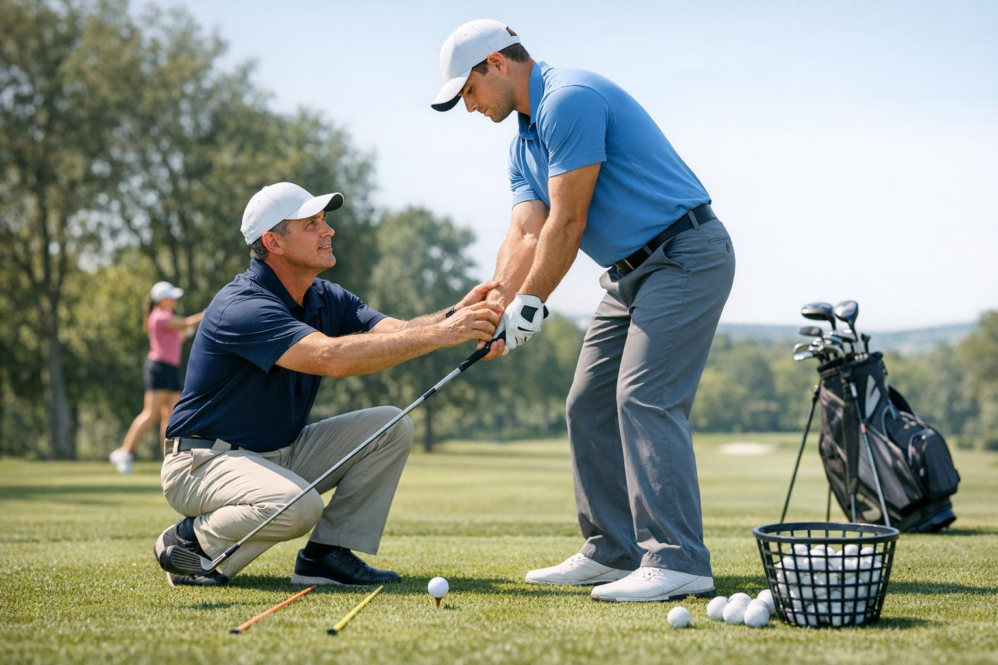
Understanding How Shoulder Mobility Transforms Your Golf Swing
Developing optimal shoulder mobility is a cornerstone for enhancing your golf swing mechanics, especially when aiming to generate a consistent and powerful rotation. The shoulders act as a critical link between the upper body and the arms, and limited mobility hear can disrupt your swing plane and reduce clubhead speed. As a notable example, achieving approximately 90 degrees of external rotation in your lead shoulder (left for right-handed golfers) during the backswing allows the club to reach the proper “loaded” position, maximizing torque. To cultivate this versatility, incorporate the cross-body shoulder stretch into your warm-up routine. This stretch enhances posterior shoulder capsule elasticity, crucial for improving backswing width and preventing early arm collapse. Golfers should hold the stretch for 20-30 seconds on each side and repeat for 3-4 sets, focusing on a controlled sensation rather than pain.
Integrating shoulder mobility improvements into your training requires a holistic approach that connects physical capability with swing fundamentals and course strategy. Maintaining proper setup posture-with relaxed shoulders and a straight spine angle-sets the stage for an effective rotation. As you transition into your downswing, the increased shoulder turn enabled by flexibility allows for a smoother energy transfer through the kinetic chain, enhancing both accuracy and driving distance. A practical drill to reinforce this feeling involves swinging with a 7-iron while pausing briefly at the top and verifying that your left shoulder dips below your chin, indicating a full turn. Applying these mechanics on the course means you’ll better navigate various lies and wind conditions by adjusting your swing path and clubface angle with improved control and consistency.
For golfers across all skill levels, actionable guidance on velocity control and injury prevention can be achieved through regular mobility work combined with specific practice routines. Beginners often struggle with restricted shoulder movement, causing “casting” errors or inconsistent strike patterns. Low handicappers,meanwhile,can refine their swing arc and timing by monitoring shoulder angles using smartphone apps or wearable sensors,targeting a repeatable 90-95 degree shoulder turn. To troubleshoot common issues, check for excessive tension in the trapezius muscles or shoulder impingement symptoms, addressing them with rest or targeted physiotherapy. Ultimately, increasing shoulder mobility not only advances technical proficiency but also enhances mental confidence, allowing you to commit fully to your swing and course management decisions – crucial factors in lowering scores and mastering putting and driving.
Exploring the Science Behind the Cross-Body Shoulder Stretch
The cross-body shoulder stretch plays a pivotal role in enhancing the golf swing by increasing thoracic spine mobility and posterior shoulder flexibility, which are critical for generating a full and controlled rotation.When a golfer performs this dynamic stretch regularly, it facilitates a smoother shoulder turn during the backswing, enabling a consistent swing plane and improved clubhead path. Achieving at least 90 degrees of cross-arm shoulder flexibility allows players to maintain proper posture without compensating with excessive lower back movement. For beginners, integrating this stretch into a warm-up routine can reduce tension and prevent injury, while advanced players will notice benefits in their ability to shape shots-whether drawing or fading-as a well-rotated upper body promotes precision in face control and clubface angle at impact.
From a technical viewpoint, the stretch contributes directly to better swing mechanics and course management strategies. For example, improved shoulder mobility aids in crafting intentional tee shot trajectories, where control of the clubface and swing arc determine optimal ball flight paths. During practice, golfers can implement controlled cross-body shoulder stretches paired with slow, deliberate swings in the range to instill enhanced proprioception. Recommended drills include holding the stretch for 20 to 30 seconds per arm followed by a series of 10 slow-motion swings focusing on a neutral grip and square clubface. This practice improves the kinetic chain’s efficiency from the upper body down to the wrists, facilitating lower scores through increased accuracy and repeatability. Moreover, understanding this mobility allows players to adapt their setup to accommodate uneven lies or windy conditions, ensuring the swing remains fluid and balanced even under pressure.
Beyond physical readiness, the stretch fosters greater mental focus and confidence-both essential components of smart course strategy. When golfers feel unrestricted in their shoulders, they can approach each shot with heightened awareness of swing mechanics and ball flight control, diminishing hesitation during shot selection. To maximize benefits, players should combine this routine with visualization techniques, imagining the ideal shoulder turn and ball trajectory on diverse course scenarios, from narrow fairways to tricky doglegs. Additionally, this stretch can be modified for different skill levels by adjusting arm position angles or incorporating resistance bands for increased intensity. By investing in such targeted flexibility work, golfers not only protect their bodies but also cultivate the subtle physical foundation needed for advanced shot shaping, strategic shot placement, and ultimately, consistent scoring improvements.
Simple Steps to Integrate the Stretch Into Your Warm-up Routine for Maximum Driving Power
Incorporating the cross-body shoulder stretch into your warm-up routine is essential for optimizing driving power through enhanced rotational flexibility and muscular activation. Begin by standing tall with your feet shoulder-width apart and your arms relaxed at your sides. Gently bring one arm across your chest at a 90-degree angle to your torso, using the opposite hand to apply light pressure just above the elbow. Hold this stretch for about 20 to 30 seconds, than switch arms. This targeted stretch loosens the posterior shoulder muscles and the thoracic spine-key areas involved in the golf swing’s coil and uncoil action. By increasing your range of motion here, you promote a fuller shoulder turn, which directly contributes to a more powerful and controlled drive off the tee.
To translate this improved flexibility into tangible performance gains, incorporate specific dynamic drills post-stretch that mimic your swing mechanics. As an example,while maintaining an athletic setup with a slight knee flex and a neutral spine,practice slow,deliberate shoulder turns to a 45 to 60-degree angle on the backswing,gradually increasing speed as comfort allows. This drill reinforces the connection between your stretched shoulder muscles and swing sequence,preventing common errors such as an early shoulder restriction or overswing that compromises balance.Additionally, pairing this routine with regular practice sessions focusing on tempo and rhythm cultivates muscle memory, which is critical for consistent shot shaping and effective course management in various wind conditions or tight fairways.
Regardless of skill level, addressing flexibility through the cross-body shoulder stretch should be viewed as a fundamental component of your pre-round preparation, integrating smoothly with other warm-up exercises aimed at the hips and core. Beginners can focus on maintaining a relaxed breathing pattern during the stretch to avoid unnecessary tension, while low handicappers might experiment with holding the stretch longer or combining it with resistance bands to deepen shoulder engagement. By consistently prioritizing this stretch, golfers enhance their kinetic chain efficiency from takeaway to follow-through, resulting in increased clubhead speed and improved control. This holistic approach not only fosters physical readiness but also primes the mental game, allowing you to approach each tee shot with confidence and strategic intent-leading ultimately to lower scores and a more enjoyable round.




