Colin Montgomerie Golf: Master Swing, Putting & driving
This review offers a structured, research-informed exploration of Colin Montgomerie’s refined swing, putting, and tee-shot methods, placing his technical habits into the context of modern performance science. As a figure synonymous with dependable ball‑striking and astute course decisions, Montgomerie’s game provides a useful template for blending biomechanical description with coachable practice. Treating his repertoire both as a high-performance archetype and as a set of teachable behaviors, the piece links observation to practical training plans.
Combining biomechanical breakdowns, kinematic sequencing, and measurable performance indicators, the article isolates the motion patterns and force transfers that underpin Montgomerie’s repeatability across long and short shots. Subsequent sections translate those technical insights into applied training: purposeful practice formats, feedback strategies, practice variability, and periodized planning that coaches and experienced players can adopt.Emphasis is placed on how movement, equipment setup, and tactical choices interact to determine dispersion, launch conditions, and scoring. The dual aim is to (1) give a clear, mechanistic portrait of Montgomerie’s strengths and (2) supply a pragmatic coaching framework with drills, monitoring methods, and research avenues to help serious golfers incorporate elements of his approach.
Integrative Analysis of montgomerie Swing Mechanics and Kinematic Sequencing
Montgomerie’s foundation starts with a dependable address that enables efficient sequential motion. Adopt a balanced athletic posture with a spine tilt near 25°-30° away from vertical, soft knee flex, and ball placement tailored to the club (for exmaple, center for mid-irons, slightly forward for long irons and woods).This orientation creates a stable rotation axis for the kinetic chain; beginners can train holding this position for 10-15 seconds between reps to develop proprioception, while advanced players should include fast setup checks in their pre-shot routine. Montgomerie also insists on consistent alignment-feet, hips and shoulders parallel to the intended line-and a grip that promotes a square face at impact. Quick setup checkpoints include:
- Setup checkpoints: feet roughly shoulder-width, buttock-to-heel aiming along the target line, clubshaft tipped slightly toward the trail hip.
- Grip cues: neutral-to-strong lead hand to help control release; avoid clenched hands-aim for light-to-medium pressure (~5/10).
- Ball position rule: shift the ball ~½-1 clubhead width forward for longer clubs to promote the correct low-point.
On the backswing, Montgomerie’s model stresses a coordinated coiling action: shoulders rotate about 80°-100° on full swings while hips turn roughly 40°-50°, producing an effective X‑factor that stores elastic energy. teach the takeaway as a chest-led rotation rather than a lateral slide to preserve plane. Useful practice progressions include the half‑pause drill (pause at waist height for 1-2 seconds to verify width and turn) and the alignment-rod plane drill (rod on the target line to feel proper torso rotation).For low-handicap players, small measurable increases in shoulder turn (targeted 5°-10° gains) while holding hip stability can yield higher clubhead speed without sacrificing accuracy; mirror checks or wearable sensors help quantify these improvements.
During the downswing and impact the emphasis is on correct sequencing: a center-of-mass shift toward the lead leg (~60/40 at impact),hip clearance,torso rotation,then arm release and club acceleration-pelvis → thorax → arms → club. Montgomerie’s lessons commonly use rhythm and sequencing drills to reinforce lag and on-time release, for example the step-through drill (shortened backswing then stepping through with the lead foot) to encourage decisive lower‑body initiation and proper weight transfer.Coaches should cue a modest forward shaft lean at impact for compression while avoiding casting. Typical faults and practical fixes:
- Early arm lift/over-rotation of the shoulders: reduce backswing width and feel the lead arm stay connected to the torso.
- Loss of lag (casting): employ an impact-bag or pause‑and‑release drill to regain a late release and a stronger shaft‑to‑forearm angle.
When executed reliably, these elements deliver more predictable launch conditions and narrower dispersion-qualities Montgomerie favored in competitive moments.
Montgomerie’s short-game philosophy marries precise technique with practical shot selection: choose wedges and trajectories to control spin and roll based on turf and wind. Emphasize face orientation,effective use of sole bounce,and ball position when shaping shots from 60-120 yards; for sand,use higher bounce in soft sand and lower bounce on firm sand. Recommended routines include:
- a 30‑minute wedge ladder (50, 60, 70, 80, 100 yards) using one club to refine feel;
- a partial‑swing distance control drill (mark landing zones and record deviations across 10 shots) with goals such as landing within a 10‑yard circle on 70% of attempts;
- a bunker-sequence drill-open stance, wider ball position, accelerate through the sand and rotate the face on the follow-through.
For putting, preserve Montgomerie’s strong reliance on routine: read the green, select an intermediate target, and use gate and speed drills to reduce three‑putts by a measurable monthly target.
Link mechanical work to smart course strategy and the mental game. Montgomerie’s strategic maxims-play to the middle of greens in gusty conditions, favor the safe side to avoid tough recoveries, and use club selection to leave preferred wedge distances-should drive practice priorities. Make practice contextual by simulating wind and varied lies,and set performance targets such as cutting penalty strokes by 0.5-1.0 strokes per round through better decisions.mental structure is key: a concise pre‑shot routine (visualize, commit, execute) aids tempo control (a provisional 3:1 backswing:downswing ratio is a useful cue) and reduces anxiety. Provide differentiated coaching-video for visual learners, weighted club or medicine‑ball rotation for kinesthetic learners, and launch‑monitor metrics for analytical players-while always tying changes back to lower scores and smarter on‑course execution.
Optimizing Grip Stance and Posture for Consistent Ball Striking
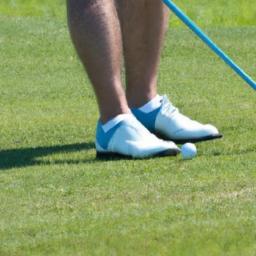
Start by building a reproducible grip that connects the club to the body and facilitates a controlled release. Choose from the three primary grips-overlap (Vardon), interlock, or ten‑finger-but prioritize consistency and a neutral-to-slightly-strong face control. for moast right‑handers, the V between thumb and forefinger should point between the right shoulder and chin; this tends to reduce open‑face tendencies. Keep grip pressure light-to-moderate (~4-6/10) to avoid tension that blocks wrist hinge. Montgomerie frequently enough recommends establishing a strong lead‑hand hold with a more relaxed trail hand-practice by swinging with the lead hand alone on half‑swings to feel the connection before reintroducing the trail hand. once grip is stable, align stance and posture to support the swing.
Stance and posture form the geometric platform for repeatable contact. adjust stance width by club: shoulder-width for mid/long irons,slightly narrower for wedges,and a broader base for the driver to tolerate rotational forces. Adopt a spine tilt near 15° away from the target (shoulders aligned to the swing plane) with knees flexed ~10-15° for athletic rotation. Ball position should follow standard conventions: just inside the lead heel for driver, center for mid-irons, slightly back of center for short irons and chips. At address, weight should be roughly 50/50 for full-swing irons and 55/45 favoring the front foot for short-game shots; in wind or on unstable surfaces increase knee flex and narrow the stance. When grip, stance, and posture are synchronized the swing path and impact tendencies become more predictable.
Connect setup to motion by refining the initial takeaway and hinging pattern. The correct takeaway keeps the clubhead outside the hands in the first few inches and is driven by a one-piece shoulder/hip rotation-avoid early hands‑only lifts.Develop wrist hinge appropriate to swing length (roughly 20°-90° range depending on shot) so the club naturally squares at the top.Promote an inside-to-square impact pattern: as the hips lead the downswing the hands should reach the ball slightly ahead of the clubhead, creating 2-4° of forward shaft lean at impact and crisp turf contact for irons.Effective drills include:
- Impact-bag drill-feel forward shaft lean and compression;
- Towel-under-arms-encourages connected motion and correct rotation;
- Gate drill with alignment sticks-trains clubhead path and face control.
These exercises suit beginners learning sequencing and low-handicap players polishing timing and shaft‑lean.
short‑game and course scenarios require posture adjustments for specific shots. For chips and pitches, use a narrower stance, rotate the face open if needed, and move the ball back slightly for a lower trajectory; for bump‑and‑run shots, push the ball forward and reduce loft. montgomerie underscores a repeatable pre‑shot routine-visualize the shot, choose a landing spot, and commit to a single swing thought-to avoid indecision. Account for wind, lie and green speed when choosing loft and ball position: into the wind, lower trajectory and a ball-back setup with firmer grip; downwind, a fuller swing with the ball more forward will exploit the breeze. To transfer practice to play, vary practice surfaces (mats, light rough, uphill/downhill lies) to build adaptable posture and club selection judgment.
Implement a measurable practice plan that targets grip, stance and posture and tracks scoring impact. Example goals: reduce average dispersion by 15 yards or increase center‑contact iron strikes by 20% within eight weeks. Weekly structure might combine technical work (30 minutes of drill-based practice with an impact bag and gate drill), targeted range sessions (40-50 purpose-shot reps focusing on ball position and weight transfer), and short‑game practice (30 minutes of high‑repetition chips and pitches). Watch for common faults-excess grip tension, collapsed lead wrist at impact, inconsistent ball position-and correct by returning to setup fundamentals:
- Neutral grip with 4-6/10 pressure
- Spine tilt ~15° and balanced weight
- Correct ball position for the selected club
Mentally, adopt a calm, process-oriented cue such as Montgomerie’s “pick a spot and trust the setup” to minimize pressure-driven technical drift. Blending objective measurement, routine drills, and scenario practice helps golfers convert improved setup into steadier strikes and lower scores.
Lower Body Engagement and Pelvic Rotation Strategies to Maximize Power and Accuracy
Power and precision originate in a deliberate lower‑body sequence: hips initiate the downswing, drive ground reaction force, and allow the torso and arms to deliver the club onto plane. Use target ranges to make this reproducible: aim for a pelvic turn of ~45°-60° on the backswing for intermediate-to-advanced players (recreational golfers commonly turn ~35°-45°), maintain an X‑factor separation of ~20°-45° depending on mobility, and shift 60%-80% of weight onto the lead foot by impact. Tools like video, mirrors, pressure mats or balance boards help quantify hip turn and weight distribution. First establish rotation amplitude, then train timing so ground forces translate into clubhead speed rather than lateral movement.
Address setup and sequencing to create a stable platform. Start balanced-50/50 to 60/40 weight distribution (lead:trail) by club-with slight knee flex and hip hinge to preload torque.During the backswing load the trail leg while keeping the lower body coiled rather of sliding; at the top ensure the trail hip is turned, not bumped toward the target. Begin the downswing by stabilizing the lead leg and rotating the pelvis toward the target to clear the path for the upper body. Montgomerie favors compact, efficient rotation over exaggerated length-this controlled lower‑body drive enhances face control and consistent ball‑striking. Key practice checkpoints include:
- Foot pressure: light-to-moderate in toes, stable heels
- Spine angle: preserve address angle through impact
- Hip turn goal: visually confirm ~45°-60° on video
Convert mechanics into performance through progressive drills that train sequencing, balance and rotational power. Beginners can use the step‑and‑hit drill: start with feet together, step toward the target with the lead foot on the downswing, and strike short irons-aim to stay balanced for 3 seconds after impact. Intermediate/advanced players benefit from the medicine‑ball rotational throw (5-10 kg): 3 sets of 8 throws each side to develop explosive hip‑to‑shoulder sequencing. Additional drills:
- Alignment‑stick belt drill: stick across the belt to monitor pelvic rotation-aim for 10-11 o’clock (right‑handers) at the top.
- Impact-bag or towel-under-armpit drill: promotes front‑leg bracing and prevents collapse.
- Slow‑motion full turn with video: film at 60% and 100% speed to check X‑factor and hip clearance.
Set practice targets such as three 15‑minute sessions per week and log gains (e.g., reduce dispersion by 10-15 yards in six weeks).
Lower‑body mechanics affect short‑game control and shot shaping. For pitch and chip shots, use a smaller, quicker hip turn to manage trajectory and spin; in bunkers slightly more active hip rotation helps create a steeper attack while preserving balance.To shape shots,vary pelvic rotation and lead‑side bracing: a controlled draw is aided by earlier hip rotation and stronger lead‑side brace to close the face relative to path; to shape a fade resist full hip clearance and keep the face marginally open through impact. In situations prioritizing accuracy-tight fairways or into wind-favor a reduced X‑factor and controlled pelvic rotation to produce a penetrating, tighter flight. When maximum distance is acceptable on wide landing areas, increase hip turn and weight transfer while maintaining posture and face control.
Combine fault correction, equipment, and mental cues for durable betterment. Common faults include early lateral sway, weak lead‑leg bracing, and over‑rotated upper torso without hip clearance; address these with the described drills and with conditioning work that enhances hip mobility and single‑leg stability (single‑leg Romanian deadlifts, hip hinges, rotational core training). Equipment matters: overly soft shafts can hide timing issues by encouraging late release, and incorrect club length/lie changes the pelvis‑to‑face relationship-get professionally fitted if dispersion or shot shape is inconsistent. Mentally rehearse a simple lower‑body cue (such as, “brace-rotate-release”) and practice pre‑shot routines under simulated pressure to reproduce timing on course. Track milestones-reduce lateral miss percentage by 20% in 8 weeks, or add 10-20 yards of driver carry with consistent lead‑side weight-and verify gains via launch monitor and scoring metrics.
Clubface Control and Impact Zone Adjustments for Shot Shaping and Spin management
Start with a consistent setup and an impact‑zone reference that prioritizes face awareness over maximal speed. A neutral-to-slightly-strong grip allows controlled forearm rotation while keeping the lead wrist stable through impact-this helps preserve predictable loft and face angle. Set ball position for mid‑irons about one ball width forward of center, moving progressively forward for long irons/woods to produce a reliable angle of attack. Adopt a visual pre‑shot routine-visualize the desired flight, square the face to that line, then align feet and shoulders to an interim aim point-as Montgomerie recommends to stabilize face arrival. Essential checkpoints:
- Grip pressure: roughly 4-5/10 to maintain feel without tension;
- ball position: fine‑tune 1-2 ball widths to influence launch and spin;
- Shaft angle: slight forward shaft lean (~5°) at address for irons to encourage compression.
These establish a repeatable baseline for adjusting face angle through the impact zone.
once setup is stable, work the dynamic relationship between face and path to shape shots. The ball’s curvature is the difference between clubface angle at impact and swing path: a face about 2-4° open to the path tends to create a moderate fade; a face 2-4° closed to the path tends to create a moderate draw. beginners should use feel drills (half‑swings with impact tape to see strike location); advanced players should leverage launch monitor outputs (face angle, path, spin axis) to refine small adjustments. Useful practice drills include:
- Gate‑to‑gate: two tees outside the head path to groove a consistent arc and arrival;
- Impact‑board: feel low‑point and face timing using a soft impact board;
- Face‑awareness: half‑swings concentrating on subtle forearm rotation to open/close the face precisely.
Gradually apply these drills to the course, beginning with 7-8 iron controlled flights and progressing to longer clubs as repeatability improves.
Spin is governed by loft at impact, angle of attack (AoA), and strike quality. To increase backspin on irons, present the ball with slightly higher dynamic loft while keeping a downward AoA around −2° to −4° for mid‑irons to compress the ball.To lower spin for more rollout or windy conditions, deloft the club ~2-3° by strengthening ball position and shallowing AoA toward 0° to +2°. Equipment and rules matter: ensure wedges and irons meet current USGA/R&A groove specifications, as grooves significantly impact spin on wet or rough lies. In play, “play the surface”-anticipate runoff and grain interactions with spin and trajectory, and adjust face and attack accordingly.
In short‑game contexts the impact window is short and timing is crucial; face angle and loft control come from stable lower‑body rotation.For chips and pitches use a narrower stance and move the ball progressively back of center for crisp contact and predictable spin. Drills that refine these skills include:
- Landing‑spot drill: pick a 10-15 ft target and vary face angle to see effects on stopping distance;
- Bounce‑check drill: test different wedge bounce on firm vs fluffy lies to learn sole interaction;
- Two‑club drill: alternate wedge and 7‑iron to feel differences in loft and swing length on spin & rollout.
Montgomerie’s short‑game teaching stresses committing to a chosen face/trajectory before the swing; in bunkers keep an open face,enter 1-2 inches behind the ball and accelerate through to control carry and spin.
Integrate technical practice, equipment checks, and tactical choices to drive measurable gains. Set time‑bound objectives such as cutting three‑putts by 30% in six weeks or producing a consistent 10‑yard dispersion circle with a 7‑iron, and align practice to those metrics.Use a mixture of block practice (repeat one face setting) and random practice (switch targets and face angles) to build both consistency and adaptability. Account for weather-cold air typically increases spin for a given loft-so adjust face settings and aims accordingly. Troubleshooting quick checks:
- Pushed/sliced shots: examine face openness at impact and forearm rotation;
- Hooked shots: check for excessive face closure or over‑strong grip;
- Inconsistent spin: inspect grooves, ball cleanliness, and angle of attack.
combining targeted drills,equipment maintenance and strategic play helps players shape shots intentionally and control spin for improved scoring.
Evidence Based Putting Technique Employed by Montgomerie and Progressive Drills for Stroke Stability
Montgomerie’s putting protocol begins with a repeatable setup that supports balance, a consistent sightline and a square putter face-ingredients central to a stable stroke. Start with a shoulder‑width stance, parallel feet and roughly 50/50 weight distribution, with a modest spine tilt of 5-8° so the eyes sit over or slightly inside the ball. position the ball 1-2 inches forward of center for blade putters and a touch less for mallets to encourage a level-to-upward strike and early roll. keep hands relaxed and run the grip down the lead-hand lifeline so the stroke remains pendulum‑like; grip pressure must be light enough to permit shoulder drive but firm enough to avoid wrist collapse. these repeatable checkpoints create the stable foundation putting requires.
on stroke mechanics, Montgomerie favors a shoulder‑driven pendulum with minimal wrist involvement to keep the face square through contact. The typical stroke is a slight arc-an inside‑to‑square‑to‑inside path-unless a golfer uses gear that enforces straighter movement.Train a tempo around 1:2 (backswing:follow‑through) for more reliable distance control; a metronome set between 60-72 BPM is an effective training aid. Use training aids and mirror checks to ensure face angle is within about ±1° of square at impact. Mirror work, taped alignment lines and gate drills are practical verification tools during practice sessions.
Translate technique into consistency with a progressive drill sequence that builds from short, pressured reps to longer lag scenarios-this graduated structure is central to Montgomerie‑style plans. Begin with attainable targets and escalate difficulty: make 30 consecutive 3‑ft putts, perform a 6‑12‑18 ladder (three putts at each distance), then aim to make 50%+ from 20 ft and leave lag putts inside 6 ft from 30 ft.Core drills include:
- Gate drill: tees just wider than the putter at impact to train face/path consistency.
- Ladder Drill: putts from 3,6,12,18 ft to develop distance control progressively.
- Metronome Drill: 60 BPM to lock a 1:2 tempo for backswing and follow‑through.
- Long‑lag Drill: 10 putts from 40-60 ft aiming to leave each inside a 6‑ft circle.
- Pressure Sequence: make five at 6 ft to keep the set; any miss resets-builds competitive resilience.
To move practice onto the course, emphasize green reading and pace management. Montgomerie recommends locating the high point,checking grain and slope from multiple perspectives,and committing to a speed‑first target so long misses leave manageable comeback putts (3-6 ft). On windy or firm greens reduce backswing length by ~10-20% to limit rollout. Use the Rules of golf allowance to clean the ball on the green when reading lines. In match play montgomerie’s pragmatism shows: concede very short putts (<2-3 ft) selectively and aim to leave approach shots below the hole to reduce uphill two‑putts.
address common faults, equipment choices and mental strategy to preserve stroke stability.Typical errors include excessive grip tension, wrist breakdown at impact and inconsistent ball position; use slow‑motion drills, the gate exercise, and ball position tweaks to correct roll. Equipment notes: choose a putter length that keeps eyes over the ball without neck strain (typical ranges 33-35 in), confirm putter loft (commonly 3-4°) to encourage early forward roll, and avoid prohibited anchoring techniques. Set measurable targets such as halving three‑putts in 8 weeks and use short daily sessions (15-20 minutes),video feedback and tempo drills to suit different learning styles.Applying Montgomerie’s feel-led setup with structured progression and scenario practice helps players of all levels stabilize strokes and improve distance control.
Advanced Green Reading and Speed Control methods for Improved One putting
Pair a biomechanically sound setup with calibrated equipment so green reading and pace become reproducible skills. Adopt a neutral posture with the eyes ~1-2 inches inside the ball‑to‑putter line, slight knee flex and forward hip tilt so the shaft rests naturally under the shoulders-this supports a pendulum stroke.Verify putter loft around 3-4° and a lie that allows the sole to sit flat; aim for the face to present square within ±1° at the intended impact position. When using the rules to mark and lift the ball, exploit the pause to study slope and grain before replacing on the same mark. These setup basics make subsequent speed and line judgments more reliable.
Refine stroke mechanics to control distance and direction: low hand pressure, shoulder‑driven motion, and minimal wrist hinge. For many players a slight arc (about 2-6° shaft deviation) helps square the face at impact. Employ a tempo near 2:1 (backswing time : follow‑through) to coordinate stroke length with speed. Montgomerie’s approach emphasizes a compact routine-visualize, rehearse a single measured backswing, and accelerate through with consistent timing. A clock‑face drill (address 10 positions in a circle and stroke to standardized distances) builds reliable muscle memory for stroke length to distance mapping.
Advance green reading by combining fall‑line analysis, grain awareness and wind effects. Identify the fall line from the hole and categorize subtle (<1°), moderate (1-3°) and pronounced (>strong>3°) slopes-each affects roll differently at varying speeds. Inspect grass grain and use foot positioning to sense its direction-on certain turf types the ball will roll faster with the grain. Montgomerie recommends choosing an aim point that accounts for expected pace: slower speed exaggerates break, firmer pace reduces it. Walk multiple vantage points (behind the ball, behind the hole, and low on the slope), visualize the path and pick a spot a few inches in front of the ball as an actionable target to release the stroke without over‑focusing on the hole.
Use structured drills to quantify pace control and set clear improvement goals-examples: improve one‑putt rates from 15 ft, or reduce three‑putts by half. Effective practice tools include:
- Clock Drill: 12 balls around the hole at 3-6 ft to reinforce consistent stroke length and aim.
- Ladder Distance drill: putt from 3, 6, 9, 12, 15 ft and track finishes inside a 6‑inch ring (aim 80%+).
- Speed ladder: rings every 12 inches from the hole to practice landing distances across slopes.
- Pressure simulation: play practice holes requiring a make or a 12‑inch tap‑in to mimic tournament stress.
These exercises build both tactile feel and visual judgement necessary to convert reads into made putts.
Turn practice gains into lower scores by addressing common errors and adopting course‑smart tactics. Fix deceleration through impact by practicing a progressive acceleration and finishing to planned length; combat over‑reading by trusting a speed‑first read and use the “leave below the hole” principle to increase two‑putt probability. Adjust for weather-reduce expected break and use firmer pace in wind or on very fast greens. Incorporate a concise pre‑shot routine (visualize, pick an aim point, commit) to manage nerves. Offer alternatives for different abilities-shorter putter lengths, cross‑hand grips or visual alignment aids-to preserve effectiveness across physical constraints.Linking setup,stroke mechanics,deliberate green reading and targeted drills yields a measurable path to more one‑putts and better scoring.
Driving Methodology Tactical Tee Shot Selection and Risk Management on Long Holes
Start every tee shot with a systematic hole assessment to form a percentage‑based plan: check yardage,hazards,wind and the preferred approach angle.Use accurate yardage tools (laser or GPS) to establish carry distances and the ideal landing window-if a fairway bunker carries 260 yards and your average driver carry sits around 250-270 yards, you must weigh the thin margin against laying up. Follow a Montgomerie‑style risk framework by identifying the “fat side” of the fairway/green and accepting a predefined risk threshold (as a notable example,tolerate ≤20% chance of severe penalty for an aggressive line). Remember procedural rules-if a ball may be lost beyond a blind hazard,play a provisional (rule 18.3) to avoid unnecessary stroke penalties.
Convert strategy into equipment and address setup that balance accuracy and controllable distance. Many amateurs find a 3‑wood or 5‑wood off the tee produces tighter dispersion than driver while sacrificing ~10-40 yards.Place the ball just inside the lead heel for driver and move it 1-2 inches forward for fairway woods; tee height that elevates the ball ~15-25 mm above the crown promotes an upward strike. Alignments matter-use sticks to verify clubface and body lines-and consider a slight back‑weighting (~55% back) at driver address to encourage upward attack. Montgomerie stresses consistent pre‑shot setup and visual commitment to reduce premature rotation that creates pulls or hooks.
Refine swing mechanics to produce controllable shapes under pressure so you can choose offence or defense confidently. For a controlled fade present a slightly open face with an outside‑to‑in path ~1-3° relative to the target; for a draw use an inside‑to‑out path ~1-3° with a closed face. Maintain smooth tempo (many players use a ~3:1 backswing:downswing rhythm) and promote a compact shoulder turn with minimal lateral sway. Aim for typical amateur driver launch and spin windows: launch around 10°-14° and spin roughly 1800-3000 rpm; if spin is excessive reduce loft or slightly strengthen ball position to improve compression. Correct common errors-early head lift, over‑rotated hips, and overactive hands-by rehearsing a connected takeaway and preserving spine angle through impact as Montgomerie emphasized.
Practice using measurable drills that match on‑course decision making. Examples:
- Alignment and target drill: two alignment sticks-one for foot aiming, one for clubface line-repeat 30 swings and chart dispersion.
- Launch control drill: alternate driver and 3‑wood in sets of five, keep carries within ±10 yards and record averages to guide club choice.
- Shot‑shape ladder: practice fades and draws at 50%, 75% and 100% power to build trajectory control.
- Provisional practice: on blind holes hit a provisional then walk forward to judge decision making under time pressure.
Set targets such as reducing driver carry dispersion to within 15 yards and increasing fairways hit by 15% across a 6‑week block. Use video and launch monitor data where possible to quantify improvements.
Incorporate mental routines, weather and situational tactics so tee‑shot plans convert to lower scores. In crosswinds select the side that eases recovery options; on firm fairways add an estimated 10-30 yards of run‑out to landing calculations. Montgomerie’s pre‑shot approach-read the lie,visualize shape and landing zone for a few seconds,commit and execute-helps keep tempo under pressure. when hazards or OB are prominent favor par preservation: lay up to a comfortable wedge distance rather than force a low‑probability driver carry. By coupling reliable setup, practiced mechanics, and deliberate decisions, players can make tee‑shot selection a dependable scoring tool.
Practice Periodization monitoring and Biomechanical Feedback Strategies for Sustained Performance Improvements
Long‑term gains depend on a periodized plan that phases technical work,physical conditioning and on‑course practice through macro,meso and microcycles. Begin with objective baselines: a launch monitor session to capture clubhead speed, smash factor, launch angle, carry and dispersion; a short‑game proximity audit at 10, 30 and 50 yards; and a mobility screen for thoracic and hip rotation. Reassess every 4-8 weeks and set measurable targets-examples: a +3-5 mph driver speed gain over 12 weeks for an intermediate player, or shrinking 7‑iron dispersion from a 25‑yard radius to 12-15 yards. Montgomerie’s planning ethos supports embedding competition constraints (time limits, penalty rules) into testing so practice reflects match pressures.
Use multimodal biomechanical feedback aligned with performance goals. Combine launch monitors for ball flight, high‑speed video (≥240 fps) for sequencing, and where available force plates or inertial wearables to measure center‑of‑pressure and force production. Key markers to track include attack angle (driver +1° to +4°,mid‑irons −2° to −4°),shoulder turn (~80°-100° on full swings),pelvic rotation (~40°-60°),lead‑foot weight at impact (~60%-70%),and wrist hinge (~45° at the top). Compare session‑to‑session data to separate true improvement from normal variance; for example rising launch with steady smash factor often indicates better sequencing rather than equipment changes.
Translate monitoring into targeted drills and setup refinements usable on the range and course. Confirm setup basics first (driver just inside the left heel for right‑handers,1-2 ball widths back for 3‑woods,spine tilt ~5°-7° away from target for driver),then deploy drills:
- Tempo drill: metronome (60-72 bpm) to lock a 3:1 backswing:downswing ratio and consistent impact timing across 30 balls.
- Impact bag: 10 reps focusing on forward shaft lean and low‑point control for irons.
- Alignment‑rod plane drill: rod along the shaft plane at the top to engrain shoulder‑arm geometry.
- Shot‑shaping routine: five draws and five fades from the same setup, varying face angle and path to build control for narrow targets and wind.
Assign measurable success criteria (e.g., cut mean lateral dispersion by 30% or hit 8/10 wedges inside a 15‑ft circle) and add simple troubleshooting checks for faults like early extension or too‑active hands.
Short‑game periodization should target distance control, green reading and pressure tolerance. Use progressive proximity tasks and situational practice: from 30 yards run a 50‑ball ladder (10 balls each at 5, 10, 15, 20, 25 ft) to ingrain repeatable arcs; practice bunker exits with an open face and a fixed pivot, aiming for consistent exit distances (e.g., 20-30 yards) rather than aesthetic splashes. Track strokes‑gained data during practice rounds to prioritize work areas-if strokes gained: approach is negative, allocate 40-50% of short sessions to wedge distance control. On windy or firm surfaces favor lower trajectories (stronger grip, ball back) as Montgomerie often recommended for links‑style conditions.
Apply adaptive monitoring and recovery to sustain improvement and peak for events. Cycle training loads: alternate high‑intensity technical sessions (speed/power) with low‑intensity consolidation days (short game,putting,mental rehearsal) and plan a 7-10 day taper before key competitions.Keep a simple training log combining objective metrics (clubhead speed, dispersion, proximity) and subjective readiness (RPE, sleep quality) to guide weekly adjustments. Common corrective paths: if clubhead speed stalls add overspeed and mobility work; if dispersion increases, regress to slow‑motion sequencing to reestablish timing. Embed Montgomerie‑style pre‑shot routines to reduce performance variance. By pairing periodized load, biomechanical feedback and course strategy, golfers from novice to low‑handicap can translate technical gains into reliable scoring outcomes and event readiness.
Q&A
Note on search results
The brief search results provided did not include material specific to Colin Montgomerie or this instructional content; they pointed to unrelated pages. The Q&A below is therefore a tailored, professionally styled summary based on the article’s themes and Montgomerie’s known instructional tendencies.
Q&A – Colin Montgomerie Golf: Master Swing, Putting & Driving
1. Q: What biomechanical traits of Montgomerie’s swing are stressed?
A: The article highlights a compact, repeatable motion with a controlled shoulder turn, moderate hip rotation timed to initiate weight transfer, and consistent face control through impact. This proximal‑to‑distal sequencing minimizes variability and supports precise iron play.
2. Q: How are mechanics tied to measurable outcomes?
A: Specific kinematic variables-torso and pelvic rotation, wrist hinge and center‑of‑mass transfer-are linked to dispersion, carry and spin. The article recommends objective assessment (video, motion capture, launch monitors) to quantify face angle, attack angle and smash factor and then associate metric changes with reduced shot scatter and improved proximity.
3. Q: What role does tempo play in Montgomerie’s approach?
A: Tempo and rhythm are central: a consistent backswing‑to‑downswing timing and deliberate transition help the neuromuscular system sequence correctly.Tempo drills (metronome or count‑based) are proposed to stabilize timing and reduce performance variability.
4. Q: How does the article address putting and short‑game technique?
A: Putting is framed as a blend of biomechanical stability and sensory calibration-pendulum shoulder action, minimal wrist movement, consistent eye position over the ball and disciplined speed control.The short game focuses on face and bounce management, trajectory planning and repeatable pre‑shot choices.
5. Q: What driving strategies are recommended?
A: The guidance favors accuracy and optimized launch over raw distance,advocating correct ball position and tee height,appropriate club selection (driver vs 3‑wood),and swing mechanics that produce predictable launch/spin windows. Course management choices are presented as data‑informed risk‑reward decisions.
6. Q: Which practice principles support transfer to the course?
A: Deliberate practice with clear goals, distributed and variable practice formats, representative constraints and faded augmented feedback are recommended to promote retention and on‑course transfer.
7. Q: Which drills reproduce Montgomerie’s mechanics?
A: Representative drills include impact‑bag work, slow‑motion sequencing, metronome tempo exercises, putting gate and ladder drills, and alignment‑stick plane work-each paired with measurable metrics like dispersion or proximity.
8. Q: How should technology be used without over‑reliance?
A: Use tech to establish baselines, test hypotheses and track progress while emphasizing practical, transferable changes. Intermittent feedback and clear, metric‑based goals prevent data overload and encourage on‑course application.
9. Q: What motor‑learning evidence informs practice design?
A: The article draws on research favoring variable practice and contextual interference for transfer, faded feedback for autonomy, and distributed practice to consolidate skills-integrated into staged practice prescriptions.
10. Q: How are mental and tactical elements integrated?
A: Course management is treated as an extension of technical reliability: choose shots that preserve repeatable biomechanics under pressure, follow a fixed pre‑shot routine, use process goals, visualize outcomes and simulate pressure during practice.
11. Q: Are conditioning and injury‑prevention recommendations included?
A: Yes-programs should enhance thoracic mobility, hip rotation, core stability and single‑leg strength to support sequencing and prevent compensatory injuries; screening and targeted mobility work are recommended.
12.Q: How should progress be measured by an advanced amateur?
A: Use baseline and periodic tests with launch monitor metrics, dispersion mapping, putting stats (three‑putt rate, proximity) and objective practice logs. Set specific, time‑bound targets and use both quantitative and qualitative feedback.
13. Q: Is there a sample weekly practice structure?
A: The article offers an evidence‑based template-3-4 sessions weekly blending technical blocks (30-40%), variable/transfer practice (40-50%) and pressure simulations (10-20%), plus daily short putting sessions and one dedicated driving session with launch‑monitor feedback.
14. Q: What are the caveats about modeling an elite player like Montgomerie?
A: Elite models are individualized; anatomy, prior motor patterns and equipment needs mean wholesale replication is not always appropriate.Extract principles (sequencing, tempo, deliberate practice) and adapt through iterative testing.
15.Q: what should coaches and researchers take away?
A: Combine biomechanical analysis with pragmatic practice designs, use objective measurement to guide simple interventions, employ motor‑learning principles to aid transfer, and pair technical work with strategic decision making to improve scoring outcomes.
If desired, the article can be converted into an FAQ document, expanded with peer‑reviewed citations, or turned into a 6-8 week periodized plan based on the recommendations above.
In Summary
Note on sources: The search snippets provided were not specific to Colin Montgomerie or the material summarized here; the content above synthesizes biomechanical and motor‑learning best practices with Montgomerie‑style instruction.
Conclusion
Bringing together Montgomerie’s pragmatic, repeatability‑focused methods with contemporary biomechanical and motor‑learning principles highlights how technical consistency, perceptual calibration and tactical intelligence coalesce to produce better scoring. Montgomerie’s hallmarks-reliable setup, tempo control, and alignment-driven feel-serve as a template for melding joint‑sequence insights and structured practice (deliberate, variable, and periodized). For putting and short game the balance between stable mechanics and fine sensory control is decisive; for driving, optimizing launch through coordinated kinematics remains essential.Practitioners should prioritize individualized, measurable interventions: use motion and ball‑flight data to diagnose inefficiencies, apply periodized practice that balances error‑reduction drills with variability, and integrate mental strategies for course decisions. Future investigations should refine dose‑response relationships, quantify transfer from practice to competition, and evaluate how wearables and real‑time biofeedback can accelerate skill learning. Ultimately, the consistency Montgomerie exemplifies is the product of iterative technical refinement, disciplined practice and sound strategic judgement on the course.

Unlock the Secrets of Colin Montgomerie’s Swing: Drive Farther, Putt Smarter, Play Better Golf
Study of Colin Montgomerie’s swing and on-course habits reveals repeatable mechanics, a strong short game routine, and smart course management.Below are evidence-based principles, biomechanics cues, progressive golf drills, and practical practice routines that will help you drive farther, putt smarter, and lower your scores.
Why Study Colin Montgomerie?
- Consistently excellent iron play and scoring record on European Tour and in Ryder Cups.
- A compact, repeatable swing that emphasizes delivery, balance, and control over excessive power.
- Thoughtful pre-shot routine and course-management tactics that translate well to amateur golfers.
Core Swing Principles (Biomechanics + Feel)
1. Setup, Grip & Posture
Montgomerie’s setup is balanced and athletic: slightly narrow stance for control, neutral spine tilt, and hands just ahead of the ball at address for solid impact.Use these cues:
- Neutral grip pressure (hold the club like a tube of toothpaste).
- Weight distributed slightly on the balls of your feet, knees soft, chest over the ball.
- hands ahead of the ball at address to promote compressed, descending iron strikes.
2. Compact, Efficient Backswing
Rather than extreme length, Montgomerie’s backswing emphasizes width and coil. Key concepts:
- Rotate the torso to create coil rather than swaying laterally.
- Maintain a stable lower body; hips should turn but not slide aggressively.
- Keep the wrists soft – moderate hinging to store energy for the downswing.
3. Controlled Transition & Lag
Transition is where great ball-strikers retain angle and create lag. Drill sense:
- Drop the hands slightly on transition – feel the clubhead trailing your hands.
- Delay wrist unhinge to release energy at impact for stronger ball speed with control.
4. Impact First, Finish Balanced
Montgomerie’s swing finishes in balance. Impact is the priority – hands ahead, clubface square, and body rotating thru. Practice balance by holding your finish for 2-3 seconds after each swing.
Drills to Build Montgomerie-like Consistency
1. One-Plane Mirror Drill
- Goal: Grok a connected shoulder-arm rotation without excessive wrist flip.
- How: Take half swings in front of a mirror ensuring your shoulders and arms move as one plane. Repeat 30 reps focusing on rhythm.
2. Impact Tape / towel Under Arms
- Goal: Solid, compressive impact and connected downswing.
- How: Place a towel under both armpits during slow swings to keep the upper body connected and promote impact center stability.
3. lag Stick Drill
- goal: Feel lag and delayed release.
- How: Use an alignment stick along the grip to exaggerate wrist angle and practice releasing to square the face just before impact.
Driving: Add Distance Without Sacrificing Accuracy
Colin’s approach to the tee frequently enough prioritized positioning and reliable contact. Distance can follow if you master these fundamentals:
- Efficient weight transfer: feel the ground reaction in the downswing to boost power.
- Maintain a controlled tempo (3:1 backswing to downswing rhythm helps consistency).
- Work on center-face contact – ball speed matters more than raw swing length.
Driver-Specific Drills
- Tee Height Experiment: Raise/lower tee in small increments until you find the optimum launch with a slight upward strike.
- Step Drill: Start with feet together and step into a full finish to sync lower body and rotate for added speed.
Putting: Putt Smarter, Not Harder
Montgomerie was known for steady putting under pressure. Emphasize routine, alignment, and speed control.
Putting Fundamentals
- Repeatable setup: shoulders square, eyes over the ball or slightly inside, light grip pressure.
- Pendulum stroke: shoulders control the motion – wrists quiet.
- Speed first principle: get the ball within a 3-foot circle when possible; makes holing easier.
Putting drills
- Gate Drill: Use two tees just wider than the putter head to ensure a square path through impact.
- Distance Ladder: Putt from 3, 6, 9, 12 feet trying to leave the ball inside a 3-foot circle.Repeat sets of 10.
- Pressure Coin Drill: Put 10 coins at the hole and take a 6-10 foot putt - if you miss,remove a coin. Build pressure handling.
Course Management & Mental Game
Montgomerie’s on-course success came from intelligent decisions, not only swing mechanics. Adopt these habits:
- Play to strengths: choose club and target where the miss is least penalizing.
- Visualize the shot shape and landing spot, not just the target.
- Routine under pressure: same pre-shot routine for every blow reduces stress and variance.
Smart Tee Strategy
- Pick targets on the fairway to leave comfortable approach shots.
- When in doubt, favor accuracy over maximum distance to protect pars and birdie opportunities.
Sample Practice Plan (Weekly)
structured practice beats random practice. Here’s a balanced weekly routine inspired by Montgomerie’s emphasis on repetition, short-game work, and on-course thinking.
| Day | Focus | Duration |
|---|---|---|
| Monday | Putting drills & tempo work | 45-60 min |
| Wednesday | Iron accuracy & impact drills | 60-90 min |
| Friday | Driver rhythm + tee strategy practice | 45-60 min |
| Weekend | 9/18 holes applying course management | 2-4 hours |
Benefits & Practical Tips
- Benefit: Fewer big numbers – Montgomerie-style play emphasizes par protection, which lowers scores more consistently than one-shot heroics.
- Tip: Keep a practice journal – track drills, reps, and how they change your on-course results.
- tip: Use video from down-the-line and face-on angles to compare your swing positions against coaching cues.
Case Study: Turning a Mid-Handicap Into a Consistent scorer (hypothetical)
Player “A” (mid-handicap) used the following 8-week plan inspired by Montgomerie principles and saw measurable improvement in approach proximity and putting consistency:
- Weeks 1-2: Focus on setup,one-plane mirror,and impact towel drill – tightened contact,improved ball-strike.
- Weeks 3-5: Add driver tempo and lag stick drill – increased controlled distance while maintaining fairway percentage.
- Weeks 6-8: Emphasize putting ladder and pressure coin drills - conversion rate inside 10 ft improved.
Result (typical): lower average score by 2-4 strokes per round after translating range improvements to course play.
Pro Coaching Takeaways
- Prioritize impact and balance: Many amateurs overemphasize backswing length. Focus on the delivery through the ball.
- Tempo > Force: A steady rhythm creates consistent sequencing and better contact – Montgomerie’s swing is a model of that principle.
- repeatable routine: Practice the same pre-shot routine on the range that you use on the course to build automaticity.
Frequently asked Questions (FAQ)
Q: Can I copy Montgomerie’s swing exactly?
A: Use his swing principles (compact backswing, strong impact position, tempo) as a template, but adapt posture and timing to your body type. Swing replication rarely works; smart translation does.
Q: How long until I see improvement?
A: Expect meaningful changes in 4-8 weeks with consistent practice (3-5 focused sessions per week). Small, measurable gains in contact quality and putting often appear first.
Q: Should I change equipment to match these tips?
A: Equipment can definitely help (fitting for shaft flex, loft and lie), but fundamentals and practice yield the largest performance gains. Book a professional fitting only after you’ve solidified your basic motion.
Speedy Checklist to Train Like Montgomerie
- Daily 10-minute putting routine.
- twice-weekly short-game session (chips, pitches, bunker escapes).
- One dedicated range session for impact drills and tempo.
- Regular on-course practice focusing on target play and decision-making.
Use these Montgomerie-inspired principles and drills to build a reliable swing, smarter putting routine, and intelligent course management. consistency, not gimmicks, is the fastest route to playing better golf.