Introduction
The nuances of a successful golf swing extend well beyond the initial contact between the club and the ball; the follow-through is equally crucial for achieving both accuracy and consistency. This article explores the vital role of follow-through in improving golf swing precision,drawing on contemporary biomechanical research and performance analytics. By grasping the mechanics behind an effective follow-through, golfers can gain essential insights into how body alignment, weight transfer, and muscle coordination enhance overall swing effectiveness. mastering this aspect allows players to optimize their shots, reduce variability, and ultimately elevate their performance on the course. this thorough guide aims to provide golfers,coaches,and sports scientists with a deeper understanding of biomechanical principles related to follow-through while offering practical strategies for refining this critical component of the golf swing.
The mechanics of an Effective Follow-Through
To improve golf swing accuracy, it is essential to understand the mechanics involved in a proper follow-through. During this phase, all parts of your body must work together seamlessly to direct the clubhead toward its target. Key elements that influence follow-through accuracy include:
- Trunk Rotation: Effective trunk rotation maintains balance while generating power throughout your swing; your upper body should naturally align with your lower body’s movement during this phase.
- arm Extension: Properly extending your arms aligns the clubface at impact and facilitates a smooth transition into follow-through—crucial for shot direction.
- Wrist Pronation: Controlled wrist movement enables you to square up the clubface at impact—a key factor in ensuring a straight flight path.
The interplay among these factors is dynamic and requires careful coordination. As a notable example, an effective follow-through involves not just sequential movements but also timing and rhythm; synchronizing trunk unwinding with arm extension maximizes clubhead speed while optimizing ball trajectory. Maintaining consistent tempo throughout enhances chances for accurate shots.
An analysis through biomechanical studies provides valuable insights into performance optimization. Tracking angular velocities across hips, shoulders, and arms can highlight inefficiencies that lead to inaccurate shots—allowing coaches to tailor training regimens focusing on:
- Core strengthening exercises for improved trunk stability.
- Drills aimed at refining arm and wrist mechanics.
- Balance training exercises that support smoother transitions during follow-through.
Establishing a Stable Base for consistent Swings
A stable base is fundamental in achieving consistency within an accurate golf swing.A stable foundation encompasses posture, foot placement, and weight distribution during swings—ensuring balance throughout minimizes overthinking or compensatory movements that could affect shot accuracy.
Tips for cultivating a stable base include:
- Foot Position:Your feet should be shoulder-width apart for solid grounding against external forces.
- Weight Distribution:A slight bias towards your toes enhances stability during swings by properly distributing weight across both feet.
- Knee Flexibility:Slightly bent knees contribute positively towards balance while allowing fluidity throughout each swinging cycle.
Additionally incorporating core strength-building exercises can further enhance stability within one’s stance; drills focusing on proprioception help increase awareness regarding body positioning during swings—for example practicing swings on one leg or using balance boards fosters necessary muscle memory ensuring groundedness even under pressure situations leading up-to challenging shots.
Consequently establishing such foundations not only promotes consistent swinging techniques but also boosts confidence levels out there!
Enhancing Control Through Hip And Shoulder Rotation
A high level precision achieved via maximizing hip & shoulder rotations proves essential when executing effective follows throughs! Such rotational dynamics contribute significantly towards distance whilst enhancing control by guiding swings along more natural paths.
Proper hip/shoulder rotations facilitate kinematic sequences where bodily segments harmonize together allowing smoother transitions through entire motions!
The biomechanics dictate:
- The hips initiate followed by shoulders aligning correctly preventing slicing/hooking issues;
- Aiming towards balanced finishes ensures open hips alongside leveled shoulders!
Phase Hip Rotation Shoulder rotation Initial Phase Engaged & Coiling Minimal Movement Transition Phase Starting To Unwind Beginning Target Alignment Final Phase Fully Rotated Towards Target < td Completing Turn
By concentrating efforts upon these phases along respective rotations golfers may significantly improve their following through mechanics! Enhanced synchronization between hip/shoulder movements leads not only increased power output but also improved accuracies resulting better outcomes overall!
Clubhead Extension’s Significance Through Impact
Extending one’s club head post-impact remains critical when striving achieve consistent/golf-swing accuracies! When maintaining speed/trajectory after making contact greatly influences resultant shot quality! Proper extensions ensure energy generated from backswing/downswings harnessed effectively transferring maximum force onto balls whilst preserving stability within motion minimizing risks mishits thus yielding cleaner strikes!
Key factors influencing extension include:
- Total Trunk Rotations: Adequate contributions promote smooth accelerations post impacts;
- Pursuing Arm Positions: Keeping relaxed extended arms guides clubs reducing tensions adversely affecting accuracies;
- Smooth Wrist Mechanics: Post-impact pronation aids controlling angles crucial achieving desired trajectories!
To illustrate relationships between techniques/effects here’s table outlining correlations:
<th Extension Technique ”
<th Effect On Accuracy ” < </ </ </ <h3 Practical Drills To Refine Your Follow Through Techniques
To refine one’s following through enhancing overall swinging accuracies implementing targeted drills makes important differences!
One effective approach includes Finish Position Drill.” Set mirror/smartphone recording setup focus attaining balanced full finish position striking balls practice holding few seconds assessing alignments ensuring squared targets evenly distributed weights front foot.Another beneficial drill emphasizes importance proper rotations called Hip Shoulder Exercise.” Stand feet shoulder-width apart place alignment stick/clubs across shoulders rotate hips/shoudlers mimicking swings ensuring lead shoulder moves under chin reinforcing rhythms/timings developing muscle memories fluid controlled follows!
Incorporating Extended Impact Drill routine will boost extensions impacting tee balls slightly higher than usual taking normal stances consciously extending fully targeting after contacts visualizing paths promoting better mechanisms reinforcing controls/balance tracking progress noting improvements distances/accuracies executing drills.
Final Thoughts
Mastery over golfing follows proves fundamental enhancing overall precisions performances courses incorporating biomechanical principles understanding interplay among coordinative muscles alignments dynamics fosters more efficient executions promoting precise shot-making advancing consistencies patterns as players refine critical elements techniques likely experiance enhanced trajectories distance controls ultimately greater successes games continued studies practices solidify advancements empowering reach potentials enjoy nuanced complexities sport!

Unlocking Precision: Elevate Your Golf Game with the Perfect Follow-Through!
Meta Title
Unlocking Precision: Perfect Your Golf Follow-Through for Enhanced Performance
Meta Description
Discover how the perfect follow-through can elevate your golf game! Learn techniques, benefits, and tips to enhance your accuracy and control on the course.
Understanding the Importance of the Follow-Through
The follow-through in golf is frequently enough overlooked but plays a critical role in ensuring accuracy and consistency. It not only affects where the ball lands but also influences future swings. A smooth, controlled follow-through promotes optimal body balance, contributing directly to the effectiveness of your shot.
Key Components of an Effective follow-Through
- Body Alignment: Proper stance and alignment keep your body in sync throughout the swing,aiding in a more efficient follow-through.
- weight Distribution: Shifting weight smoothly from the back foot to the front foot prevents mishits and allows for better control.
- Club Position: The angle and position of the club during the follow-through can dictate ball flight and direction.
Biomechanical Principles Behind the Follow-Through
Key Biomechanics
- Kinetic Chain: The body’s movement should flow in a chain reaction from the ground up. The follow-through is the final link, completing the motion.
- Angular Momentum: Maintaining a natural arc while swinging maximizes control and directs the club head through the impact zone.
- Deceleration phase: An effective follow-through naturally decelerates the swing, reducing tension and promoting a relaxed finish.
Benefits of a Well-Executed Follow-Through
improved accuracy
A refined follow-through helps maintain the club’s trajectory post-impact, ensuring the ball flies in the desired direction.
enhanced Control
With better weight transfer and body alignment, golfers experience improved control over the shot.This leads to fewer mishits.
Increased Power
A natural follow-through allows for energy transfer through the swing, maximizing power without sacrificing accuracy.
Practical Tips for Perfecting Your Follow-Through
Focus on Body Alignment
- Stand with feet shoulder-width apart.
- Align the club with your target line before initiating the swing.
Work on Weight Transfer
- Start with a slight weight on your back foot.
- transition weight to your front foot as you make contact with the ball.
- Finish with most of your weight on the front foot, helping to balance your body.
Practice Club positioning
- During practice, pay attention to the angle of your club on the follow-through.
- Ensure the club head is high and pointing towards your target.
Drill for Advancement
The Follow-Through Drill:
- Setup: Take a stance similar to your golf shot.
- Swing without hitting the ball: Focus solely on the follow-through.
- Visualize: Picture the ball’s flight path while maintaining form.
Common Mistakes to Avoid
Overexerting the Follow-Through
- Avoid forcing your follow-through. focus on relaxation and a natural deceleration.
Neglecting the Finish Position
- Ensure your swing finishes with balance. A proper finish indicates a triumphant swing sequence.
Ignoring Feedback
- Use video analysis or in-person coaching for real-time feedback on your swing mechanics.
Case Studies: Success Stories from the Course
Case Study 1: The Recreational Golfer
An amateur golfer struggled with slicing the ball, which affected his confidence. By concentrating on a smooth follow-through, ensuring proper weight transfer, and practicing balance, he improved his accuracy, leading to a drop in his handicap.
Case Study 2: The Competitive Player
A competitive player focused on her follow-through after observing inconsistent performance in tournaments. With targeted drills and adjustments to her body alignment, she noticed an immediate improvement in her driving accuracy and confidence on the course.
First-Hand Experience: Transforming My Game
As a passionate golfer, I dedicated a summer to refining my follow-through. At first,I was impatient,focusing solely on hitting the ball. Though, understanding the nuances of my follow-through transformed my approach.
Through dedicated practice and utilizing drills, I experienced:
- Improved Consistency: My shots became more predictable.
- Increased Distance: My drives felt more powerful with better control.
- Greater Enjoyment: Golf became more rewarding as I saw my game improve.
Key Takeaway Techniques
| Technique | Description |
|—————————|—————————————————–|
| Smooth Weight Transition | Shift weight from back to front foot seamlessly. |
| Visualize the Finish | Keep your eyes on the target during the follow-through.|
| Maintain Relaxation | Avoid tension in the muscles for a fluid swing. |
Conclusion
Mastering the follow-through can unlock a new level of precision in your game, leading to improved accuracy and control on the course. By implementing the techniques and tips outlined above, golfers at all skill levels can experience a noticeable difference in their performance. Embrace the follow-through as a vital part of your swing, and watch your game transform!
You might be interested in …

Unveiling Ernie Els’ Golf Mastery Journey: Expert Mentorship Unraveled
**Ernie Els: Deconstructing the Elements of Golf Mastery through Expert Mentorship**
Ernie Els’ illustrious golfing career is a testament to the transformative power of expert mentorship. Through the guidance of renowned coaches David Leadbetter and Butch Harmon, Els has mastered the art of swing mechanics, strategic decision-making, and on-course dominance.
This academic analysis unravels the secrets of Els’ golfing mastery, delving into his swing mechanics, including the signature “Elsbow.” It examines the strategies and philosophies that have guided his remarkable achievements, unlocking the insights that have propelled him to four major championships and numerous other victories.
By examining Els’ approach to course management, this article offers invaluable lessons for aspiring golfers of all levels. As Els demonstrates, the mindset and strategies of a true champion are essential in unlocking golfing excellence.
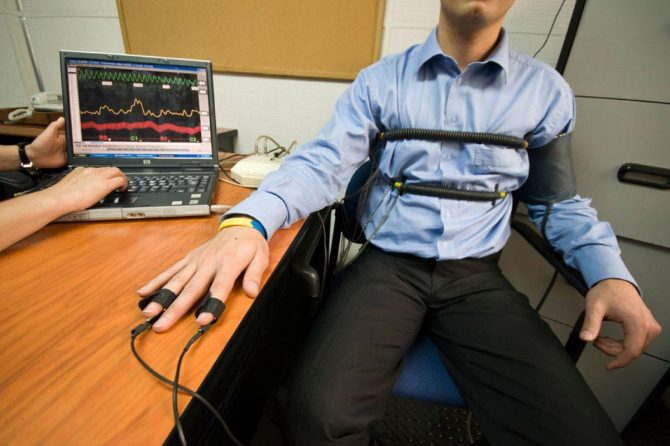
Can You Handle the Truth? A Hilarious Polygraph Showdown with Your Father-in-Law! 🙅 #MeetTheParents #RobertDeNiro #BenStiller #Shorts
Sure! Here’s a more engaging rewrite of the excerpt:
Unraveling the hilarious tension with a polygraph test in the chaotic family dynamics of #MeetTheParents. With the legendary Robert De Niro and comedic genius Ben Stiller leading the charge, will their secrets stand up to intense scrutiny? Join us as we dive into this uproarious tale of truth, deception, and family bonds! #RobertDeNiro #BenStiller #Shorts
Advancing Golf Proficiency: The Methodology of Peter Thomson
This article explores Peter Thomson’s methodology, underscoring his focus on technical precision and strategic thinking. By adopting his techniques, golfers can enhance their skills and mental resilience, ultimately improving overall performance on the course.

- Total Trunk Rotations: Adequate contributions promote smooth accelerations post impacts;