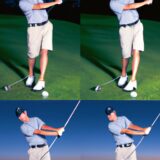
golf is a precision‑oriented activity where minor technical lapses and poor tactical choices can create outsized negative effects on scores and progress.Beginners typically show weaknesses across three connected areas-full‑swing fundamentals, short‑game skill (notably putting), and driving reliability-where flaws in posture, timing, clubface control, and alignment reduce distance, accuracy, and consistency. left unaddressed, early mechanical habits can harden into inefficient movement patterns and raise the chance of repetitive‑strain injuries, so early correction is essential for both performance and long‑term advancement.
This guide outlines the eight highest‑impact errors novice golfers make in swing, putting, and driving, and converts contemporary applied‑biomechanics and motor‑learning research into practical, evidence‑driven fixes. For every fault we include: (1) a succinct diagnostic checklist based on visible kinematics and outcomes; (2) succinct corrective cues rooted in biomechanics; (3) drills tailored too speed up skill acquisition and carryover to play; and (4) objective benchmarks and metrics (for example clubhead speed, smash factor, launch angle, dispersion, stroke‑path repeatability, putt tempo, and make percentage) to quantify progress. Interventions prioritize technical accuracy while keeping practice efficient and confidence high, recognizing that durable gains require both solid mechanics and lasting training habits.The sections that follow provide a clear, structured path for coaches and learners to reduce frequent mistakes, focus practice on the highest priorities, and measure real improvements. By combining precise diagnosis with executable drills and numeric feedback, the objective is to shorten the beginner learning curve and create repeatable on‑course gains.
Foundational Grip and Posture Errors and Biomechanical Corrections
A large share of early inconsistencies stem from how the hands contact the club and how the body is arranged over the ball. Start with a stable neutral grip: for a right‑hander the thumb‑index ”V” lines should aim somewhere between the chin and the right shoulder, with the lead hand slightly rotated toward the target and the trail hand overlapping or covering the lead thumb. At address use a moderate grip pressure around 3-4/10 (tight enough for control but loose enough to allow natural wrist hinge); gripping too hard is a frequent cause of blocked or chopped shots. For posture, hinge from the hips to create a spine tilt of roughly 5-15° from vertical, keep knee flex near 15-20°, and position the shoulders parallel to the target line with the lead shoulder a touch lower than the trail shoulder. Ball position should change with each club (for example, driver generally aligned with the inside of the lead heel; mid‑irons centered); wrong placement is one of the Top‑8 beginner errors and frequently enough produces fat or thin contact. Use these simple checkpoints in practice:
- Mirror/address comparison: assume your normal setup and compare spine angle and shoulder slope in a mirror or video; tweak until the lead shoulder is clearly lower.
- Grip‑pressure practice: hold the club as 0-10 pressure and rehearse swings maintaining the 3-4/10 level.
- Ball‑position sweep: hit 10 shots per club while shifting the ball in 1‑inch steps to discover the most consistent contact spot.
These checks correct frequent grip and posture faults-standing too tall, squeezing the handle, and incorrect ball placement-and create a repeatable setup that benefits players from absolute beginners thru low handicap golfers.
After the setup is stable, focus on the kinetic sequence that turns posture into dependable strikes and intended shot shapes.Encourage a coordinated weight shift from roughly 55% on the trail foot at address to about 60% on the lead foot at impact in full swings, paired with a rotation pattern where the hips start to clear before the arms release-this order stops the common “flip” (hands passing the hips) that creates thin shots. For on‑range kinetic training use an impact‑bag to develop a hands‑ahead impact and proper shaft lean: the shaft should tilt slightly forward so the leading edge points down into contact. For timing and rotation practice the 3‑1‑3 rhythm drill-three counts back,a one‑count pause at the top,than three counts through-repeated 50-100 times to lock in tempo. Troubleshooting tips:
- If you slice, check for an open clubface at address or an overly weak grip; rotate the lead hand slightly stronger and practice half‑swings with a square face.
- If you’re hitting fat shots,confirm forward shaft lean and an active weight shift; try hitting with a towel placed an inch behind the ball to force a correct low‑point.
- If low‑back or mobility issues limit rotation, reduce backswing length and emphasize pelvis rotation with a slightly wider stance (increase by 10-15% of shoulder width).
These fixes are range‑ready and translate to course play-as a notable example, in crosswinds you can narrow your stance slightly and initiate rotation earlier to keep ball flight lower.
Combine equipment checks, practice design, and mental routines so grip and posture gains show up in scores.Start with a fitting verification-incorrect grip diameter can prompt over‑gripping and a wrong lie angle causes directional misses; a fitter can confirm grip size within one size of your hand circumference and any needed lie adjustments. Build a weekly plan with measurable outcomes-examples include 8 out of 10 centered impact marks on the face or cutting lateral misses through three 15‑minute focused sessions weekly (one session for setup/grip, one for impact, one for course simulation). Match drills to learning preferences: visual players should film down‑the‑line and face‑on, kinesthetic learners use impact‑bag and towel drills, and analytical players monitor launch data (ball speed, launch angle, smash factor). Pair technical reps with a short pre‑shot routine to stop second‑guessing-confirm setup checks, take one small practice swing to groove tempo, and commit. By linking corrected grip and posture to reliable drills, equipment validation, and a consistent mental routine, players across the skill spectrum will achieve more repeatable ball striking, superior shot shaping, and lower scores across diverse course conditions and whether.
Fixing Swing Plane Deviations: Focused Drills and Measurable Progress
Begin with a methodical diagnosis that pinpoints where the swing plane goes off and why. Re‑confirm setup essentials: neutral grip (thumbs down the grip, not across), proper spine tilt (hip hinge while keeping the head behind the ball), correct ball position (center for mid‑irons, forward for longer clubs), and appropriate stance width (shoulder width for irons, slightly wider for the driver).many of the Top 8 beginner errors-bad grip, wrong ball position, poor posture, over‑swinging, early release, weight‑shift faults, misalignment, and excessive lateral sway-directly distort the plane. Record slow‑motion swings at down‑the‑line and face‑on to see whether the shaft travels on an inside→square→inside arc (one‑plane) or lifts outside on the takeaway and drops over‑the‑top on the downswing (classic two‑plane fault). Where possible, capture objective baseline numbers-club path and face angle with a launch monitor or smartphone app-and track club‑path deviation in degrees and lateral dispersion so future change is anchored to data rather than feeling alone.
Then implement drills that target the specific plane fault, and assign measurable goals so practice is effective. For an outside‑to‑in (over‑the‑top) path try:
- Alignment‑stick plane guide: lay one stick on the ground pointing at the target and elevate a second stick at the intended takeaway angle (~45°-55° for mid‑irons); rehearse slow half‑swings ensuring the clubhead follows the elevated guide.
- Impact gate: place two tees just wider than the clubhead and swing through-success is striking the ball without contacting the tees.
- Towel/under‑arm drill: trap a towel under the lead armpit to reduce excessive arm separation and prevent casting; evaluate success by consistent contact and improved ball flight across 20 reps.
- Wall/elbow feel drill: stand with the trail elbow near a wall during takeaway to sense an inside path; perform 30 controlled repetitions focusing on shoulder turn near 80°-90° for a full backswing (adjust as needed for mobility).
Attach clear progress metrics to each drill: cut average club‑path error to within ±3°, place 70% of shots inside a defined 15‑yard dispersion window with a chosen club, or decrease carry‑distance standard deviation by 15% over six weeks. Use a metronome to train tempo (a practical target is a 3:1 backswing:downswing ratio) and take weekly video or launch‑monitor snapshots to document gains. Beginners should begin with short, high‑repetition groove work; more advanced players can add speed and deliberate shot‑shape practice (controlled fades and draws) so plane consistency supports course strategy.
Convert technical improvements into better on‑course decisions and long‑term planning by blending objective measurement with situational thinking. When wind, firm lies, or narrow landing areas increase the penalty for errant shots, set conservative targets based on measured dispersion-pick a landing zone that keeps you inside the hazard margin (for example, aim 15-20 yards short of water if your 7‑iron dispersion remains ±20 yards).Keep a weekly schedule that alternates focused 30‑minute plane sessions, a 45-60 minute random‑distance range block to mimic course variability, and short‑game/putting work to turn proximity gains into scoring. Log metrics such as club‑path deviation (°), face angle at impact (°), percentage of on‑target shots, and strokes‑gained estimates versus prior rounds. Support different learners with video for visual players,manual guidance for kinesthetic players,and adaptive equipment (shorter shafts,lighter grips) for those with mobility limits. Through targeted drills, objective tracking, and conservative course management, players from beginners to low handicaps can systematically correct plane errors, tighten dispersion, and lower scores in real conditions.
Correcting Weight Transfer and Kinematic Sequencing for Steadier Strikes
Dependable contact starts with a clear kinematic model: the downswing should sequence from the ground upward-pelvis → torso → upper arms → forearms → clubhead-so energy travels efficiently and repeatably into the ball. At setup aim for a neutral base: roughly 50/50 weight balance on full shots (shift slightly to 55/45 forward for mid/short irons), a lateral tilt that keeps the trail shoulder slightly higher than the lead (about 3-6°), and ball position that matches club (wedges centered, driver just inside the left heel). Many of the Top‑8 mistakes-faulty grip, wrong ball placement, early extension, reverse pivot, and poor weight shift-stem from setup errors or a misunderstanding of the sequence. Use this pre‑shot checklist:
- Grip pressure: light to moderate, roughly 4-6/10 tension;
- Stance width: shoulder width for irons, wider for driver;
- Ball position: move forward as clubs lengthen;
- Posture: ~20-25° forward flex at the hips with a flat back;
- Weight distribution: slightly onto the balls of the feet for powerful lower‑body drive.
With a reliable setup, train sequencing and timing using progressive drills that tackle early casting, overactive hands, and poor lower‑body initiation.Start with tempo and sequencing exercises scaled to skill level:
- Step‑through drill: make a compact backswing and step the lead foot through at impact to feel the pelvis start the downswing; aim for a smooth transfer of 60-80% weight onto the lead foot at impact;
- Pause‑at‑top drill: hold the top for one second to eliminate reverse pivot and practice starting the downswing with the hips, not the arms;
- Medicine‑ball rotational throws: three sets of eight two‑handed throws to build explosive hip‑to‑shoulder sequencing and target lead‑hip rotation near 40-50° for a full turn;
- Impact‑bag/short‑iron compression: work for ball‑first contact and aim for 5-8° of forward shaft lean at impact for clean turf engagement.
Assign measurable targets-for example, 10 consecutive strikes with forward weight at impact, or three sets of eight medicine‑ball throws at maximal controlled speed-and progress by removing drill supports (moving from slow tempo to full speed). Use video or launch monitors to measure clubhead speed, attack angle, and impact location.
Apply the technical improvements to course play and equipment selection so corrected sequencing reduces scores consistently. In windy or narrow conditions deliberately shorten the swing while keeping the same kinematic order: reduce arc, maintain pelvis‑first initiation, and keep the center of mass low to stay under gusts-this counters the frequent mistake of over‑swinging. Equipment influences timing; stiffer shafts tend to require earlier sequencing,while heavier grips or longer clubs can delay the release-work with a fitter to match shaft flex and club length to your tempo. Useful practice routines include:
- range sessions focused on controlled 7‑iron tempo with a 3:1 backswing:downswing timing to find consistent compression;
- an on‑course exercise where you play six holes using only mid‑irons and wedges to force precise weight transfer and shot choice;
- a pre‑shot ritual with a simple mental trigger (deep breath + visual target) to steady tempo and reduce tension.
Watch for common faults-late hips, casting, or standing up-and cue corrections such as “lead hip clears” or “hold the angle.” Over time these corrections should reduce fat/thin strikes, regularize launch angles, improve proximity to the hole, and increase scoring resilience across course types. Set modest, time‑bound goals (such as, cut mis‑hits by 50% over eight weeks), mix drills for different learning styles, and follow an evidence‑based practice plan that connects mechanics to strategy for sustained improvement.
Putting: Alignment, Stroke Path, and Distance Control-Practical Remediations
Start with a repeatable setup that eliminates the most frequent beginner faults-poor grip, wrong eye position, and inconsistent ball placement-by using three core checkpoints: square shoulders to the target, eyes over or within 1-2 cm of the target line, and ball positioned centered to slightly forward (0-1 in / 0-2.5 cm from center). These measures address common mistakes such as mis‑aiming,lifting the head,and inconsistent contact.In practice, lay an alignment rod on the target line and film or use a mirror to confirm shoulder and putter‑face alignment; an attainable beginner goal is center‑face contact on ≥80% of putts from 3-6 ft during drills. Also choose putter length and lie that let the wrists stay neutral (typical adult lengths ~32-35 in), and prefer grip styles (reverse‑overlap or claw) that limit wrist breakdown. Respect the Rules of Golf on the green-mark and lift when required-and adopt a brief pre‑shot routine that includes a line read and a practice stroke to commit to speed.
Diagnose and correct stroke‑path issues by separating face angle control from arc dynamics; many alignment and path faults show up as pushes, pulls, or poor roll due to face rotation, an outside‑in path, or deceleration.Use objective targets: keep face rotation under 2° at impact for low handicappers, and maintain an arc radius of about 1-3 in (2.5-7.5 cm) for arcing strokes; straight‑back‑straight‑through strokes should limit lateral takeaway to ±1 in. Effective drills include:
- Gate drill: place tees slightly wider than the head to force a square face through impact;
- Chalk‑line / alignment‑rod drill: roll putts on a drawn line to train face control and path;
- Metronome tempo drill: use a 1:2 backswing‑to‑forward rhythm (for example, 60 bpm where the backswing is one beat and the forward stroke is two) to reduce deceleration and improve distance consistency.
When moving from practice to the course use a two‑step read: check the fall line from behind, then crouch to verify subtle breaks, and trust your pre‑shot routine-this helps prevent mid‑stroke re‑aiming that disrupts alignment and path.
Improve distance control by combining tempo, strike quality, and green reading using measurable practice targets. Work to lower three‑putt frequency with structured drills: a ladder drill (3, 6, 9, 12 ft with 20 reps each, aiming to land within 1 ft of the hole), a speed‑only drill (20-40 ft putts that stop inside a 2‑ft circle), and short‑putt pressure sets (50 consecutive putts from 6 ft aiming for ≥80% made or conceded gimmes). On the course, adapt stroke firmness for fast, firm greens (aim higher and play up the green), use a longer backswing for uphill putts while keeping tempo steady, and proportionally aim more for sidehill breaks (roughly 1-2 ball diameters for mild slopes). Offer visual, kinesthetic, and auditory feedback-chalk lines, hands‑on gate setups, and a metronome-to suit varied learners. Track make percentages and lag distance error weekly, and set progressive targets (for example reduce average lag distance from 4 ft to 2 ft within 30 days) so improvements convert into fewer strokes and smarter on‑green decisions.
Driving: Tee Height, Ball Position and Launch Optimization
Start with a consistent, biomechanics‑informed setup that pairs tee height and ball position with the launch you want. For most right‑handers place the ball just inside the left heel (~1-1.5 ball diameters) to permit an upward attack; tee so the ball’s equator sits near the top of the driver face or slightly above to encourage an ascending strike. At address adopt a neutral grip, a slight forward shaft lean to the target, and weight distribution around 55/45 to 60/40 (lead/trail) to stabilize the base without preventing an upward attack.common novice mistakes-too neutral weight or the ball too far back-lead to fat strikes and low launch. Fast checkpoints to repeat before each drive:
- Visualize the line: confirm feet and shoulders parallel to the intended path;
- Check ball/tee placement: verify position relative to the left heel and consistent tee height;
- assess posture: slight knee bend and ~30-35° spine tilt so the driver sole sits behind the ball at address.
these adjustments address several Top‑8 mistakes-incorrect ball position, poor alignment, and inconsistent setup-and provide a baseline for tracking center contact and launch improvements for both beginners and better players.
Refine how swing mechanics create launch conditions so you can control launch angle,spin,and lateral dispersion. Aim for a slightly positive driver angle of attack-typically +2° to +5° for recreational players-to increase carry and lower spin; those with higher clubhead speeds frequently enough target launch angles in the 10°-16° range with spin between 1,800-3,200 rpm, depending on loft and shaft. Common faults that reduce launch or raise spin include casting, early wrist release, and strikes low on the face; address these with impact‑tape diagnostics, a tee‑height progression (start higher, then reduce in 1/4″ steps), and the headcover‑under‑armpit drill to keep connection through impact.Equipment tweaks (adding 1-1.5° of loft or moving to a slightly more flexible shaft) often produce measurable launch and spin gains-trackable with a launch monitor-and set realistic targets such as +5-10 yards of carry or a 300-500 rpm spin decrease over a 6-8 week block.
Fold these setup and launch principles into tee‑shot strategy to lower scores across conditions. Before every tee shot quickly evaluate wind, fairway width, hazards, pin placement, and the allowed area within the tee box; then select tee height, ball position, and face aim to match the intended flight. For example, into a strong wind lower the tee by about 3-6 mm and move the ball back one ball diameter to cut launch and spin for a punch; on a wide downhill par‑5 in calm conditions tee up slightly higher and play the ball marginally forward to maximize carry. Use drills to embed these choices:
- wind‑simulation practice: alternate higher and lower tee heights while noting carry differences;
- targeted dispersion sets: 20‑ball blocks with success measured by center‑contact percentage and scatter inside a 30‑yard corridor;
- pre‑shot checklist: alignment, ball/tee position, target visualization, and a single thought to preserve tempo.
When you tie technical tweaks to in‑round decisions and track outcomes (carry, launch, spin, dispersion), golfers at every level can turn practice gains into lower scores while avoiding common beginner pitfalls like inconsistent setup, poor club choice, and failure to adapt to conditions.
Converting Practice Data into On‑Course Results with Quantifiable Metrics
Start by converting range measurements into on‑course objectives: record baseline numbers-clubhead speed, ball speed, smash factor, mean carry ± dispersion, launch angle, spin rate and impact location-using a launch monitor or impact spray.Create tiered targets; for example,beginners might aim to reduce carry dispersion to ±15 yards,maintain center‑face impacts,and hold a 3:1 tempo; intermediates could aim for ±10 yards dispersion and raise ball speed by 3-5 mph; low handicappers might pursue ±6 yards dispersion and a 10-20% improvement in GIR/proximity. To fix typical beginner faults-too strong/weak a grip, bad alignment, casting-use the following checkpoints and drills to create measurable shifts in your data:
- Setup checklist: neutral grip, feet shoulder‑width, spine tilt of 3-5° from the target, appropriate ball position (driver = inside left heel; mid‑iron = center), slight knee flex, and balanced driver weight distribution about 60/40 (trail/lead).
- Practice tools: gate drill for path (two tees just outside the clubhead), alignment‑stick aim work, and short‑half swings or impact bag to repeat a descending iron strike; measure gains with impact marks and distance consistency.
- Troubleshooting: if toe/heel strikes appear, adjust ball position and shaft lean; if casting persists, use towel‑under‑arm swings to maintain connection.
These measurable checkpoints let practice reps build real on‑course confidence as you can decide objectively when dispersion and shot shape are suitable for the hole at hand.
Then apply short‑game and putting metrics to lower scores by setting clear performance goals for distance control, greens‑hit, and putt conversion. Aim for up‑and‑down conversion rates of 40%+ for beginners, 50-60%+ for intermediates, and 70%+ for low handicappers; for putting target a baseline of 1.8-2.0 putts per GIR and cut three‑putts to under 5% of holes. Drill examples:
- Ladder chipping: targets at 5,10,15,and 20 ft-hit 10 balls to each and log percentages inside each radius; adjust loft and stroke length until targets are met.
- 3‑2‑1 putting drill: make three putts from 3 ft, two from 6 ft, and one from 12 ft, repeating sets until ≥80% success is reached to simulate pressure and refine distance control.
- Clock drill: one ball at each hour from 3-10 ft around the hole to practice pace and green grain; record makes and subsequent up‑and‑down conversions.
address predictable short‑game and putting mistakes-peeking up too soon,excessive wrist use,or misreading greens-by stressing a stable lower body,forward shaft lean on chips,and a consistent putter‑face path (arc or straight depending on stroke choice). Evaluate equipment (putter length, loft) with video or a face‑alignment mirror and quantify any improvements in face angle at address and impact.
Integrate practice metrics into course decisions. Use your dispersion and carry statistics to set safe targets: if your 7‑iron carries 150 ±10 yards,avoid forced carries over hazards longer than 160 yards and play for the middle of the green. In pressure moments apply measurable rules of thumb-for instance, if your proximity from 100-125 yards exceeds the green’s safe radius, lay up to a wedge approach to maximize GIR odds. Simulated drills to build decision‑making include:
- Simulated‑hole drill: play an entire par‑4 on the range using measured targets and track score, penalties, and decisions to quantify performance under time pressure;
- Wind‑and‑lie adaptation: hit 3-5 shots using 10-20% less club for downwind and 10-20% more for into‑wind, logging carry changes to build a personal club‑selection reference;
- Pre‑shot routine and tempo control: enforce a three‑step routine with a timed tempo (for example, 1-2-3 seconds for address→backswing→transition) and measure results under simulated pressure to reduce impulsive errors.
Add a mental layer-use breathing to reset between shots, commit to a single aim point to cut indecision, and apply the Rules of Golf sensibly (for example, when faced with an unplayable lie choose the safer back‑on‑line drop if it preserves scoring chances). Tying measurable practice outcomes to explicit course choices creates reliable, data‑driven habits that reduce the Top‑8 common mistakes-poor alignment, inconsistent contact, over‑swinging, wrong club choice, early extension, casting, a weak short game, and poor putting-and yield steadier scoring for all levels.
Designing a Personalized Training Plan with Feedback Loops and Targets
Start by building a precise baseline with a structured assessment capturing both technical and on‑course measures: complete a static setup checklist, film at least two angles (down‑the‑line and face‑on at 120 fps or higher), and gather launch‑monitor data (clubhead speed, ball speed, carry, attack angle, spin).From that assessment set measurable targets-such as, raise clubhead speed by 2-4 mph in 8-12 weeks, shrink lateral dispersion to within ±10 yards, or increase GIR by 10 percentage points.Then prescribe immediate, on‑course applicable setup fundamentals to remove common beginner faults: excessive grip tension, wrong stance width, misaligned feet/shoulders, incorrect ball position, and lack of spine tilt. Use these checks as a daily routine:
- Grip: neutral “V”s toward the right shoulder (for right‑handers), tension ~3-5/10;
- Posture: ~15° knee flex, 25-30° forward spine tilt at the hips, shoulders level;
- Ball position: driver inside the front heel, long irons slightly forward of center, short irons centered;
- Weight: address with ~55/45 favoring the front foot for long irons to encourage a shallow downward strike.
These foundation elements make later feedback meaningful and repeatable.
Once foundations are in place, run iterative feedback cycles combining affordable technology, deliberate practice, and self‑review to correct faults and build consistency.Use a three‑pronged feedback system: high‑speed video for sequencing (look for early extension and casting), launch‑monitor metrics to monitor attack angle (target roughly +1° to +3° for driver and −2° to −6° for irons depending on club), and on‑course statistics (fairways hit, GIR, putts per hole). Adopt a weekly microcycle-two technical sessions, one short‑game session, and one simulated on‑course session-and assign a measurable drill aim and an immediate corrective action. For example, if video shows casting, spend 10 minutes on a towel‑under‑arm drill and then re‑record. Useful drills and checkpoints include:
- alignment‑stick gate to fix alignment and path issues;
- impact‑bag and half‑swing punches to remove scooping/deceleration;
- wedge ladder (10‑ball progressive distances) for consistent carry control;
- putting gate and anti‑three‑putt drills to reduce putts per round (target <30 putts);
- on‑course pressure games: play 9 holes as a target challenge and track score against conservative club choices.
Reassess every two weeks-compare current metrics to goals (clubhead speed, dispersion, GIR) and shift emphasis: more technical work if sequence errors persist, or more situational practice if decision statistics show weakness under pressure.
Include course management and equipment decisions in the protocol so technical gains translate into lower scores. Teach progressive situational play that addresses reckless club selection,poor wind judgment,and ignoring green slope. Start with conservative yardage charts (carry +10-20% for wind) and practice these scenarios on the range: hit 10 shots to a fixed carry figure using different lofts to learn how trajectory changes and when to lay up. Let equipment changes be data‑driven: alter shaft flex or loft to reach target launch and spin (many players find driver launch near 12-14° with spin 2,000-3,000 rpm desirable) and confirm grip size for correct hand action. Link tempo and mental work-use a two‑count pre‑shot routine, visualize the landing area, and practice controlled breathing to preserve tempo (aim for a backswing:downswing near 3:1). On the course, use this quick checklist:
- If misses favor one side, re‑check alignment and ball position;
- If distance control is inconsistent, prioritize tempo and repeat the wedge ladder;
- Under pressure, choose a conservative club and run your focused pre‑shot routine.
By tying measurable technical goals to pragmatic course strategy and steady feedback cycles, players-from absolute beginners fixing fundamentals to low handicappers refining launch and spin-will realize tangible performance gains and more reliable scoring.
Q&A
Note on sources: the web search results supplied where unrelated to golf and were therefore not used. The Q&A below synthesizes common biomechanics, motor‑learning research, and practical coaching approaches relevant to novice golfers.
Q1.What are the “Top 8” mistakes new golfers typically make across swing, putting, and driving?
A1. The most frequently seen faults among beginners are:
1) Faulty grip and address/setup (global problem across shots)
2) loss of posture and early extension during the swing
3) Casting or early release (loss of lag) in the downswing
4) Poor alignment and aim (body and clubface misoriented)
5) Incorrect ball position and tee height for the driver
6) Insufficient lower‑body rotation and weight shift when driving
7) Inconsistent putting stroke tempo and path
8) Weak distance control and green‑reading on the greens
Q2. How can a coach or player reliably identify a faulty grip and setup, and what is the corrective approach?
A2. Identification: visual or video evidence of an excessively strong/weak grip, too‑tight grip pressure, inconsistent hand placement, open/closed clubface at address, stance width errors, or improper spine tilt.
correction: install a neutral grip (thumbs/index V toward the trailing shoulder), pleasant grip pressure (~3-4/10), standardized ball position and stance width, and neutral spine angle. Use a mirror or short video to confirm.
Drill: “Grip & Set”-five minutes pre‑range: set up, take 10 slow full swings focusing solely on grip and posture; film down‑the‑line and face‑on.
Metrics: percentage of center‑face impacts (impact spray or tape), initial face angle consistency (within ±3°), and self‑reported grip tension averaged weekly.
Q3. What causes loss of posture/early extension, and how should it be corrected?
A3. Causes: weak core control or sequencing, excessive lateral slide, poor hip hinge at address, or incorrect spine angle in transition. Consequences: inconsistent strikes-thin or fat shots-and loss of power.Correction: drill a hip hinge at setup, keep knees flexed, and avoid thrusting the pelvis forward through impact (maintain spine angle). Emphasize rotating the torso around a stable spine.
Drill: “Chair‑Back Drill”-place a chair or pole about 6-8 inches behind the hips and make slow half swings while avoiding contact to build the feel of staying away from early extension.
Metric: pelvic vertical displacement at impact measured via video (target <2-3 cm change) or center‑of‑mass shift tracked with a pressure mat.
Q4. How do you detect and fix casting / early release?
A4. Detection: wrists uncock prematurely on slow motion, a low smash factor (ball speed relative to clubhead speed), or reduced distance and control.
Correction: preserve wrist hinge longer and sequence the downswing from the ground up (legs → hips → torso → arms → hands).
Drills: impact bag work to feel a solid contact without flipping, and "pump" progressions (halt at three‑quarters, maintain hinge, extend progressively).
Metrics: smash factor improvements, percentage of swings retaining lag on video, and carry distance gains.Q5. How does improper alignment/aim present and how can it be fixed?
A5. Presentation: repeated directional misses to the same side, body lines not parallel to the target, or clubface misaligned at address.Correction: adopt a pre‑shot alignment routine checking target line, feet, knees, hips, and shoulders; use alignment sticks during practice to ingrain setup.
Drill: "Two‑Rod Alignment"-one rod aimed at the target, another at the feet; execute 20 shots trying to keep body lines parallel.
Metrics: lateral dispersion (yards off target) and percentage of shots within a specified directional corridor (e.g.,±10 yards).
Q6. What driver‑specific errors do novices make about ball position and tee height, and how to correct them?
A6. Errors: ball too far back (topping/low launch),ball too far forward (pulls or closed face),tee too low (reduced launch),or inconsistent spine tilt.
Corrections: standard driver setup-ball just inside the lead heel, tee high enough so roughly half the ball sits above the crown, and slight spine tilt away from the target. Fine‑tune small adjustments to match your shot shape.
Drill: "Two‑Tee Drive"-place an extra tee as a visual guide for low point and launch axis; swing to lightly brush the guide at impact.Metrics: launch angle, spin rate, carry, vertical attack angle (target mild positive for driver), and dispersion tracked via a launch monitor or app.
Q7. How should a novice develop lower‑body rotation and weight shift when driving?
A7. Principle: generate force from the ground and transfer it through the kinetic chain-lead from the trail leg to the front leg with controlled hip rotation; avoid excessive lateral slide.
Correction: feel an inside‑out leg drive, notice the trail heel lift at transition, and shift weight to the lead side through impact while allowing the head to rotate naturally.
Drill: "Step‑Through" or "Foot‑Fire"-start with feet together,step into the swing and rotate through the ball,emphasizing weight transfer and hip rotation; supplement with medicine‑ball rotational throws for power sequencing.
Metrics: pelvis vs. torso rotation differences on video, center‑of‑pressure timing from a pressure mat, and increases in clubhead speed/carry.
Q8. for putting, how to fix inconsistent tempo and path?
A8. Identification: fluctuating backswing/downswing lengths, variable putt speeds, and off‑line starts.
Corrections: use a pendulum motion driven by the shoulders, minimize wrist action, keep a consistent tempo (e.g., 2:1 backswing:downswing), and ease grip pressure.
Drills: metronome practice at 60-70 bpm and gate drills with tees or alignment sticks.
Metrics: percentage of putts starting on the intended line, putts per round, make rates from 3-6 ft and 6-10 ft, and average lag‑distance error.
Q9. How can novices improve distance control and green reading?
A9. Strategy: separate motor skills (distance control) from perceptual skills (reading slope).Use distance ladder drills to train tempo and slope calibration exercises to align perceived break with outcome.
Drills: "Distance Ladder" (markers at 3, 6, 9, 12, 15 ft-10 putts each and count those inside a 12‑inch circle) and "Slope Calibration" (putts across varying slopes while noting required aim).
Metrics: mean error distance on lag putts (>20 ft), standard deviation of putt lengths for a set target, putts per GIR, and strokes‑gained: putting via tracking tools.
Q10. What practice structure and measurement cadence best supports improvement?
A10. Structure: deliberate, focused practice-short daily focused blocks (15-30 minutes) or longer weekly sessions (60-90 minutes) with clear goals. Use block practice to build mechanics early, then random/variable practice to boost transfer to the course. Include periodic objective feedback (video, launch monitor, coach).Measurement cadence: baseline assessment (video + launch monitor + putting stats), weekly short measures (accuracy, tempo, impact location), and monthly performance tests (30‑ball driver, 50‑ball iron, 50‑putt) to quantify progress. Apply SMART goal setting (specific, measurable, achievable, relevant, time‑bound).Q11. Which objective tools are recommended for tracking metrics?
A11. Recommended devices: Doppler/radar launch monitors for launch data, high‑speed smartphone video for impact and sequencing, pressure mats or force plates for weight‑shift timing, putting analysis devices for start‑line and tempo, and shot‑tracking systems for strokes‑gained and dispersion. For most beginners,a combination of smartphone video and an affordable launch device gives usable feedback.
Q12. when should a novice see a qualified instructor or sports scientist?
A12. Consult a coach when progress stalls despite structured practice; stubborn mechanical faults resist self‑fixes; recurring pain or injury appears (back, elbow, wrist); or when you want a tailored plan based on objective data. A coach or sports scientist provides individualized drills, sequencing corrections, and accountability.
Q13. What are common pitfalls when applying these corrections, and how to avoid them?
A13. Pitfalls: trying too many changes at once, relying only on sensations rather than objective feedback, insufficient practice variability, and inadequate recovery. Avoid these by prioritizing one or two measurable changes at a time, using video/data for verification, alternating technical work with situational play, and ensuring appropriate rest and conditioning.
Q14. What short‑term and long‑term targets should novices set?
A14. Short‑term (4-8 weeks): reduce dispersion by 10-30%, increase center‑face impact frequency by 20-30%, improve putt conversion from 3-10 ft by 10-20 percentage points, and show better tempo consistency on putting drills.
Long‑term (3-12 months): sustained clubhead speed gains (if targeted), improved strokes‑gained metrics, lower scores through elimination of common mechanical faults, and consistent on‑course performance (for example, a set reduction in average score). Targets should be individualized and evidence‑based.
Summary recommendation
Start with a thorough baseline (video + metrics), pick one or two high‑impact issues from the Top‑8 list, apply focused drills with objective feedback, and measure progress regularly. Seek professional coaching for persistent, complex, or injury‑related issues and use affordable measurement tools to convert subjective feeling into objective improvement.
If you would like, I can:
– produce a printable checklist matching each of the Top‑8 mistakes to 2-3 drills and a one‑page metric tracking sheet, or
– create a 12‑week progressive practice plan targeting three prioritized errors. Which would you prefer?
Note: the supplied web search results returned unrelated pages and did not contribute to the substantive content above.
Conclusion
This article consolidates the primary technical and tactical limitations that commonly hamper novice golfers-swing mechanics, putting alignment and stroke, and driving inefficiencies-and pairs each diagnosis with practical, evidence‑based corrections, focused drills, and measurable performance indicators. The central claim is simple: address the eight high‑impact mistakes through structured, feedback‑rich practice that targets one issue at a time, uses objective measurement where possible, and blends short‑ and long‑term monitoring (for example tracking clubface angle and path at impact, drive launch and spin, proximity‑to‑hole, and putts per round).Implementation should follow an iterative cycle-assess, intervene, reassess. Begin with a baseline session (video analysis, launch‑monitor or simple course stats), prioritize one or two errors, apply the prescribed drills with deliberate repetition, and remeasure after a defined block (frequently enough 4-8 weeks). Where feasible, incorporate external feedback-coaching, video review, or launch‑monitor data-and adopt explicit, measurable targets (for instance improving putts inside 6 ft by a set percentage, reducing open‑face incidence by X degrees, or increasing fairways hit by Y points) to make gains objective and actionable.
Limitations and next steps: even though the drills and cues here draw on biomechanical and motor‑learning principles, individual differences in anatomy, movement history, and learning style mean tailored professional coaching will usually accelerate and refine progress. Future monitoring should also consider psychological and strategic elements, as mental state and course management interact with technical skill to determine scoring.
Applied consistently-prioritizing measurable goals,deliberate practice,and periodic reassessment-new golfers can systematically repair the most common faults in swing,putting,and driving,turning technical work into lasting score and consistency improvements.

8 Biggest Golf Mistakes Beginners Make – And How to Fix Your Swing, Putting, and Driving Fast
How to use this guide
Below are the eight most common mistakes new golfers make, with clear symptoms, the mechanical or strategic cause, and practical, measurable fixes. Each section includes targeted drills, tempo cues, and short-term goals so you can track progress. Keywords include: golf tips, swing tips, putting tips, driving tips, golf drills, short game, golf mistakes, and beginner golf help.
Mistake #1 – Poor grip (Too Tight, Too Strong, or Inconsistent)
Symptoms
- shots that slice, hook, or lack consistency.
- Grip tension causes fatigue and blocks natural wrist hinge.
Why it happens (biomechanics)
A grip thatS too tight or rotated incorrectly restricts forearm rotation and the wrist hinge needed for correct clubface control through impact. Proper grip allows efficient energy transfer through the kinetic chain (forearms → wrists → clubhead).
Fixes & drills
- neutral grip check: Place club across the base pads of your fingers rather than deep in the palms. Thumb should sit slightly to the right of center on the trail hand (right hand for right-handers).
- Pressure drill: Hold a coin between the palms while making half swings. Keep the coin from dropping – this equals about 4-5/10 grip pressure. Repeat 50 swings.
- Alignment mirror: Use a mirror to confirm knuckle visibility-two to three knuckles showing on the lead hand is a good starting point.
Measurable goal (2 weeks)
Practice 100 coin-pressure swings and 50 mirror-checks. Track shot dispersion-reduce misses that show open/closed faces by 30%.
mistake #2 – Bad Posture and Setup
Symptoms
- Early extension (standing up through the shot), topping, or inconsistent strikes.
- Poor balance and inability to rotate properly.
Why it happens
Incorrect posture alters spine angle and center of mass, preventing the hips and torso from rotating freely. good posture enables a consistent swing plane and reliable contact.
fixes & drills
- Address routine: Feet shoulder-width (narrow for wedges, wider for driver), slight knee flex, hinge at the hips until your back is ~45° to the ground, arms hang naturally.
- Towel-under-butt drill: Place a towel under your buttock crease while addressing the ball. Keep towel in place during your swing to avoid standing up.
- Balance board or single-leg drills: 3 sets of 10 slow swings on a balance pad to feel weight distribution.
Measurable goal (3 weeks)
On the range, record % of shots where towel stays. Aim for 80% consistency and improved strike quality (less thin/top) within three weeks.
Mistake #3 – Poor Swing Sequence (Arms Doing All the Work)
Symptoms
- Lack of distance, inconsistency, and power coming from arms rather than body rotation.
Biomechanics snapshot
Efficient swings use the kinetic chain: ground → legs → hips → torso → arms → club. When the chain breaks (arms dominate), you loose speed and control.
Fixes & drills
- Hip-turn drill: Place an alignment stick across your hips and practice slow swings feeling the hip turn start the downswing.
- Step-through drill: Take a light half-swing with a small step toward the target after impact to feel weight transfer.
- Tempo metronome: Practice a 3:1 rhythm (backswing = 3 beats, downswing = 1 beat). Use a metronome app for 10 minutes per session.
Measurable goal
Increase clubhead speed by 5-10% (range monitor) over 6-8 weeks while maintaining tighter dispersion.
Mistake #4 – Overlooking Ball Position
Symptoms
- Fat irons or hooks/slices caused by incorrect contact point.
Why it matters
ball position relative to your stance determines where the club bottom passes the ball (impact point). Too far back causes fat; too far forward can cause thin shots or pushes.
Fixes & drills
- Rule of thumb: Short irons - middle of stance; mid irons – slightly forward of center; long irons/woods – forward; driver – inside lead heel.
- Footprint drill: Place a tee or small marker where the ball should be for each club and hit 10 balls per club focusing on consistent bottom-of-swing contact.
Measurable goal
Reduced fat/thin shots by 50% in one week of focused practice per club.
Mistake #5 - Putting: Poor Setup and Stroke Path
Symptoms
- Missing short putts, inconsistent distance control, and face rotation at impact.
Putting fundamentals
Consistent putting depends on setup (eyes over ball, square face), a pendulum stroke from shoulders, and solid contact with the ball-centered on the putter face.
Fixes & drills
- Gate drill: Place tees just wider than the putter head and stroke through without hitting tees – improves path and face control.50 reps.
- Distance ladder: Putt from 3,6,9,and 12 feet-make at least 4/5 from 3ft,3/5 from 6ft,2/5 from 9ft. Repeat daily.
- Eyes-over-ball check: Use a club laydown to confirm your eyes are over or slightly inside the ball for consistent roll.
Measurable goal
Increase 3-foot make percentage to 90% and improve 6-12 ft conversion rate by 20% in 30 days.
Mistake #6 – Driving: Poor Tee Height,Ball Position,or Over-Swinging
Symptoms
- Excessive slices or hooks,inconsistent launch angle,and loss of both distance and accuracy.
Driving basics
Driver demands correct tee height (half the ball above the crown),forward ball position,wide stance,and a smooth tempo that allows the driver to be lofted at impact.
Fixes & drills
- Tee-height check: Set tee so equator of the ball is level with the top of the driver’s face. Adjust for your launch tendencies +0.5 inch to reduce hooks.
- Foam ball drill: Practice slow half-swings with a foam ball and driver to ingrain a smooth release without muscling the shot.
- Alignment stick target: Use two alignment sticks-one pointing at target,one along stance-to ensure open/closed path awareness.
Measurable goal
Reduce dispersion by 25% and gain an extra 10-20 yards within 6 weeks with consistent tee height and tempo practice.
Mistake #7 – Ignoring the Short Game (Chipping & Pitching)
Symptoms
- Repeated three-putts or poor up-and-down conversion from around the green.
Why the short game matters
Scoring is heavily weighted to shots within 100 yards. Time spent on wedges and chips yields the quickest reduction in strokes.
Fixes & drills
- 50-tee drill: Place 5 tees in a circle around the hole at 20 yards. Try to land the ball inside the circle 50 times-uses trajectory and spin control practice.
- Landing spot drill: Pick a 10-foot landing spot and vary clubs (56°, 60°, 52°) to produce consistent rollout. Track how many shots stop inside a 6-foot circle.
Measurable goal
Increase up-and-down % from 30% to 50% in 4 weeks of focused wedge practice.
Mistake #8 – Poor Course Management & Mental Errors
Symptoms
- Frequent risk shots that lead to big numbers, and poor club selection.
- Tilted focus and loss of composure under pressure.
Why this is a mechanical AND strategic mistake
Even a perfect swing can be undone by poor decisions – trying to hit hard or aggressive shots from bad lies, or misjudging pin position. smart golf lowers scores faster than raw distance.
Fixes & drills
- Play-to-your-number: Know yardages for 7-, 8-, 9-iron, PW and stick to them-carry vs. run yardages should be written on your card.
- Tee-shot strategy: Choose a target (not a hazard) and aim for landing areas. Practice course-scenario drills on the range (e.g., “If my drive is blocked at 220 yards, how will I reach the green?”).
- Pre-shot routine: 8-12 second loop-visualize line, pick a target, breathe, execute. Practice this between all practice swings to make it automatic.
Measurable goal
Reduce penalty strokes by 30% and lower average score by 2-3 strokes per round within 6-8 rounds of intentional play.
fast reference Table: Mistake vs Fast Fix
| Mistake | Fast Fix | Drill |
|---|---|---|
| Poor grip | Neutral grip,4-5/10 pressure | Coin press – 100 reps |
| Bad posture | hip hinge,towel drill | Towel-under-butt – 50 swings |
| Arm-dominant swing | Start downswing with hips | Hip-turn & metronome |
| Wrong ball position | Adjust per club | Footprint placement - 10 balls/club |
| Putting path | Shoulder pendulum,eyes over ball | Gate drill & ladder |
| Poor driving setup | tee height & tempo | Foam-ball half-swings |
| Neglecting short game | Daily wedges | Landing spot & 50-tee |
| Bad course management | Play-to-your-number | Scenario practice |
Benefits and Practical Tips for Faster Improvement
- Prioritize the short game and putting-most beginners shave strokes faster by focusing inside 100 yards.
- Record practice sessions and rounds-use a phone or range monitor for feedback on swing tempo and dispersion.
- Micro-practice daily: 10-15 focused minutes on one drill beats 60 unfocused minutes.
- Use simple metrics: 3-foot putt percentage,fat/thin rate,and driver dispersion. Track weekly changes.
- Get a baseline lesson or club fitting once – the right shaft, lie angle, and loft can remove many small mistakes.
Case Study: Beginner to Break 90 in 12 Weeks (Realistic Plan)
Player: Weekend golfer, averages mid-100s. Baseline: poor grip, inconsistent driver, weak short game.
- Weeks 1-2: Grip, posture, and putting gate ladder. outcome: improved contact and 3-ft putt makes from 55% to 85%.
- Weeks 3-5: Swing sequence drills (hip-turn + metronome), ball position practice. Outcome: reduced fat shots and increased fairways hit.
- Weeks 6-8: Intense short-game focus, landing spot/chipping routine. Outcome: up-and-downs increased, saving shots from around greens.
- Weeks 9-12: Course management, scenario practice, and integration of all skills under playing conditions. Outcome: Average rounds dropped by 10-15 strokes; frist sub-90 round at week 11.
First-Hand experience: How Simple Checks Cut 5 Strokes
many golfers report that a 15-minute check-neutral grip + towel-under-butt + 10 minutes of short-game-can immediately remove 2-5 errant strokes. That’s as these corrections address high-frequency errors that occur multiple times per round (putting, chipping, and repeated fat shots).
Practice Schedule Template (4 Days/Week)
- Day 1 (60 min): Warm-up, 30 mins swing sequence & driver drills, 15 mins putting ladder, 15 mins short chips.
- Day 2 (45 min): Range ball-strategy-work on 7-pitch yardages, footprint drill, 30 mins wedge landing spots.
- Day 3 (60 min): On-course play focusing on course management + pre-shot routine; finish with 15 mins short-game.
- Day 4 (30-45 min): Tempo/metronome work, coin-pressure grip drill, 20 mins putting gate & distance ladder.
SEO & Keyword Notes (for web publishing)
- Primary keyword: “golf mistakes beginners” – use near H1 and in first 100 words.
- Secondary keywords: ”swing tips”, “putting tips”, “driving tips”, “golf drills” – sprinkle naturally across headings and bullets.
- Use alt text for images like: “beginner golfer practicing putting drill” or “driver tee height presentation”.
- Include internal links to related pages (e.g., driver setup, wedge distance control) and an external authoritative link (USGA or PGA guidance) where appropriate.
Final Practical Checklist (Print & Take to Range)
- Grip: coin press, 4-5/10 pressure
- posture: towel-under-butt test
- sequence: metronome 3:1 for tempo
- Ball position: footprints for each club
- Putting: gate drill + distance ladder
- Driving: tee height check + foam-ball swings
- Short game: 50-tee and landing spot drills
- Course management: play-to-your-number
Use these eight checkpoints as a roadmap-work one or two items at a time, track simple metrics, and you’ll fix swing, putting, and driving errors faster than by trying to change everything at once.