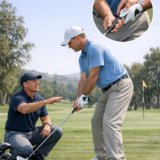
This article provides a practical, evidence‑informed guide intended to shorten teh learning curve for beginner golfers by concentrating on the indispensable elements of swing technique, driving consistency, and putting proficiency.Integrating modern biomechanical findings, motor‑learning concepts, and pragmatic course‑management tactics, the content converts theory into concrete practice progressions and quantifiable performance targets. The emphasis is on compact, repeatable drills and decision routines that foster rapid, long‑term betterment while limiting common compensatory movements and injury risk.
the intentional attention to fundamentals means focusing on the building blocks that underpin later advancement (grip, stance, alignment, sequencing, and tempo for full swings; launch, face alignment, and dispersion control for tee shots; and stroke stability, green interpretation, and distance management for putting). Establishing these basics creates a dependable platform for gradual refinement and seamless transfer to on‑course execution.
After a concise review of relevant biomechanical and motor‑learning principles, the following sections present progressive practice pathways for each domain, beginner‑oriented drills, and straightforward assessment metrics coaches and learners can use to monitor change. This resource is aimed at brand‑new golfers seeking a structured curriculum and teachers who want to apply evidence‑based coaching to accelerate competence in the swing, driving, and putting.
Biomechanical Foundations for a Reliable Swing: Posture, Grip, and the kinematic Sequence
Creating a setup that can be replicated is the primary biomechanical priority because posture and grip define the initial constraints from which every swing develops. Start with an athletic, balanced address: feet about shoulder‑width apart (±1-2 inches) for full shots, roughly 15-25° knee flex, and a clear hip hinge producing a spine tilt of ~20-30° from vertical so the torso can rotate freely without collapsing upward. Ball placement should follow club‑specific rules: short irons just inside center, mid‑irons slightly forward of center, and the driver opposite the lead heel for a right‑hander-these positions help control dynamic loft and initial launch.Use a neutral grip (the two V’s formed by thumb and forefinger aiming toward the right shoulder/ear for right‑handers) with
- Alignment stick parallel to the target line (visual alignment)
- Marks or tape beneath the feet to lock stance width
- Mirror or video to validate spine angle and shoulder tilt
applying these simple tests reduces typical beginner errors-standing too upright, straightening the knees excessively, or squeezing the club-and establishes a consistent starting point for all swing work.
With a stable setup in place, develop the kinematic sequence-the ordered transfer of energy from the feet through the hips, torso, arms, and into the clubhead-so force and accuracy arise from coordinated mechanics rather than brute muscular effort. A functional sequence begins with a controlled weight shift and pelvic rotation of about 40-50°, followed by a shoulder turn of roughly 80-100° in full turns for skilled players, generating an X‑factor (shoulder‑hip separation) of ~20-45° that stores elastic energy. Maintain wrist hinge at the top (roughly a right angle relative to the forearm) and preserve lag during the downswing so the clubhead accelerates after the hands initiate delivery. Drill choices and measurable targets to ingrain this order include:
- Step drill (takeaway with the front foot stepped back; start the downswing with the lead hip) – aim for smooth weight transfer over 8-10 repetitions
- L‑to‑L drill (practice forming and releasing wrist angles) – seek a consistent release point and compressed strikes
- Medicine‑ball rotational throws or impact‑bag strikes to feel proper hip‑to‑shoulder sequencing and a compact compression sensation
Track progress with observable indicators: divots begining roughly 1-2 inches past the ball on iron shots (signaling ball‑frist contact), consistent shaft lean at impact (hands ahead of the ball for irons), and less lateral sway. Address common faults-early extension, casting, or overactive hands-using focused cues (for example, “lead hip toward the target,” “hold the wrist angle,” or tuck a towel under the lead armpit) to re‑establish the biomechanical sequence.
Convert technical gains to course results by blending short‑game mechanics, equipment choices, and situational tactics. For instance, into a firm green with wind, move the ball slightly back in the stance and lower your posture to play a controlled punch; when turf is wet, open the stance and employ extra loft to clear hazards. Short‑game setup is intentionally different: narrower stance, weight forward (60-70%), and limited wrist hinge for chips, while bunker play typically requires an open face and entering the sand about 1-2 inches behind the ball. Construct practice sessions to be deliberate and measurable: warm up (10-15 minutes), a focused technical block (30-40 minutes of sequence and impact drills totaling 50-100 quality reps), and a scoring simulation (20 minutes of pressure saving and lag putting).Simplify on‑course troubleshooting to rapid checks:
- Setup checkpoints (ball position, grip tension, spine angle)
- Environmental adaptations (wind, green firmness, pin placement)
- Mental routine (pre‑shot image, process goals like “compress the ball” rather than outcome fixation)
Set concrete short‑term targets-cut three‑putts by 25% in six weeks, or reach a 70-80% strike‑to‑target window with a 7‑iron at 150 yards-and scale instruction by ability: novices should emphasize grip, posture, and impact habits while low‑handicappers refine X‑factor timing, face control, and trajectory shaping. By tying biomechanical technique to realistic course scenarios and repeatable practice plans, players will see objective, score‑related gains while minimizing injury and increasing consistency.

Progressive Drills to Hone Ball Striking and Clubface Management with Measured Repetitions
Start every session with a strict,repeatable pre‑impact checklist that fixes the clubface relationship to the intended line before initiating the swing. Adopt a neutral grip with grip pressure around 4-6/10 (firm enough to control the club yet soft enough to allow release), maintain a spine angle that supports balance through the motion, and align ball position to the club (for right‑handers: driver off the inside of the left heel, mid‑irons slightly forward of center, wedges back of center).To quantify face orientation at address and impact, rest an alignment rod across the shaft to confirm a square face and strive for an impact face angle within ±2° of square when using a launch monitor. Structure practice with an initial warm‑up block emphasizing mirror work and half‑swing drills:
- Mirror check: three sets of ten focused positions (address, halfway back, impact posture) with video review after each set
- Gate drill at the ball: three sets of twelve swings to promote a square face‑to‑path impact
- Progressive range routine: two sets of 15 swings at 50% speed, two sets of 15 at 75%, finishing with two sets of 10 at full speed-about 100 swings per session
These routines reduce variability for beginners and establish a reproducible baseline for advanced players to work on precision and shot shaping.
Then concentrate on impact mechanics and face control through drills that develop face awareness, forward shaft lean, and proper low‑point location-the primary determinants of launch and spin. Target an impact posture with mild forward shaft lean (~5°-8° for irons) and an attack angle of roughly −3° to −6° for short‑to‑mid irons (drivers generally require a positive attack angle of +2° to +4°). Use these exercises with specific repetition plans:
- Impact bag drill: three sets of 8-12 compressions with 30 seconds rest to ingrain a stable, powerful impact and correct flipping or casting
- Towel low‑point drill: place a towel a clubhead length behind the ball and do four sets of ten swings, ensuring ball contact before the towel-this ingrains correct low‑point control and reduces thin/fat strikes
- Tee drill for driver face awareness: three sets of 12 focused swings with a short tee to train center‑of‑crown contact and controlled face rotation through release
Monitor improvement with impact tape or strike mats and set a practical target-center‑face strikes on 70-80% of shots within eight weeks. On the course, apply face‑to‑path relationships for shaping: to produce a controlled fade, set the face slightly open to the target while swinging on an open path; for a draw, close the face relative to the path-but always align pre‑shot choices with risk management and the rules (for example, avoid penalty areas by selecting safer trajectories in adverse conditions).
Organize practice into a progression that shifts from concentrated repetition to variable, situation‑rich training and integrates mental cues and equipment checks.A practical three‑week microcycle might be: Week 1 – block practice (four sessions focused on drills, ~200 swings to embed mechanics), Week 2 – random practice (three sessions mixing clubs and targets to develop adaptability), and Week 3 – simulated play (two on‑course or simulator sessions with pressure tasks, e.g., hitting nine targets in a row). Back these cycles with measurable benchmarks: trim lateral dispersion to ±10 yards at 150 yards or raise center‑face strike rate to 80% in practice. Test equipment variables-shaft flex, lie angle, and groove condition-during controlled sessions, and adjust wedge loft or bounce to match turf interaction in wet versus dry conditions.To correct persistent faults,include targeted cues and drills: if a player casts,emphasize the impact bag and one‑handed left‑hand drills; if the face over‑rotates,use short,controlled swings with an alignment rod under the lead arm to stabilize forearm rotation. Before each repetition, use a short mental script and visualization (commit to the line, feel the target) so technical gains transfer into smarter, score‑oriented decision making under varied weather and competitive pressure.
Putting Mechanics and Green‑Reading: Stroke Path, Loft management, and Speed Control
Reliable putting begins with a repeatable stroke that synchronizes body movement, putter path, and face control. Set up in balance: eyes over or just inside the ball‑target line, a forward‑leaning shaft so hands sit 1-2 inches ahead of the ball, and feet approximately shoulder‑width to create a steady base.Mechanically, favor a shoulder‑driven pendulum with minimal wrist break-about a 20-40° shoulder turn on full putts produces a smooth arc for lofted face designs, while players using a blade or face‑balanced mallet should rehearse a straight‑back, straight‑through stroke. Equipment choices matter: ensure static putter loft is around 2-4° and adjust lie so the sole sits flat at address; a grip that fills the palms reduces wrist action and encourages pendulum motion. Typical faults-excessive wrist hinge, early head rise, and a hand‑driven hit that increases dynamic loft and skidding-are corrected with slow, deliberate reps and feedback from mirrors or a training wand. Use these practice checkpoints and drills to establish measurable repeatability:
- Gate Drill - place two tees just outside the putter head and make 30 strokes without touching them to groove a controlled path.
- Mirror/Alignment drill – two minutes daily to confirm eye position over the ball and symmetrical shoulder rotation.
- Make‑or‑Statistic – from six feet set an initial goal: 8/10 made or 10/10 inside a six‑inch circle to quantify progress.
When stroke mechanics are consistent, control loft and pace to promote true roll and predictable distance. Aim for low dynamic loft at impact-roughly ~2°-to minimize initial skid and get the ball rolling earlier; verify this with a launch monitor or high‑speed video when available. distance control is the main defense against three‑putts: use a ladder drill to stop putts inside 3 ft from multiple distances (6 ft, 20 ft, 40 ft) and log the percentage finishing within each zone-progress toward goals such as getting 80% of lag putts within 6 ft from 40 ft within six weeks. modify backswing length for green speed (Stimp values): on fast, firm greens shorten the backswing by 20-30%; on slow or wet surfaces land the ball closer to the hole. Helpful drills and troubleshooting ideas include:
- Ladder Drill – from incrementally longer distances, stop ten balls inside 3 ft, 6 ft, and 12 ft; record outcomes to measure improvement.
- Landing‑Spot Drill - aim to land the ball at a preselected spot short of the hole to teach rollout judgment across Stimp variations.
- Weather Adjustment – practice after watering and in light wind to experience grain and moisture impacts on pace.
Combine green‑reading tactics and course strategy to turn better mechanics into lower scores. Read putts by first viewing from behind the ball, then walking the high side to confirm the fall line, and finally selecting a precise aiming point about one to two ball diameters in front of the ball before rehearsing pace twice. In tournament play,prefer conservative aiming that leaves an uphill comeback inside 3-4 ft over an aggressive line that risks a long three‑putt. Use a short pre‑putt routine (visualize the path, take one practice stroke of intended length, breathe) to manage tension and hold tempo.Scaled training options include:
- Beginners: focus on stable setup and the 3‑foot target drill to build confidence and basic pace control.
- Intermediate: employ launch‑monitor feedback to refine dynamic loft to roughly ~2° and practice ladder and landing drills to drop three‑putts measurably.
- Advanced/low handicappers: simulate pressure with competitive drills, practice reads on varying green speeds, and use alignment aids to minimize face rotation and perfect stroke path.
Maximizing Driving Distance and Accuracy: Launch conditions, Shaft Choices, and Weight Transfer
Control initial trajectory by managing launch factors: loft, launch angle, spin rate, and ball speed. Use a repeatable driver setup-ball slightly forward of center and tee height about half the ball above the crown-to encourage higher launch and lower spin. For many recreational players aim for a launch angle near 12°-16° and combine that with driver spin rates in the neighborhood of 1800-3000 rpm to maximize carry. Track progress with measurable outcomes like ball speed and smash factor (target ~1.45-1.50 for well‑struck drives) using a launch monitor or distance logs.On firm, windy courses reduce launch and spin to prevent ballooning into headwinds; on soft, links‑style turf slightly higher launch with moderate spin increases carry. Beginners should initially prioritize consistent center contact and a simple tee setup; advanced players can fine‑tune loft and spin during fitting sessions. Useful launch drills include:
- Impact‑tape checks to confirm consistent center‑face strikes and monitor smash factor
- Incremental tee‑height trials (1/4″ changes) to observe carry shifts and find optimum launch
- Three‑ball short tests: keep all variables constant except loft or ball position to isolate effects
Equipment selection significantly affects dispersion and distance. Base shaft choices on swing speed guidelines-roughly 0-85 mph = Senior/Soft Regular, 85-95 mph = Regular, 95-105 mph = Stiff, >105 mph = X‑Stiff-then refine using feel and launch‑monitor data; note that individual tempo and release alter ideal flex.Consider shaft torque and kick point: lower kick points tend to raise launch, higher kick points lower it and can reduce spin. Remember USGA equipment limits such as the maximum driver length of 46 inches-longer shafts can add distance but usually increase dispersion. A professional fitting that measures carry, total distance, spin, and dispersion is the best way to choose the balance between distance and accuracy. Troubleshooting guidelines:
- High, ballooning shots: test lower loft or a stiffer shaft with a higher kick point
- Excessive left‑right dispersion: review shaft bend profile and tip stiffness; consider shortening the shaft by 1/2″ increments
- Low ball speed despite solid contact: try different ball models and ensure the driver’s center of gravity suits your launch window
Convert equipment and launch optimization into better on‑course outcomes with efficient weight transfer and sequencing.Aim for roughly 60-70% weight on the lead foot at impact to aid compression and reduce slices; achieve this through a controlled lateral shift and a coil‑to‑uncoil pattern-shoulder turn ~90° on the backswing with hip turn ~40°-50°, then initiate the downswing with lower‑body rotation to lead the hands. Address common faults such as early lateral sway with medicine‑ball or alignment‑stick gate drills and casting via impact‑bag or towel‑under‑arm exercises. Practice plans with measurable targets can improve both distance and accuracy:
- Step drill: half‑swings focusing on lead‑foot pressure at impact; aim for a 10-15 yard carry gain in four weeks
- Feet‑together tempo drill: build consistent sequencing and increase smash factor by ~0.03-0.05
- On‑course rehearsal: play nine holes using just three driver/shaft combos to learn preferred shapes for wind and narrow fairways
Mentally, adopt a process routine (pre‑shot sequence, visualization of the trajectory, and a concise swing thought such as ”lead hip rotate”) to lower anxiety and preserve mechanics under pressure. By combining informed equipment choices, launch‑condition control, and disciplined weight‑transfer mechanics, golfers at all levels can produce reproducible ball flight, add carry distance, and tighten dispersion-resulting in more fairways hit and improved scoring chances.
level‑Specific Practice Templates and Trackable Metrics for Skill Development
Begin with a consistent foundation emphasizing reproducible setup and contact: align feet, hips, and shoulders parallel to the target and place the ball relative to club length (for example, center for wedges/short irons, ~1-1.5″ forward of center for mid‑irons, and just inside the left heel for driver). Maintain a steady grip pressure of 5-6/10 and a spine tilt that encourages a descending blow with irons (target an attack angle roughly −4° to −6° for mid‑irons), while a neutral to slightly positive attack angle (≈+2°) is preferable with the driver for lower spin and maximum carry. Start sessions by measuring contact consistency using impact tape or face sensors-set an initial objective of centered impact on ≥70% of shots in 50‑ball blocks-and stabilize timing with tempo drills (metronome‑backed 3:1 backswing‑to‑downswing rhythm). Range drills to include:
- Alignment‑stick line drill for body and face alignment
- Short‑swing impact‑bag or towel drill to train a descending strike
- Half‑swing tempo sets: 10 slow, 10 medium, 10 fast focusing on connection
Typical beginner faults-casting, standing too upright, and excessive grip tension-can be corrected by narrowing the stance slightly, shifting weight forward at impact, and rehearsing slow‑motion swings until the desired contact metrics are achieved.
Once the basics are secure, prioritize the short game and real‑world course management because these areas generally yield the largest strokes‑saved returns. For wedge play, build distance control benchmarks: log carry for each loft and target reproducibility of ±5 yards at standard yardages (e.g., 50, 75, 100 yards). Track proximity to hole (PROX) on wedge shots with target medians of within 20 feet for intermediate players and within 12 feet for low handicaps. Set short‑game targets such as fewer than 2 three‑putts per 18 and an up‑and‑down rate of ≥50% using progressive drills:
- Clock‑face wedge drill (land targets around the hole at various clock positions)
- 50‑ball chipping sequence: 10 balls to 10 ft, 10 to 20 ft, 10 bump‑and‑runs
- ladder putting drill for lag speed control (3, 6, 9, 12 ft)
Also practice realistic course scenarios-simulating a wind‑affected 150‑yard approach, playing from different lies, and rehearsing rules‑compliant choices (for example, taking free relief) so that technical skill translates into smarter decisions and lower scores.
For players seeking advanced refinement and longitudinal tracking, incorporate launch‑monitor metrics and strokes‑gained analysis into a periodized program that targets both variance reduction and shot‑shaping.Low handicappers should routinely record launch angle, spin rate, carry distance, and lateral dispersion (aim for a standard deviation ≤10 yd off the tee) and set session goals such as improving strokes‑gained: approach by +0.2 per 18 over a 12‑week block. Use focused drills to alter trajectory and spin-adjust ball position and shaft lean to tweak attack angle, practice weighted swings and split‑grip face‑control reps for shot‑shape precision, and combine blocked repetitions (e.g., 30 reps at a single trajectory) with random‑target reps to build adaptability. Maintain a practice log that includes:
- session objectives and launch‑monitor outputs
- on‑course stats: GIR, fairways hit, PROX, up‑and‑down %
- psychological markers: pre‑shot routine adherence and pressure‑simulation success rate
Pair quantitative data with mental skills work-visualization, breathing cadences, and consistent pre‑shot checklists-to ensure technical improvements hold up under stress. Reassess progress every 4-6 weeks and update targets based on trends and persistent faults revealed by the data.
Blending Course Management, Pre‑shot Routines, and Mental Skills to Boost Consistency and Scoring
Start by building a repeatable pre‑shot routine that connects setup fundamentals to the desired shot shape and target.First, check yardage and select the club using your measured distance plus environmental adjustments (for example, add 1-2 clubs for a strong headwind or
- Confirm target and landing zone (select a concrete point such as a tree, sprinkler, or yardage marker)
- Verify club selection and yardage
- Set alignment and ball position
- Execute one practice swing focused on tempo
Common mistakes-rushing alignment, inconsistent ball position, or swapping clubs at the last second-are remedied by repeating a three‑step routine (visualize → align → commit) until automatic under pressure.
With a dependable pre‑shot routine in place, layer course management and shot‑shaping choices to reduce score volatility. Think in terms of landing zones and approach angles rather than simply aiming at the flag: for example, if a green is guarded short‑right and you’re 150 yards out into a left‑to‑right wind, target a safer area that leaves a 40-50 yard bailout rather than attacking the pin. Adopt probability‑based goals such as aiming for fairways at least 65-70% of the time and increasing GIR by 10% over a six‑week cycle.Drills to develop these strategic skills include:
- Corridor tee drill – use alignment sticks to create a driving corridor and alternate aiming for left, center, and right strike zones to practice shaping
- Landing‑zone wedge practice - pick three concentric carry targets at 10‑yard intervals to learn carry and roll for each club
- Wind‑adjustment session – hit the same club into headwind, crosswind, and tailwind to quantify yardage change and log results
Equipment matters: verify carry numbers with launch‑monitor sessions (loft vs. distance) and adjust shaft flex or loft to better suit your swing speed and shot preferences if necessary. In match and stroke play apply the risk‑reward principle: when hazards lie inside the margin of error,choose safer targets to limit big numbers and protect your mental game.
Combine short‑game technique with mental routines to convert strategic choices into lower scores. Build a putting routine with pre‑putt visualization, a consistent breathing pattern, and a two‑stroke rehearsal (one to feel the pace, one to execute); set a measurable aim such as converting 60-70% of putts inside 6 feet within eight weeks. For chipping and bunker shots emphasize a repeatable low‑hand release for bump‑and‑runs and an open‑face, hands‑through‑impact acceleration for sand shots. Practice with drills like:
- 50‑ball chipping drill – from various lies at ~20 yards, aim to leave 40 of 50 inside a 10‑foot circle
- 100‑putt pace drill – alternate short, medium, and lag putts to build distance feel
- Attack‑angle drill – place a towel 2-3 inches behind the ball to promote a slightly descending wedge attack (target ≈−4° to −6°)
Correct common faults-deceleration, early extension, and flipping-by slowing tempo, using half‑swings to groove the bottom of the arc, and practicing impact‑focused drills (impact bag, tape). Integrate mental skills (one‑word triggers like commit, breathing, visualization) into every rep so that under match stress the practiced mechanics execute automatically. Linking quantitative goals, structured drills, and strategic decision making yields measurable consistency and scoring improvements across varied course conditions.
Evidence‑Based Assessment and Tech Integration: Video, Launch Monitors, and Periodized Programs
Begin with systematic video capture and objective launch‑monitor data to create a baseline of measurable metrics: clubhead speed (typical beginners ~70-90 mph; more experienced amateurs ofen 95-105+ mph), ball speed, smash factor (ball speed ÷ clubhead speed; target ~1.45-1.50 for driver), launch angle (driver ~10-14°), and spin rate (driver ~1800-3000 rpm depending on the player). For reliable video, place one camera down‑the‑line at hip height and a second face‑on at chest height, both perpendicular to the target; record at a minimum of 120 fps for tempo analysis and 240 fps when possible to inspect impact details. Use slow‑motion playback and overlay tools to quantify swing plane, shoulder tilt, hip rotation, and clubface angle at impact; look for recurring patterns like early extension, an over‑the‑top downswing, or loss of lag. On the practice range compare launch‑monitor sessions to on‑course shots by repeating the same shot intention and noting carry and dispersion differences under wind and turf variations.
Extend measurement from the long game to the short game by combining video and ball‑flight data to refine contact, trajectory control, and scoring‑zone play. Capture dynamic loft at impact for chips and pitches and aim for consistent landing‑to‑roll ratios (for example, a 56° wedge to a 20‑yard chip might present a 1:1 landing‑to‑roll on firm turf). Establish wedge gapping of roughly 7-12 yards between clubs through measured repeats. Practical drills to translate corrections into outcomes include:
- Landing‑Spot Drill: place towels at set distances to train consistent carry and rollout for each wedge
- Low‑Point Control drill: with a 7‑iron set an alignment rod ~2 inches ahead of the ball and practice striking turf just after the ball to create a downward attack (describe as forward shaft lean at impact)
- Bunker Rhythm Drill: practice drawing a line in the sand 1-2 inches behind the ball so you consistently enter the sand before the ball
Additionally, tweak equipment-loft and bounce, grind, and lie angle-to match turf and style: increase bounce for soft sand or lush turf and reduce bounce on firmer conditions. These measurable, specific practices cut three‑putts and save strokes inside 100 yards.
Embed technology into a periodized plan that links technical change to performance and tactical play. Break training into phases-foundation (4-8 weeks) addressing setup and baseline swing; development (6-10 weeks) emphasizing power, sequencing, and launch targets (for example, increase clubhead speed by 3-6 mph or reduce 5‑iron dispersion to 20 yards); and peaking/maintenance (2-4 weeks) for competition simulation and on‑course rehearsal. Weekly microcycles may include: one technical session with video review, one launch‑monitor session to test carry/loft/spin in different scenarios, two short‑game sessions with target scoring, and one on‑course strategic day focused on club choice and wind management. use checkpoints to set measurable goals-reduce average approach dispersion by 10 yards or improve GIR percentage by a set amount-and apply mental routines (pre‑shot sequence, breathing cadence, and outcome‑focused objectives) to transfer range gains to play. In match or stroke play prioritize percentage golf: pick the club that yields a predictable carry for current wind and firmness (validated with monitor data), aim for center‑of‑green when hazards or firm conditions increase roll, and make risk‑reward decisions using statistically supported dispersion and miss tendencies identified from video and launch data.
Q&A
note on sources: the search results provided with the request did not pertain to golf. The following Q&A is thus synthesized from established work in biomechanics, motor learning, and coaching practice and presented in an evidence‑informed, practitioner‑focused style.
Q1: What foundational principles should a beginner internalize first?
A1: Prioritize (1) a repeatable setup (neutral grip, balanced posture, correct ball position, consistent alignment), (2) balance and center‑of‑mass control throughout the motion, (3) a simple, steady tempo, and (4) a practice structure built on deliberate, task‑specific reps with timely feedback. These pillars form a platform for technical refinements and shot‑making strategy.
Q2: Which grip and hand positions are best for novices?
A2: A neutral grip-palms facing toward each other with the V’s pointing at the trailing shoulder-promotes a square face at impact and permits functional wrist hinge. Adjust grip nuances for comfort and reliable release; overly strong or weak grips can predispose persistent hooks or slices.Q3: What defines an evidence‑based setup and posture?
A3: Use an athletic stance: feet shoulder‑width (narrow for short shots, wider for the driver), slight knee flex, a hip hinge creating ~20-30° forward spine tilt, relaxed arms, and weight distributed evenly or slightly on the lead side (~55%). Eyes over or just inside the ball’s vertical plane aids alignment and consistent contact.
Q4: Which swing mechanics are essential for repeatable ball‑striking?
A4: Preserve spine angle through the swing, create and release wrist hinge appropriately, maintain a wide but safe arc, and execute the kinematic sequence-pelvis → thorax → lead arm → hands/club-to transfer ground forces efficiently into clubhead speed.
Q5: How does the kinematic sequence influence outcomes?
A5: A proximal‑to‑distal sequence (hips initiating, then shoulders, then arms, then club) maximizes angular velocity and energy transfer. Disruptions-early arm dominance or casting-decrease clubhead speed and increase face‑angle variability, harming both distance and accuracy.
Q6: What are common beginner faults and practical fixes?
A6: Typical faults and pragmatic corrections:
– Slice (open face): strengthen lead hand pressure, ensure full release, check face‑to‑path relationship.
– Hook (closed face): ease grip strength, stabilize release.
– Topping: hold spine tilt through impact.
– Early extension: improve hip mobility and practice trunk‑stability drills.
Make small, single‑variable changes to avoid destabilizing the whole movement pattern.
Q7: How should practice sessions be organized using motor‑learning principles?
A7: Implement deliberate practice: short, focused sessions with clear objectives, high‑quality reps, and actionable feedback. Blend blocked practice for acquisition with increasing random practice to promote transfer. Use external focus cues (e.g., “send the clubhead to the target”) and intermittent augmented feedback (video, monitor data, coach input) rather than continuous instruction.
Q8: What evidence‑based strategies improve driving accuracy?
A8: Emphasize a consistent setup (ball forward, wider stance), moderate tee height to encourage correct attack angle, tempo control, and a swing path that avoids extreme in‑to‑out or out‑to‑in arcs. prioritize face control at impact over chasing peak clubhead speed. Smart course management-choosing fairway woods or hybrids when the driver’s risk outweighs reward-also improves scoring.
Q9: How can a beginner safely add driving distance?
A9: Improve the kinematic sequence for efficiency, enhance ground‑force application (stable base and effective weight shift), develop relaxed rotational speed via mobility and strength work, and confirm equipment is matched to swing speed. Avoid compensations (casting, early release) that raise speed but reduce accuracy.
Q10: When should a beginner choose an option to the driver?
A10: Opt for a 3‑wood or hybrid when accuracy is paramount-tight landing areas or hazards within driving range. These clubs offer smaller dispersion windows, higher launch, and more forgiving launch conditions that often lead to better scoring for developing players.
Q11: What biomechanical and perceptual basics underpin good putting?
A11: Putting depends on a shoulder‑driven pendulum with minimal wrist motion, consistent loft and small dynamic‑loft changes at impact, and precise pace control. Perceptual skills include judging green speed,detecting subtle slopes,and calibrating stroke length to speed. An external focus (aiming the putter head to a point) generally improves performance.
Q12: What stepwise putting progression suits beginners?
A12: Progressive stages:
– Stage 1 (Technique & Setup): mirror checks for face alignment and eye position; pendulum stroke drills with a metronome.
– Stage 2 (Short Accuracy): gate drill for face/path control (3-5 ft reps).
– stage 3 (Distance Control): ladder drills from 3, 6, 9, 12 ft focusing on consistent backswing lengths.
– Stage 4 (Pressure): circle drills (e.g., make six putts from 3 ft) and add mild consequences to simulate pressure.
- Stage 5 (Green Variability): practice on different surfaces and slopes.
Advance only when both accuracy and speed control are reliable at each stage.
Q13: How should green‑reading be taught to novices?
A13: Use a systematic method: evaluate overall slope (high to low), detect local breaks near the hole, estimate green speed with a test roll, and pick an intermediate aiming point rather than trying to look directly at the hole. Visualize the ball’s path and commit to a specific stroke length to produce the intended speed.
Q14: How does course management accelerate learning?
A14: Teach conservative target selection, favor center‑of‑green approaches, avoid forced carries unless confidence is established, and choose clubs with higher probability of pars. Use simulated‑hole practice to translate technical skills into tactical decision making.
Q15: What role does feedback play for beginners?
A15: augmented feedback speeds learning when used sparingly and focused on actionable metrics (face angle, attack angle, club path, ball speed, dispersion). Video provides visual self‑modeling; launch monitors deliver objective outcome data. gradually reduce dependence on external feedback so learners develop internal error detection.
Q16: Which physical conditioning supports safe skill acquisition?
A16: Prioritize thoracic and hip rotation mobility, ankle and knee stability, core strength for trunk control, and posterior‑chain conditioning for power transfer.Include dynamic warmups, mobility drills, and progressive load management to prevent injury and avoid excessive maximal‑effort swings early in training.Q17: How should a beginner measure progress meaningfully?
A17: Track objective practice and play metrics: fairways hit, GIR, putts per round, dispersion patterns, and distance control stats. Use weekly and monthly trend lines. Supplement with qualitative ratings for consistency, tempo, and confidence.
Q18: When will a beginner typically notice measurable gains?
A18: With structured, deliberate practice (3-5 focused sessions per week of 30-60 minutes), measurable improvements in consistency and distance control often appear within 6-12 weeks. Sustained score reductions and confident course transfer typically require continued practice and graded exposure over months.
Q19: What practice dos and don’ts maximize learning efficiency?
A19: Do set specific goals, practice with variability and context, use external focus cues, employ intermittent feedback, and include simulated pressure.Don’t mindlessly grind reps,chase speed at the expense of technique,or attempt several major changes concurrently.
Q20: What simple tools and resources help beginners practice?
A20: Useful items include alignment sticks, a putting mirror, tees for gate drills, and an entry‑level launch monitor or ball‑tracking app for objective feedback. Periodic sessions with a certified coach for initial setup and periodic checks are recommended to ensure efficient progress.
Concluding advice: To accelerate and sustain skill acquisition combine biomechanically sound technique, motor‑learning driven practice plans, objective feedback, progressive drills, and conservative course management. This integrated approach promotes repeatable ball striking, dependable putting, and smarter decision making on the course.
The core elements discussed-solid swing mechanics, deliberate putting method, and optimized driving strategy-form an integrated framework for early‑stage skill development.Beginners should pursue incremental, evidence‑based practice that emphasizes repeatable movement patterns, objective measurement of progress (e.g., face angle, launch metrics, putter tempo), and drills isolating each skill domain.
To convert knowledge into consistent on‑course performance, adopt a structured practice schedule, get periodic feedback from qualified coaches or video analysis, and rehearse situational scenarios linking technique to strategy. Emphasize process goals, routine assessment, and gradually increase complexity to speed adaptation while limiting compensatory errors.
Ultimately, mastering the swing, putting, and driving is an iterative, data‑driven endeavor. by combining principled instruction, measurable benchmarks, and deliberate application on the course, beginners can develop resilient skills that support sustained performance improvement and lower scores.

Beginner Golf Mastery: Essential Tips to Perfect Your Swing, Putting, and Driving
Who is a beginner golfer?
The term “beginner” describes someone who is starting to learn a skill – in this case, golf – and is working on fundamentals like grip, stance, and basic course etiquette. (See dictionary definitions of ”beginner” for the general meaning.) This article gives beginner golfers practical,measurable steps to improve their golf swing,putting,and driving while building reliable practice habits and course management skills.
Core fundamentals every beginner must master
- Grip: Neutral and repeatable – try the overlap,interlock,or “10-finger” (baseball) grip and pick the one that feels most comfortable while keeping the lead wrist stable.
- Stance & posture: Shoulder-width for irons,slightly wider for woods; knees flexed; spine tilt from the hips; weight balanced over mid-foot.
- Alignment: Clubface aimed at the target, feet/hips/shoulders parallel to the target line (use an alignment stick to train this).
- Tempo & balance: Smooth backswing, controlled transition, and a balanced finish - tempo improves consistency more than raw speed.
- Short game focus: Putting, chipping, and bunker play make the biggest difference to scores for beginners.
Section 1 – Golf swing basics for consistency
Grip, setup, and takeaway (measurable checkpoints)
begin with these reproducible steps to create a consistent golf swing:
- Grip: Place club diagonally across the fingers of the lead hand, cover with the trail hand so the V’s formed point to the trail shoulder. Check: when relaxed, knuckles 2-3 of the lead hand are visible.
- Setup: feet shoulder-width, ball position center for mid-irons, slightly forward for long irons and fairway woods. Check: clubface square to target, shaft leaning slightly toward the lead side at address.
- Takeaway: Keep the clubhead outside the hands for first 6-12 inches – avoids early inside takeaway. Check: club shaft should be roughly parallel to the ground at waist-high backswing on a neutral path.
Backswing to downswing: sequencing and tempo drills
Work on sequencing (hips rotate before hands) and maintain a 3:1 tempo ratio (backswing : downswing) as a starting goal.
- Drill – Count tempo: “1-2-3″ on the backswing,”1” on the downswing. Repeat 50 times with a mid-iron, focusing on smooth speed.
- Drill - Step-in drill: Start with feet close, make a half-swing, then step to normal stance while transitioning to the downswing – trains hip lead.
- Measure: Use a launch monitor or video to track strike location (center face), clubhead speed, and dispersion. aim for progressive reduction in left/right miss by 25% every 4 weeks.
Section 2 – Putting tips that save strokes
Setup, alignment, and stroke mechanics
Putting is a precision skill. Focus on setup, eye position, and a consistent pendulum stroke.
- Eyes over the ball or slightly inside the line - ensures consistent vertical drop into the ball.
- Hands slightly ahead of the ball at address for firm impact and better roll.
- Use a short-back, short-through pendulum motion from the shoulders; limit wrist action.
Putting drills with measurable goals
- Gate drill: Place two tees slightly wider than your putter head and make 50 single-putt strokes through the gate – improves face alignment.
- Ladder drill: Putt from 3, 6, 9, 12 feet – record make-rate. Goal: 80% from 3 ft, 60% from 6 ft, 40% from 9 ft within 6 weeks.
- Distance control drill: Putt six balls to a target 20 feet away without stopping the ball – count how many finish within a 3-foot circle; track advancement weekly.
Section 3 – Driving fundamentals: distance and accuracy
tee setup, posture, and swing adjustments
Driving effectively blends setup differences and slight swing adjustments versus irons.
- Ball position: Just inside the left heel (for right-handers) – helps hit up on the ball for higher launch.
- Tee height: Half the ball above the crown of the driver for a typical modern driver; adjust by launch/ball flight feedback.
- wider stance,more knee flex,and maintain a smooth transitional weight shift for a powerful but stable strike.
Driving drills & tech tips
- Alignment stick drill: Place one stick along the target line and another pointing slightly left of target (for right-handers) to train path and face control.
- Box drill for center-face contact: Use a towel folded into a 6×6 inch box as a strike zone – attempt 20 drives focusing on hitting the towel center.
- Measure: Track average driving distance and fairway hit percentage. Aim to increase distance by 10-15 yards over 3 months through contact quality and clubhead speed work.
Short game & course management (biggest quick gains)
Beginners lower their scores fastest by improving the short game and making smarter course decisions.
Chipping and pitching basics
- Use a putting-like stroke for chips: less wrist, more shoulder rotation for consistent contact.
- Select the right club: Use wedges for soft landing and more loft when you need to stop the ball quickly.
- Practice: 50 short chips to a target every session; track proximity to the hole and set goals (e.g., 60% inside 10 feet).
Course management tips
- Avoid risky aggressive shots if hazards are present – play to your strengths and the safe part of the green.
- Know your club distances – record average carry and roll for each club on the range to choose the right club on the course.
- Count shots from the green: have a plan for your next shot before you reach your ball.
Practice plan and measurable weekly program
Progress happens with intentional practice. Here’s a simple weekly plan tailored for beginners, with time allotments and measurable outcomes.
| Day | Focus | Drills | Time |
|---|---|---|---|
| mon | Putting | Gate + Ladder | 30 min |
| Wed | Short Game | 50 chips + 30 pitches | 45 min |
| Fri | Full swing | Tempo counts + 100 mid-iron shots | 60 min |
| Sat | Driving & Course | 20 drives + 9-hole play (focus: strategy) | 90-120 min |
Common beginner mistakes and quick fixes
- Overgripping – Fix: Grip pressure should be firm but soft (~5-6/10). Relax before each shot.
- looking up too early - Fix: Count “1-2” after impact before looking to maintain balance and solid contact.
- Hands dominate the swing – Fix: Practice shoulder-led strokes and drills that restrict wrist action (e.g., towel under the arms).
- Ignoring short game – fix: Allocate at least 40% of practice time to putting and chipping early in your golf journey.
Equipment tips for beginners
- Start with a forgiving set: cavity-back irons, a hybrid for long approach shots, and a driver with higher loft (10.5-12°) to help launch the ball.
- Ball choice: Use a two-piece distance ball to keep costs low and gain consistent performance.
- Get a basic fitting when possible: loft and shaft flex tailored to swing speed improves launch and accuracy more than upgrading to a premium club.
Case study: 12-week improvement example (typical beginner)
Player profile: 6 months playing, average score 105, inconsistent contact, weak putting.
- weeks 1-4: Focus on grip, alignment, and 3:1 tempo. Added putting gate and ladder. result: fairway hits up 10%, three-putts reduced by 25%.
- Weeks 5-8: Introduced driving tee-height and box-contact drill, increased short-game reps. Result: driving consistency improved, average score dropped to 98.
- Weeks 9-12: Course management practice and on-course decision drills.Result: score stabilized around 92-95 with better recovery and fewer penalty strokes.
Practical tips to accelerate progress
- Practice with purpose: Each rep should have an objective (alignment, distance control, center contact).
- Record video: Analyze swings from face-on and down-the-line once per week to spot recurring faults.
- Keep a practice log: Note drills, reps, and outcomes; aim to improve one metric each week (e.g., putt make-rate or fairways hit).
- Take occasional lessons: A 30-45 minute session every 6-8 weeks with a PGA coach can reduce bad habits early.
Frequently asked questions (FAQ)
How often should a beginner take lessons?
Take lessons regularly enough to break bad habits – roughly every 6-8 weeks or whenever progress stalls. Short, focused lessons (30-45 minutes) are effective.
How much time should I practice weekly?
Aim for 2-4 practice sessions per week, 60-120 minutes each. Prioritize quality over quantity: deliberate practice beats mindless ball-hitting.
Should I buy a launch monitor?
Not required for beginners. A launch monitor helps diagnose swing metrics (launch angle, spin, club speed), but most beginners benefit more from basics and a lesson with a coach.
Final actionable checklist (quick reference)
- Check grip and pressure before every shot.
- Use an alignment stick for at least 10 minutes per session.
- Practice putting ladder and gate drills 3×/week.
- Record one swing video weekly and compare to prior weeks.
- Play 9 holes focusing on course management once per week.