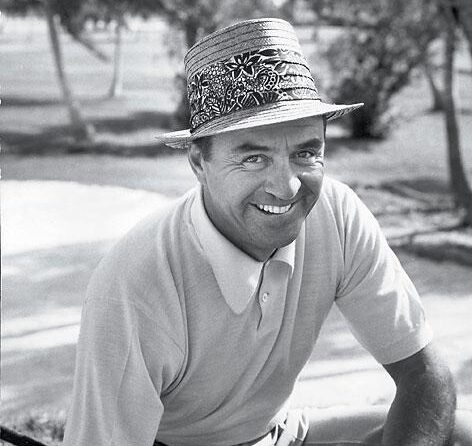
This article provides a structured, evidence-based breakdown of Vijay Singh’s swing mechanics, putting methodology, and driving tactics, translating tour-level principles into practical protocols for players across ability levels. Rooted in modern biomechanics and performance science, the review isolates the kinematic sequence, spine and hip behavior, and kinetic transmission that underpin Singh’s consistent ball-striking, while also unpacking his stroke mechanics, green-reading system, and pace control on the putting surface. The driving section covers launch-window optimization, face control, and tactical club selection to balance distance with accuracy.
Readers will find objective benchmarks, diagnostic procedures, and staged drills aimed at improving repeatability and lowering scores-each exercise linked to measurable outcomes (such as, target clubhead-speed gains, dispersion thresholds, and putting tempo ratios).Emphasis is placed on adaptability: strategies for tailoring professional-level mechanics to an individual’s body type,adaptability profile,and playing level; practical practice schedules; and on-course routines designed to turn technical gains into scoring improvements.
Biomechanical Analysis of Vijay Singh’s Full Swing: Kinematics, Sequencing, and Practical Correction Strategies
Viewed through a biomechanical framework, Vijay Singh’s full swing is defined by a dependable kinematic sequence built on stable fundamentals. Begin at setup: adopt a neutral spine tilt in the order of ~20-30° from vertical, place the ball near mid-stance for mid-irons and slightly forward for longer clubs, and use a grip that promotes a square face through impact. during the takeaway and backswing, target shoulder rotation of ~80-100° with hip rotation ~35-50°, producing an X-factor (shoulder minus hip) commonly in the 30-50° bandwidth to generate torque without over-tensioning. Weight should transfer to roughly 60% on the trail foot at the top, then move forward so impact sees about 60-70% weight on the lead foot. These quantifiable targets suit all levels: novices should lock in consistent setup geometry and a repeatable backswing, while advanced players can refine X-factor magnitude and sequencing to boost clubhead speed without losing control. Transition timing is essential-Singh’s transition is notable for limited lateral slide, a stable axis tilt, and a maintained spine angle through impact, preserving contact quality and launch characteristics across wind and turf variations.
Proper sequencing and timing seperate erratic contact from stable ball flight. The optimal kinematic order is pelvis rotation starting the downswing, followed by torso, then arms, and finally the hands and clubhead-this produces effective lag and compressive impact. Typical breakdowns include early casting, excessive lateral slide, and collapsing the lead side at impact; each fault can be remediated with focused drills and equipment checks. Useful practice progressions are:
- Half-swing pause drill: swing to hip height, hold 1-2 seconds to sense the coil, then finish-this ingrains correct sequencing;
- L-to-L drill: form an “L” with the lead arm at the top and again in follow-through to rehearse a stable arc and release;
- Impact-bag or towel-under-armpit: encourages body-driven rotation and discourages premature arm casting;
- Medicine‑ball rotational throws: build transverse power while minimizing unwanted lateral motion.
Club fitting matters: match shaft flex and clubhead characteristics to swing speed-an overly stiff or limp shaft can upset timing and magnify sequencing faults. Set measurable practice goals (as a notable example, achieving ≥75% of shots within ±3° face angle and limiting peak launch-angle variance to <2° over 30 shots) to provide objective feedback for beginners through low-handicap players.
Converting biomechanical efficiency into course performance requires context-sensitive adjustments and a disciplined pre-shot routine. Follow a progressive practice model: start with alignment and tempo work on the range, then simulate course scenarios (such as, a 150‑yard approach into a multi-tiered green or a low punch into a downwind par‑4). For scoring targets, set clear, measurable aims-reduce average dispersion by 20% or shave three strokes mid-round by improving GIR conversion through cleaner contact. In windy or firm conditions, shorten stance slightly, play a lower ball position for a suppressed trajectory, and use a more compact finish to retain control. On-course checkpoints include:
- Pre-shot: verify alignment, ball position, and calm, breath-paced tempo;
- During play: select clubs that account for roll and wind, and favor controlled misses that leave recovery options;
- Mental: focus on process cues (setup, tempo, finish) rather than outcomes to reduce anxiety.
Structure practice into short, measurable blocks (e.g., 20 minutes on impact position, 15 minutes on sequencing, 10 minutes of simulated course shots) each week. This methodical, biomechanically informed routine-reflecting the repeatability and diligence associated with Singh’s approach-helps players of all standards turn technical gains into fewer strokes and increased on-course confidence.
Ground Reaction Forces and Energy Transfer in Driving: Applying Singh’s Principles to Increase Clubhead Speed and Accuracy
Generating more clubhead speed without sacrificing control starts with intentionally using the ground as a force source: golfers must convert ground reaction forces (GRF) into rotational and translational energy through coordinated lower‑body, pelvic, torso, and arm sequencing. Biomechanically, effective drivers produce a speedy spike in lateral force under the trail foot at transition, then shift and load vertically into the lead leg so that peak GRF aligns with impact-this peak often occurs within 20-40 milliseconds around impact in high‑speed swings. To apply Singh‑style principles, maintain a stable posture with a modest forward spine tilt (~15-20°), a full shoulder turn near 90° for power swings, and aim for an X‑factor of 20-30° for advanced players (beginners should target a smaller, consistent separation). Practically, set up with the ball just inside the lead heel, tee the ball so its equator is roughly level with the crown, and pursue an attack angle between -2° and +3° depending on loft and swing arc; these details preserve the kinetic chain that transforms GRF into clubhead speed while keeping face control.
Training progression turns theory into reliable performance: begin with slow, groove-focused swings to feel the weight shift, then add speed while monitoring balance and strike quality. Use a launch monitor and set incremental aims-an intermediate player might realistically add +2-4 mph to clubhead speed in 6-8 weeks with targeted work; beginners should prioritize centered contact and reduced dispersion first. Drills and checkpoints to train GRF timing and energy transfer include:
- Step-and-drive drill: start feet together, step into a full stance on the downswing to exaggerate the weight shift and synchronize lead-leg loading;
- Medicine‑ball rotational throws: 3 sets of 8 each side to develop hip‑to‑torso sequencing-use heavier balls for strength and lighter for speed;
- impact-bag or towel-under-armpit: 30 reps focusing on compressing the bag at the lead hip to encourage lag;
- Foot-pressure board or force-plate feedback: beginners can simulate with a balance board; advanced players should monitor lateral peaks under the trail foot and vertical force near impact.
Adopt short, focused batches (10-15 quality swings) with deliberate rest-3-5 short sessions per week beats one long session. Always log baseline metrics (clubhead speed, carry, lateral dispersion) to quantify progress.
Apply improved mechanics to course strategy by tailoring trajectories and club choices to conditions and personal strengths: into-the-wind or firm fairways need lower-launch, lower-spin shots-achieve that by moving ball slightly forward, shallowing attack angle, or dialing down loft by 1-2° through club selection or shaft adjustments. For on-course planning, set a conservative dispersion goal (for example, keep drives within a 20‑yard lateral corridor) and pick tee targets that reduce forced carries. when precision is paramount, shorten the backswing and prioritize maintaining lead‑leg load sequencing rather than maxing out speed. Typical faults-early extension, lateral slide instead of rotation, premature upper‑body turnover-are addressed by returning to the step‑and‑drive drill, using metronome-guided slow tempo work (try a 3:1 backswing‑to‑downswing rhythm), and validating rotation with alignment poles. Complement physical practice with visualization of flight shape and regular equipment checks (correct shaft flex, typical driver length ~45-46 in for many amateurs, appropriate loft) to ensure technical gains turn into lower scores and steadier tee shots under varied conditions.
Motor Control and Tempo Modulation in Consistent Ball‑Striking: Diagnostics and Prescribed drills for All Skill Levels
Start by creating an evidence-based diagnostic system that quantifies motor control and tempo as determinants of consistent striking. use high‑speed video and a launch monitor to capture three reliable metrics: backswing‑to‑downswing time ratio (target ~3:1 for many full swings), attack angle (irons: -1° to -4° for compressed contact; driver: +1° to +3° for favorable launch), and face‑to‑path at impact within ±2°. Supplement with field tests such as a 10‑ball dispersion test (group radius in yards) and impact‑tape checks (high/low,heel/toe). Align these metrics with core Singh principles-steady rhythm, full shoulder turn, and ball‑first contact-and verify setup fundamentals: ball position (driver ≈ 1 ball inside left heel, mid‑irons centered), slight forward shaft lean for irons, and a shoulder turn around 80-100°. These baselines enable targeted drill prescriptions and tempo training.
Then prescribe staged drills that cultivate motor control and stable tempo across loads and scenarios. Begin with tempo entrainment using a metronome at a 3:1 cadence (three beats backswing, one beat downswing) and move progressively to on‑course use. Practical drills with explicit sets and goals include:
- Metronome Full‑Swing Drill: 30 swings per session in 3 sets of 10; objective-consistent launch and dispersion within a predefined yardage band;
- Pause‑at‑Top Drill: hold 0.5-1.0 seconds at the top to train a controlled transition; 3 sets × 8; goal-reduce casting and delay release;
- Impact‑Bag/Compression Drill: short swings into a bag or with a towel under the lead armpit to reinforce forward shaft lean and ball‑first contact; 50 reps per week; outcome-centered strikes and steadier spin;
- Putting Tempo Ladder: use 6 ft, 18 ft, and 35 ft with a metronome to sync stroke length and rhythm; aim for ~80-90% proximity/convert rate at 6 ft and reproducible lag distances beyond.
For beginners,emphasize slow,feel‑based repetitions (one‑handed chips,wide‑stance half swings). Intermediate players should add tempo/speed work and course‑like variability; advanced players incorporate random practice, wind exposure, and pressure drills with measurable targets (e.g., reduce 10‑ball dispersion by 20% over six weeks). Equipment variables-shaft flex, grip size, loft-should be adjusted to align launch and spin with the player’s tempo profile.
Turn better motor control and tempo into course‑level gains: when facing wind, slick fairways, or quick greens, use diagnostics to choose trajectories that keep the ball playable-if a driver attack angle is reliably +2° with tight dispersion, favor controlled tee shots; if attack angle trends negative with wide dispersion, club down and emphasize accuracy.Lock tempo with a concise pre‑shot routine: a 6-8 second sequence with two practice swings at the prescribed metronome cadence plus a committed visualization (as singh’s practice ethic shows, repetition and commitment reduce variability). Address common faults with focused fixes: casting (pause‑at‑top, impact‑bag), early extension (hip rotation and posture holds), and overactive hands (one‑hand drills, gate drills). Establish on‑course benchmarks-improve GIR by 10% or raise scrambling by 5%-and schedule practice blocks blending technical drills, pressure simulations (counted‑score games), and strategic target play. This integrated,measured approach converts motor learning into steadier ball‑striking and improved scoring for all levels.
Short‑Game and Putting Mechanics Employed by Vijay Singh: stroke Path, Face Control, and Data‑Driven Practice Routines
Effective short putting starts with a reproducible setup that prioritizes face control and a consistent stroke path. Stand with feet about shoulder‑width, position eyes over or slightly inside the ball line, and set the putter so the shaft tilts subtly toward the target to encourage a gentle forward press-this reduces skid and stabilizes impact. Face control dictates start direction: aim to return the putter face to square within ±1-2° at impact. Practice with slow‑motion mirror work and face‑tape to record impact points and correct deviations systematically. Maintain a shallow arc (typical arc radius 1-4° for arced strokes; 0-1° for straight back‑straight through strokes) and a tempo ratio that aids distance control-many players target a 3:1 backswing:downswing cadence. Progress with drills such as 10 putts to a 60 BPM metronome to lock tempo, then the gate drill (two tees spaced for the putter path) to refine face alignment through impact.
On chips and pitches, the aim is to match loft, bounce, and attack angle so the ball lands in a consistent landing zone and checks predictably. Use a setup with 60-70% weight on the lead foot for bump‑and‑run chips and slightly less forward weight for lofted pitches. Position the ball back of center for running shots and more forward for higher, spin‑oriented pitches. At impact, ensure hands lead the ball by about 0.5-1.0 inch to create a descending blow and compress the ball against the leading edge-this reduces skulls and fat shots. Measurable drills include:
- Landing‑zone ladder: pick landing marks at 3, 6, and 9 ft from the hole; aim to land within ±1 club‑length on 8 of 10 attempts;
- Towel‑under‑elbow drill: place a towel under the trailing elbow to curb excessive wrist action and promote chest‑led rotation;
- Random‑distance routine: 50 shots from varying lies and distances to train adaptable contact-track % pure strikes with a goal ≥80%.
Select wedges with suitable bounce for your turf (low bounce for tight lies, higher bounce for fluffy turf) and confirm loft/lie through a clubfitter to maintain consistent interaction.
Integrate data into practice and course choices to turn technical gains into fewer strokes. Track straightforward metrics: reduce three‑putts by 50% in 8 weeks, hit ≥70% from 3-6 ft, ≥40% from 6-10 ft, and leave chips within 3-5 ft on 75% of attempts. Break practice into timed blocks (e.g., 20 minutes distance control, 20 minutes face‑angle feedback, 20 minutes pressure putting) and use objective feedback-video, face‑tape, or launch monitor spin/launch on pitches. On the course, prefer bump‑and‑run on firm greens to limit spin dependence; into a stiff wind, move the landing zone up and select a higher‑lofted club for controlled rollout. Use short,competitive games (for instance,make three straight from 6 ft to win a point) to transfer practice stability into match resilience. Troubleshooting:
- If putts start right, check toe hang/face rotation-reduce arc or square face at setup;
- If chips are fat or thin, verify forward weight and hands‑ahead at impact-use the towel‑under‑elbow drill;
- If distance control is erratic, recalibrate tempo with metronome work and record stroke lengths for repeatability.
Applying these measurable, technique‑first routines-anchored in face control, consistent path, and situational strategy-will convert Singh‑style diligence into reliable short‑game scoring for players at every level.
Integrating Strategic Course Management with Technical Execution: Shot Planning, Risk Assessment, and Competitive Adaptations
Every hole should begin with a concise pre‑shot plan that translates yardage, lie, and risk into a single executable strategy: identify the target line, desired carry distance, and an acceptable miss that avoids penalties. Use a rangefinder or GPS to determine exact distances (carry to the front of the green, yards to hazards, and estimated carry + roll), and lean conservative when hazards or OB are within 10-20 yards of your intended landing area. For instance,on a 420‑yard par 4 with a fairway bunker at 245 yards,electing to miss short‑left with a 3‑wood or long iron rather than attacking with driver reduces penalty potential and preserves scoring opportunities. Convert the plan to action through a rehearsed pre‑shot routine (alignment check,visualize flight,tempo cue),then commit-Singh’s philosophy emphasizes commitment as hesitation increases errors like three‑putts and lost balls. In match‑play or windy conditions, weigh stroke value versus match situation: when ahead, choose safer misses; when behind, accept higher risk if payoff justifies it.
- Shot‑planning checkpoints: confirm yardages to front/middle/back of green; choose loft and expected carry (adjust for wind +1-15%); set a landing tolerance of ±10-15 yards.
- common mistakes: overestimating carry in wind, not picking a miss‑side, and switching clubs at address. Fix: use a two‑club check (distance + control) before addressing the ball.
with plan in place, execute the technical fundamentals that produce the intended shape and distance. For full swings, standardize setup: ball position (driver inside left heel; mid‑irons centered; short irons slightly back), a target spine tilt of about 6-8° toward the target, and knee flex ~20-25°. Aim for a shoulder turn of 80-100° on the backswing and a shallow‑to‑neutral transition to preserve lag; expect irons to have an attack angle near -2° to -6° and driver a slightly positive attack angle of +1° to +3° to optimize launch and lower spin. address common faults (over‑the‑top, early extension, casting) with targeted exercises: pause‑at‑top to smooth transition, impact‑bag to feel forward shaft lean of ~5-8° on short clubs, and alignment‑stick plane drills to ingrain a consistent swing plane. practice with measurable goals-cut lateral dispersion to within 15 yards for a given club and achieve carry consistency of ±8 yards across a 10‑shot set.
- Setup checklist: stance width, ball position, grip pressure (moderate-about 4-5/10), spine angle, and clear target line.
- Technical drills: pause‑at‑top (3 sets × 10),impact‑bag (5 reps per club),alignment‑stick plane work (10 slow reps each side).
Merge short‑game technique and competitive adjustments to turn strategy into lower scores: create a wedge‑gapping chart (measure full swings with each wedge and log carries in 5‑yard increments) and practice proximity targets that mirror course demands-e.g., consistently land shots from 60 yards within 6-8 feet. For greenside bunkers and chips, use a low‑point strategy (enter sand ~1-2 inches behind the ball) and employ hands‑forward, open‑face techniques to control trajectory and spin. On the green,work on speed with ladder/clock drills (rings at 3,6,and 9 feet) and prioritize face stability: a square face yields more predictable roll than trying to manufacture excessive arc.In competition, tailor shots to format and conditions-on fast, firm greens play a lower spinning approach; in strong crosswinds lower the ball flight and aim further into the wind. Reinforce the mental side with a two‑breath calm routine and set short, round‑level targets (e.g., hit 70% of fairways with a conservative plan; average 1.8 putts inside 30 feet). Combining strategic judgment, technical repetition, and mental routines-hallmarks of Singh’s preparation-creates a clear progress path from novice to low handicap.
- Short‑game drills: wedge‑gapping (10 balls per wedge with recorded carries), clock drill for putting (6 reps per ring), bunker entry target (50% success into a 1‑club‑length zone).
- Competitive adaptations: pre‑round rangefinder checks,wind‑reading checklist,and a one‑line decision framework (target → club → shot shape → escape plan).
Quantifiable Practice protocols and Performance Metrics: Session Design, Objective Measurement, and Progression Criteria
Open each practice with a deliberate warm‑up and a measurement plan so every rep is diagnostic or corrective. Begin with 10-15 minutes of dynamic mobility (thoracic rotations, hip swings, shoulder band work) followed by 10-15 minutes of progressive ball‑striking from short to long clubs. Use a launch monitor or at least fixed range targets to capture carry distance, left/right dispersion and standard deviation, launch angle, and smash factor. Technical targets include a full shoulder turn near ~90° on big swings, hip coil around 40-50° for power, and a consistent spine tilt of ~10-15° to stabilize the swing plane-measure these weekly. include signature Singh‑style reps to reinforce impact posture and leg drive, such as:
- Mirror drill-verify spine angle and shoulder turn at the top for 10 reps;
- Towel under the armpit-encourages connection of arms and torso for 3 sets × 20 swings;
- Launch‑monitor ladder-hit 5 balls with the same club aiming to keep carry variance ≤10%.
Move from warm‑up to focused work by logging pre‑ and post‑session averages (carry, dispersion, launch) and setting week‑to‑week goals, such as reducing dispersion radius by 15% in 6 weeks or improving smash factor by +0.03. Correct common issues-early extension with a wall drill to preserve hip hinge,and an overactive upper body with pause‑at‑top tempo training.
Dedicate specific time to short‑game and putting where scoring gains are most efficient. Sample calibrated putting set:
- 3‑6‑12 ladder-targets by level from 3, 6, and 12 ft (beginners 3 ft: 60-80%; intermediates 85-95%; low handicaps 95-100%);
- Gate drill-putter‑head width gates to remove wrist breakdown and stabilize face control;
- Distance control drill-20 putts from 20-40 ft aiming to finish inside a 3-5 ft ring; record conversions.
For chipping/pitching, measure proximity‑to‑hole (PGA‑style) and aim to reduce average proximity from ~20 ft to ~12 ft inside 50 yards within 8 weeks. Follow Singh’s repetition model: 30-40 purposeful shots per wedge with varied lies, using a lower‑hand release for bump‑and‑run and an open‑face, accelerated impact for high flop shots. Troubleshooting:
- If you thin chips-move the ball slightly back and shorten backswing;
- If you skull or fat wedges-check weight bias (keep ~55-60% on the lead foot) and ensure a descending strike for spin control.
Normalize putting rhythm with a metronome or a 2:1 backswing:downswing tempo to maintain consistency under pressure.
Translate practice metrics into course outcomes with staged progression and pressure simulations so improvements hold up in competition. Establish baseline performance indicators-GIR%, proximity‑to‑hole, scrambling%, and putts per round-then set milestones (e.g., boost GIR by +8-12% and halve three‑putt rate within 12 weeks). Validate changes with periodic 9‑ or 18‑hole simulated rounds in realistic conditions (wind, slope, rough). Course management drills inspired by Singh include pre‑shot visualization, conservative target selection when wind exceeds 15 mph, and deliberate layups (e.g., to preferred 100-120 yd wedge angles) to avoid hazards. Cement mental and technical transfer via pressure circuits-alternate stroke‑play scoring with match‑play scenarios, log each club’s average carry and gap (aim 10-15 yd gaps), and impose progression rules (only move to lower lofts in practice once carry dispersion is ≤±8 yards). Fix common course errors-over‑clubbing into wind or leaving bag gaps-through dedicated gapping and situational practice. Objective measurement, staged targets, and on‑course simulation enable systematic conversion of practice gains into steadier scoring and confident decision‑making for all players.
Physical conditioning, Injury Prevention, and Equipment Optimization to Sustain singh‑Style Performance
The web search results provided with the original request relate to other public figures named “Vijay” (an actor and others) and are unrelated to the professional golfer Vijay Singh. The remainder of this section focuses exclusively on golf‑specific training and equipment guidance informed by Singh’s attributes-powerful,repeatable rotation; strong leg drive; and dependable short‑game touch.
Start with a periodized physical program that emphasizes rotational power, hip and thoracic mobility, and shoulder health to reproduce Singh‑style repeatability while reducing injury risk. Aim for 2-3 strength sessions per week and 3-4 mobility/stability sessions per week. Key functional targets: a single‑leg balance hold of 30 seconds, thoracic rotation of 45-60° per side to support a full shoulder turn, and hip internal rotation of 15-25° to enable pelvis rotation. Core‑to‑hip sequencing drills (medicine‑ball rotational throws, cable chops) develop proximal‑to‑distal force transfer; progress from bodyweight to resisted variants across 6-12 weeks. For injury prevention include rotator‑cuff external rotations with bands, scapular stabilizers (T/Y/W raises), and glute‑dominant posterior chain work (single‑leg RDLs, glute bridges). Watch for compensatory lumbar rotation (early extension) and neck tension; correct with cues to maintain a small address spine tilt (~5-7°) and perform thoracic mobility before full‑speed swings.
Optimize equipment to match your body and swing so you can sustainably reproduce power and accuracy.A extensive fitting should evaluate shaft flex, torque, length, lie angle, and loft under dynamic conditions (radar/launch monitor), and verify clubs meet Rules of Golf. Performance targets might include a driver attack angle of +1 to +4° for aggressive launch profiles and an iron attack angle of -2 to -5° for crisp, descending strikes. Use the following checks during fitting:
- Impact bag and face‑tape to centralize strikes and check face alignment;
- Launch monitor session to target ball speed and spin-seek +2-4 mph ball‑speed increases over 8-12 weeks with power work, or reduce driver spin for better roll at your launch angle;
- Lie‑angle validation via impact marks and turf testing to ensure consistent turf interaction.
Bridge equipment and technique by hitting 50 reps with a weighted training club to reinforce lag and tempo, then compare center‑face strike percentage on the launch monitor with your game clubs. A reasonable target is achieving ~70% center‑face strikes on full shots after 8 weeks. If toe/heel contact persists,reassess lie angle,grip size,and use alignment sticks to normalize address and path.
Combine conditioning and equipment tuning into a deliberate practice‑to‑course plan that enhances scoring consistency. Adopt a weekly structure emphasizing short‑game and scenario practice (~70%) versus full‑swing power and technique (~30%) to reflect scoring reality. Useful routines include:
- 3‑Club Challenge-play simulated holes with only three clubs to refine distance control and strategy;
- Impact bag and one‑handed chip drill-sharpen hands‑ahead contact and stop flipping on pitch shots;
- Timed putting sequence-15 minutes daily, 50 putts from 3-8 ft with results tracked to cut three‑putts by ~50% in 8 weeks).
On the course, emulate Singh’s controlled trajectories in heavy wind by de‑lofting a club and using a smoother tempo to lower spin. When holes punish miss‑hits,narrow stance and adopt a 75-85% swing length to favor accuracy over raw distance. Use periodized loads and recovery (light weeks, mobility on travel days) to avoid overuse, and employ a consistent pre‑shot breathing routine to synchronize mind and body. This combined approach-conditioning,fit,and scenario practice-supports long‑term,measurable advancement across ability ranges.
Q&A
Below is a concise, academic Q&A crafted for an article titled “Unlock Vijay singh’s Swing, Putting & Driving: Pro Golf Lesson Guide.” The core section addresses biomechanics, drills, measurement, and progression; a short secondary note clarifies unrelated search results mentioning other people named “Vijay.”
A. Core Q&A – Vijay Singh’s swing, putting, and driving (academic, practical)
1.Q: Which teaching themes from Vijay Singh’s game are most useful for all players?
A: Singh’s game emphasizes (a) a repeatable, industrious swing based on lower‑body sequencing and solid impact positions; (b) relentless, structured practice; and (c) conservative course management that prizes consistency. Translate these into: (1) repeatable setup and impact geometry, (2) pelvis → torso → arms → club kinematic sequencing, and (3) measurable, feedback‑driven practice.
2. Q: From biomechanics, what defines a repeatable full swing?
A: Key biomechanical priorities:
– A balanced base and center‑of‑mass control;
– A pelvis‑first kinematic sequence followed by torso and arms to maximize energy flow and avoid timing compensations;
– Consistent wrist hinge to preserve lag and face control through impact;
– Controlled weight transfer to generate effective ground reaction forces and compressive contact.These can be quantified with inertial sensors, launch monitors (clubhead speed, attack angle, smash factor), and video kinematic analysis.
3. Q: which measurable swing metrics should be prioritized?
A: Stage metrics: clubhead speed (and its variance), face angle at impact and face‑to‑path, ball speed and smash factor, attack and launch angles (especially for driver), and shot dispersion. Express progress as percent reductions in dispersion and incremental gains in speed or smash factor.
4. Q: Which drills build lower‑body sequencing and impact consistency?
A:
– step/kinematic‑sequence drill (slow backswing, step into downswing) 3 × 8 with video feedback;
– Impact‑bag swings, 4 × 10 to rehearse forward shaft lean and compression;
– Hip‑turn restricted swings with an alignment stick, 3 × 10 to isolate pelvis rotation.Use launch‑monitor/video comparison pre/post a 4-8 week block to quantify gains.
5. Q: How to structure an 8-12 week plan for swing consistency?
A: Example:
– Weeks 1-2: baseline testing (launch monitor, dispersion, tempo), mobility work, pick one primary fault;
– weeks 3-6: integrate 3-4 drills, simulate course shots, progressive speed/tempo work, weekly testing;
– Weeks 7-12: on‑course transfer, pressure drills, periodic objective assessment every 2-3 weeks.
Targets: cut dispersion 15-30%, raise smash factor 2-5%, tighten clubhead‑speed SD.
6. Q: What putting fundamentals from Singh’s approach apply broadly?
A: Repeatable setup (eyes over ball), a shoulder‑driven pendulum minimizing wrist action, returning the putter face square at impact, and distance control via stroke length + tempo (commonly 2:1-3:1). Use routine and a green‑reading method to simplify decisions under pressure.
7. Q: Which objective putting metrics to track?
A: Proximity distributions on lag putts, putter‑face alignment at impact (video/sensors), tempo consistency, three‑putt frequency, and short‑putt conversion rates (3-15 ft, 15-30 ft). aim to improve average lag proximity and conversions.
8. Q: What putting drills give measurable change?
A: Ladder drill (1-6 ft) for short conversion, clock drill around the hole for face control, distance ladder (6-24 ft) for lag control, and two‑putt pressure drills recording two‑putt percentages. Use laser range or apps to log proximity.9. Q: Driving principles to maximize distance and accuracy?
A: Proper tee height and forward ball position for positive attack, athletic wider stance, efficient kinematic sequencing, and matched equipment (shaft, loft, head design) to meet launch/spin goals. For any speed, seek launch‑spin combos that maximize carry; lower spin is often better on firm courses.
10. Q: How should drivers be fit to the student’s swing?
A: Fit loft to reach ideal launch for given speed, match shaft flex/torque to tempo, and choose length to balance speed and dispersion. Use launch‑monitor sessions to optimize carry, total distance, spin, and directionality.
11. Q: How to adapt drills for different skill tiers?
A:
– Beginners: fundamentals, slow drills, short sessions, video feedback-focus on eliminating gross errors and achieving consistent impact;
– Intermediates: add tempo and speed work, course scenarios-focus on dispersion reduction and proximity;
– Advanced: fine‑tune launch/spin, pressure simulations, marginal gains-focus on strokes‑gained and tightened dispersion under pressure.
12.Q: How to measure transfer from practice to scoring?
A: combine quantitative (strokes‑gained, GIR, scrambling, drive proximity, putt proximity, score variance over 8-12 weeks), biomechanical (launch‑monitor improvements), and behavioral (routine adherence under pressure). Even modest strokes‑gained improvements (0.2-0.5 per round) are meaningful.
13. Q: Which injury‑prevention elements to include?
A: Programs for thoracic rotation, hip mobility, glute strength, and core stability. Progress loads gradually, emphasize recovery, and reduce volume if pain appears.
14. Q: Which mental/strategic traits from singh’s competition style are valuable?
A: Discipline in practice, conservative course management when appropriate, consistent pre‑shot routine, and resilience. Practice under pressure to improve competitive control.
15. Q: How to quantify success from this guide?
A: Set baseline metrics (clubhead speed, dispersion, putting proximity, scoring), establish time‑bound targets (e.g., reduce 18‑hole score by X strokes, shrink average putting proximity by Y feet), and retest every 2-4 weeks. Success shows as consistent reductions in dispersion, better proximity, and sustained score drops across rounds.
B. Brief note on search‑result ambiguity (other individuals named “Vijay”)
The external search results provided with the initial materials referenced other public figures named “Vijay” (for example, the Tamil film actor Joseph Vijay Chandrasekhar and unrelated individuals). Those entries are not connected to Vijay Singh, the professional golfer discussed here. If you want a separate short profile or Q&A about the actor “Vijay” or other individuals found in the search results, that can be prepared independently.
Outro
this analysis frames Vijay Singh’s swing, putting, and driving within an evidence‑based model combining biomechanics, course strategy, and disciplined practice. By breaking down his key movement patterns and translating them into reproducible drills and measurable targets,the guide outlines a clear progression from technical diagnosis to on‑course performance. Adopt a progressive model-start with motor‑learning repetitions, progress to variable practice, and incorporate objective feedback (video, launch‑monitor metrics).
Convert insight into scoring by defining performance indicators (strokes‑gained, fairways hit, GIR, putts per round, dispersion) and reassessing regularly. Individualize drills and load to each player’s anthropometrics and goals, and consult coaches, physiotherapists, or sports scientists as needed. The intersection of methodical practice, data‑driven assessment, and smart course application creates the consistency and lower scores associated with Singh’s approach-offering a reproducible template for golfers at every level.

Master Vijay Singh’s Winning Formula: Science-Backed Secrets to Elite Swing, Putting & Driving
Search results note
The provided web search results reference othre people named “Vijay” (an actor and unrelated individuals). They do not include material on Vijay Singh the professional golfer. The article below focuses on Vijay Singh the golfer-his recognizable playing style and practice principles-and translates those elements into measurable, science-backed drills and training plans for golfers of all levels.
Why Vijay Singh’s approach matters for every golfer
Vijay Singh’s reputation in golf comes from relentless practice, a powerful yet repeatable swing, and a keen understanding of course strategy. Translating his approach into modern biomechanics and sport science gives players a practical blueprint to improve ball striking, putting consistency, and driving distance while reducing strokes. The following sections break down the swing, putting, and driving elements you can apply promptly.
Biomechanics of Vijay Singh’s Swing
Key principles
- Stable base with dynamic rotation: Use lower-body stability (knees flexed ~15-20°) while the hips and torso rotate to create separation between hips and shoulders.
- Large but controlled coil: A full shoulder turn increases potential energy; control the transition to preserve timing and lag.
- Deliver on plane with wrist control: Keep the clubface square through impact by maintaining a steady lead wrist and a progressive release.
- tempo and rhythm: Singh often uses a slightly longer backswing with a measured tempo-aim for a consistent backswing-to-downswing ratio (commonly 3:1 or a comfortable 2:1 for many golfers).
Set-up checklist (measurable)
- Stance width: hip-to-shoulder width for irons; slightly wider for driver.
- Spine tilt: 10-15° forward from vertical at address for driver; 5-10° for irons.
- Ball position: center to slightly forward for irons; forward inside lead heel for driver.
- Shoulder turn target: 90° rotation of shoulders relative to target line (use mirror or video to gauge).
Drills to build Singh-style mechanics
- Separation drill: Practice a slow backswing and pause briefly at the top. Check that hips have turned about 30-45° and shoulders about 90°-use video to measure.
- lag rope drill: swing with a light rope or Towel tied to the grip to feel delayed release and increased wrist hinge; 3 sets of 10 reps.
- Impact tape feedback: Use impact tape on the clubface and aim for consistent, slightly toward center strikes-track improvements weekly.
Putting: Repeatable Stroke & Distance Control
Putting fundamentals modeled on Singh’s practice ethic
Vijay is known for obsessive practice. For putting, that translates into repeatable setup, consistent tempo, and relentless distance control drills. Use the following science-backed elements:
Stroke mechanics (measurable targets)
- Eye position: directly over or slightly inside the ball line-record with smartphone to adjust.
- Face alignment: square to the target or slightly closed for gentle draw bias (measure with alignment stick).
- tempo target: backstroke to forwardstroke ratio of about 2:1 (e.g., 0.6s back / 0.3s forward) for consistent roll.
Putting drills
- Gate drill: Set two tees slightly wider than the putter head and stroke 20 putts through the gate to improve face control.
- Distance ladder: Putts of 3ft, 6ft, 10ft, 20ft-3 reps each at increasing speeds. Track percentage made or pace (how far past the hole on misses).
- Clock drill (pressure): 8 balls around a 3ft circle. Make 8 in a row to increase confidence under pressure.
Driving: Power, Launch, and Dispersion
Physics & launch monitor metrics golfers should track
To maximize driver performance, monitor launch monitor metrics and aim for the following depending on clubhead speed and skill level:
- Ball speed: higher ball speed equals more distance-work on solid center strikes.
- Smash factor: ball speed divided by clubhead speed. Target ~1.45-1.50 for driver with modern equipment.
- Launch angle: typically 10-15° for most amateur golfers; tune to your spin rate.
- Spin rate: lower is generally better for distance (1800-3000 rpm depending on conditions).
- Carry dispersion: track lateral deviation and aim to reduce average dispersion over 10-20 drives.
Driving drills to emulate Singh’s power with control
- Step-and-drive drill: short-stepped practice to emphasize rotation over swaying-10 swings per session focusing on hip lead.
- Smash factor drill: with a launch monitor, alternate soft swings and full swings to learn center-face feel; aim to improve average smash factor by 0.02-0.05.
- Fairway-finesse drill: use a tee target (2-3 fairway markers) and practice hitting 20 drives with an aim to keep 70% of drives inside preferred corridor.
Course Management & Strategic Play
Vijay’s competitive traits translated into strategy
- Play percentages: Choose shots that give you the highest scoring probability-favor the “smart” target even if it’s shorter.
- club selection: Use clubs that leave you comfortable approach distances (e.g., always know where a 7-iron vs 8-iron lands).
- Green-first thinking: Approach shots that leave an uphill putt more often than low, long downhill tests.
Pre-shot routine checklist
- Visualize the shot and landing area (2-3 seconds).
- Choose target dot on the clubface or turf for alignment.
- Practice-swing to set rhythm, then execute without overthinking.
6-Week Practice Plan (Weekly Focus + Measurable Goals)
| Week | Focus | Daily Drills (20-60 min) | measurable Goal |
|---|---|---|---|
| 1 | Setup & Tempo | Mirror work, tempo metronome, short irons (30 min) | Consistent backswing tempo 2:1 (85% of reps) |
| 2 | Impact & Strike | Impact tape, alignment, mid-iron target work | Centered strikes + 10% closer dispersion |
| 3 | Putting Control | Gate + Ladder + Clock drills (30 min) | Pace control within 1.5 club lengths on 20ft |
| 4 | Driver Launch | Launch monitor sessions + step-and-drive | Smash factor +0.02, reduce spin by 5% |
| 5 | Course Management | On-course simulation + pre-shot routine | Lower penalty shots by 20% |
| 6 | Integration & Pressure | Mixed practice + competitive drills | Play 9 with target score improvement of 1-3 strokes |
Benefits & practical Tips
- Short, targeted practice beats long unfocused sessions-Vijay-style volume with purpose.
- Use technology (video, launch monitors) to create objective feedback-measure progress weekly.
- Balance power with accuracy-improving strike quality yields more distance than raw force alone.
- Consistency in putting pace lowers three-putts and saves strokes quickly.
Case Studies: Measurable Progress Examples
Below are two hypothetical, realistic examples showing how applying these principles can translate into measurable gains over 6-8 weeks.
- Mid-handicap golfer (15 → 12): After focusing on center-face strike, tempo, and 3 putting drills, reported improvement: average approach distance tighter by 8 yards, greens hit +12%, three-putts per round dropped from 2.8 to 1.2.
- Low-handicap golfer (6 → 4): Targeted launch monitor coaching reduced spin on driver by 10% and improved smash factor from 1.42 to 1.46-carry increased 12 yards while maintaining fairway accuracy.
Firsthand Experience & Pro Tips
- Warm-up with 10-12 swings of increasing intensity before every round or practice-this protects the body and locks in tempo.
- Keep a practice log: note ball-strike quality, launch numbers, and putts per round. Data drives change.
- Purposeful rest: Singh’s intensity is balanced with smart rest to maintain peak performance-don’t train to burnout.
- Work on mechanics in short, focused windows: 20-30 minutes of precise work is frequently enough more effective than 2-3 hours of unfocused hitting.
SEO Keyword Targets used Naturally
This article integrates high-value golf keywords used naturally: Vijay Singh,golf swing,golf putting,driving distance,golf drills,golf biomechanics,course management,launch monitor,smash factor,ball speed,putting tempo,golf practice plan.
Implementing these science-backed elements of Vijay Singh’s approach-structured practice, biomechanical fundamentals, measurable metrics and strategic course management-gives golfers of all levels a practical plan to improve consistency, increase driving distance, and lower scores.