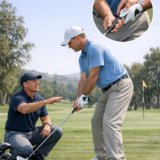
Mastering golf is less about secret tricks and more about understanding teh science and systems behind every shot.From the efficiency of your swing mechanics to the precision of your putting stroke and the power-transfer in your drives, performance hinges on how well you coordinate body, club, and course strategy.
This article synthesizes current biomechanical insights and evidence-based training protocols to help you build a repeatable, high‑performance game. You will learn how to diagnose and correct common swing faults,structure your practice with level-specific drills,and track progress using clear,measurable metrics. We will also cover how to integrate these technical improvements into real on-course decision-making-so gains on the range translate into lower scores in competition.
Whether you are a dedicated amateur looking to break a scoring plateau or a competitive player refining your edge, this guide provides a structured, data-informed approach to:
- Fixing swing inconsistencies and improving ball-striking
– Developing a reliable, pressure-ready putting routine
– Optimizing driving distance and accuracy through efficient mechanics
By aligning technique, practice design, and course strategy, you can move beyond rapid fixes and build a complete, resilient golf game.
Fundamentals of the Golf Swing Biomechanics for a Repeatable Motion
The basis of a repeatable golf swing is a consistent setup that allows your body to move efficiently around the ball. Aim for a balanced, athletic posture: feet roughly shoulder-width apart with irons and slightly wider with the driver, weight distributed about 55% in the balls of the feet and 45% in the heels. From face-on, your spine should tilt vrey slightly away from the target with longer clubs to promote an upward strike; from down-the-line, a neutral spine angle of approximately 35-40° of forward bend is ideal for most players. Grip pressure should be firm enough to control the club yet relaxed (about 4 out of 10 in tension). To check your setup before every shot, use these points on the range and on the course:
- Clubface square to the target line at address
- Feet, hips, and shoulders parallel to the target line (slightly open for short-game shots)
- Ball position just inside the left heel with driver, center-left with mid-irons, center with wedges
- Arms hanging naturally so hands are just under the chin, not reaching or crowded
Building a pre-shot routine that runs through these checkpoints helps you comply with the Rules of Golf regarding pace of play while laying the foundation for a motion that is easy to repeat under pressure.
Once your setup is consistent, the next biomechanical key is how you load and coil in the backswing. The goal is to create torque between the upper body and lower body without swaying off the ball. As you take the club back, feel your lead arm staying relatively straight while the trail arm folds naturally around 90° at the top. For most flexible golfers, a full shoulder turn is about 80-100° while the hips rotate around 40-45°, creating a powerful X-factor stretch. Keep your lead knee stable-allow it to move slightly inward but avoid lateral slide beyond the outside of your lead foot. A useful drill:
- Feet-together drill: hit half-swings with your feet touching; this teaches you to turn rather than sway.
- Alignment-rod spine drill: place an alignment rod vertically against your lead hip; during the backswing, avoid letting your hip push the rod away.
On the course, when you feel nervous over a tight par-4 tee shot, focus on a smooth one-piece takeaway and a full shoulder turn rather than “hitting hard”; this preserves tempo and helps you keep the ball in play.
The downswing is where efficient biomechanics translate your stored energy into clubhead speed and accuracy. The sequence should begin from the ground up: lower body initiates, upper body follows, then arms and hands deliver the club. From the top, feel a slight shift of pressure into your lead foot (aim for 70-80% weight on the lead side at impact with irons) while your hips begin to rotate toward the target. This shallow move helps the club approach the ball from the inside, creating a consistent slight draw bias for many players. Maintain your wrist hinge into the “delivery position,” then allow it to unhinge through impact-this is the release, not a forced flip. For practice, use:
- Step-through drill: make swings where you step your trail foot toward the target as you swing; this trains proper weight transfer and rotation.
- Impact-line drill: draw a line in the grass or on a mat and make swings trying to strike the ground just after the line; this builds a forward low point and ball-first contact.
On firm, windy days, shorten your backswing slightly and focus on rotating through to a balanced finish; this compresses the ball and keeps trajectory and spin under control for better course management.
These same biomechanical principles scale down into the short game, where motion size decreases but structure remains. A solid pitching and chipping motion relies on quiet wrists, stable lower body, and controlled rotation of the chest. Set up with a slightly narrower stance, more weight (about 60-70%) on your lead foot, and the ball positioned just back of center for standard chips and pitches. Use your shoulders like a pendulum, allowing the club to sweep the turf with a shallow angle of attack for higher lofted shots, or a slightly steeper angle for bump-and-runs. Useful short-game drills include:
- Gate drill: place two tees just wider than your putter or wedge head and swing through the “gate” to train center-face contact.
- Landing-spot drill: place a towel or coin on the green and practice landing the ball precisely on that spot, adjusting club and swing length for different carry-and-roll ratios.
On the course, choose shot type based on lie and green contour: from tight lies or into the grain, favor a more lofted club and slightly steeper strike; from fluffy lies or down grain, use more bounce and a shallower, gliding strike.This strategic pairing of technique and conditions leads to more up-and-downs and lower scores.
To make these mechanics truly repeatable, combine technical practice with structured routines and equipment that matches your swing. Ensure your shaft flex, lie angle, and grip size are appropriate for your swing speed and body dimensions; such as, a player consistently missing left with irons may benefit from lie angles checked and possibly flattened by 1-2°. Design practice sessions that blend block practice (repeating one move) with random practice (changing clubs, targets, and shot shapes) to simulate real-course demands.For measurable advancement, set weekly goals such as:
- Contact goal: 8 out of 10 iron shots struck in the center third of the face on the range.
- dispersion goal: keep 7 out of 10 drives within a 25-yard fairway width.
- Short-game goal: get at least 5 out of 10 chips inside a 6-foot circle.
Before every shot in play, use a consistent mental routine-visualize the ball flight, take a rehearsal swing that mirrors the desired motion, then commit fully. Over time, this integration of sound biomechanics, smart equipment choices, purposeful practice, and strong mental habits produces a swing you can trust under any conditions, from a casual round to a pressure-packed tournament.
Diagnosing Common Swing Flaws and Corrective Drills for Immediate Improvement
Most swing flaws can be traced back to a few key fundamentals: grip, posture, alignment, and ball position. To diagnose issues quickly, start at setup. From a down-the-line view,your spine should tilt slightly forward from the hips (about 30-40 degrees),with knees softly flexed and weight balanced over the balls of your feet. Check your grip by ensuring you can see 2-3 knuckles on your lead hand for a neutral position and that the “V” formed by your thumb and index finger on both hands points between your trail shoulder and chin. Common problems such as slices, hooks, and fat shots often begin here: a weak grip and open stance tend to produce a slice, while a strong grip and closed stance can create a low hook. On the practice tee, lay down two clubs on the ground-one along your toe line and one pointing at the target-to verify alignment and reinforce a square setup before every shot.
Once setup is sound, the next step is diagnosing path and clubface issues that cause inconsistent ball flight. A classic over-the-top slice occurs when the club travels from outside-to-in with an open face at impact, often resulting from an upper-body dominated downswing. Conversely, a severe in-to-out path with a closed face creates pushes and hooks.Use this simple drill: place a headcover or small object just outside the ball and slightly behind it on the target line. If you’re coming over the top, you’ll hit the object. The goal is to swing so the club travels from the inside, missing the obstacle and starting the ball slightly right of the target (for right-handed golfers) with a gently closing face. Advanced players can add an alignment stick in the ground about 10 yards ahead and slightly right of the target to visualize a draw path, while beginners focus first on starting the ball consistently on line.
Contact issues-topping the ball, hitting behind it, or thin strikes-often stem from poor low-point control and weight transfer. At impact with an iron, your hands should be slightly ahead of the clubhead, with roughly 60-70% of your weight on your lead side. To train this, use the ”line drill”: draw a straight line on the ground with a tee or club, set the ball just ahead of the line, and make half swings focusing on striking the turf in front of the line. Progress only when you can consistently produce divots ahead of that line at least 7-8 out of 10 swings. On the course, when facing tight lies into the wind, commit to this same feeling-lead side pressure and hands forward-to trap the ball, flight it down, and avoid the chunked shot that leads to double bogey.For older players or those with limited mobility, shorten the backswing but maintain this forward pressure to improve strike without increasing strain.
Short game flaws-especially in chipping and pitching-can quickly inflate scores despite a decent full swing. Many golfers flip their wrists at impact, leading to chunks and skulls.Instead, focus on maintaining a stable lead wrist and using your chest rotation to move the club. For a simple corrective drill, set up with your feet close together, weight 70% on the lead foot, and the ball positioned slightly back of center for a basic chip. Tuck a glove or small towel under your lead armpit and make waist-high swings,keeping the glove in place to encourage body-driven motion. Helpful checkpoints include:
- Shaft leaning slightly toward the target at address and impact
- Minimal wrist hinge on the way back; more rotation of the chest
- Consistent tempo-about 2:1 backswing to through-swing
On the course, apply this around the green by choosing a landing spot and selecting the club that provides the safest roll-out-frequently enough a pitching wedge or 9-iron rather of a lob wedge-for more predictable distance control.
connect these technical improvements to course management and mental strategy so they translate into lower scores. When you know your tendencies-such as a typical 5-yard fade or a common miss short right-plan targets that allow for that pattern and protect against penalty areas. Before each round, set measurable goals like “hit 8 out of 14 fairways,” ”keep all chips inside 10 feet,” or ”avoid three-putts by leaving every first putt inside a 3-foot circle.” Build practice sessions around these metrics:
- On the range, hit 10-ball sets with one swing key at a time (e.g., inside path, balanced finish) and track how many solid, target-line shots you produce.
- On the putting green, work ladder drills from 10-30 feet focusing on distance control, then circle drills from 3-5 feet to build confidence under pressure.
- In windy or wet conditions, adjust ball position, club selection, and swing length (three-quarter swings into the wind; more club in the rain) while keeping your same core fundamentals.
By combining accurate diagnosis, specific corrective drills, and smart on-course decisions, golfers of every level can see immediate, measurable improvement in both ball striking and scoring.
Optimizing Driving Technique for Maximum Distance and fairway Accuracy
Maximizing distance and fairway accuracy off the tee begins with a fundamentally sound setup. Position the ball just inside your lead heel and widen your stance so your feet are approximately shoulder-width to one-and-a-half shoulder-widths apart, depending on your height and mobility. Your spine should tilt slightly away from the target, creating a subtle 5-10° angle that promotes an upward angle of attack. Grip pressure should be firm enough to control the clubface but light enough (around 5 out of 10) to allow speed. To self-check, use the following setup checkpoints before every drive:
- Clubface square to your start line, not the fairway center if you’re playing a intentional fade or draw.
- Lead shoulder higher than trail shoulder to encourage hitting up on the ball.
- Weight distribution about 55-60% on your trail side at address, shifting to your lead side through impact.
- Tee height so half the ball is above the top line of the driver for most players; lower in strong winds.
Building a repeatable pre-shot routine around these fundamentals creates consistency under pressure, whether you’re a beginner or a low handicapper.
Once the setup is dialed in, the swing mechanics determine both clubhead speed and face control. Focus on creating a full, loaded backswing by allowing the lead shoulder to turn under your chin and your hips to rotate around 30-45°, depending on your flexibility. Avoid the common mistake of overswinging with your arms; instead, feel the club move with your torso rotation. On the downswing, sequence from the ground up-hips, torso, arms, then club-to generate efficient lag and speed. For many golfers, an effective cue is, “Start down with your lead hip,” which helps prevent casting and early extension. To improve this motion, integrate targeted drills:
- Feet-together drill: Hit half-speed drives with your feet together to promote balance and centered contact.
- Pump drill: Pause halfway down three times, feeling your weight shift to your lead side and the shaft leaning slightly forward, then swing through.
- slow-motion swings: Make 5-10 rehearsals at 30-40% speed focusing on sequencing, then hit 3-5 balls at full speed.
Track progress using measurable goals such as increasing your center-face contact rate or improving launch monitor metrics like smash factor and dispersion.
Equipment choices and driver setup can significantly influence both distance and accuracy, especially as your technique improves. Ensure your driver loft matches your swing speed: many mid-handicap players gain both carry and control with 10-12° of loft, rather than the lower-loft “tour” drivers they frequently enough prefer visually. Shaft flex should match your clubhead speed-to stiff and you’ll struggle to square the face; too soft and you may over-draw or hook. Adjustable hosels and moveable weights allow you to fine-tune your ball flight:
- Shift weights toward the heel to help close the face and reduce a slice.
- Move weights forward for a lower, more penetrating ball flight; move them back for higher launch and more forgiveness.
- Use a slightly shorter driver length (e.g., 44.5-45 inches rather of 45.5-46) if you’re fighting wild dispersion; many players gain fairway hits with negligible distance loss.
When testing equipment on the range or launch monitor, compare not only total distance but also fairway hit percentage and left/right dispersion in yards. This equipment feedback loop ensures that your driver setup supports, rather than sabotages, your swing.
Translating driving technique to lower scores requires smart course management and adaptability to conditions. Rather of automatically reaching for driver on every par 4 or par 5, evaluate the hole design, hazards, and wind direction. On narrow fairways bordered by out-of-bounds or heavy rough, a 3-wood or driving iron might yield a better scoring average even if you’re 20-30 yards farther back. In a crosswind, aim to start the ball slightly into the wind with your preferred shot shape: for example, a right-handed player who likes a fade can aim down the downwind side and let the ball ride the breeze back toward the fairway. Use strategic checkpoints on the tee:
- Identify the widest landing zone between 200-260 yards (or your carry distance range).
- Pick an intermediate target (leaf, divot, or tee in front of the ball) aligned with your chosen start line.
- Commit to one shape-fade or draw-rather than trying to “steer” the ball down the middle.
By pairing technical skill with smart decision-making, you minimize penalty strokes and set up more greens in regulation, which directly improves scoring.
building a reliable driving game demands structured practice routines that blend technical work, pressure simulation, and mental discipline. On the range, divide your session into blocks: mechanics (focused on one swing key), target practice (hitting to imaginary fairways), and pressure drills (such as ”3 fairways in a row or restart”). Incorporate these practice ideas:
- Fairway ladder drill: Create a 30-yard ”fairway” using range markers. Hit 10 balls and record how many finish inside it; aim to increase your percentage weekly.
- Wind and lie simulation: Practice low tee shots, high launches, and intentional fades/draws so you’re ready for windy days, firm fairways, and doglegs.
- Pre-shot routine rehearsal: Before every drive in practice, step back, visualize the ball flight, choose your start line, and commit to one swing thought (e.g., “smooth tempo” or “full turn”).
As your confidence grows, integrate your improved driving with your short game and approach play by playing full “virtual holes” on the range: drive to a target zone, then hit the appropriate iron and wedge. This holistic approach links your tee shots directly to scoring situations, making the work you do on your driver meaningful where it matters most-on the scorecard.
Advanced Putting Mechanics Green Reading and Speed Control Strategies
The foundation of advanced putting mechanics begins with a consistent setup and a stroke that delivers the putter face squarely to the ball at impact. Position your eyes either directly over the ball or just inside the target line by about 1-2 inches; use a chalk line or alignment stick in practice to verify this. Your stance should be shoulder-width or slightly narrower, with the ball positioned slightly forward of center to encourage a slight upward strike. Maintain a light but secure grip pressure-around 4 out of 10-to allow the putter head to swing freely. Focus on a pendulum motion driven by the shoulders, minimizing excessive wrist action. To check your mechanics, use these checkpoints:
- Grip: Hands working as a unit, no autonomous wrist flick at impact.
- Path: Slight arc or straight-back-straight-through, but always square at impact.
- Face control: Putter face should not rotate more than a few degrees open or closed through the hitting zone.
Effective green reading starts before you even mark your ball. As you walk to the green, observe overall green contour, drainage direction, and high/low points. crouch behind the ball and behind the hole to get two primary reads, then confirm from the low side where the break is most visible. Imagine water poured on the green: it will flow toward the low point-this is your basic slope direction. For most putts, estimate slope in terms of degrees or percent grade: a gentle slope might be about 1-2%, while a severe slope could be 3-4% or more. Translate that into break by visualizing a “capture zone” about 6-12 inches in diameter around the hole where the ball can enter at your intended speed. Common mistakes include under-reading subtle slopes and focusing only on the last few feet; correct this by reading the entire putt from ball to hole and noting grain, previous footprints, and any shine on the grass that might indicate direction of growth.
Speed control is the bridge between mechanics and green reading, and it is where most strokes can be saved.Your goal is to develop a repeatable relationship between stroke length and putt distance, not to vary tempo wildly. Use a metronome or counting rhythm (e.g., “1-2” back, “3” through) to keep tempo constant, then adjust distance primarily with stroke length. On a medium-speed green (around 9-10 on the Stimpmeter), a nine-foot putt should generally have a stroke about twice the length of a four-foot putt while keeping the same rhythm. Incorporate drills such as:
- Ladder Drill: Place tees at 3, 6, 9, 12, and 15 feet. Hit three balls to each target, aiming to finish within a 18-inch radius of the hole.
- Fringe Stop Drill: From 20-30 feet, putt toward the fringe and try to stop the ball within 6 inches of the edge without rolling into it.
- one-Ball Distance Ladder: Hit a putt, then try to roll the next putt just past the previous ball by 6-12 inches without ever coming up short.
These drills train your touch under varying course conditions such as fast downhill putts or slow, wet greens.
To integrate mechanics, green reading, and speed into real-course strategy, you must also manage risk versus reward on the putting surface. On fast, sloping greens, favor a die-at-the-hole speed, where the ball would roll only 12-18 inches past if it misses; this widens the effective hole size and reduces comeback length. On slow or uphill putts,accept a slightly more aggressive pace,planning for 18-24 inches past.Adjust your aim line based on speed choice: slower speed = more break; firmer speed = less break. For long putts (over 25 feet), shift your primary target to distance control-think “lag first, line second”-and treat getting down in two as a realistic scoring goal. For shorter putts inside 6 feet, prioritize start line: choose a precise dimple or spot, commit fully, and make a compact, acceleration-focused stroke. This strategic approach turns three-putt avoidance into a deliberate part of your course management, just like choosing the right club on approach shots or planning layups around hazards.
tailor your practice and equipment choices to support your putting goals and physical abilities. Select a putter that fits your stroke type: face-balanced mallets tend to suit a straight-back-straight-through motion, while toe-hang blades better match an arcing stroke. Ensure the putter length allows your eyes to be correctly positioned and your arms to hang naturally; for most adults, this is typically 32-35 inches, but a proper fitting is ideal. Build a weekly routine that combines technical drills and pressure practice:
- Gate drill: Place two tees just wider than the putter head and two more just wider than a ball 12 inches in front. This improves face control and start line.
- 3-6-9 Circle: Create circles of 6-8 balls around the hole at 3, 6, and 9 feet. Only move back when you’ve holed all putts at the current distance.
- Pressure Ladder: Set a scoring goal, such as “hole 8 of 10 from 5 feet,” and restart if you miss the target, simulating competitive tension.
As your putting becomes more reliable, you can aim approaches more aggressively, reducing scoring average and maximizing birdie conversion while minimizing costly three-putts, creating a direct pathway from refined technique on the green to lower scores across the entire course.
short Game Integration Chipping and Pitching Techniques that Support a Better Swing
Integrating your short game with your full swing begins at setup. For both chipping and pitching, build a consistent foundation that mirrors key full-swing fundamentals while simplifying moving parts. Position the ball slightly back of center for basic chips and
From this foundation, the motion for chipping and pitching should feel like a miniature version of your full swing, with an emphasis on body rotation over hand action. For chips, limit wrist hinge and prioritize a stable lead wrist and quiet lower body. Think of the stroke as a “shoulders and chest” motion: the club and arms form a triangle that moves together, encouraging solid, ball-first contact. For pitches, introduce a moderate wrist hinge (about 30-45°) on the backswing while maintaining connection between your lead arm and chest. On the downswing, rotate your torso toward the target, allowing the clubhead to shallow naturally-this is the same sequence (ground-hips-torso-arms-club) that powers an efficient full swing. To check your mechanics, use these checkpoints:
- Chips: Divot or brush after the ball, shaft leaning slightly toward target at impact, chest facing the ball.
- Pitches: Clubshaft roughly matching lead forearm through impact, body facing slightly left of target (for right-handers) with weight firmly on lead side.
- Common fix: If you hit behind the ball, reduce lower-body slide and feel more chest rotation; if you skull shots, soften grip pressure and allow the clubhead to release lower.
Course strategy should guide your choice between a chip and a pitch, and this decision-making directly lowers scores. As a rule, “get the ball on the ground and rolling as soon as practical” when you have plenty of green to work with. Use a 7-9 iron or pitching wedge for bump-and-run chips that carry only 1-3 yards onto the green and roll like a putt. When you need to fly a bunker, carry a tier, or stop the ball quickly on firm greens, choose a gap wedge or sand wedge and play a higher pitch with more loft and spin. Before each shot, read lie, slope, and green speed: a tight fairway lie favors a more descending strike and less bounce, while fluffy rough requires more loft, more bounce, and a slightly steeper motion to avoid grass tangling the club.In wet or windy conditions, favor lower running shots to reduce variability. Always play within the Rules of golf by taking full relief from abnormal ground conditions and using your relief options to gain the best lie that remains within the allowed area.
To make these techniques stick, incorporate purposeful practice with clear, measurable goals. Structure sessions to blend technical work and scoring challenges:
- Landing zone drill: Place towels or alignment rods 1-3 yards onto the green. Hit 20 chips with a mid-iron and record how many land on the towel. Aim for 70% accuracy before increasing distance or changing clubs.
- Three-trajectory pitching drill: With your sand wedge, practice low, medium, and high pitches by adjusting ball position (back, middle, front) and stance width, while keeping the same rhythm. note carry distances for each trajectory and build a personal yardage chart.
- Up-and-down game: Drop 10 balls around a green (varied lies and distances). Play each ball out with a strict scoring goal: beginners aim for 3 out of 10 up-and-downs, mid-handicappers 5 out of 10, and low handicappers 7 or more. Track progress weekly.
The final layer is integrating your short game into your mental approach and full-swing confidence. A reliable chipping and pitching motion reduces fear of missing greens, freeing you to make more committed full swings toward aggressive but smart targets. Before each short shot, follow a consistent routine: visualize the landing spot and roll-out, rehearse the length and tempo of the swing, then commit to the chosen club and trajectory. For players with physical limitations,shorten the swing and rely more on club selection (more loft for carry,less loft for roll) rather than forcing speed. for advanced players, experiment with shot shaping around the green-slight open face for a soft, higher-spin pitch, or a square face with more shaft lean for a low spinner-always anchored to the same core principles of balance, rotation, and solid contact. As these short game techniques become automatic, they inform and improve your overall swing mechanics, leading to better distance control, tighter dispersion, and, ultimately, lower scores.
Data Driven Practice Using Technology and Metrics to Track Swing putting and Driving Progress
Using technology to guide your practice allows you to replace guesswork with objective feedback on every swing, putt, and drive. Start by selecting tools that match your current level and goals. launch monitors (from basic radar units to advanced doppler systems) provide data on clubhead speed, ball speed, smash factor, launch angle, spin rate, and carry distance. For most golfers, a solid baseline is a smash factor of 1.40-1.48 with the driver and a launch angle between 10-15°, depending on your clubhead speed. Pair these devices with video analysis from your phone or a dedicated camera,positioned down-the-line and face-on,to visually connect what you feel with what is actually happening. Over time, this combination of metrics and video creates a reliable blueprint of your swing technique and reveals the specific changes that will lower your scores.
To apply data-driven practice to your full swing, establish a structured session where every shot has a purpose and a measurable outcome. After a proper warm-up, hit a series of 10-15 shots with the same club and record key numbers such as carry distance, dispersion (left/right), and start line. For a mid-iron, aim for a consistent contact point within a 1-inch circle on the face (use impact tape or foot spray) and a shot pattern that fits within a 15-20 yard window left to right. Use video to check essential setup fundamentals: neutral grip,athletic posture with 25-30° spine tilt,and ball position appropriate to the club. Then, integrate drills that respond to the data you see:
- Low-point control drill: Place a line of tees or a chalk line just ahead of the ball. Use a launch monitor to track attack angle, working towards a -3° to -5° downward strike with irons.
- Start-line gate drill: create a “gate” with two alignment sticks 2-3 yards in front of you, just wider than the ball.Your goal is to start 8 out of 10 shots through the gate, tightening your dispersion pattern.
- Tempo awareness drill: Use a metronome or tempo app and capture video to ingrain a 3:1 ratio of backswing to downswing time, promoting a repeatable rhythm that holds up under pressure.
On the putting green, technology and metrics help you transform random putting into precise, stroke-specific training. devices such as putting sensors, high-speed video, and simple phone apps can track face angle at impact, path direction, tempo, and impact location. Start by establishing benchmarks: from 3 feet, aim to hole at least 90% of putts; from 6 feet, target 60-70%; from 20-30 feet, focus on leaving 90% of putts within 3 feet of the hole. then, work systematically through drills that target your numbers:
- Face-control drill: Use a putting mirror and putt gate (two tees just wider than the putter head).Your goal is to start 8 out of 10 putts through the gate with a face angle within ±1° of square, as measured by a putting sensor or app.
- Distance-control ladder: Lay out tees at 10, 20, 30, and 40 feet. Hit three balls to each distance, tracking how many stop within a 3-foot circle. Log your results and repeat weekly to measure improvement in speed control.
- Green-reading feedback: Use a digital level or aimpoint-style practice to estimate slope (e.g., 1-3% grades) and then compare your predicted break to actual roll.Over time, this calibrates your feel for break and improves your pre-shot routine on course.
Driving performance is where data-driven practice can dramatically improve both distance and accuracy, directly influencing scoring and course strategy. Use your launch monitor and shot-tracking apps to map your average carry distance, total distance, fairways hit, and typical miss (left or right). A practical target for many golfers is to achieve a driver dispersion cone of 30-40 yards wide while maintaining a launch window and spin rate that maximizes carry for your speed. Such as, a player swinging at 95 mph might aim for a launch angle of 12-14° and backspin around 2500-2800 rpm. if your data reveals a consistent slice with a face-to-path of +4° or more, build practice sessions around:
- Path-shaping drill: Place two alignment sticks on the ground to create an “in-to-out” visual track. Use impact spray and data to reduce your out-to-in path by 2-3°, gradually moving towards neutral or slightly in-to-out.
- Tee-height and setup check: Tee the ball so that roughly half the ball is above the driver crown, position it off the lead heel, and tilt your spine 5-10° away from the target. Track changes in angle of attack, working toward a slight upward hit (+1° to +3°) for most players.
- On-course dispersion mapping: during a round, use GPS or a shot-tracking app to log every tee shot. After several rounds, review where your drives finish relative to fairway center and adjust your target lines to allow for your typical miss, turning “trouble shots” into playable opportunities.
tie all of this technology and data back into a coherent practice plan and course-management strategy. Begin each week by selecting one swing metric, one putting metric, and one driving outcome to improve-such as reducing driver spin by 300 rpm, increasing 6-foot putting make rate by 10%, or tightening 7-iron dispersion by 5 yards. Structure your sessions so that the first half focuses on technical reps with close data feedback, and the second half simulates real-course scenarios: play ”virtual holes” on the range, use your normal pre-shot routine, and commit to targets as if you were on the course. For golfers with different physical abilities or learning styles,combine numbers-based goals with feel-based cues-for example,linking a shallower attack angle with the sensation of “swinging around the body” rather of ”chopping down.” As your metrics improve, track the effect on key scoring stats like greens in regulation, up-and-down percentage, and putts per round. This continual loop-measure, practice with purpose, then evaluate on the course-ensures every minute you invest in swing, putting, and driving practice translates into lower scores and more confident, data-informed decisions under pressure.
Course Management Strategies aligning Swing and shot Selection for Lower Scores
Smart course management starts with an honest assessment of the swing you bring to the first tee that day. Instead of forcing “perfect” shots, align your shot selection with your reliable ball flight, typical carry distances, and current confidence level. For example, if your stock shot is a 10-15 yard fade with a 7‑iron that carries 150 yards, plan for that pattern rather than aiming at a 160‑yard pin tucked left over water. Use your pre‑round warm‑up to observe your tendencies: are you missing right today? Is your driver spin rate high and causing a shorter carry? Then choose targets and clubs that allow your normal miss to finish in the widest part of the fairway or the safest side of the green. This approach reduces big numbers by turning the course into a series of high‑percentage decisions instead of heroic attempts.
To align your swing mechanics with shot selection, build a simple system of stock shots you trust under pressure: one with the driver, one with a mid‑iron, and one with a wedge. For most players, this means a controlled fade or draw created through setup rather than a mid‑swing manipulation. Use small adjustments-such as aiming your body 5-10 yards left for a fade,slightly weakening the lead‑hand grip,and feeling the clubface “hold off” through impact-to shape shots consistently. then apply these patterns strategically: choose a fade into a green with trouble on the left, or a gentle draw when you need extra roll on a firm fairway.During practice, alternate between targets and clubs to simulate on‑course choices, and focus on start line control (ball starting within a 3-5 yard window of your intended line) as a measurable goal. Over time, your mind begins to match swing feels with appropriate shot choices automatically.
Distance control and trajectory management are vital in turning good swings into lower scores. On approach shots, play to functional yardages rather of always hitting full power. Many golfers score better by laying up to their favorite wedge number, such as 80-95 yards, where they can make a three‑quarter swing and control spin.Use the rules of the game-like relief options from abnormal course conditions or knowing when a provisional ball is allowed-to avoid rushed or emotional decisions that cost strokes. When wind and weather come into play,adjust ball position and club selection: into a strong headwind,move the ball 1-2 ball widths back in your stance,grip down slightly,take one or two extra clubs,and swing at 80-85% effort to keep spin and trajectory under control. Practicing these “wind swings” on the range prepares you to choose the right trajectory and club on the course rather than guessing.
Short game strategy is where aligning swing and shot selection can save the most strokes per round. Instead of defaulting to a high flop or a delicate lob, choose the simplest shot your lie allows. on tight lies, a putting‑style chip with a hybrid or 8‑iron frequently enough produces more predictable results than a lofted wedge. From greenside rough, evaluate the lie: if the ball is sitting down, select a sand or lob wedge with more bounce and commit to a steeper angle of attack; if it’s perched up, a lower‑lofted wedge or even a 9‑iron bump‑and‑run might be easier to control. Build a short‑game “decision tree” in practice by setting up multiple lies around a green and choosing the highest percentage shot each time. Focus on landing spot and rollout-pick a landing zone within 1-2 yards, then match your club and swing length to that zone. This process connects your technique (shaft lean, face angle, swing length) to intelligent shot selection that consistently leaves makeable putts.
To ingrain these strategies, design practice sessions that mirror real course management decisions rather than hitting the same club over and over. On the range, use an on‑course simulation drill: imagine playing your home course, choose a specific hole, then hit the club you’d use from the tee, followed by the likely approach based on where that shot would finish. Track your “virtual scores” with a notebook or app,noting when poor club or target choices-not mechanics-caused trouble.On the course, adopt a simple routine for every shot: assess (lie, wind, hazards, yardage), select (target 60-70% away from trouble, club that reaches the safe side), then execute (commit fully to your stock swing). for beginners, this routine builds discipline and confidence; for low handicappers, it tightens decision‑making under pressure. Over time, aligning your natural swing patterns, smart equipment choices, and thoughtful shot selection turns every hole into an prospect to manage risk, capitalize on strengths, and systematically lower your scoring average.
Physical Conditioning Mobility and Strength Training to Support Elite Golf Mechanics
Elite golf mechanics begin with a body that can move efficiently through the full range of the swing. To generate a stable yet powerful coil, aim for hip and thoracic spine mobility that allows roughly 45° of hip rotation and 90° of shoulder turn relative to the target line at the top of the backswing, while keeping the lower body grounded. A simple pre-round routine can unlock this motion and protect your lower back. Focus on dynamic stretches such as hip circles, cat-camel spine mobilizations, and shoulder T-spine rotations. On the practice tee, blend these directly into your warm-up swings: start with half-speed wedge swings emphasizing a smooth shoulder turn and quiet head position, then progress to three-quarter swings with mid-irons. The goal is to feel the club travel on plane without tension in the neck, lower back, or trail shoulder, building a repeatable swing that holds up on the 18th tee under pressure.
Strength training for golf should prioritize rotational power, lower-body stability, and core control over sheer muscle size. Think of your body as a kinetic chain: ground forces start from your feet, travel through your legs and hips, then transfer via the core into the upper body and finally the clubface. To support a consistent impact position and maintain posture throughout the swing,build a weekly routine with exercises such as:
- Goblet squats (3 sets of 8-10): develop quad and glute strength for a stable base in your setup and during weight shift.
- Rotational medicine ball throws (3 sets of 6-8 per side): train explosive hip rotation that translates to increased clubhead speed off the tee.
- Pallof presses (3 sets of 10-12): enhance anti-rotation core strength to keep your spine angle steady through impact.
- single-leg Romanian deadlifts (3 sets of 6-8 per leg): improve balance and posterior chain strength, reducing sway and early extension.
Beginner golfers may start using only bodyweight or light resistance bands, while low handicappers can progress by adding weight or reducing rest intervals. On-course, this added strength shows up as the ability to hold posture on uneven lies, maintain tempo in windy conditions, and keep ball speed consistent late in the round.
Mobility and strength directly influence short game technique and scoring around the greens. Effective chipping and pitching require stable lower-body support with free-moving wrists and forearms. Inflexible ankles and tight hips often cause players to stand too narrow or too upright,leading to fat or thin contact. To counter this, incorporate ankle dorsiflexion stretches and hip openers into your practice sessions, then reinforce them with targeted short-game drills such as:
- Three-stance chipping drill: practice standard, slightly open, and wide stances to feel how lower-body stability affects low-point control and spin.
- One-leg balance pitch shots: hit 10-15 yard pitches standing mostly on your lead leg to train balance, core engagement, and quiet footwork.
- Soft-hand ladder drill: hit groups of five balls landing at 5, 10, and 15 yards, focusing on relaxed grip pressure (about 3 out of 10) to encourage proper wrist hinge and release.
These drills not only build physical qualities but also enhance touch under pressure-vital when facing tight lies, wet rough, or fast tournament-speed greens where precise distance control can save 3-5 strokes per round.
Physical conditioning also shapes your course management and shot-shaping options. A golfer with good hip mobility and strong obliques can more easily execute a controlled fade or draw by making small adjustments in clubface and swing path, rather than compensating with excessive hand action or timing. To train this, pair range sessions with targeted mobility work: after thoracic spine rotations and band pull-aparts, hit sets of 5-10 balls where you intentionally shape shots. For a fade, feel a slightly more open stance and clubface with a swing path that is left of your target; for a draw, use a marginally closed stance and aim to swing from inside the target line. Strong legs and core help you maintain the same attack angle and shaft lean through impact, so the ball starts on your intended line and curves predictably. On a tight par 4 with trouble right, this physical reliability allows you to choose the correct shot shape confidently rather than defaulting to a defensive swing.
To integrate mobility and strength work into a sustainable improvement plan, structure your week so that fitness and swing practice support each other instead of competing. An effective schedule for most golfers is 2-3 strength sessions, 2 focused range practices, and 1-2 short-game sessions, plus play. Before every range or course session, include a 10-12 minute dynamic warm-up; after, perform light stretching focusing on hips, hamstrings, and shoulders to speed recovery. Monitor measurable benchmarks-such as carry distance with a 7-iron, average fairways hit, and up-and-down percentage inside 30 yards-every 4-6 weeks. If you notice late-round drives losing 10-15 yards or more missed greens left/right when tired, prioritize endurance and core stability. By viewing your body as the primary piece of equipment and training it with the same precision you apply to club fitting and practice routines, you create a physical foundation that supports elite golf mechanics, smarter course strategy, and consistently lower scores across all conditions.
Building a Structured Training Plan to Master Swing Putting and Driving Over Time
Begin by organizing your training around three core pillars: full swing, putting, and driving, with each practice session intentionally weighted toward your biggest scoring leaks. A simple structure is to divide your weekly work into 40% putting and short game, 40% full swing with irons, and 20% driving, adjusting those ratios based on stats such as greens in regulation, putts per round, and fairways hit. Before making any technical changes, establish a consistent setup: feet roughly shoulder-width apart for irons, ball positioned just inside the lead heel for the driver, and a neutral grip where the “V’s” between thumb and index finger point between the trail shoulder and chin. Use your first 10-15 minutes each session for a warm‑up routine that includes slow-motion swings at 50% speed, light mobility work for hips and shoulders, and a few easy chips to awaken feel, building a foundation that supports every technique you’re about to train.
For full-swing improvement, structure your plan around impact fundamentals rather than cosmetic positions. Focus on achieving shaft lean with irons (hands slightly ahead of the ball at impact), a slightly open clubface to path for a controlled fade or slightly closed for a draw, and consistent low-point control (ball first, then turf with irons; sweeping strike with the driver). Build this using blocked practice first, then variable practice: hit sets of 10 balls with one club and one target, then switch clubs and trajectories. Add measurable drills such as:
- Gate drill for path: Place two tees just wider than the clubhead and swing through without touching them to improve club path and centered contact.
- Low-point line drill: Draw a line on the turf or mat and place the ball just ahead of it, working to strike the ground on or slightly in front of the line with your irons.
- Tempo training: Use a 3:1 backswing‑to‑downswing rhythm, counting “one‑two‑three” going back and ”four” at impact, to prevent rushing from the top.
Beginners should aim simply for solid contact 6/10 swings,while low handicappers track start lines within a 5-10 yard dispersion window and use launch monitor data (attack angle,face-to-path,spin rate) when available.
Driving practice should blend power, accuracy, and strategic intent, rather than only swinging hard. Start with equipment checks: ensure the driver loft and shaft flex match your swing speed (e.g., many players under 90 mph benefit from 10.5-12° loft and a regular flex shaft to optimize carry and reduce sidespin). On the range, simulate real tee shots by picking specific fairway “corridors” between markers and aiming at a precise intermediate target. Use targeted drills such as:
- Tee‑height calibration: Half the ball above the driver crown promotes an upward strike; experiment to find the height that gives you high launch with low spin.
- Fairway challenge: Define a 25-30 yard wide landing zone and see how many out of 10 drives finish “in play,” gradually narrowing your zone as you improve.
- Wind and lie adaptation: Practice knockdown “fairway finders” by teeing the ball slightly lower and gripping down 1-2 cm to lower trajectory into the wind and increase control.
On the course, apply this by choosing clubs that match the hole design: sometimes a hybrid or 3‑wood into a tight landing area yields a better scoring opportunity than a full driver swing into trouble.
Putting and short game deserve a dedicated, structured plan because they influence scoring more directly than any other skill. Divide your putting practice into three zones: 3-5 feet (make range), 10-20 feet (lag range), and 30+ feet (distance control). Build routine-based drills like:
- circle drill: Place 6-8 balls in a 3‑foot circle around the hole and putt until you make all of them in a row; advanced players extend to 4-5 feet.
- Ladder drill: Putt from 10, 20, 30, and 40 feet trying to stop each ball within a 3‑foot radius of the hole, focusing on matching stroke length to distance.
- Green‑reading routine: Walk the putt from behind the ball and behind the hole, feel the slope under your feet, and commit to a starting line using an alignment mark on the ball in accordance with the Rules of Golf.
For chipping and pitching, practice with different lies and grass conditions, using a consistent setup (ball centered to slightly back, weight favoring the lead side around 60-70%, hands ahead of the ball) to ensure clean contact. This work directly translates to fewer three‑putts and more up‑and‑downs when you miss greens.
To tie all elements together,implement a progressive training calendar that cycles between technical work,performance practice,and on‑course request. Early in the week, emphasize slow, technical reps on the range and putting green; midweek, introduce pressure simulations such as ”play 9 holes on the range” by changing clubs and shot shapes each ball; and before a round, shift to routine and feel, avoiding major swing thoughts. Track key metrics-fairways hit, greens in regulation, scrambling percentage, and total putts-over at least 5-10 rounds to identify trends. Common mistakes include practicing without a target, hitting the same club repeatedly, and neglecting mental routines. Correct these by always picking a specific target, rehearsing pre‑shot routines in practice, and setting clear, measurable goals such as “hit 7/10 drives between the markers” or “average two‑putt or better from 20 feet.” Over time, this structured approach not only refines swing mechanics, putting consistency, and driving accuracy, but also sharpens course management and decision‑making, leading directly to lower scores and more confident golf under pressure.
Q&A
**Q1. What is the main focus of “Master Golf Techniques: Fix Swing, Perfect Putting & Driving”?**
The article combines modern biomechanical insights with on-course etiquette to help golfers refine three core skills-full swing, putting, and driving-within a structured, respectful practice framework.It emphasizes both how your body should move and how you should behave on the course and practice range.
—
**Q2. How does biomechanics help improve my golf swing?**
Biomechanics explains *how* your body generates speed and control.The article highlights:
– **Ground reaction forces:** Using your feet and legs to push into the ground and transfer energy up through your body.
– **Kinematic sequence:** Power flowing from lower body → torso → arms → club, in that order.
– **Spine and hip relationship:** Maintaining posture while allowing the hips and thoracic spine to rotate efficiently.
By understanding these principles, you can focus practice on efficient movement rather than cosmetic positions.
—
**Q3. What are common swing faults the article helps me fix?**
The article addresses several frequent issues:
1. **Over-the-top move / slice:** Caused by arms starting the downswing and club moving outside the target line.
2. **Early extension:** Hips moving toward the ball, causing loss of posture and inconsistent contact.
3.**Scooping / flipping:** Excess hand action through impact, leading to thin or fat shots.
4.**Lack of rotation:** Arms dominating the swing with little body turn,reducing power and consistency.
—
**Q4. what key swing checkpoints does the article recommend?**
to make the swing more repeatable, it suggests focusing on:
– **Setup:** Neutral grip, athletic posture (tilt from hips, not back), balanced stance.- **Top of backswing:** Lead arm roughly across chest,wrists set,weight favoring trail side,stable lower body.
– **Transition:** Lower body initiates, pressure moves to lead foot before the club changes direction fully.
– **Impact:** Hands slightly ahead of the ball (with irons), body rotated toward target, weight predominantly on lead side.
– **Finish:** Balanced, chest facing target, trail foot on toe, able to hold pose.
—
**Q5. Are there specific drills to correct swing mechanics?**
Yes, the article provides structured, repeatable drills, including:
– **Step-Through Drill:** Start feet together, step into the lead side as you swing to encourage proper weight shift.
– **Pump Drill:** Pause at the top, rehearse the first part of the downswing 2-3 times, then swing through to feel the correct slot.
– **Wall / Chair Drill:** stand with your rear near a wall or chair to train hip rotation without thrusting toward the ball.
- **Impact Position Rehearsal:** Set the club in a correct impact position and make small swings to build that feel.—
**Q6. What principles does the article emphasize for better putting?**
the article focuses on three pillars:
1. **Face control:** The putter face angle at impact largely determines start direction.
2. **Start line & path:** A relatively straight path through impact with minimal manipulation.
3.**Distance control:** Consistent contact and stroke length matched to desired distance.
It recommends a setup with eyes roughly over or just inside the ball, relaxed arms, and a stable lower body.
—
**Q7. how can I improve distance control on the greens?**
Recommended methods include:
- **Clock System:** Imagine your stroke length relative to a clock (e.g., back to 7 o’clock, through to 5 o’clock) and match lengths to distances.
– **One-handed Drills:** Especially with the trail hand to improve feel and tempo.
– **Ladder Drills:** Putt to successive distances (e.g., 10, 20, 30 feet) focusing only on stopping the ball in defined zones.
– **Consistent Tempo:** Same rhythm, longer or shorter stroke for distance, rather than “hitting” longer putts.
—
**Q8.What does the article suggest to improve short putt consistency?**
It advises:
– **narrow stance, firm routine:** Short putts benefit from a stable base and a repeatable pre-shot routine.
– **Gate Drill:** Place two tees just wider than your putter head and stroke through without touching them to train centered hits.
– **Spot Putting:** Pick a spot a few inches in front of the ball on your intended line and roll the ball over that spot.
– **Commitment:** decide line and speed before you stand over the ball, then execute without second-guessing.
—
**Q9. How does the article approach driving accuracy and distance?**
It integrates mechanics with strategy:
– **Setup for driver:** Ball forward in stance, slight spine tilt away from target, wider stance for stability.
– **Angle of attack:** Encourage a slightly upward strike to increase launch and reduce spin.
– **Shot pattern awareness:** Know your typical shot shape and miss, and aim and plan accordingly.
– **Course management:** Choose clubs and lines that keep your dispersion within safe areas, even if that means less than driver.
—
**Q10. What drills are recommended for better driving?**
Key drills include:
– **Tee Gate Drill:** Place two tees wider than the clubhead to promote center-face contact.
– **Swing-Tempo Drills:** Count (e.g., “1-2” back, “3” through) to maintain smooth acceleration.
– **Fairway Narrowing Exercise:** On the range, imagine a narrower fairway using visual markers and practice hitting within it.
– **Half-Swing Speed Drill:** Make 50-75% length swings at 80-90% effort to develop efficient speed without overswinging.
—
**Q11.How is golf etiquette integrated into technical practice?**
The article stresses that good technique should be learned within the context of proper behavior:
– **On the range:**
– Share space,be aware of adjacent players.
– Don’t talk loudly or distract others during their swing.
– Replace or neatly level divots in front of your mat/spot.
– **On the practice green:**
– Avoid stepping on other players’ putting lines.
– Move balls if they interfere with another player’s putt.
– Keep devices on silent and conversations low.
—
**Q12. What are the essential pace-of-play and safety guidelines?**
Key points include:
– **Be ready to play:** Choose your club and plan while others are playing, so you can hit promptly when it’s your turn.
– **Play “ready golf” when appropriate:** On non-competitive rounds, the player who is ready hits first (safely), irrespective of distance from hole.
– **Safety first:**
– never swing when someone is within range or in your peripheral arc.
– Yell “Fore!” immediately if a ball might hit or approach someone.
– Wait for the group ahead to be fully out of range before playing.
—
**Q13. How does the article recommend structuring practice sessions?**
It suggests a balanced, goal-oriented model:
– **Warm-up (10-15 minutes):** Mobility, light swings, short shots.
– **Technical block (20-30 minutes):** Focused work on *one* swing priority or putting basic, using drills.
– **Transfer practice (20-30 minutes):** Simulate on-course situations-change clubs, targets, and lies frequently.
– **Performance games (10-20 minutes):** Scoring-based drills (e.g., “up-and-down” challenges, 3-putt avoidance games).
Each session should end with a quick review of what improved and what needs future attention.
—
**Q14.How can I practice respectfully when the range or green is busy?**
The article recommends:
– **Limit station size:** Don’t occupy more space or holes than necessary.
– **Rotate on shared areas:** On chipping greens or crowded putting surfaces,rotate targets to avoid monopolizing spots.
– **Be time-aware:** Shorten your station time during peak hours so others can access the area.
– **Clean up:** Return baskets, pick up tees, and leave the area as you’d like to find it.
—
**Q15. how should I measure progress to ensure the techniques are working?**
Objective tracking is emphasized:
– **Full swing:** Track fairways hit, greens-in-regulation, and penalty shots per round.
– **Putting:** Record total putts, 3-putts, and make percentage from key distances (e.g., 3, 6, 10 feet).
– **Driving:** Note average distance, fairway hit percentage, and typical miss pattern.
Regularly compare these stats over several weeks to confirm that your technical and etiquette-focused practice is translating into better, more enjoyable rounds.
—
If you’d like, I can turn this Q&A into a short handout or checklist you can bring to the range or course.
The Conclusion
Incorporating focused swing mechanics, structured putting practice, and data-informed driving work into a single, repeatable routine is what ultimately separates incremental improvement from lasting performance gains. As you apply the concepts outlined in this article-refining setup and sequencing in your full swing, building a reliable putting stroke under pressure, and optimizing launch conditions off the tee-track your key metrics and adjust based on evidence, not guesswork.
Remember that mastery is not achieved through occasional intensive sessions but through consistent, targeted practice. Define clear benchmarks for accuracy, distance control, and dispersion, and revisit them regularly to measure progress. When possible, pair your technical work with on-course strategy: choose smarter targets, manage risk, and play to your strengths so that your improved mechanics translate into lower scores.
By committing to this systematic approach, you are not simply “fixing” isolated issues-you are building a extensive, sustainable framework for long-term growth. Continue to refine, review, and reassess, and your swing, putting, and driving will become more efficient, more repeatable, and more resilient under competitive pressure.